An op-ed arguing that the government should not pick winners and losers in media, warning that state favoritism undermines press independence and market competition, and urging policies that promote pluralism instead.
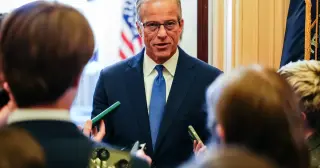
A broad cross-section of Republicans criticize President Trump's plan to prop up Spirit Airlines with government funds or equity, arguing that government ownership of a private airline is a bad idea and calling bailouts a mistake. From Senate leaders like Thune to Cruz, and including populist critics like Hawley, the opposition spans moderates to conservatives, threatening to derail the bid as Spirit fights for survival after its JetBlue merger collapse. The White House says the proposal is premature with no concrete plan yet, while a counterproposal from other carriers could complicate action and deepen intra-party divisions ahead of the midterms.
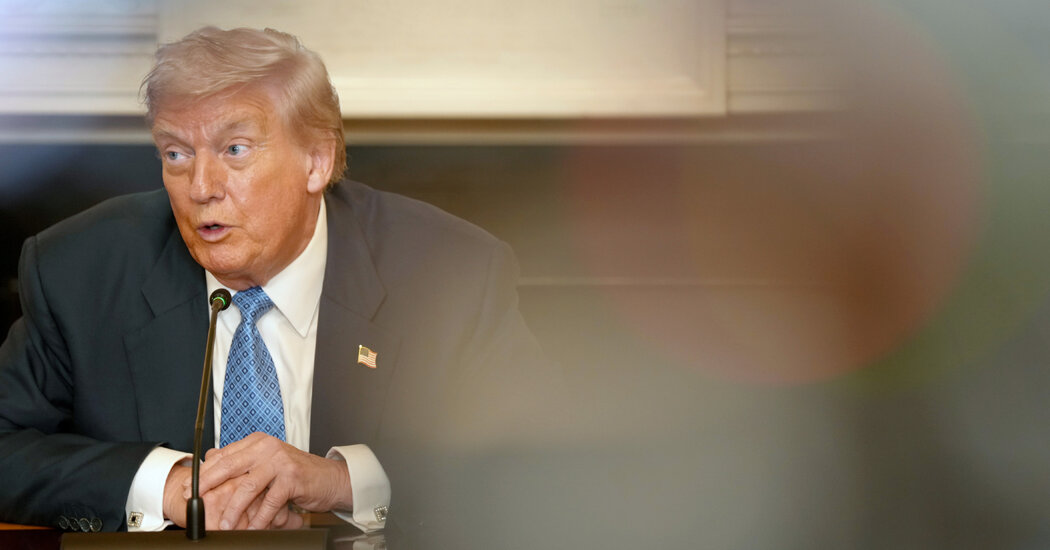
President Trump said he’s weighing a taxpayer-funded takeover of Spirit Airlines to save jobs and potentially resell the carrier for a profit once oil prices drop, as Spirit pursues Chapter 11 restructuring with talks of federal financing.
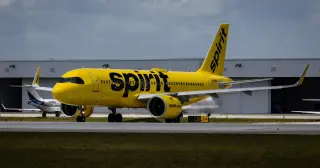
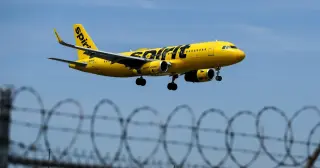
A proposed $500 million rescue for Spirit Airlines could leave the federal government with up to a 90% ownership stake after bankruptcy, prompting warnings from experts and lawmakers about market distortions and a risky precedent for government-backed equity in private companies, with potential ripple effects for other carriers as the White House monitors industry health.
Spirit Airlines is in advanced talks with the White House to borrow up to $500 million with possible equity warrants giving the U.S. a substantial ownership stake, a move that would mark a major step in Trump’s interventionist economic approach and revive a debate over government bailouts and airline competition.
China's property market crisis, ongoing since 2021, is expected to last until 2030, with the government actively suppressing negative information and restricting data releases to manage the narrative.
A bipartisan group recommends increased government involvement in the US tech sector, especially in AI, quantum computing, and biotechnology, to prevent reliance on adversaries like China and secure national security interests, suggesting measures like onshoring manufacturing and developing advanced technologies.
President Trump has made a significant move by making the U.S. government the largest shareholder of Intel, a major American company, which could potentially reshape the approach to capitalism in the U.S. and mark one of the largest government interventions in a private company since the auto industry bailout in 2008.
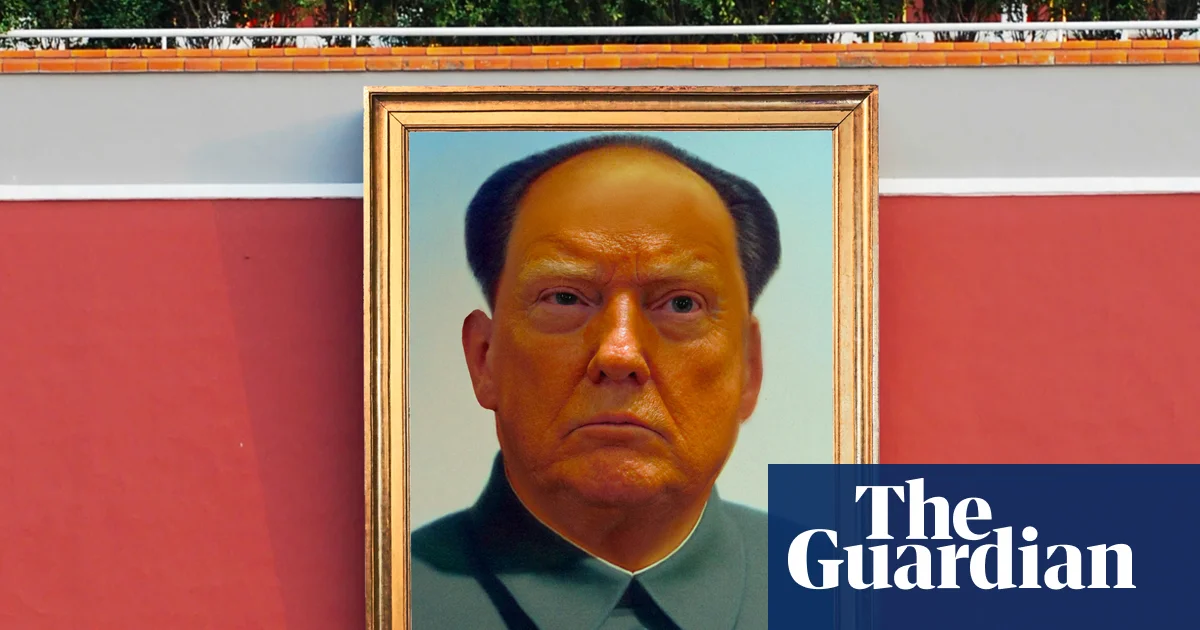
The article argues that under President Trump, the US has shifted away from traditional free-market principles towards a more interventionist and power-centric approach, challenging the longstanding Republican ideology of minimal government involvement in the economy, and reflecting a departure from Reagan-era beliefs.
The article discusses how Donald Trump's policies have paved the way for increased government involvement in the economy, leading to a form of 'state-run capitalism' where the government plays a significant role in economic activities, challenging traditional free-market principles.
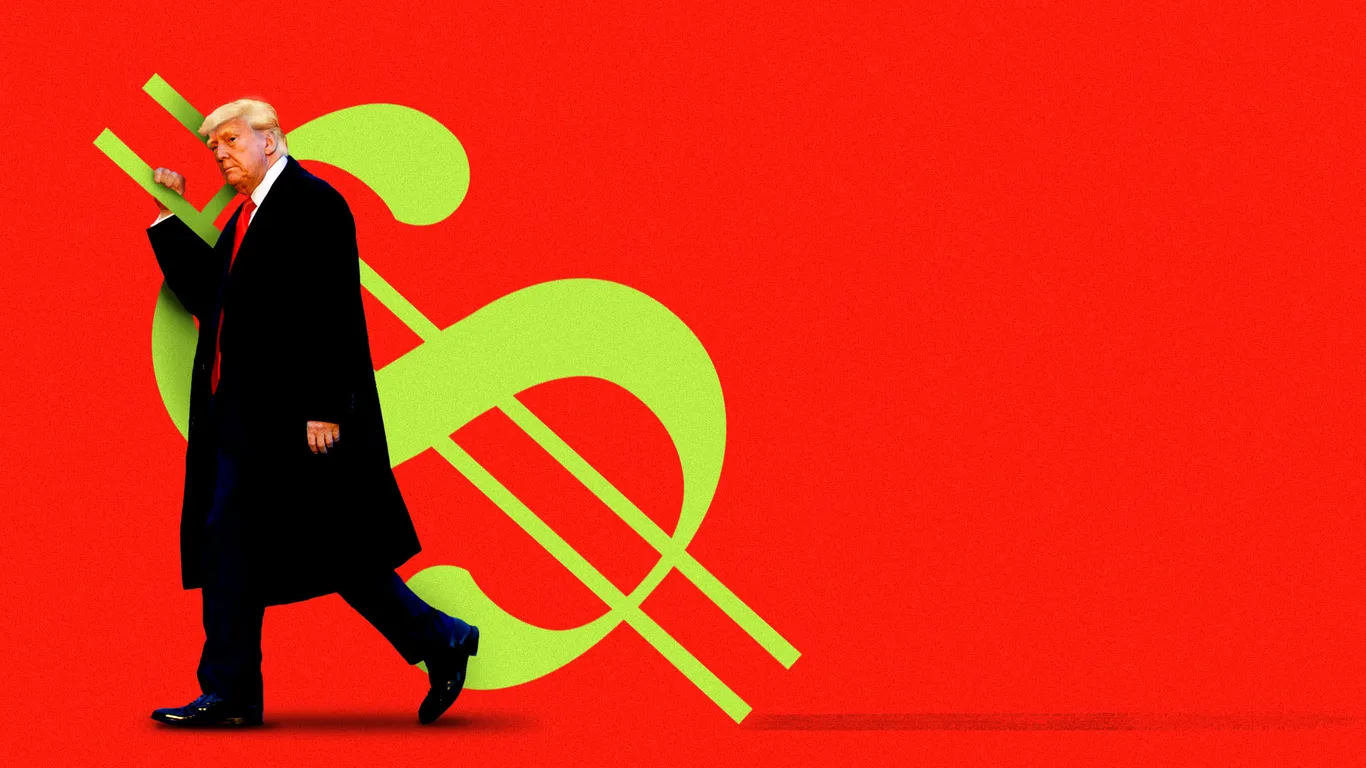
Under Trump's presidency, a new 'pay-me capitalism' has emerged where companies are required to align with his policies, pay tariffs, and accept government influence, creating uncertainty and increasing costs for businesses, with some like Apple making concessions to avoid tariffs and political pressure.
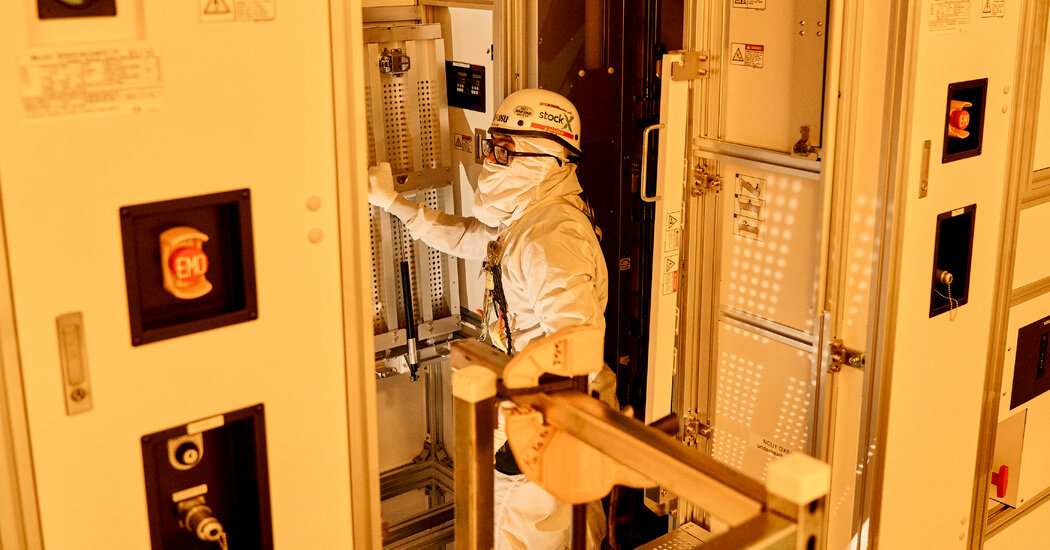
The Trump administration is considering taking a 10% stake in Intel by converting nearly $11 billion in federal grants into equity, as part of efforts to revive the struggling U.S. chipmaker and strengthen domestic semiconductor production, marking one of the largest government interventions in a U.S. company since the auto industry bailout of 2008.
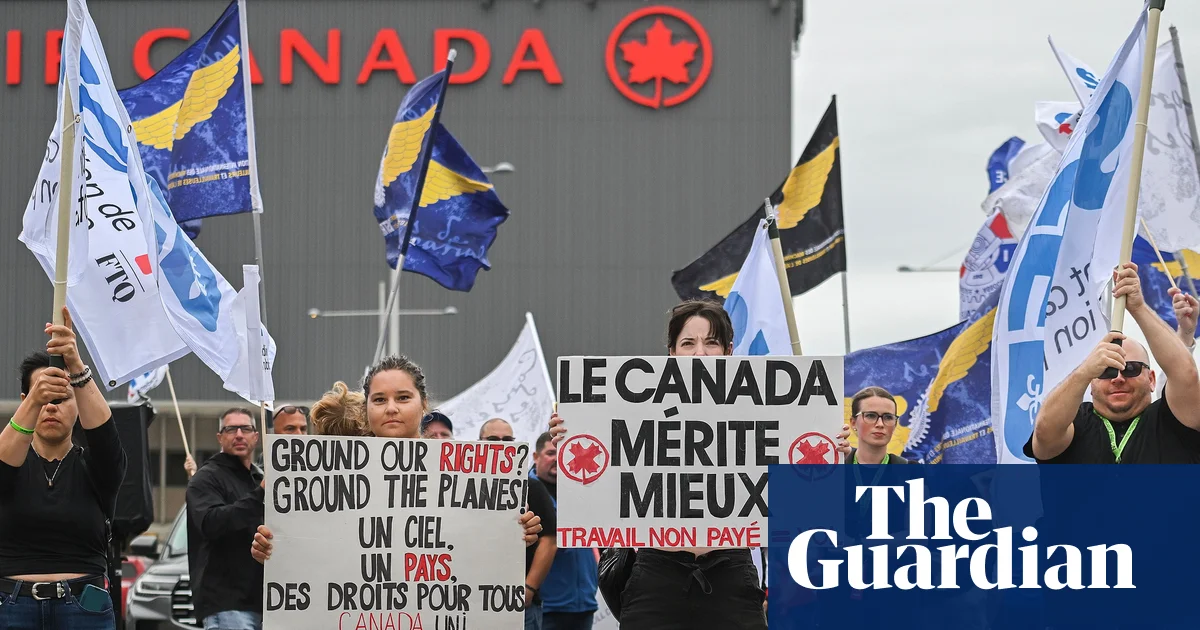
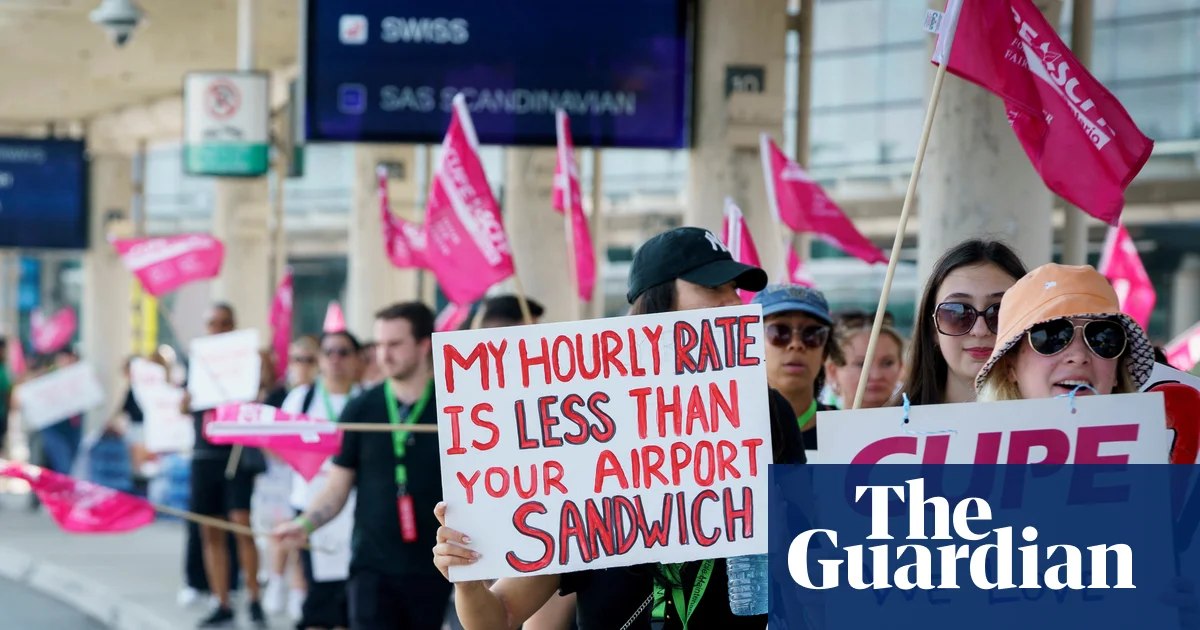
Union leaders representing 10,000 Air Canada flight attendants are prepared to face jail rather than comply with a government-ordered return to work, as the strike over wages continues amidst government-imposed arbitration and legal battles, significantly disrupting flights and costing the airline millions.
Over 10,000 Air Canada flight attendants are continuing their strike despite a Canadian government order to resume work, with the union citing violations of their rights and seeking better wages and compensation, while the airline and government remain at an impasse.
The Canadian government has ordered Air Canada flight attendants back to work and imposed binding arbitration after a strike that caused significant travel disruptions, citing an impasse in negotiations over wages and unpaid labor, with the union criticizing the intervention and the airline offering a pay increase that the union disputes.