Meta has partnered with Amazon Web Services to run agentic AI workloads on AWS Graviton Arm-based chips, aiming to scale and optimize Meta’s AI stack across its services with better performance and efficiency using AWS infrastructure.
Meta and AWS are expanding their longstanding partnership by deploying tens of millions of AWS Graviton5 CPU cores to power Meta’s next generation of agentic AI, including real-time reasoning, code generation, and multi-step task orchestration. Graviton5, built on 3-nm tech with a larger cache, promises up to 25% higher performance and better energy efficiency, and integrates with AWS Nitro, ENA, and EFA for scalable, low-latency coordination across billions of interactions.
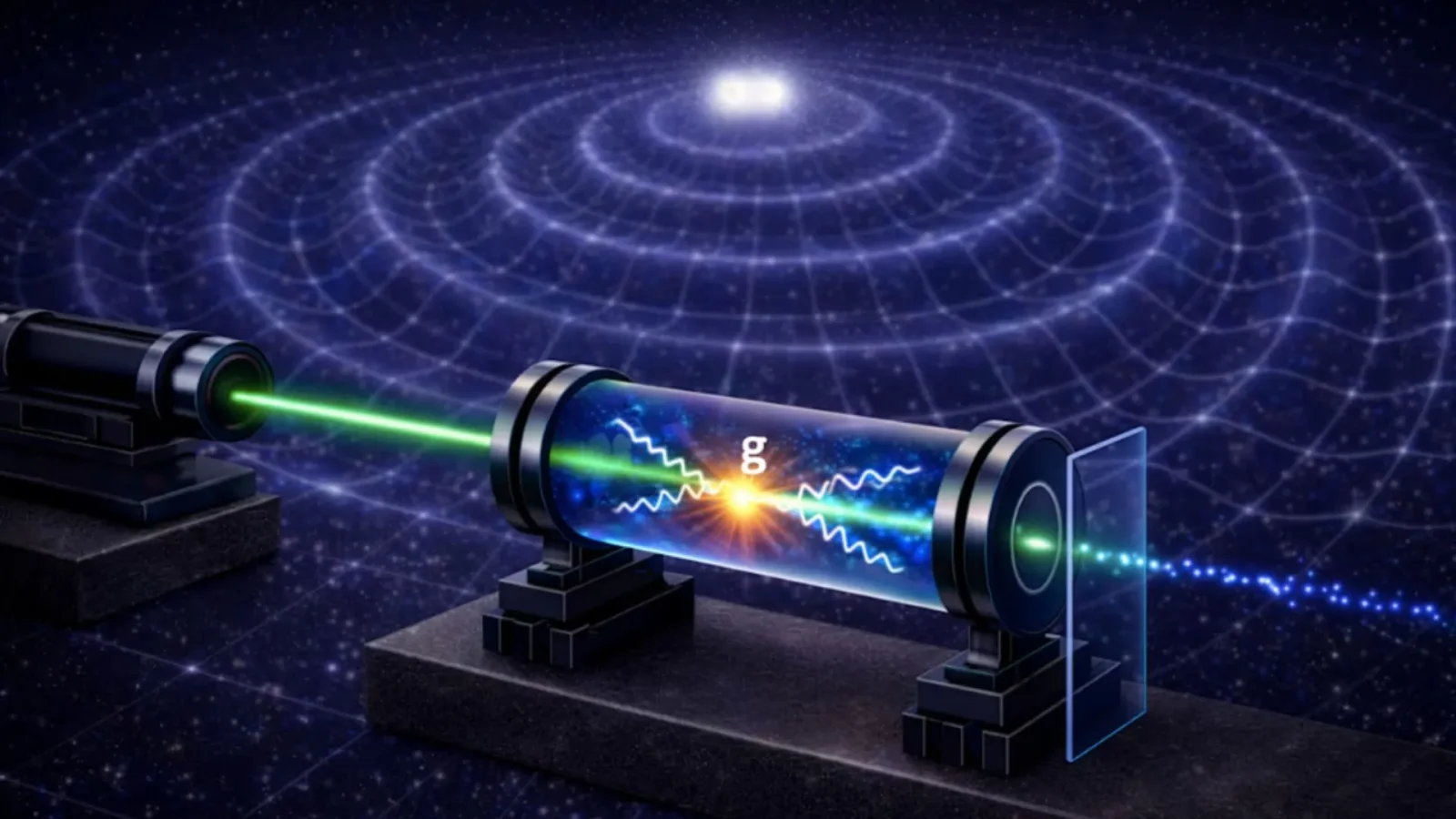
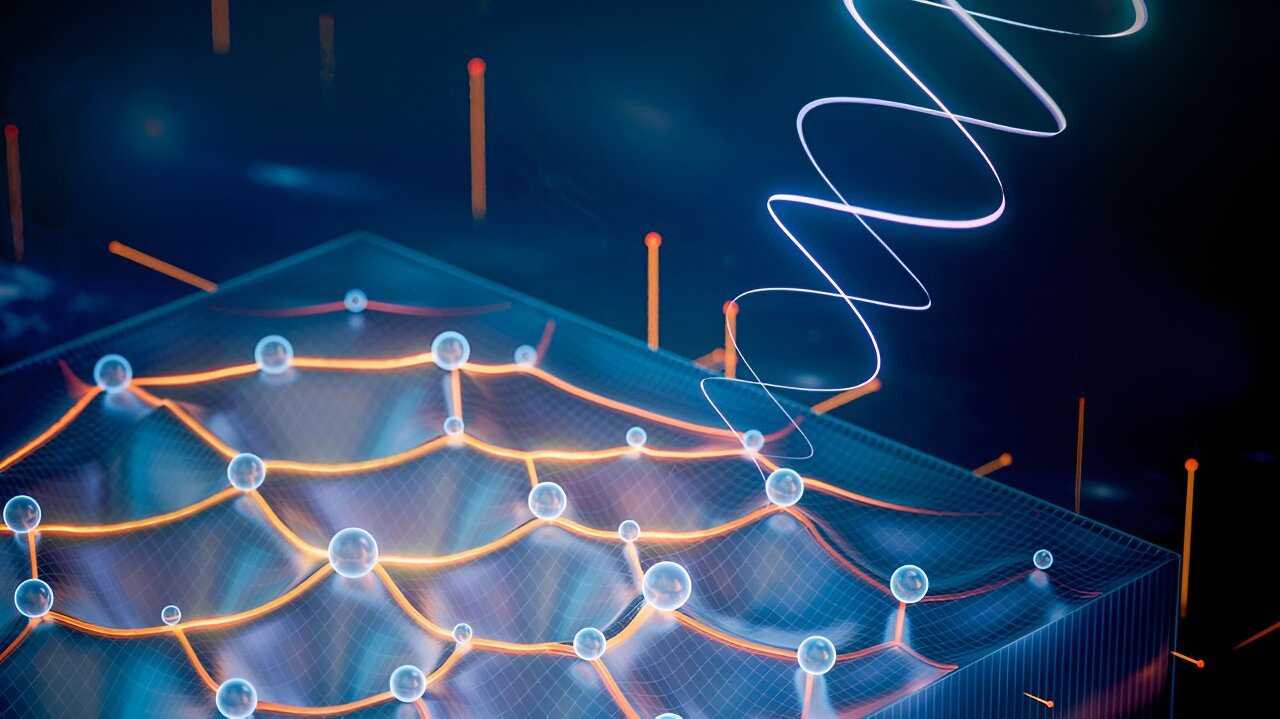
Scientists at Stevens Institute of Technology and Yale University are launching the world’s first experiment to detect gravitons, using a centimeter-scale resonator filled with superfluid helium cooled to its quantum ground state. A passing gravitational wave should impart energy that becomes a single graviton, converted into a phonon and read out with precision lasers. By scaling the detector from gram-scale to larger detectors, the team hopes to observe gravitons directly and bridge General Relativity with Quantum Mechanics, backed by the Keck Foundation.
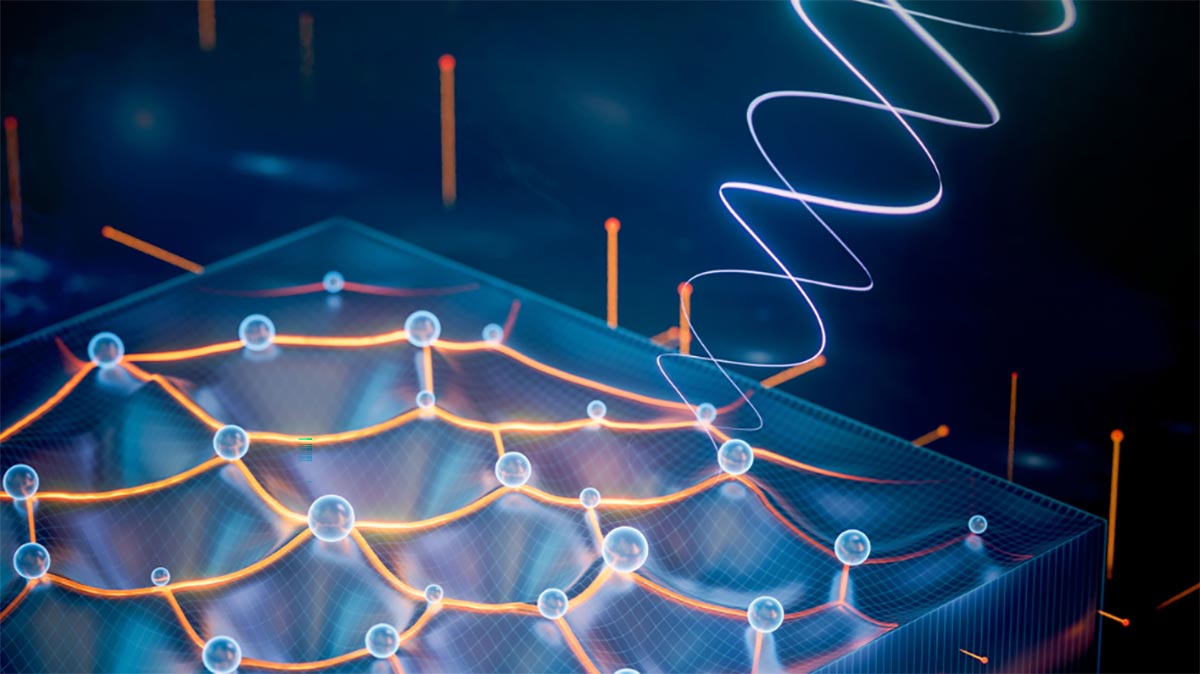
Scientists from Columbia, Nanjing University, Princeton, and the University of Munster have presented the first experimental evidence of collective excitations with spin called chiral graviton modes (CGMs) in a semiconducting material, bridging the gap between quantum mechanics and Einstein’s theories of relativity. The discovery, published in Nature, could potentially connect high energy physics and condensed matter physics, shedding light on the mysterious nature of gravity. The research, which builds on the legacy of late Columbia professor Aron Pinczuk, marks a significant step toward a better understanding of the universe and its fundamental forces.
Researchers have presented the first experimental evidence of collective excitations with spin called chiral graviton modes (CGMs) in a semiconducting material, marking the first experimental substantiation of the concept of gravitons in a condensed matter system. The discovery was made in a type of condensed matter called a fractional quantum Hall effect (FQHE) liquid, and the ability to study graviton-like particles in the lab could help bridge the gap between quantum mechanics and Einstein's theories of relativity. The findings could potentially connect high energy physics and condensed matter physics, offering new understanding of quantum systems and materials.
Physicists have long sought to understand the distribution of matter and energy within protons, particularly the elusive "Druck term" which represents the arrangement of pressures and forces. While traditional gravitational experiments were deemed impractical due to the weakness of gravity, a breakthrough in the late 1990s and early 2000s revealed a workaround involving two-photon scattering events. By analyzing the energies and momentums of particles resulting from these events, physicists were able to extract the proton's internal pressures, revealing intense forces at the proton's core and shedding light on its stability.