A new study by Groundwork Collaborative finds that nearly 30% of Amazon's promoted Black Friday deals offered no savings compared to pre-sale prices, with some items costing more. Amazon disputes the methodology, while experts advise consumers to use price-tracking tools to verify discounts.
A new report by Groundwork Collaborative finds that nearly 30% of products advertised as deals by Amazon during Black Friday and Cyber Monday in 2024 and 2025 were priced the same or higher than in the preceding month. The study, which analyzed over 350 items, suggests that many 'deals' were not genuine discounts, with some products costing up to 83% more during sale events than weeks prior. Amazon has disputed the findings, calling the methodology flawed, while advocates urge regulators to enforce existing laws against deceptive pricing.
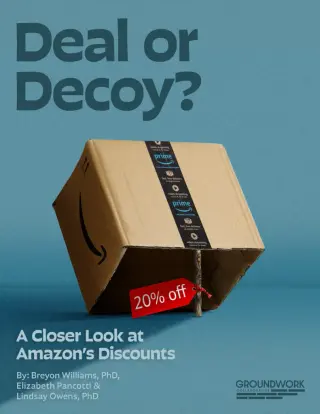
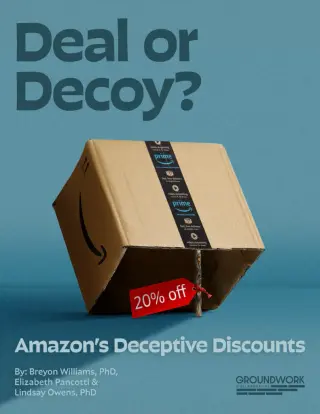
A new investigation by Groundwork Collaborative finds that nearly one-third of Amazon’s advertised Black Friday and Cyber Monday deals in 2024 and 2025 offered no savings, with nearly one-tenth costing more than the price just weeks prior. The report, titled 'Deal or Decoy?', analyzed over 350 products and cites specific examples where sale prices were significantly higher than recent lows. Groundwork calls for federal and state regulators to mandate that retailers display the lowest price from the previous 30 days when advertising sales. Amazon has since removed the specific deal pages cited in the report, though archived versions remain available. The findings arrive as millions of consumers prepare for the 2026 holiday shopping season, with experts advising the use of third-party price tracking tools to verify genuine discounts.
Walmart has publicly denied allegations that it uses patented technology to personalize prices based on customer data, following a report by Groundwork Collaborative. The retailer insists it does not practice dynamic or surveillance pricing, while critics argue its patent applications and data collection practices suggest otherwise.
A Groundwork Collaborative report labels a growing “annoyance economy” costing Americans at least $165 billion annually in junk fees, cancellation headaches, and time-draining spam. It details charges from subscription hurdles to healthcare admin tasks and pervasive robocalls/texts, arguing these frictions boost corporate revenue (14%–200% in some cases) and erode trust. The piece urges policy fixes—modernizing the TCPA to curb robocalls, simplifying online claims, creating a healthcare “sludge unit,” and strengthening FTC/DOJ enforcement—to reduce wasted time and money and rebuild public trust.
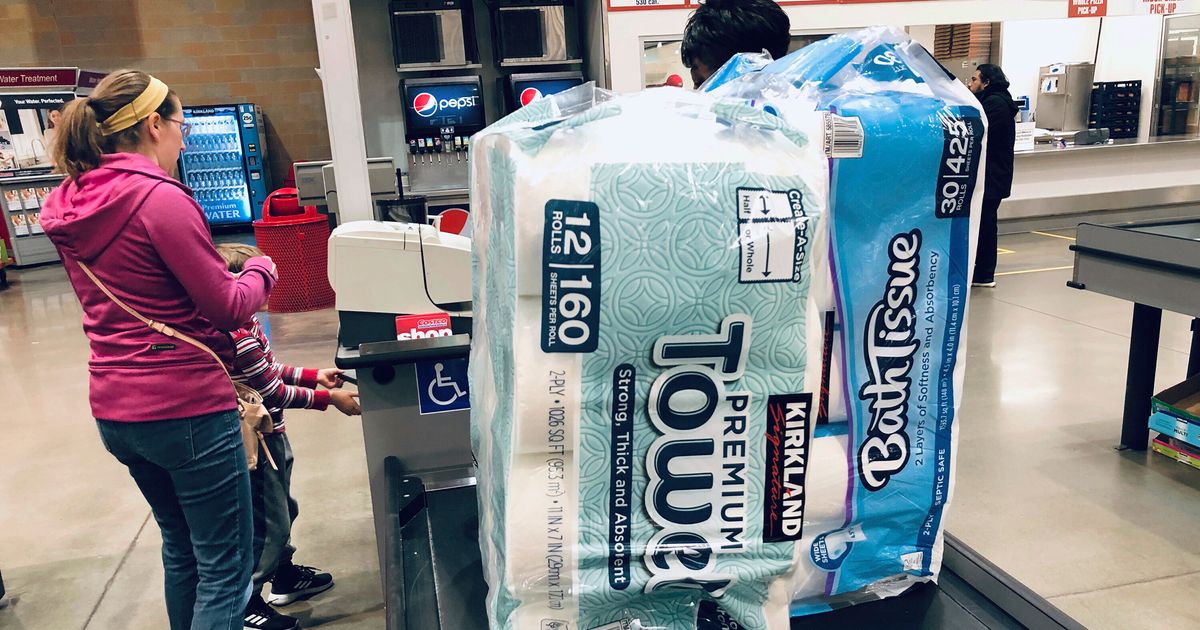
A study by progressive economists has found that "shrinkflation," where companies charge the same or more for smaller portions of products, has been a significant driver of inflation in various categories such as household paper products and snacks between 2019 and 2023. This practice has contributed as much as 10% to inflation in key product categories, prompting calls from lawmakers and President Biden to address it. The study also highlighted examples of companies using shrinkflation to boost profits, with one CEO noting that consumers are unlikely to change their buying habits even if they realize they're paying more for less.