
Locusts use injury-triggered bacterial scent to coordinate immunity and cannibalism
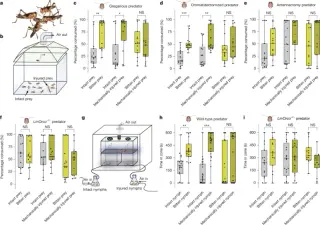
Researchers have identified a microbial-chemical mechanism in migratory locusts that links immune defense to cannibalistic behavior. Injured locusts release guaiacol, a volatile compound produced by the gut bacterium Enterobacter hormaechei. While low levels of guaiacol enhance pathogen resistance, high levels emitted after severe injury attract gregarious nymphs, leading to cannibalism. This process is mediated by specific olfactory receptors, LmOR34 and LmOR36, which detect the scent and trigger predatory behavior.