Tag

Cannibalism

All articles tagged with #cannibalism

Cannibalistic male seals blamed for corkscrew pup injuries at Sable Island
science3 days ago

Cannibalistic male seals blamed for corkscrew pup injuries at Sable Island

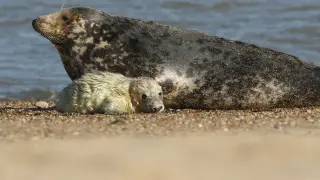
Researchers determined that corkscrew-shaped injuries found on gray seal pups at Sable Island, Nova Scotia, are caused by cannibalistic adult male gray seals rather than sharks or propellers. The 2024–2025 breeding seasons saw hundreds of pups with these markings (765 in 2024; 359 in a single day in 2025), with a first-hand attack observed in 2024. While cannibalism appears to be a natural behavior among males and is not expected to drastically reduce the ~75,000 pup production at the colony, it may have implications for other nearby seal populations such as harbor seals. The study, published in Marine Mammal Science (2026), notes that the exact cause of this behavior remains unknown.

Tiny Bite Marks Reveal Tyrannosaurs as Opportunistic Scavengers, Not Just Hunters
science19 days ago

Tiny Bite Marks Reveal Tyrannosaurs as Opportunistic Scavengers, Not Just Hunters

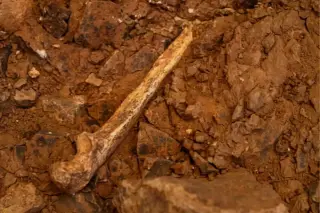
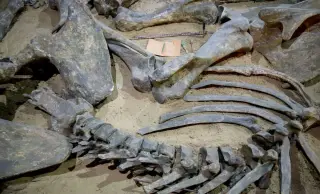
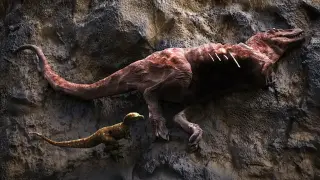
A 75-million-year-old tyrannosaur foot bone bears 16 bite marks analyzed with 3D scanning and digital modeling, showing a smaller tyrannosaur fed on the larger relative. The study, led by Josephine Nielsen and published in Evolving Earth, suggests tyrannosaurs were opportunistic scavengers and even cannibalistic under certain conditions, challenging the long-held view of them as sole apex predators.

75-Million-Year Tyrannosaur Bite Marks Reveal Cannibal Scavenging
science21 days ago

75-Million-Year Tyrannosaur Bite Marks Reveal Cannibal Scavenging

A 75-million-year-old tyrannosaur foot bone from Montana bears 16 precise bite marks made by a smaller tyrannosaur, indicating cannibalistic scavenging on a larger relative. Using high-resolution 3D scans and a systematic bite-mark classification, researchers conclude the carnivorous dinosaurs sometimes fed on conspecific remains, even late in decay, offering new insight into tyrannosaur behavior.

Adults Are the Primary Predator of Baby Blue Crabs in Chesapeake Bay
biology2 months ago

Adults Are the Primary Predator of Baby Blue Crabs in Chesapeake Bay

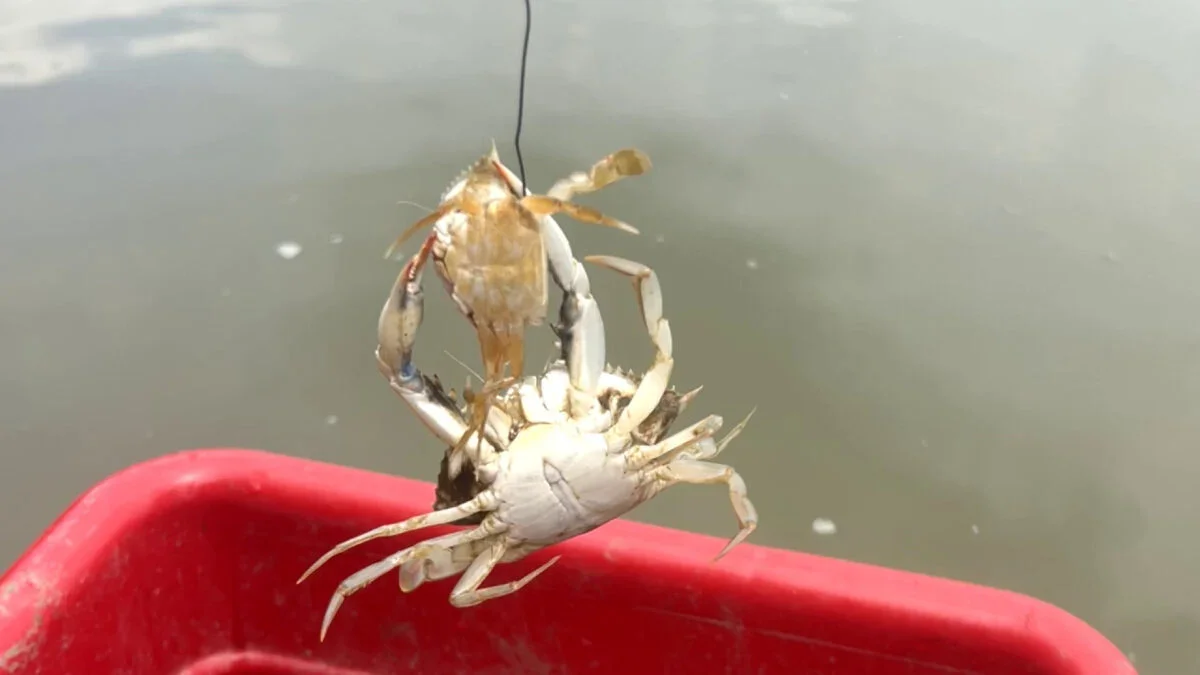
A 37-year study in Chesapeake Bay confirms that cannibalism by adult blue crabs is the main cause of death for juveniles, accounting for about 97% of injuries with over half lethal. Fish predation was negligible. Cannibalism varies with season and crab size—warmer months and smaller juveniles are most at risk—while crabs in shallower waters survive better. The findings, published in the Proceedings of the National Academy of Sciences, inform a stock-assessment model for sustainable management and highlight the need to protect juvenile shelters as climate-related changes threaten shallow, mid-salinity habitats.

Tooth-marked orca fins hint cannibalism shapes tight-knit pods
science2 months ago

Tooth-marked orca fins hint cannibalism shapes tight-knit pods

Live Science reports two washed-up orca dorsal fins from southern resident orcas found on Russia’s Bering Island, each bearing distinctive killer-whale tooth marks. Genetic testing links the fins to southern residents, while researchers say mammal-eating Bigg’s killer whales may have preyed on them, suggesting occasional cannibalism. The study posits that predation pressure by Bigg’s could help explain why resident, fish-eating orcas form large, protective family groups, though some scientists urge caution and note scavenging or other explanations could account for the marks.

Outsiders Targeted: Neanderthals’ 41,000-Year-Old Cannibalism at Goyet, Belgium
science2 months ago

Outsiders Targeted: Neanderthals’ 41,000-Year-Old Cannibalism at Goyet, Belgium

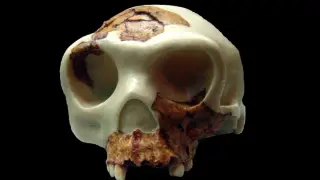
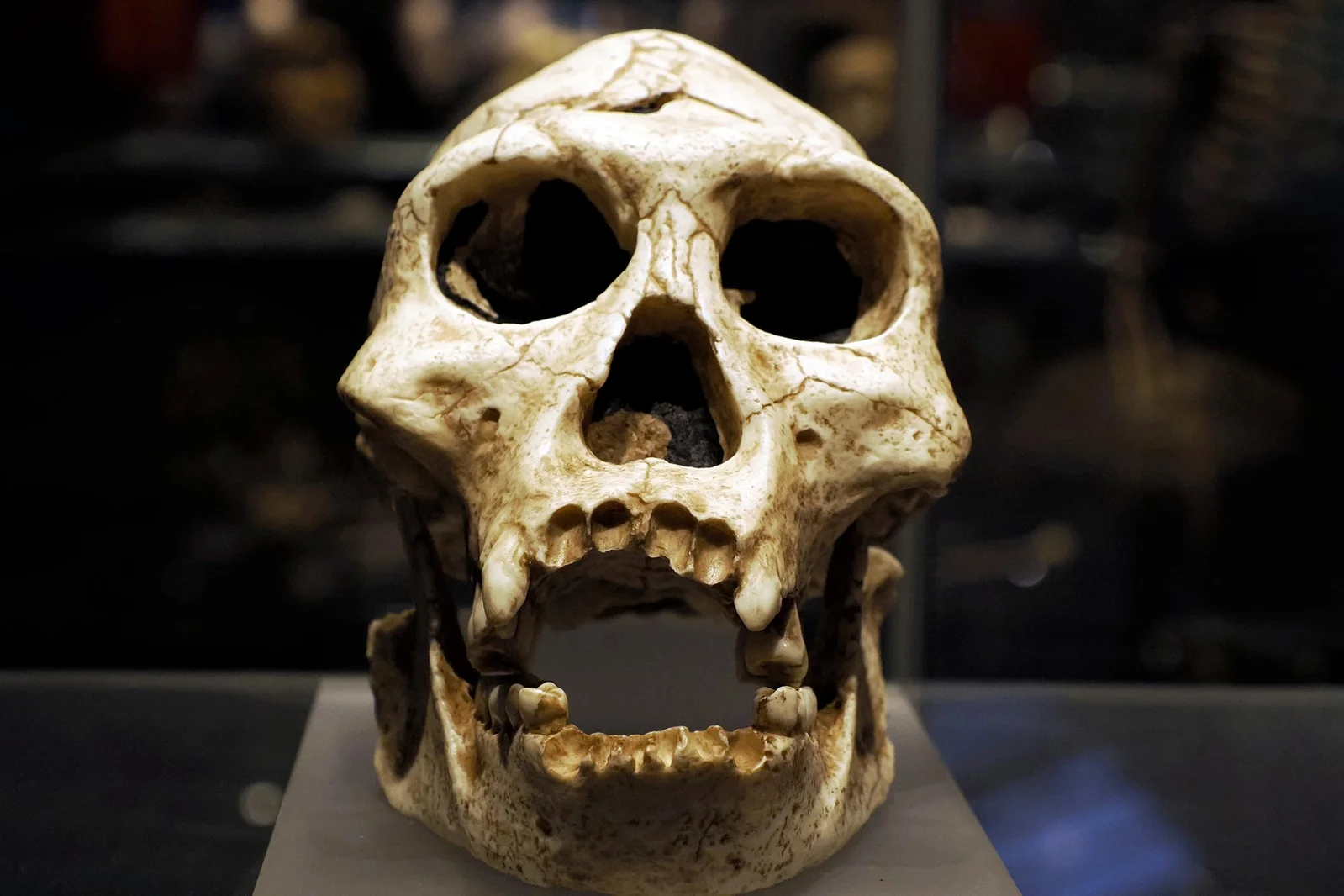
A decade-long study of Neanderthal bones from Belgium’s Troisième caverne de Goyet reveals selective cannibalism of outsiders, including adult women and children, dating to about 41,000–45,000 years ago. Cut marks and bone processing resemble those used on animal remains, suggesting food consumption rather than ritual activity. Genetic analyses indicate the individuals were outsiders to the local group, pointing to intergroup conflict during a time of Neanderthal decline and Homo sapiens’s increasing presence in the region.

Snake Cannibalism Revealed as an Adaptive Response to Scarcity
science3 months ago

Snake Cannibalism Revealed as an Adaptive Response to Scarcity

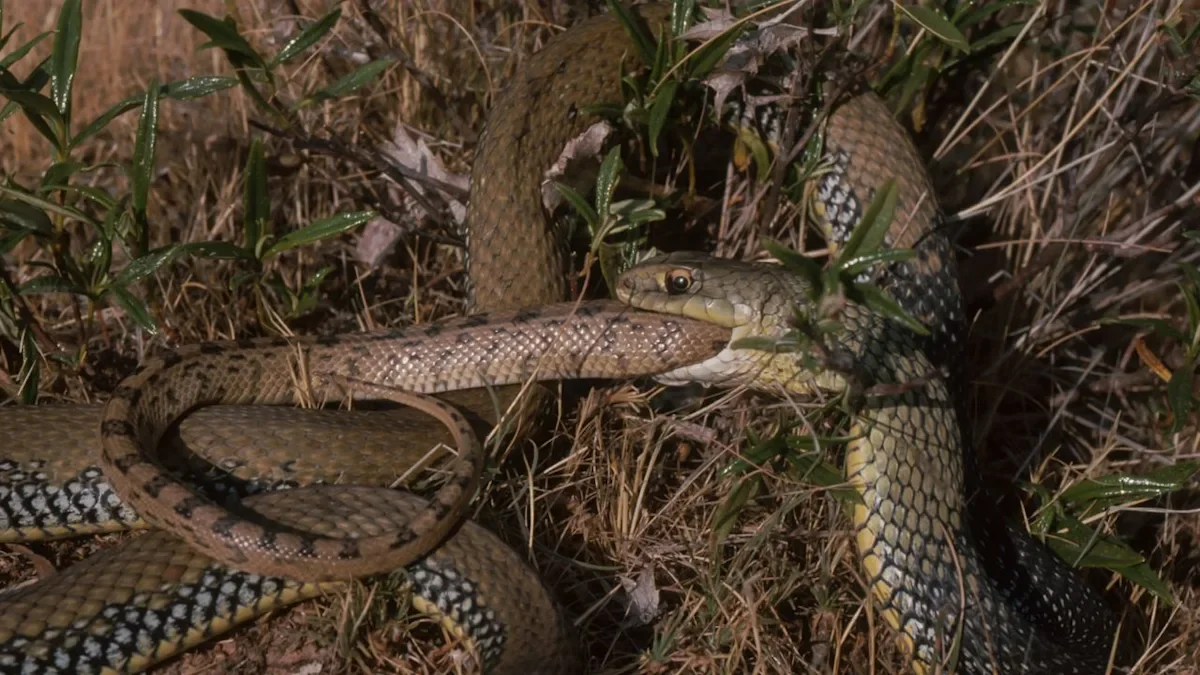
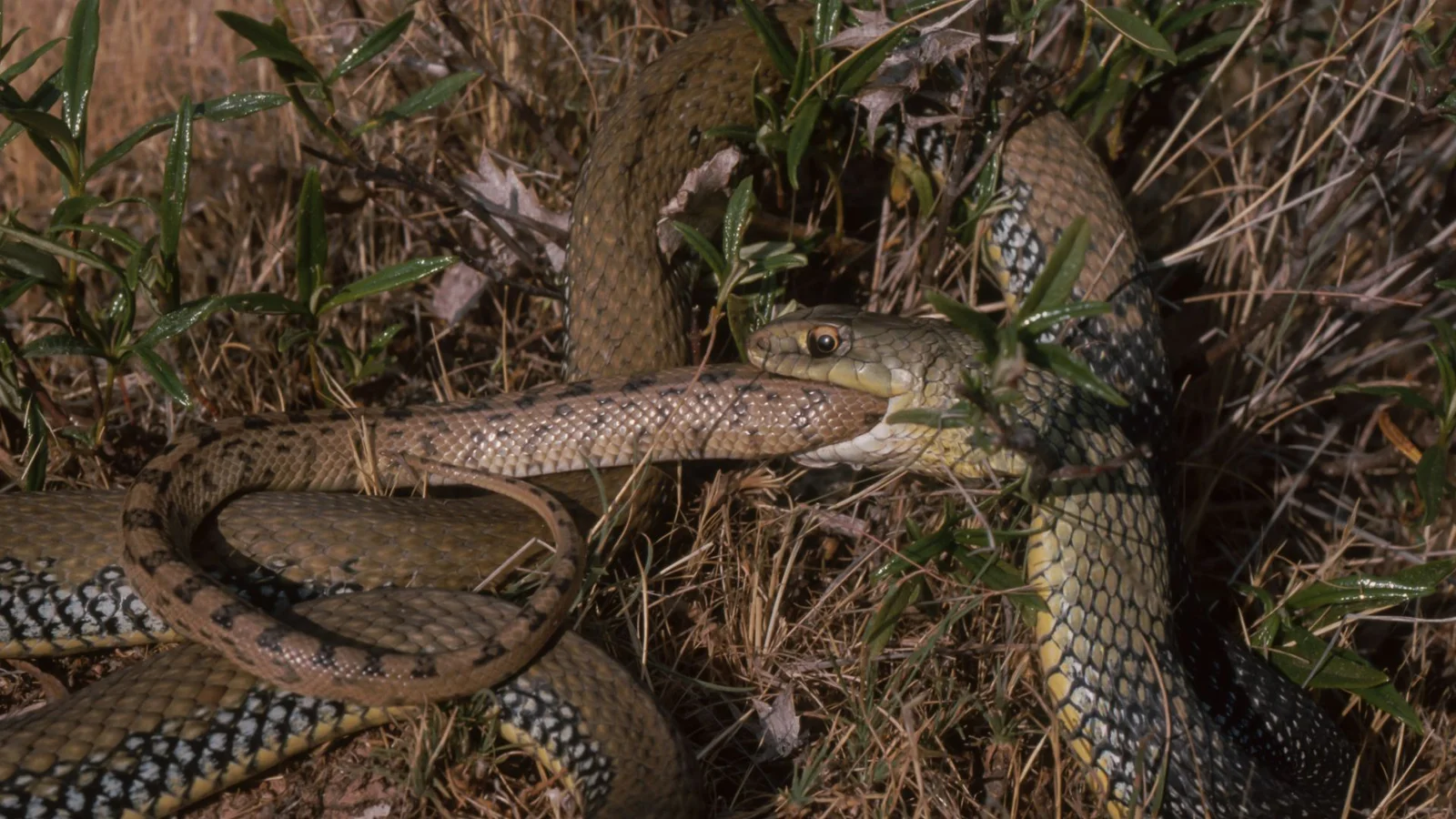
A Biological Reviews study analyzing hundreds of reports across 207 snake species finds that cannibalism is widespread and has evolved at least 11 times, indicating it’s an adaptive survival strategy in response to ecological stress and food scarcity—occurring in both the wild and captivity to regulate populations and boost ecological fitness; some experts caution against broad generalizations across all species.

Snake Cannibalism Emerges Independently at Least 11 Times, Study Finds
science3 months ago

Snake Cannibalism Emerges Independently at Least 11 Times, Study Finds

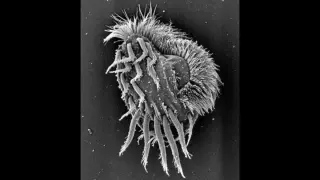
A review of 503 cannibalism reports across 207 snake species finds cannibalistic behavior has evolved independently at least 11 times, in both wild and captive settings. Cannibalism occurs across diverse contexts and is often tied to environmental stress or opportunistic feeding. Jaw structure enabling swallowing other snakes, along with dietary flexibility in some species, may help explain the pattern. The study suggests cannibalism is more common in snakes than previously thought and may be an adaptive response to scarce resources.

Cannibalism in Snakes: Evolutionary Trick Repeats Across 11 Lineages
animals3 months ago

Cannibalism in Snakes: Evolutionary Trick Repeats Across 11 Lineages

A review of 503 cannibalism reports across 207 snake species finds that cannibalistic behavior has evolved independently at least 11 times. The behavior appears across continents and contexts, often linked to environmental stress or scarce food, with many captivity cases; jaw flexibility and dietary generalism help some snakes consume conspecifics. Researchers say cannibalism can provide ecological fitness as an opportunistic feeding strategy, though much of the data are anecdotal and more study is needed.

Ancient Cannibalism Evidence Uncovered in Spanish Cave
science9 months ago

Ancient Cannibalism Evidence Uncovered in Spanish Cave

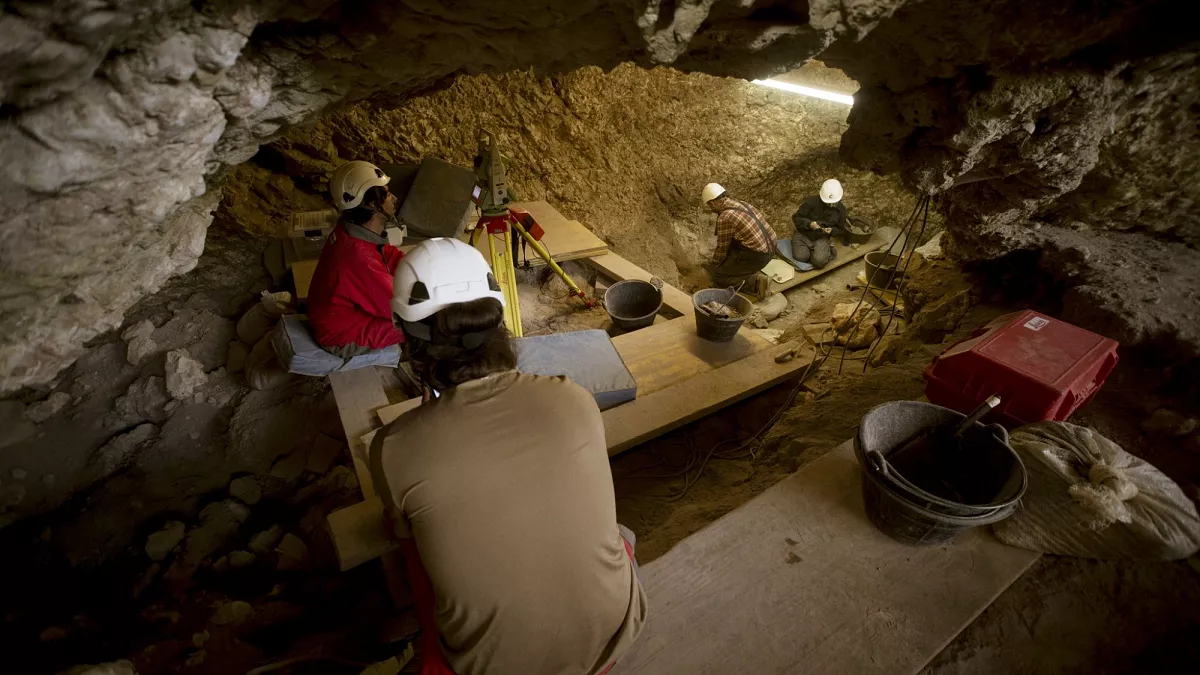
Spanish archaeologists at Atapuerca have uncovered 5,700-year-old evidence of war cannibalism, including the remains of 11 individuals subjected to extreme exploitation, suggesting violent conflicts among Neolithic societies. The site has a long history of significant discoveries related to human evolution and prehistoric cannibalism, challenging previous notions of peaceful ancient communities.