Tag

Bioethics

All articles tagged with #bioethics

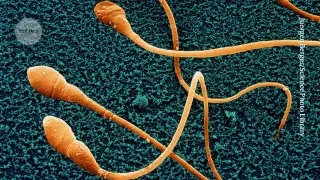
Lab-grown human sperm advances in mice, but full maturity remains elusive
science17 hours ago

Lab-grown human sperm advances in mice, but full maturity remains elusive

Researchers transplanted human iPS-derived immature cells into a mouse kidney pouch, where they self-organized into early sperm-supporting structures and developed into spermatogonia after six months. While this marks progress toward lab-made sperm, the cells did not mature yet, signaling further hurdles. The work offers a new avenue to study early human sperm development and infertility, though clinical applications are far off and raise ethical questions about future reproductive technologies.

SpudCell exposes how close we are to synthetic life—and how far we still are
science2 days ago

SpudCell exposes how close we are to synthetic life—and how far we still are

Scientists announced on July 2, 2026 that they created SpudCell, the first synthetic cell built from purified, nonliving components. While it can feed, grow, replicate genetic material and undergo a cell-like division, it is not autonomous: it relies on laboratory conditions and ongoing input of molecular machinery, and it cannot reproduce indefinitely. The milestone helps researchers study core cellular processes—membranes, gene expression, energy use, and growth—while offering potential safe, simplified platforms for disease research, drug delivery, and environmental sensing. It also highlights ongoing debates about what constitutes life, and underscores the need for safety, governance, and ethical oversight in synthetic biology.

Rethinking the Red Planet: the Mars settlement dream meets brutal realities
science22 days ago

Rethinking the Red Planet: the Mars settlement dream meets brutal realities

Henry Wismayer surveys the Mars dream—from enthusiasts at the British Interplanetary Society to advocates like Zubrin and SpaceX—against sobering biology, physics, and governance challenges. He reports that Mars’ radiation, low gravity, extreme temperatures, and pervasive dust threaten human health and reproduction; the Outer Space Treaty and Artemis Accords offer little enforcement, raising questions about sovereignty and safety. Skeptics warn against turning Mars into a fragile, centralized frontier, while proponents call for cautious Moon-first testing and phased exploration. The piece concludes that while the allure remains, a careful, wait-and-go-big approach is prudent before any permanent Martian settlement is attempted.

Screwworm resurges in the U.S., forcing a restart of the sterile-fly program
science1 month ago

Screwworm resurges in the U.S., forcing a restart of the sterile-fly program

The United States confirmed a natural incursion of the New World screwworm in Texas cattle—the first since 1982—after decades of eradicating the pest with mass releases of sterile male flies. Facing potential billions in economic impact from livestock losses, the USDA is funding a $750 million facility in Texas to produce about 300 million sterile screwworms per week by 2027. While the comeback mirrors the historic campaign, experts note aging facilities elsewhere and a growing debate among bioethicists about using genetic modification to wipe out the species, a method not yet ready for deployment.

science1 month ago

Donated Brains on Life Support Open New Frontiers for Drug Testing

A New Haven startup, Bexorg, uses BrainEx to perfuse donated postmortem human brains, keeping cellular activity alive long enough to study how experimental CNS drugs—potential Alzheimer's therapies—behave in real human tissue. While there is no consciousness and safeguards are in place, the method raises ethical questions about life-death boundaries and could improve CNS drug development.

Startup Tests Drugs on Fresh Brains Kept Alive on Life Support
science1 month ago

Startup Tests Drugs on Fresh Brains Kept Alive on Life Support

A biotech startup called Bexorg keeps recently donated human brains on its BrainEX life-support system, arguing the preserved brains offer a more realistic testbed for drugs (including Alzheimer’s candidates) than animal models. The brains hover between life and death, show no consciousness, and are dosed with anesthetic; after about 24 hours they’re sliced into hundreds of pieces for analysis. Bexorg aims to process up to 1,600 brains per year, while pharma firms like Biohaven have already used donor brains for drug testing, fueling ethical and philosophical debates over the use of near-living tissue in research.

Biotech Barbie bets on openly editing embryos to prevent disease
technology1 month ago

Biotech Barbie bets on openly editing embryos to prevent disease

Canadian entrepreneur Cathy Tie, nicknamed the “Biotech Barbie,” is pursuing openly regulated germline gene editing to prevent inherited diseases through Origin Genomics, after a controversial past with He Jiankui and a string of biotech ventures. She argues for regulator-approved, transparent research and says the field’s progress is inevitable, while critics warn about safety and the ethical implications for future generations. The piece frames her effort against a backdrop of private funding, a race among biotech startups, and the broader debate over embryo editing versus embryo selection.

Silicon Valley's high-stakes bid to design future babies
technology4 months ago

Silicon Valley's high-stakes bid to design future babies

Silicon Valley-backed startups are marketing embryo screening and editing services that claim to predict or enhance traits such as IQ and height for around $50,000. Backers include OpenAI’s Sam Altman, Peter Thiel and Brian Armstrong, while critics warn these efforts could create a privileged class of genetically enhanced humans and raise profound ethical and safety concerns. The piece cites experts who question the science, legal bans on human embryo editing in the US, and pioneers like He Jiankui as cautionary precedents, highlighting the tension between autonomy and potential inequality as the race to ‘accelerate evolution’ faces moral scrutiny.

Space Reproduction Put on Hold as Experts Warn of Safety Risks
sciencespace5 months ago

Space Reproduction Put on Hold as Experts Warn of Safety Risks

A new report in Reproductive BioMedicine Online warns that reproducing in space is far from safe due to radiation, microgravity, and lunar dust, which may affect fertility, pregnancy, and offspring. It calls for a global ethical framework, better shielding, medical countermeasures, and advanced assisted reproduction tools before any long-duration missions, effectively delaying space births until safeguards are in place.