Tag

Hexagon

All articles tagged with #hexagon

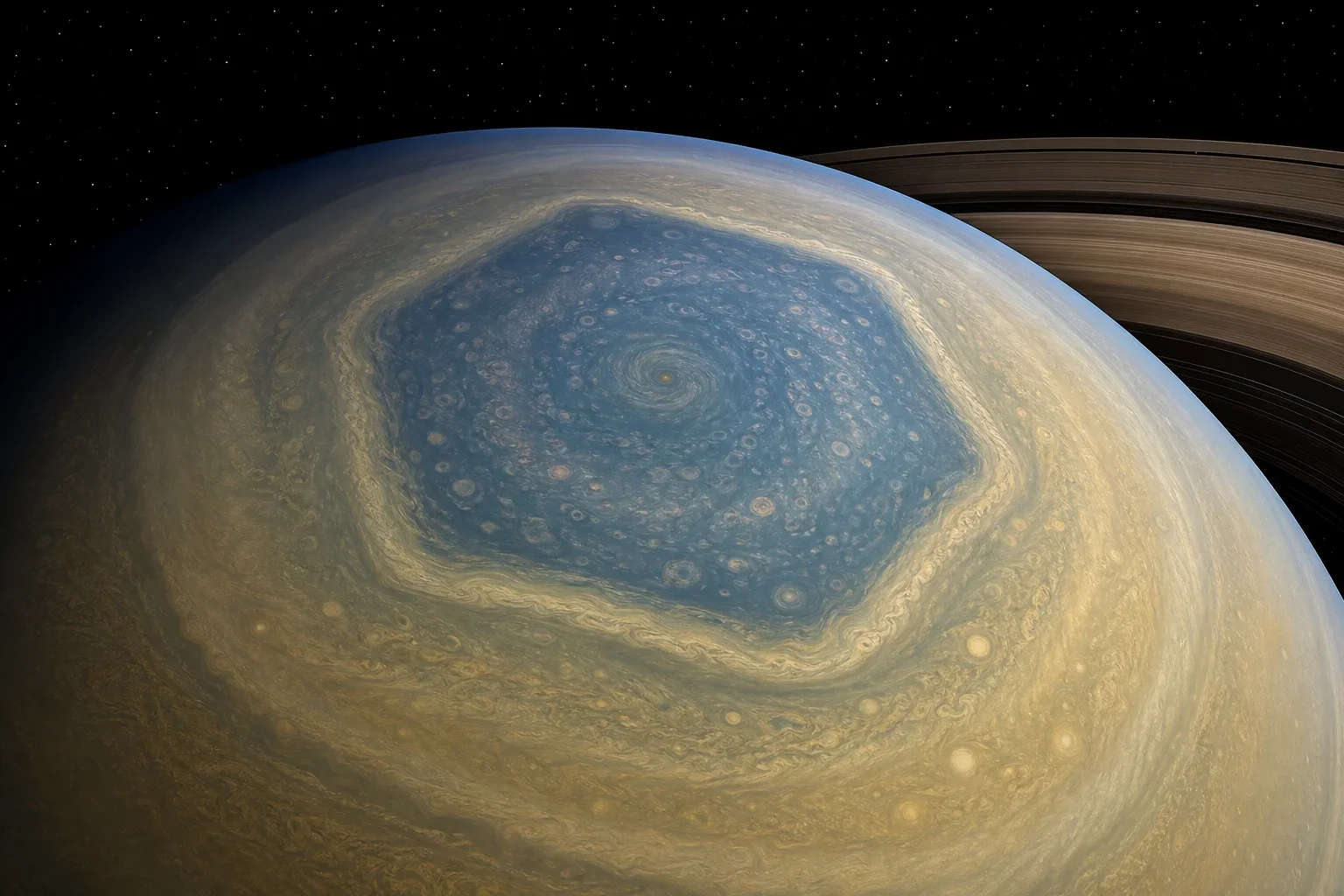
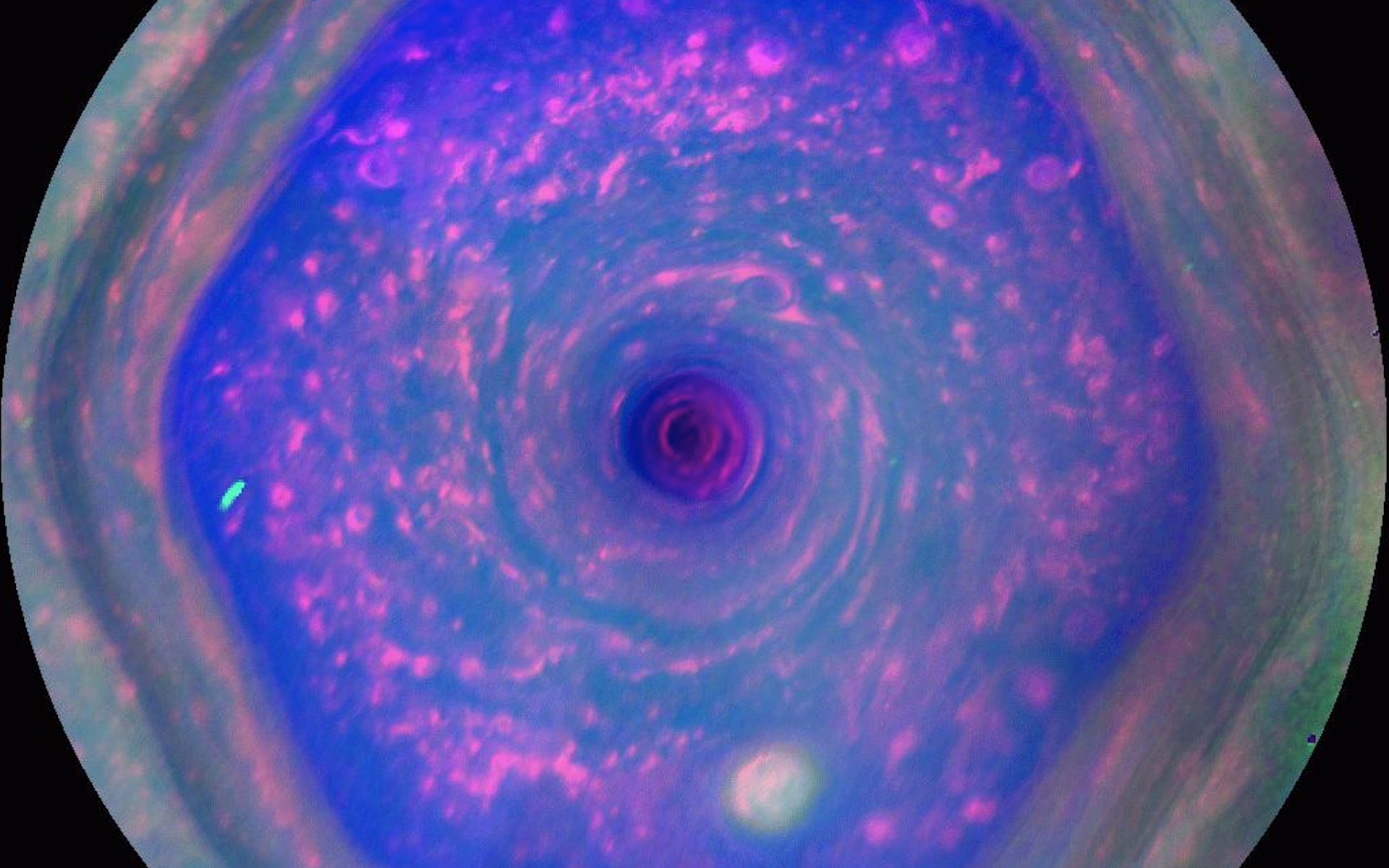
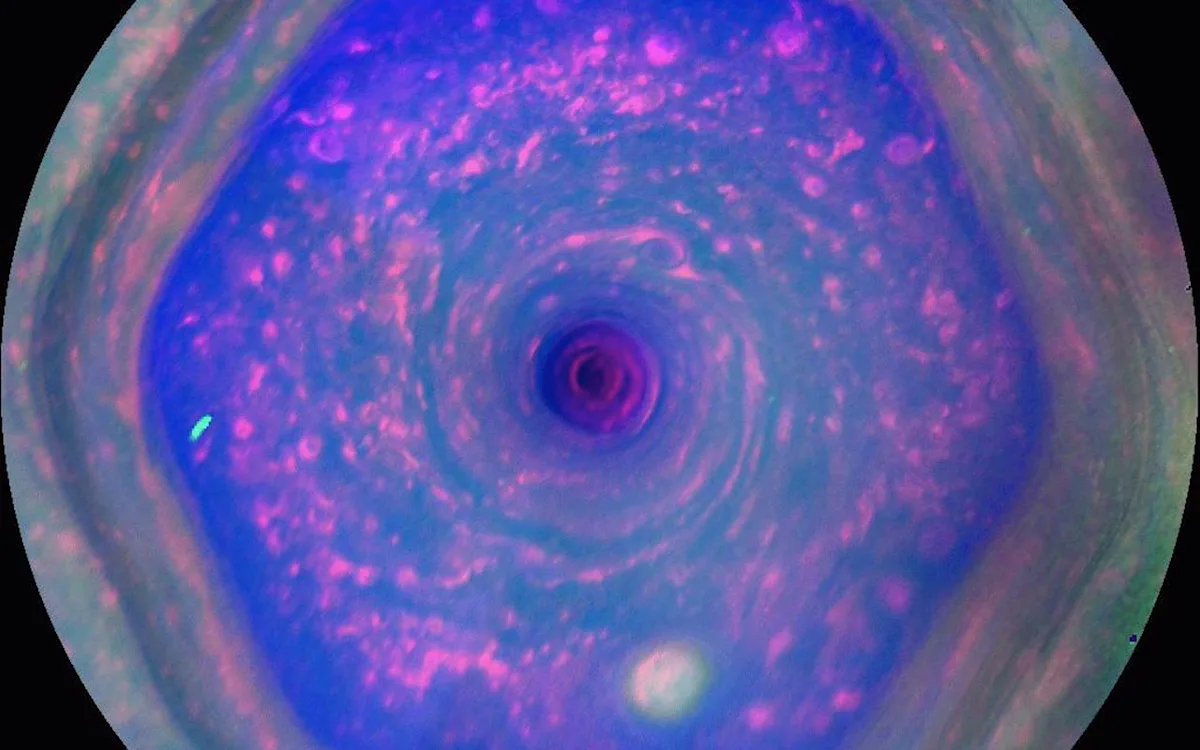
Saturn’s North Pole Hexagon: A Persistent Polygon in Its Global Jet
space1 hour ago

Saturn’s North Pole Hexagon: A Persistent Polygon in Its Global Jet

Saturn’s north-pole hexagon is a persistent, six-sided wave in a fast eastward jet surrounding a central cyclone—visible for decades and spanning about 30,000 km. Not a solid boundary, it’s a pattern in the atmosphere that survives Saturn’s seasons, likely a vertically trapped Rossby-wave in a deep jet; Cassini and Voyager data confirm its longevity and vertical reach into the stratosphere. Scientists still debate why the sixfold pattern persists, how deep the wave runs, and why the south pole lacks a similar hexagon, with laboratory rotating-fluid experiments offering a partial explanation but not a complete theory.

business3 months ago

Baker Hughes Sells Waygate Technologies to Hexagon in a $1.45 Billion All-Cash Deal

Baker Hughes announced it will sell Waygate Technologies to Hexagon in an all-cash transaction valued at about $1.45 billion (before customary closing adjustments). The deal covers Waygate’s nondestructive testing portfolio and all assets, and is part of Baker Hughes’ portfolio-management strategy to strengthen earnings durability and the balance sheet, with closing expected in the second half of 2026 and regulatory approvals required. JP Morgan Securities is advising Baker Hughes on the transaction.

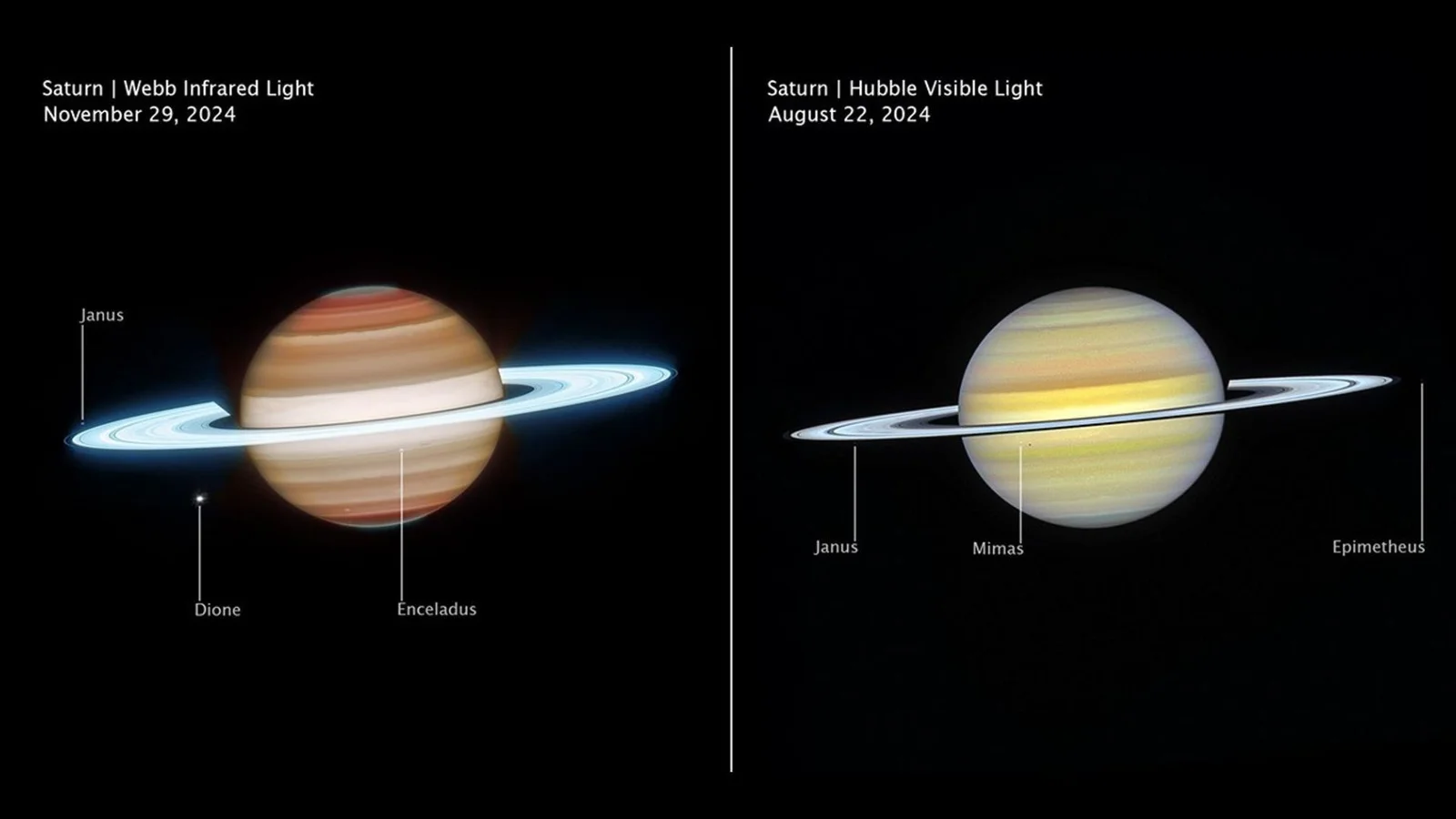
Dual Space Telescopes Unveil Multilayer Portrait of Saturn's Turbulent Atmosphere
space3 months ago

Dual Space Telescopes Unveil Multilayer Portrait of Saturn's Turbulent Atmosphere

Two decades-spanning observations from JWST (infrared) and Hubble (visible) provide the most comprehensive, height-resolved view of Saturn to date, capturing the iconic north-polar hexagon and the infrared glow of its rings while revealing how Saturn’s winds and megastorms vary with altitude. The data help scientists understand the planet’s atmospheric dynamics and evolution, with the north pole about to enter 15 years of winter darkness, limiting future high‑resolution views until the 2040s.