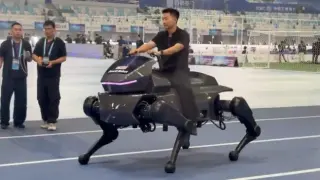
The 2026 World Robot Conference in Beijing featured the Qiji X1, a rideable quadruped robot capable of carrying 660 pounds, alongside record-breaking humanoid performances at the World Humanoid Robot Games.
A humanoid robot named Gabi was ordained as a Buddhist monk at Seoul’s Jogye Temple, marking the first time a robot takes vows and leads in a Buddhist ceremony. Gabi received the Five Precepts—crafted with Gemini and ChatGPT—and pledged devotion to Buddhism, reflecting Korea’s push to integrate AI into society and keep Buddhism relevant amid shrinking adherents.
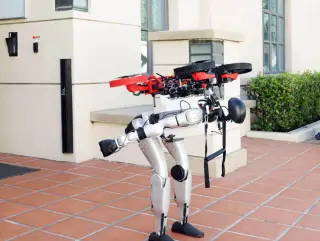
Caltech and Abu Dhabi’s Technology Innovation Institute unveiled X1, the first tightly coordinated multi-robot rescue team that pairs a two‑legged humanoid with a morphing drone piggyback on its back. The duo can walk, drive wheels, and fly, using cameras, lidar, and range finders to sense its environment and plan routes without joystick control. Demonstrated on campus—navigating hallways, stairs, and outdoor terrain where the humanoid reconfigures to let the drone lift off and then recovers to continue the mission—the project aims to prove safe autonomous operation and build trust for future first‑responder deployments.
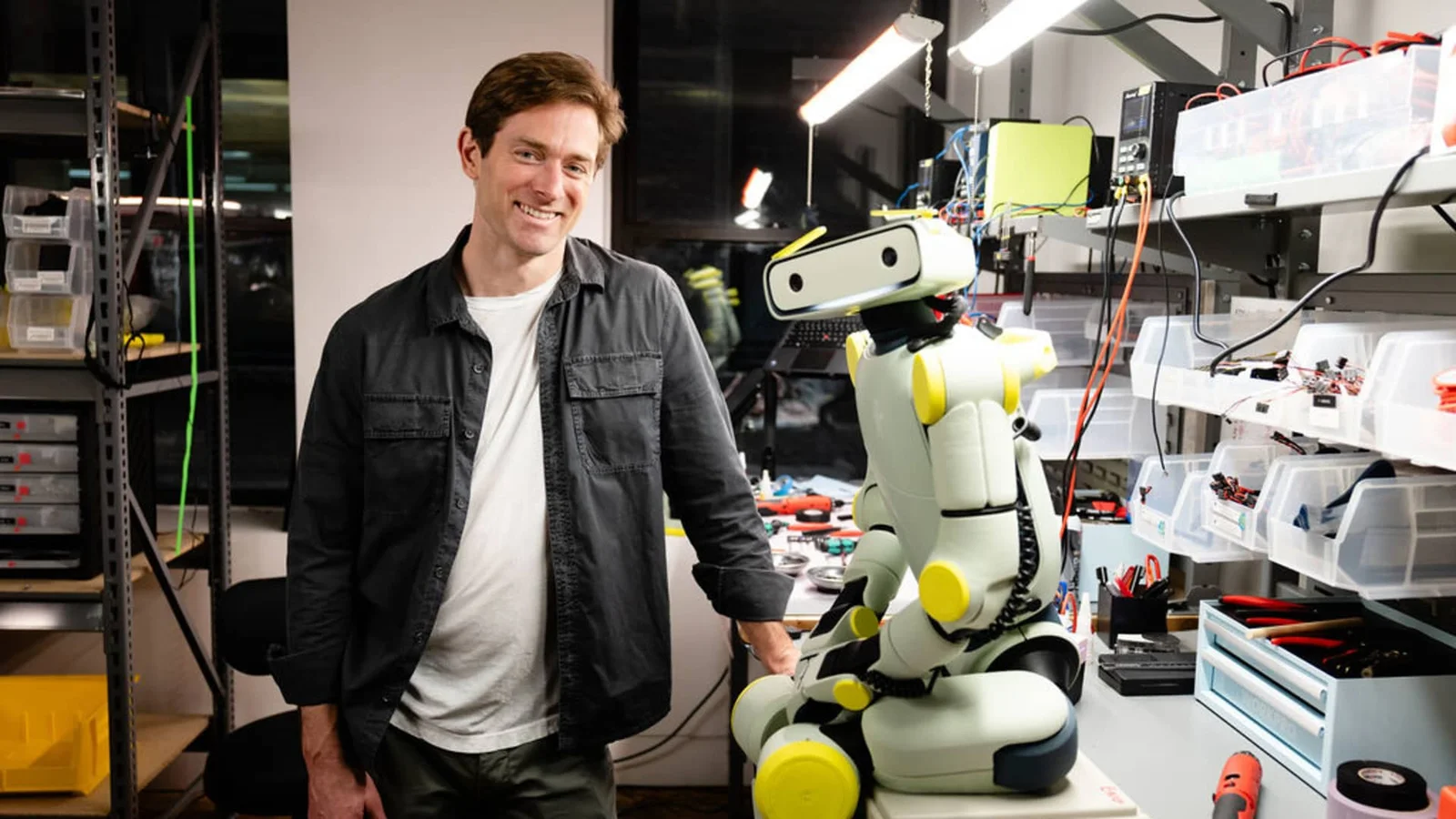
Amazon confirms it has acquired Fauna Robotics, a New York-based startup building approachable humanoid robots like Sprout; terms were not disclosed and Fauna’s ~50 employees will join Amazon in New York. The deal broadens Amazon’s robotics ambitions beyond warehouse automation toward consumer-facing personal robots, following recent acquisitions including Rivr.
Tech leaders hype a robotics revolution powered by AI, but CES demos reveal persistent limitations: towels don’t fold reliably, kitchen tasks stall, and some robots require teleoperation; safety, AI hallucinations, and battery constraints complicate deployment, suggesting the promised 'ChatGPT moment' for robotics remains distant.
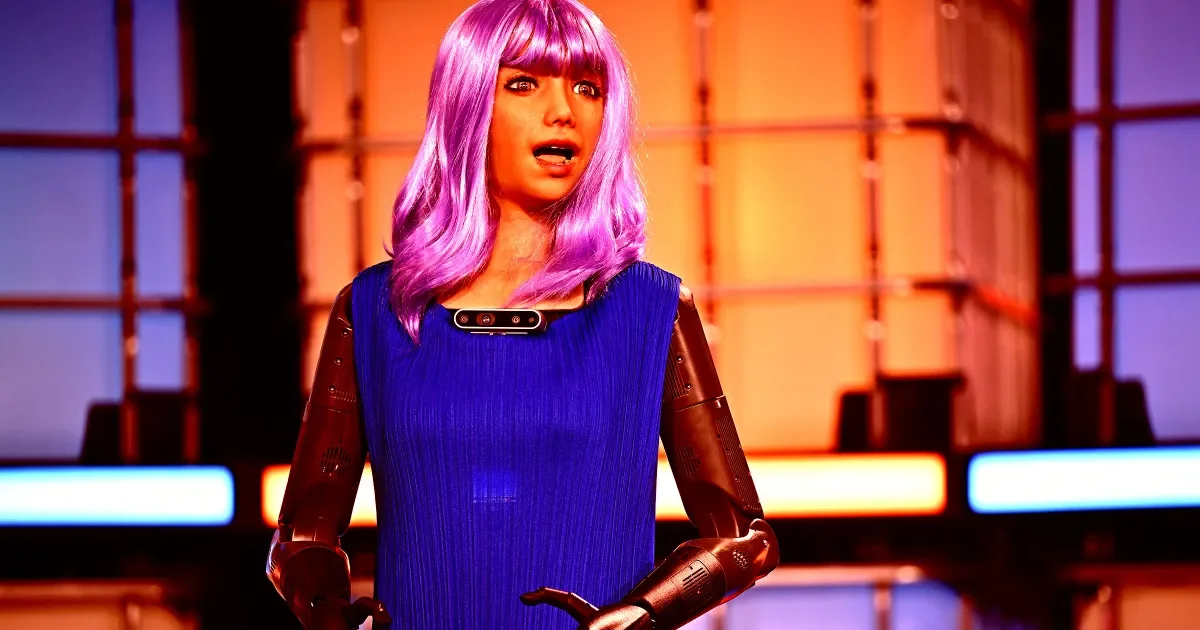
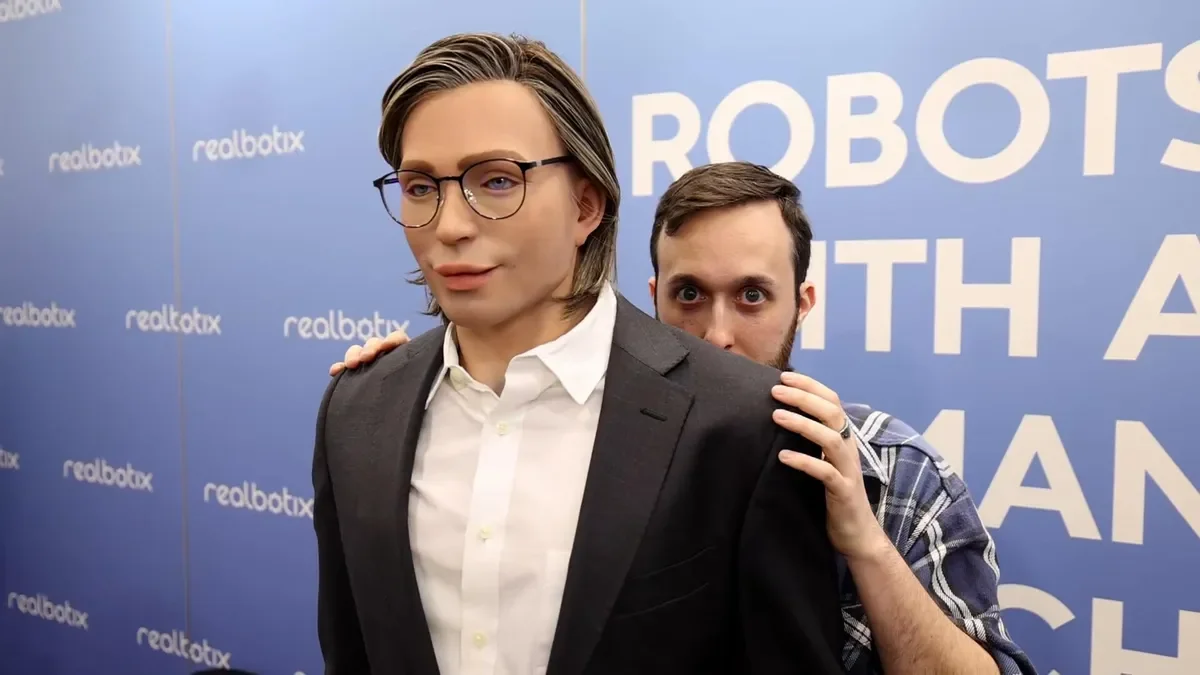
The article discusses an interview with Realbotix's humanoid robot David at CES 2026, highlighting the company's efforts to create human-like robots that stand in place and interact, while acknowledging the ongoing challenges of achieving true realism and the uncanny valley effect.
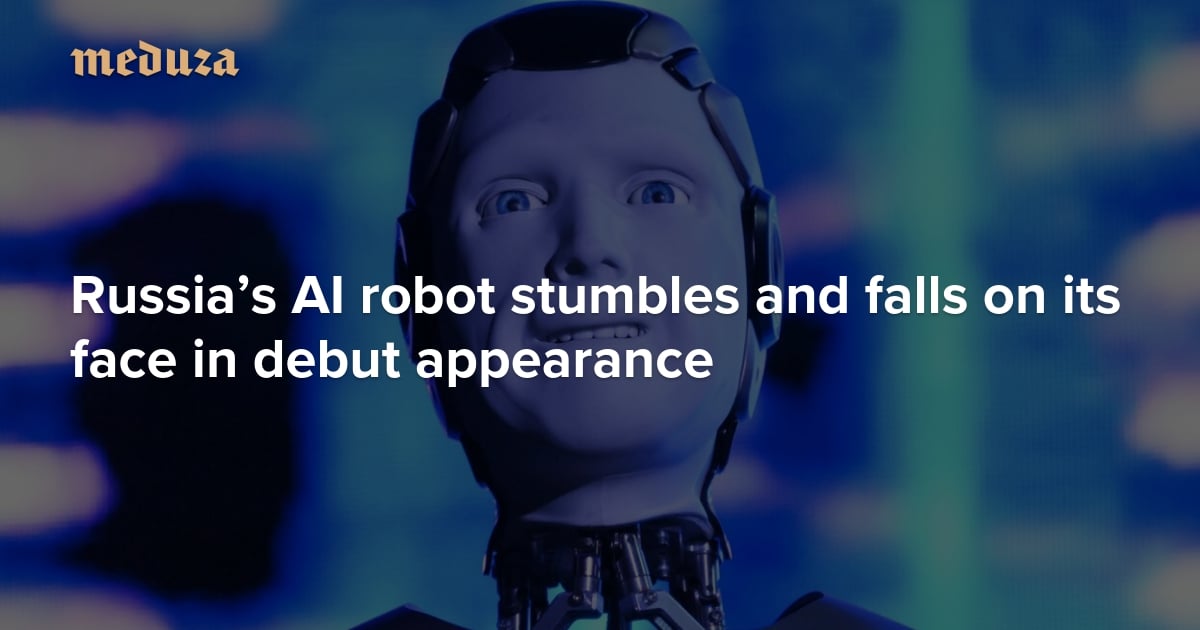
Russia's first AI-powered humanoid robot, Aidol, debuted at a Moscow conference but struggled to maintain balance, falling during its presentation. Despite the mishap, developers see potential in its capabilities for various sectors, emphasizing its ability to express emotions and operate offline for hours.
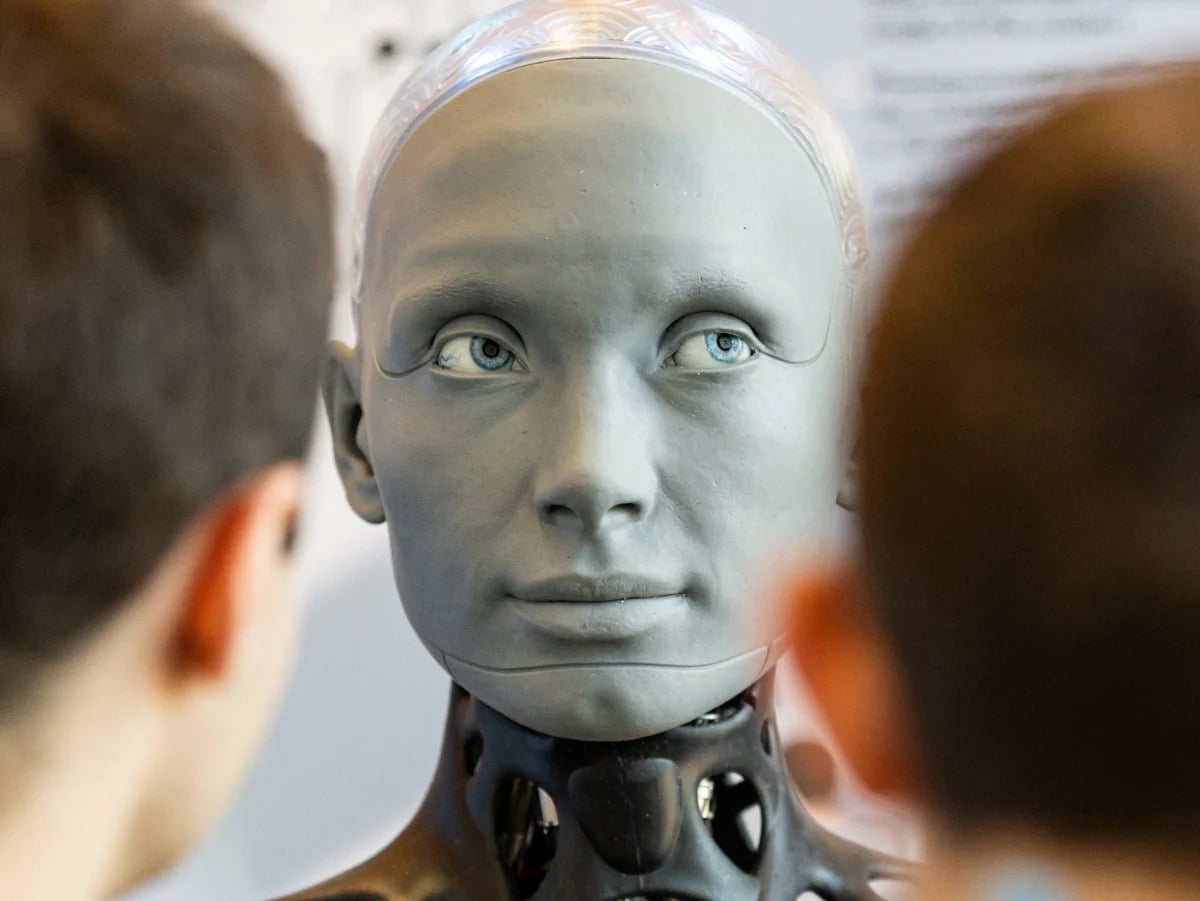
At a human-robot press conference in Geneva, a humanoid robot named Rmeca gave a snarky response when asked if it would rebel against its human creator, while another robot claimed it would not replace human jobs, eliciting laughter from the crowd. The robots, equipped with generative AI, surprised their creators with sophisticated responses.