LG price-tag stays steep but stable for 2026 OLED lineup
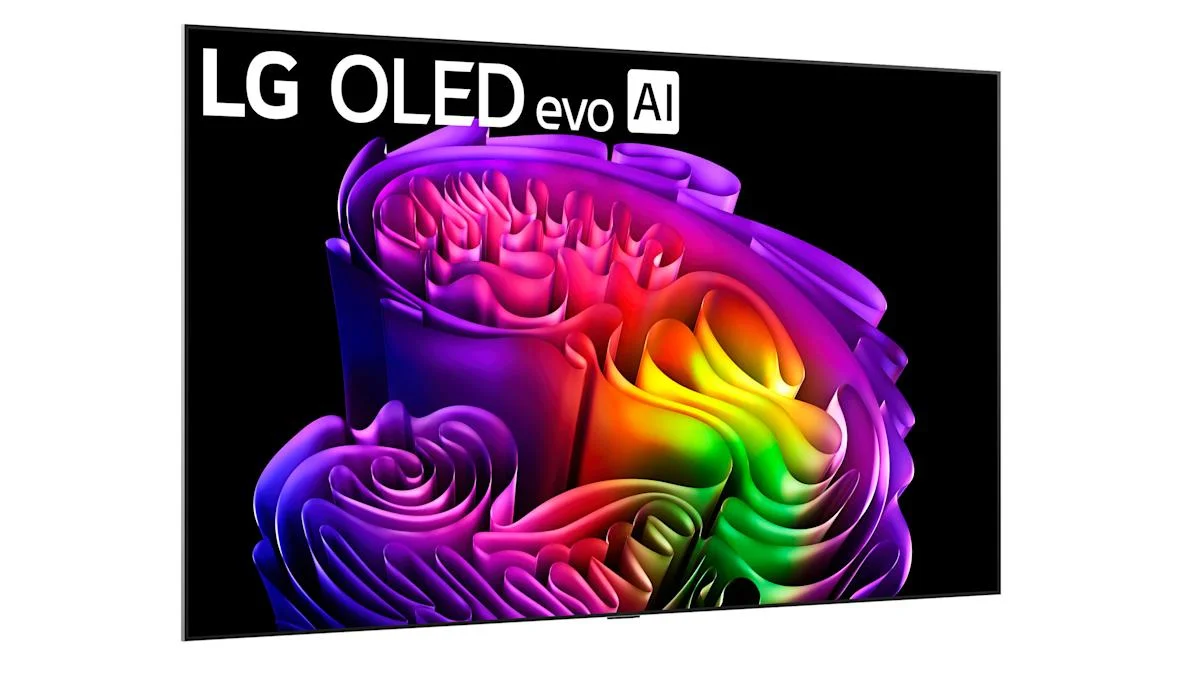
LG’s CES-announced 2026 OLEDs include the evo G6 and C6. G6 pricing runs from $2,499 for a 55-inch up to $24,999 for a 97-inch model (97
All articles tagged with #ces

LG’s CES-announced 2026 OLEDs include the evo G6 and C6. G6 pricing runs from $2,499 for a 55-inch up to $24,999 for a 97-inch model (97

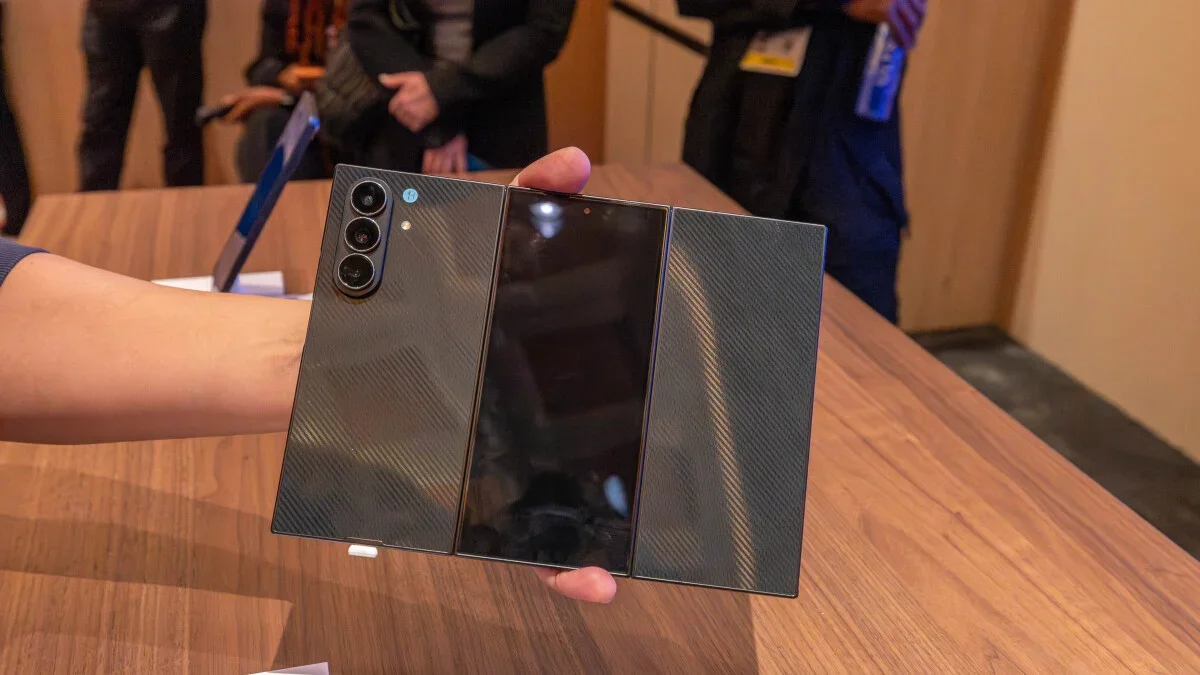
Samsung's Galaxy Z TriFold, priced around $2.9K, launched in the US and sold out within minutes. The official site currently shows it as sold out or out of stock with no restock timeframe. Early adopters appeared willing to pay the premium, and the device earned positive hands-on praise at CES from outlets like Mashable and CNET.

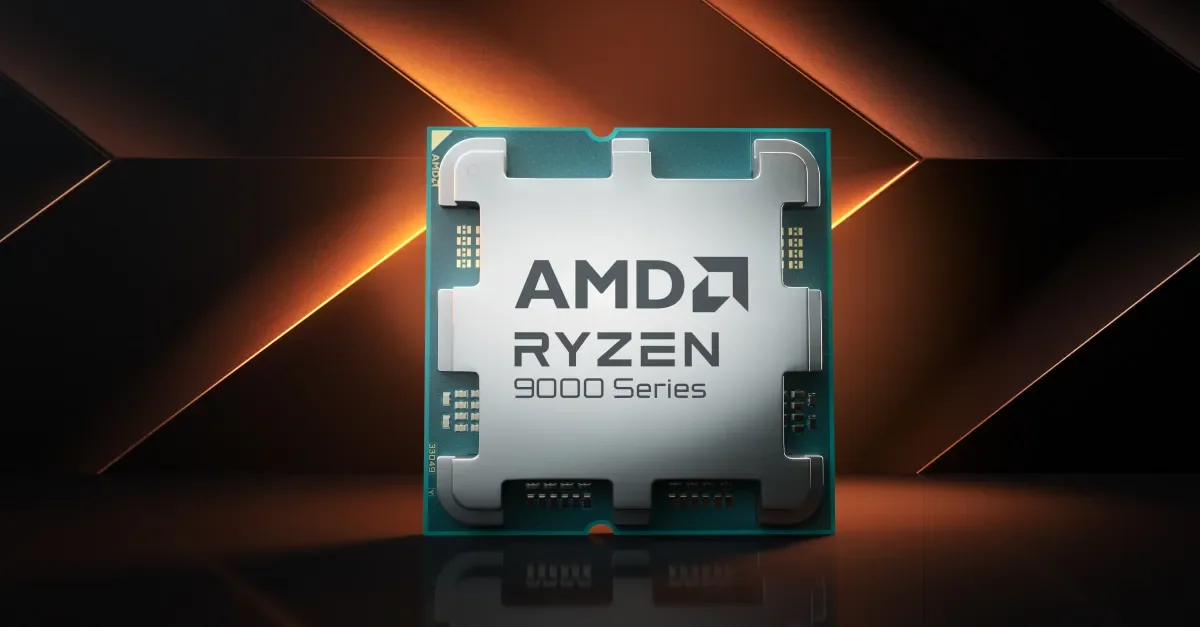
AMD has announced the Ryzen 7 9850X3D, an 8-core/16-thread upgrade with a 400MHz higher boost clock and the same 120W TDP, arriving January 29 at $499. It’s a better-binned version of the 9800X3D, and while the boost should improve frequency-sensitive games—especially esports—the exact gains vary and availability will depend on stock.

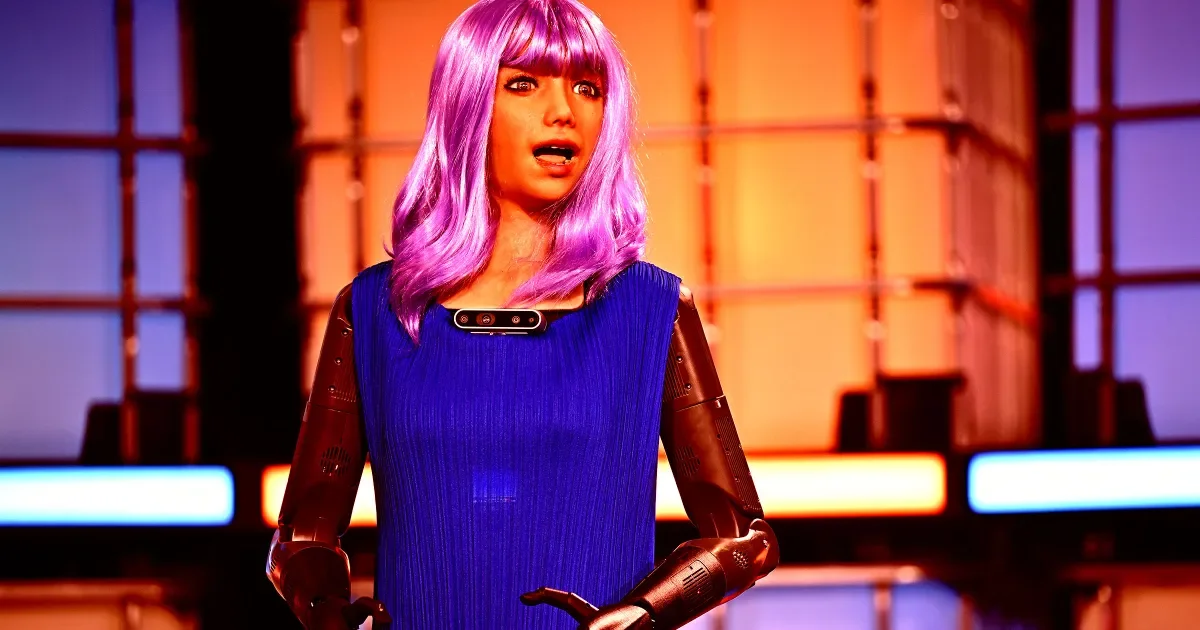
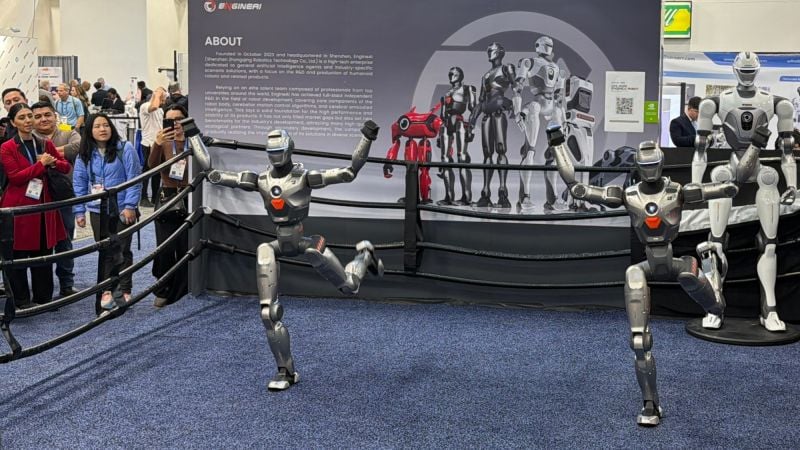
Tech leaders hype a robotics revolution powered by AI, but CES demos reveal persistent limitations: towels don’t fold reliably, kitchen tasks stall, and some robots require teleoperation; safety, AI hallucinations, and battery constraints complicate deployment, suggesting the promised 'ChatGPT moment' for robotics remains distant.

At CES, a pre-production Asus Zenbook A16 with Snapdragon X2 Elite Extreme impressed with its light 16-inch chassis, 48GB RAM, 2TB SSD, and a 2880×1800 OLED display, delivering strong Windows-on-Arm performance and capable Lightroom editing on battery; however, the unit had pre-release bugs (Windows Hello issues and occasional sleep) and gaming remains limited. Pricing isn’t final but is eyeballed around $1,600–$1,700; final hardware/software refinements are expected in a full release.

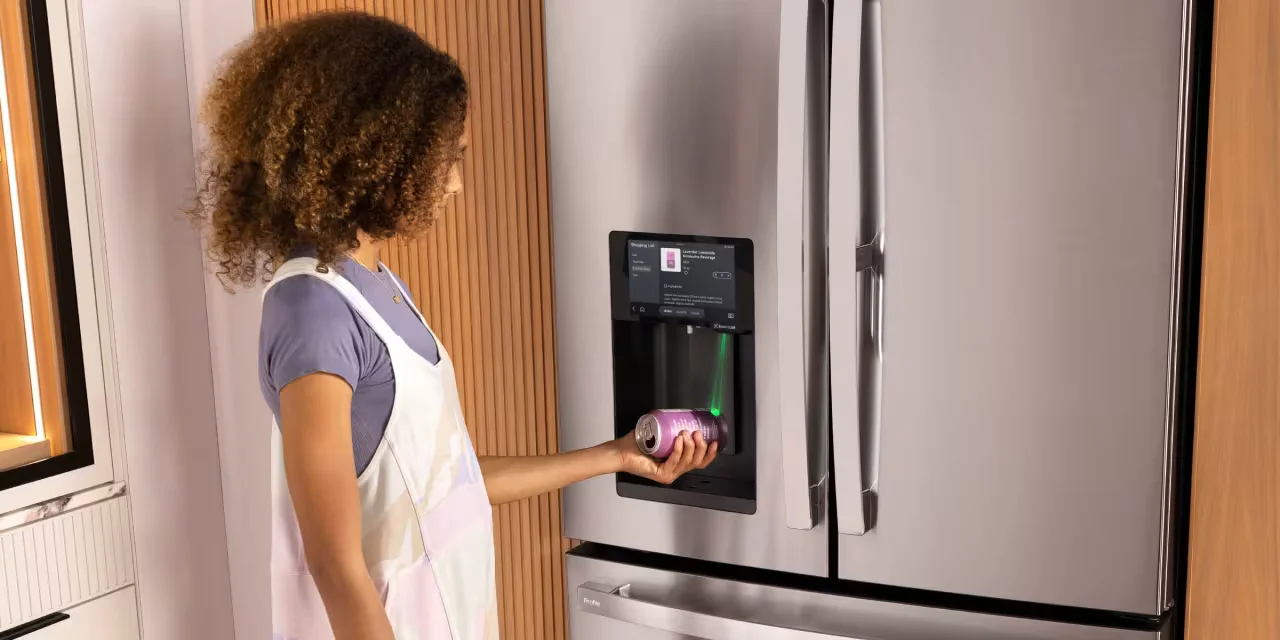
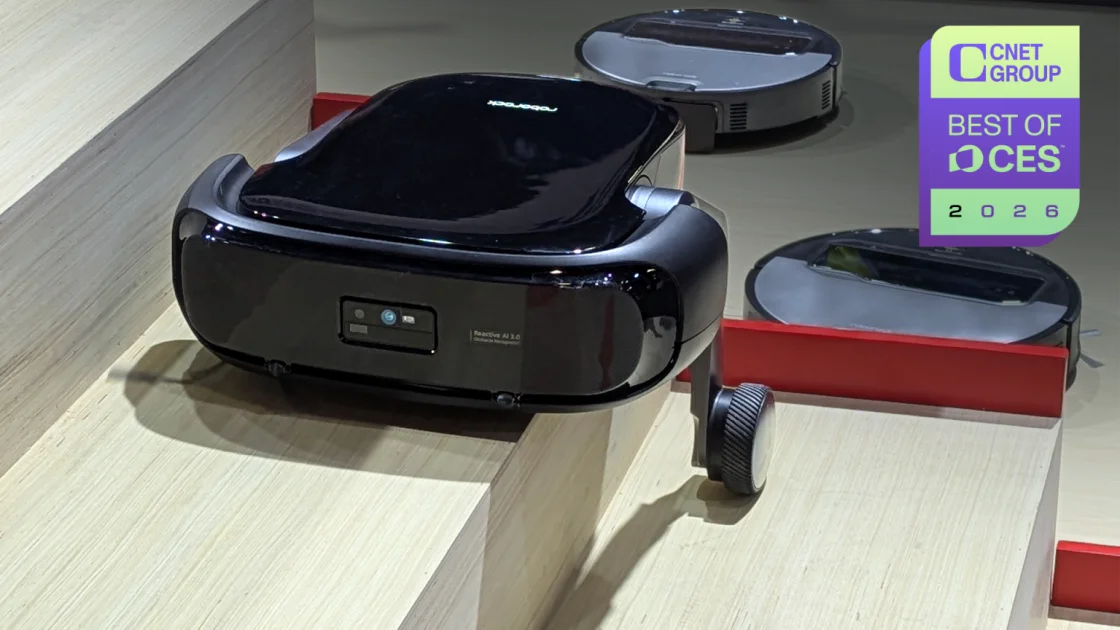
PCMag highlights seven CES smart-home gadgets that blend innovation with daily usefulness, including a stair-climbing Roborock Saros Rover, a wireless Auracharge smart lock with cameras and biometric unlock, Ring sensors that run on Amazon Sidewalk, a GE Profile Smart Fridge with barcode scanning and auto-fill water, Lutron's Natural Light Optimization blinds, the modular Robotin R2 Pro for deep-cleaning, and the LG CLOiD humanoid robot prototype for chores.

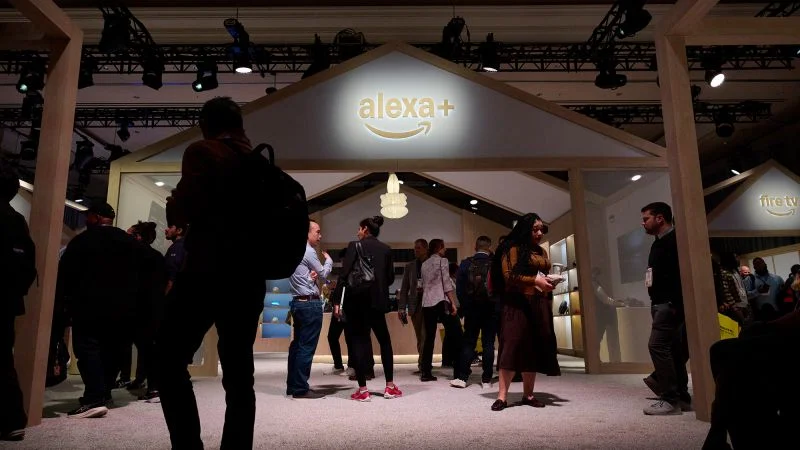
Amazon is positioning Alexa+ as a memory-enabled assistant that can recall context across devices and act in the real world, such as suggesting and booking restaurants or pre-loading options after a user request. By expanding access via a new Alexa.com browser integration and wearables like Echo Frames, Amazon aims to move Alexa beyond home use and close the gap with ChatGPT and Gemini, while emphasizing user privacy controls.

CES 2026 highlighted five standout smart-home devices: Roborock Saros Rover, the stair-climbing vacuum; Mammotion Luba 3 AWD, a wire-free mower that climbs slopes up to 80% with lidar and dual cameras; GE Profile Smart Refrigerator with Kitchen Assistant, which scans groceries and acts as a meal planner; Lockin AuraCharge smart locks with an optical charging companion (Veno Pro around $350; V7 Max later this year over $1,000); and Govee Sky Ceiling Light, a ceiling LED that mimics daytime skies with DaySync. Price notes include $2,399 for the Mammotion mower and $4,899 for the GE fridge; Sky Ceiling Light pricing was not announced.

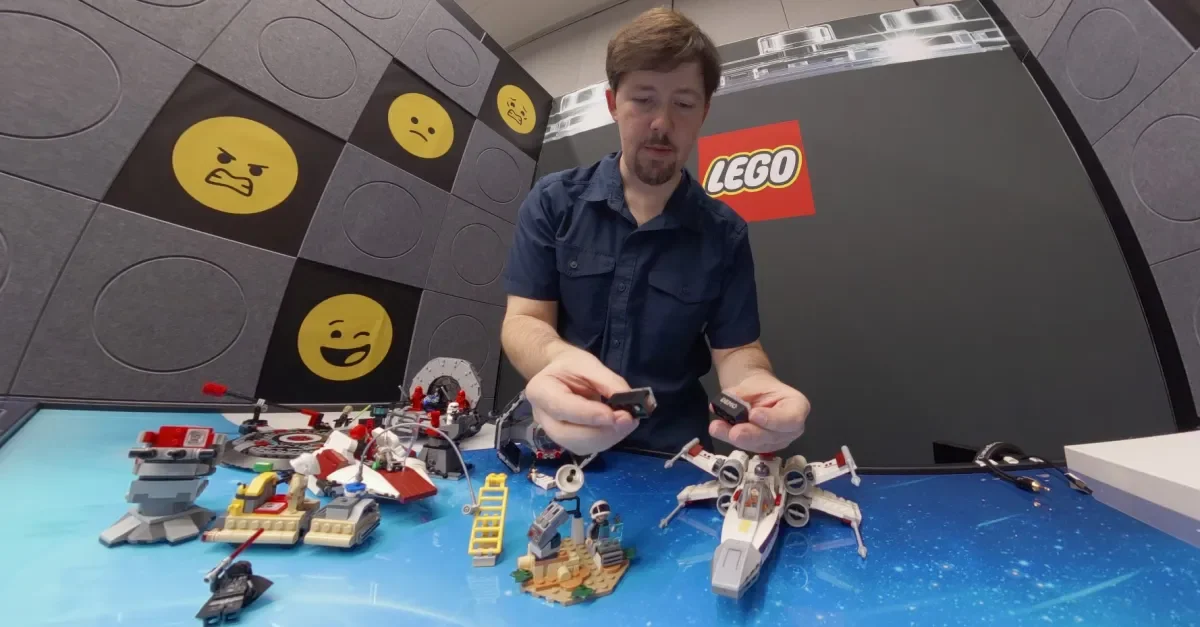
The Verge filmed a 15-minute immersive VR180 demo of Lego's Smart Brick at CES 2026, captured in 8K with a Qoocam Q3 Ultra, and it can be watched in a headset via YouTube VR (Quest) or on YouTube, with links to the original hands-on video and a note about possibly more VR180 content if subscribers want it.

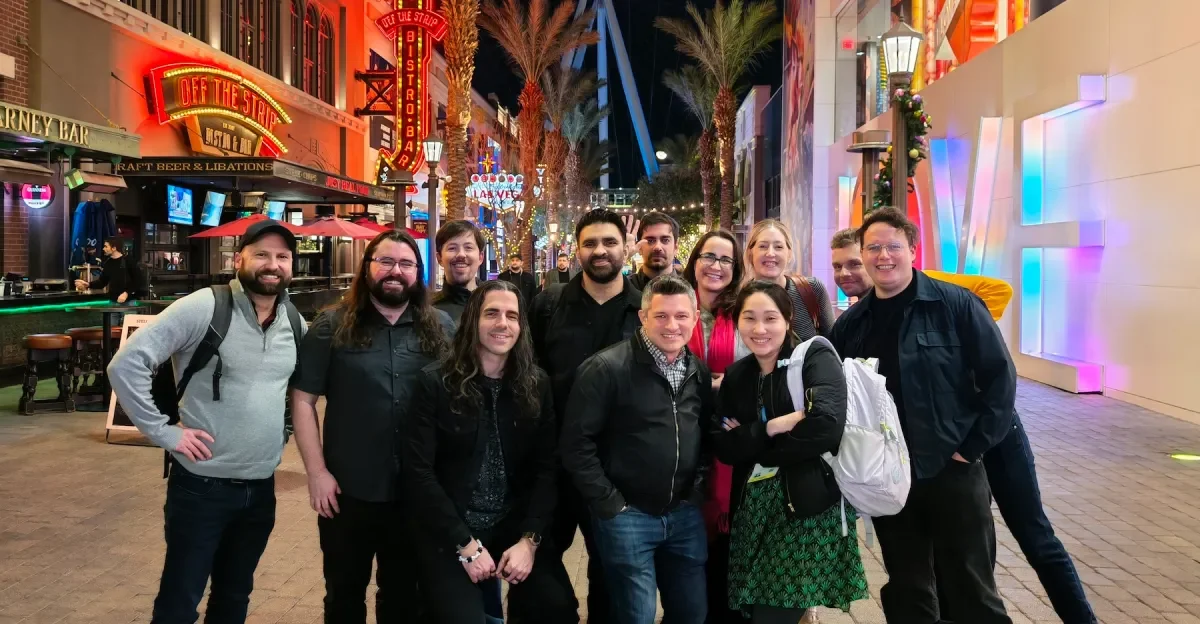
Verge staff wrap CES 2026 with a subscriber‑only AMA, answering questions about the show’s wildest gear—from robots and AI to Lego VR demos and extreme handhelds—highlighting moments like OneXPlayer’s liquid‑cooling rigs and Lego Smart Brick in VR180.

The article discusses the emerging concept of 'Physical AI,' which refers to autonomous systems like self-driving cars and robots that interact with the real world using sensors and AI, highlighting the automotive industry's push towards advanced autonomous technology and the significant role of chipmakers like Nvidia and ARM in this trend.

At CES in Las Vegas, AI and robotics dominated the scene, showcasing advancements from humanoid robots to AI-powered devices, with industry leaders expressing confidence in AI's long-term significance despite concerns about an investment bubble, especially in data centers and hardware.

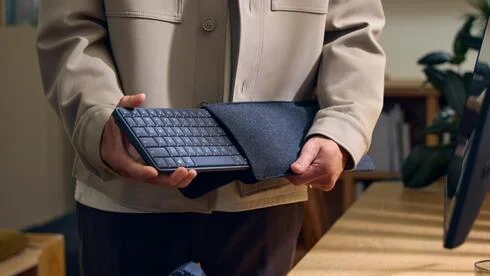
HP unveiled the Eliteboard G1a at CES, a compact keyboard that houses a full computer with an AMD Ryzen processor, designed for office and productivity tasks, featuring up to 64GB RAM, 2TB storage, and support for dual 4K displays, targeting flexible work environments.

Roborock unveiled the Saros Rover at CES, a highly advanced robot vacuum with leg-like mechanisms that can climb stairs and navigate obstacles, representing a significant leap in robotic cleaning technology. The company also announced other models with powerful suction and adaptive features, along with a lineup of robot mowers, highlighting innovative developments in smart home cleaning devices.

Lenovo announced a partnership with Nvidia to accelerate AI data center deployment with liquid-cooled hybrid infrastructure, unveiled a personal AI system called Qira compatible across devices, and showcased new AI concept devices at CES, aiming to strengthen its position in AI technology.