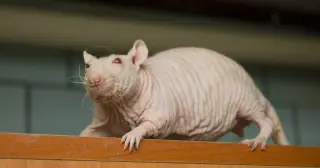
A mole-rat longevity gene extends lifespan and boosts cancer resistance in mice
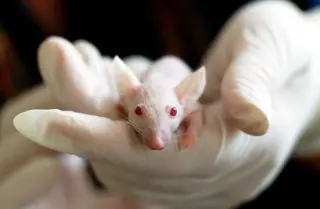
Engineered mice carrying the naked mole rat Has2 gene overproduced high‑molecular‑mass hyaluronan, modestly extending median lifespan (~4.4%), reducing inflammation, improving gut barrier, and increasing resistance to tumours—demonstrating a transferable longevity mechanism rather than a universal therapy.