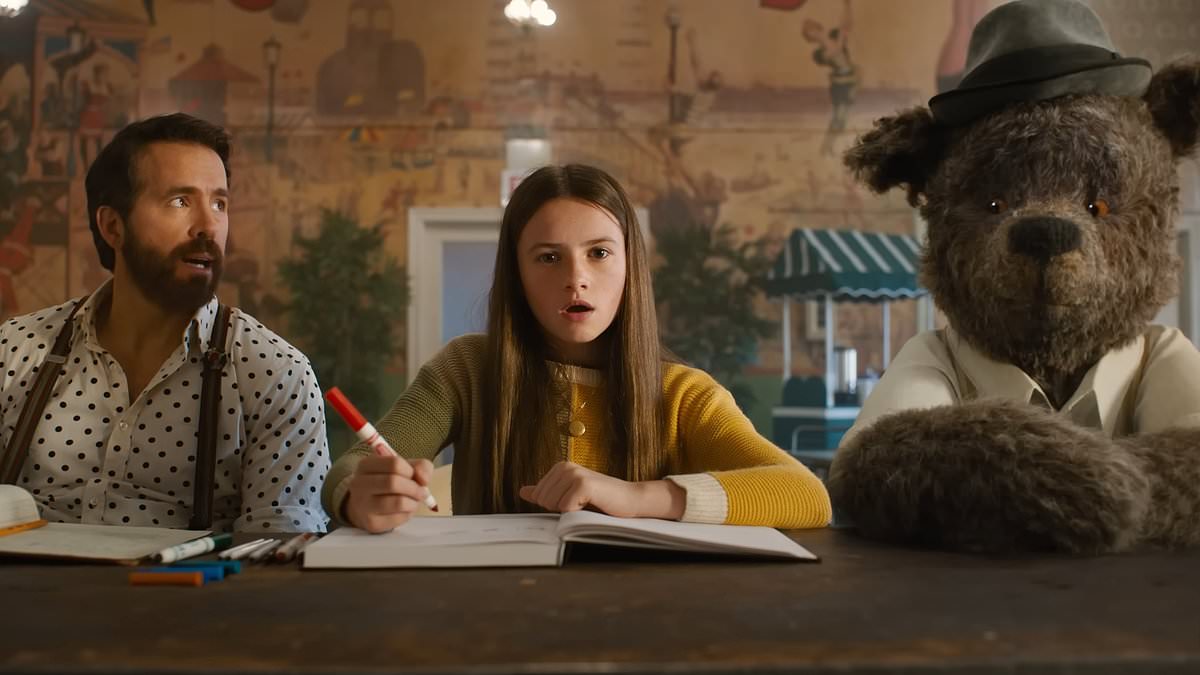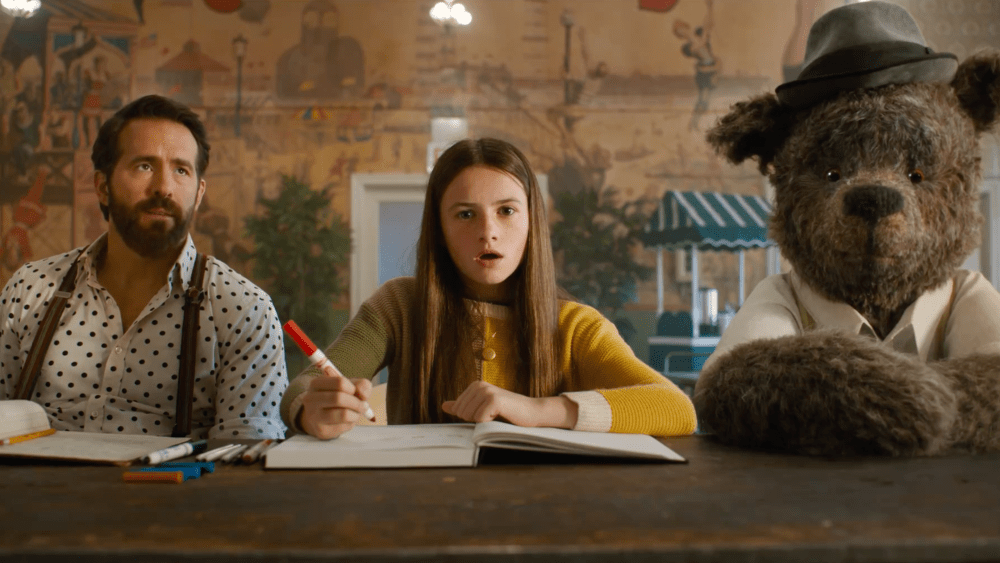
Research links childhood imaginary companions to lasting empathy and adult resilience
New research indicates that imaginary friends are not signs of loneliness but tools for social practice. By age seven, two-thirds of children have created such companions, which enhance creativity and theory of mind. These benefits persist into adulthood, where imaginary friends help individuals rehearse difficult professional scenarios and manage stress, with nearly 30% of adults reporting creating them for the first time in later life.