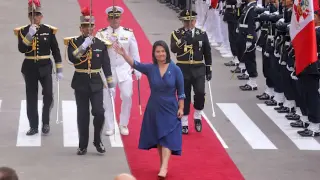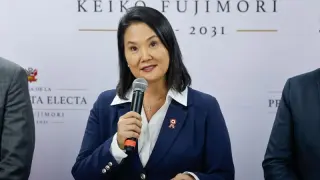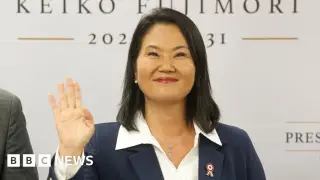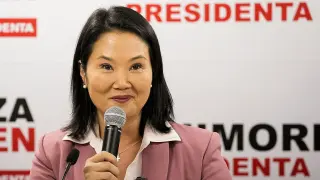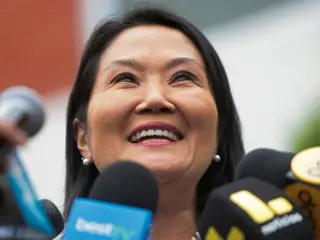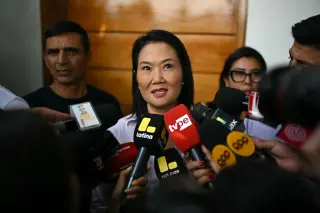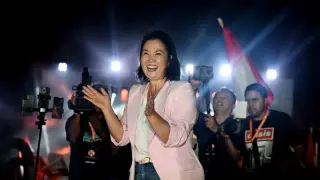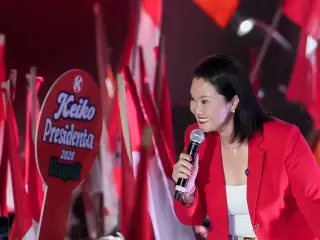
Peru’s conservative Keiko Fujimori has been declared the winner of the presidential runoff, edging leftist Roberto Sánchez by about 49,600 votes (50.13% to 49.86%). The final tally, after weeks of counting, sets Fujimori to be sworn in on July 28 for a five-year term, as Sánchez questions overseas ballots but election authorities found no inconsistencies in the count.
Peru’s electoral court certified Keiko Fujimori as the winner of the June 7 runoff against Roberto Sánchez, 50.135% to 49.865%, a margin of under 50,000 votes; Sánchez has alleged irregularities and appealed; Fujimori vows a crackdown on organised crime, private investment, and will be sworn in July 28 as Peru’s ninth president in a decade.
Peru’s National Elections Jury declared Keiko Fujimori the winner of the presidential runoff with about 50.14% of the vote to Roberto Sánchez’s 49.87%. Fujimori, 51, will take office later this month, pledging a firm stance on crime and a transition plan amid concerns about rising violence; the Trump administration welcomed the outcome and signaled deeper security and trade cooperation with Peru.
Peru’s National Jury of Elections officially declared Keiko Fujimori the winner of the presidential runoff against Roberto Sanchez by a razor-thin margin, helped by overseas ballots. Fujimori pledges to unite a country facing political turmoil and will assume office in late July, while Sanchez alleges irregularities but has offered no proof; impeachment prospects will hinge on Peru’s reconstituted Senate and political dynamics.
Keiko Fujimori narrowly defeated leftist Roberto Sánchez in Peru's presidential runoff, winning by fewer than 50,000 votes as ballots were reviewed and the final tally awaits official certification on July 3. She will take office on July 28 for a five-year term, promising to restore 'order and hope' amid rising crime and political instability, while navigating the controversial Fujimori family legacy.
Keiko Fujimori won Peru’s presidency by a razor-thin margin, pledging market-friendly, technocratic governance while facing a polarized legislature and scrutiny over her party’s tactics and potential autocratic tendencies; she must govern inclusively amid regional inequality, institutional fragility, and looming El Niño challenges.
Keiko Fujimori—who was Peru’s first lady at 19 during her father Alberto Fujimori’s presidency—is running for a fourth time in a runoff against leftist Roberto Sánchez, with some polls showing her ahead by a slim margin. The race comes amid Peru’s decade-long political volatility (eight presidents in ten years) and lingering scrutiny of Fujimori’s Fuerza Popular, including past corruption investigations now declared null in 2025. Proponents argue she offers a calmer, pro‑market agenda aimed at restoring investor confidence, while critics link her to her family’s contentious legacy as Peru strives for stability.
In her fourth bid for the Peruvian presidency, Keiko Fujimori leads Fuerza Popular as she tries to translate decades of influence and her father Alberto Fujimori's legacy into a win. She faces hurdles including past corruption inquiries, pre-trial detentions that were dismissed, and skepticism about her commitment to democracy. With a campaign built on restoring stability amid rising crime and economic worries, she has solidified the right-wing base while opponents label her as a remnant of impunity. The first-round performance exceeded expectations, but a neck‑and‑neck runoff with leftist Roberto Sánchez has emerged as the likely verdict, with debates over constitutional reforms and market-oriented economics shaping voters' choices. If she wins, analysts say her party's power could govern through a full term, but experts warn the Fujimori name still shadows Peru's democratic future.
Peru kicks off a record-sized presidential race amid a decade of upheaval that has seen nine presidents and widespread corruption probes, with about 35 candidates vying for a run-off and Keiko Fujimori among the front-runners; many voters remain undecided and skeptical, while analysts warn the outcome could intensify a power struggle with a Congress that is gaining influence as Peru prepares to reintroduce a Senate.
Peru’s presidential race features 35 candidates, but Rafael Lopez Aliaga, once the frontrunner with a pro‑Trump stance, has slipped to about 7% and is unlikely to reach a June runoff, as Keiko Fujimori leads in polls. Analysts say Trump’s endorsement is not decisive for most Peruvians, who remain focused on domestic issues and distrust the US more than China, making Aliaga’s late alignment with Trump a potential risk rather than a boost in this highly unpredictable contest.