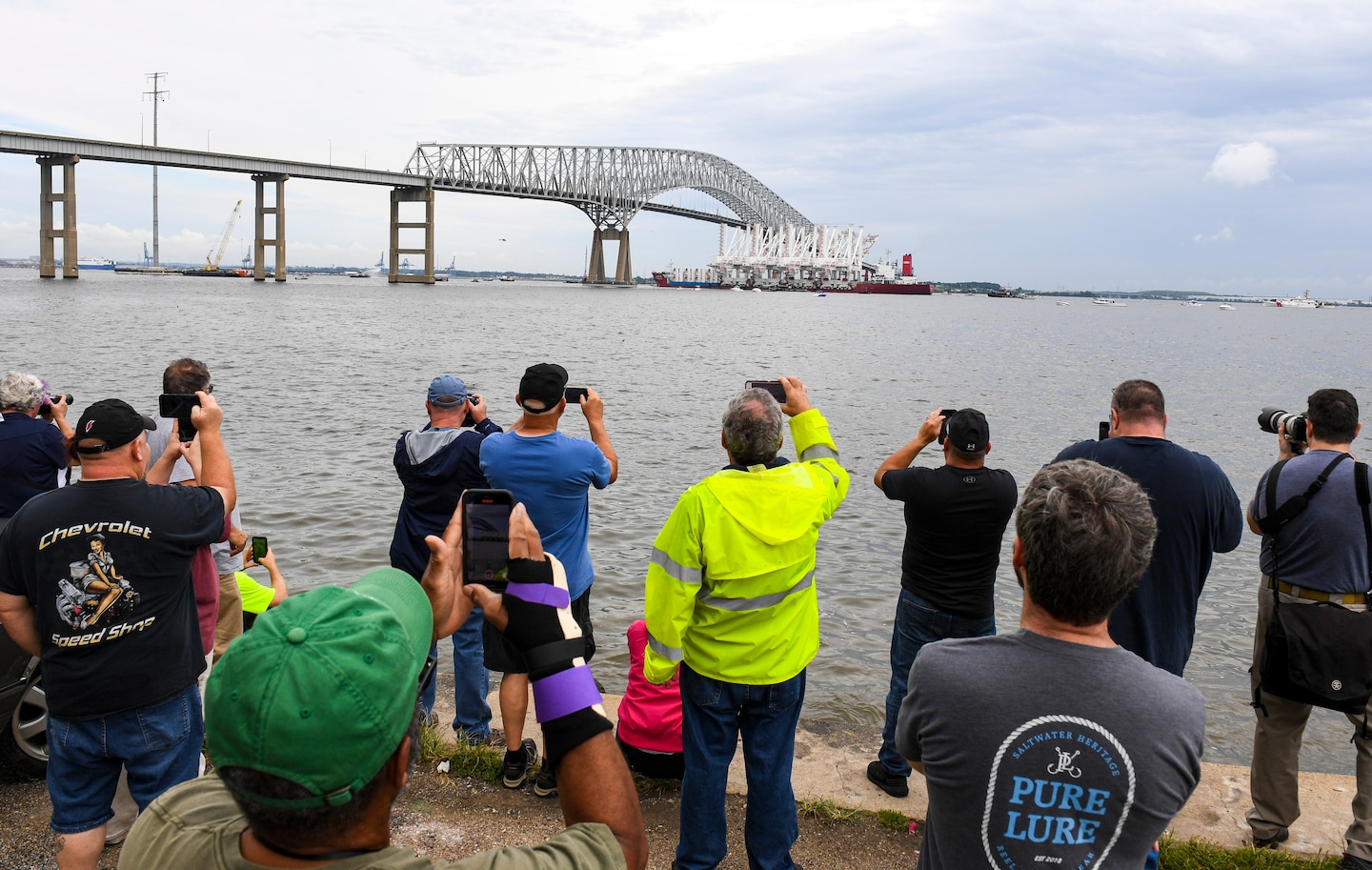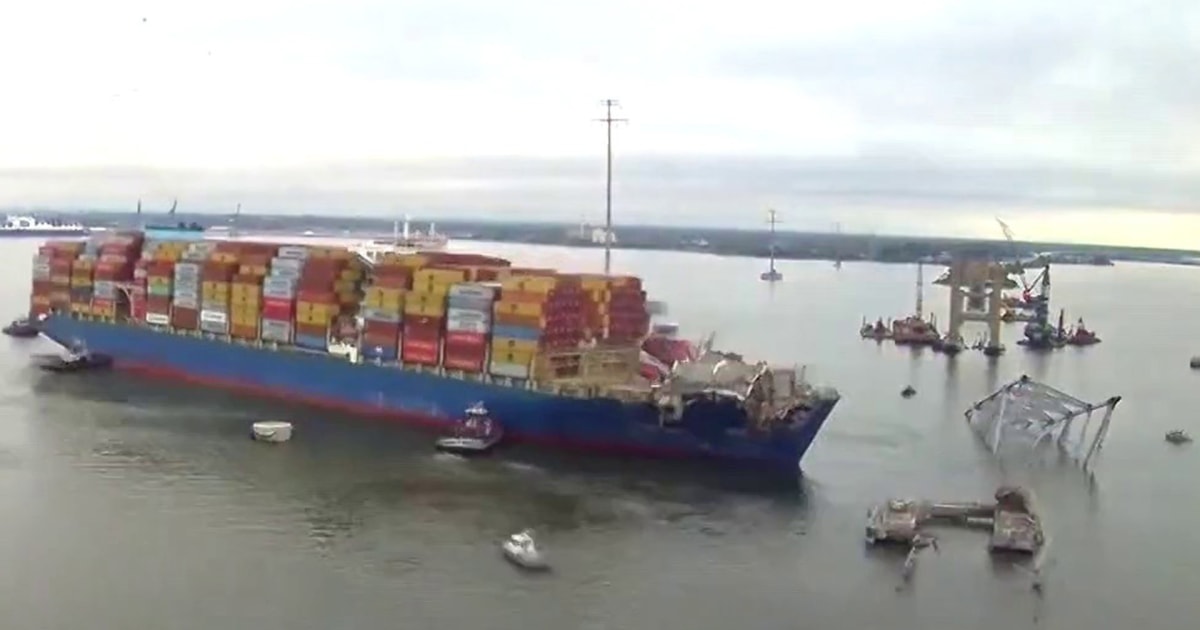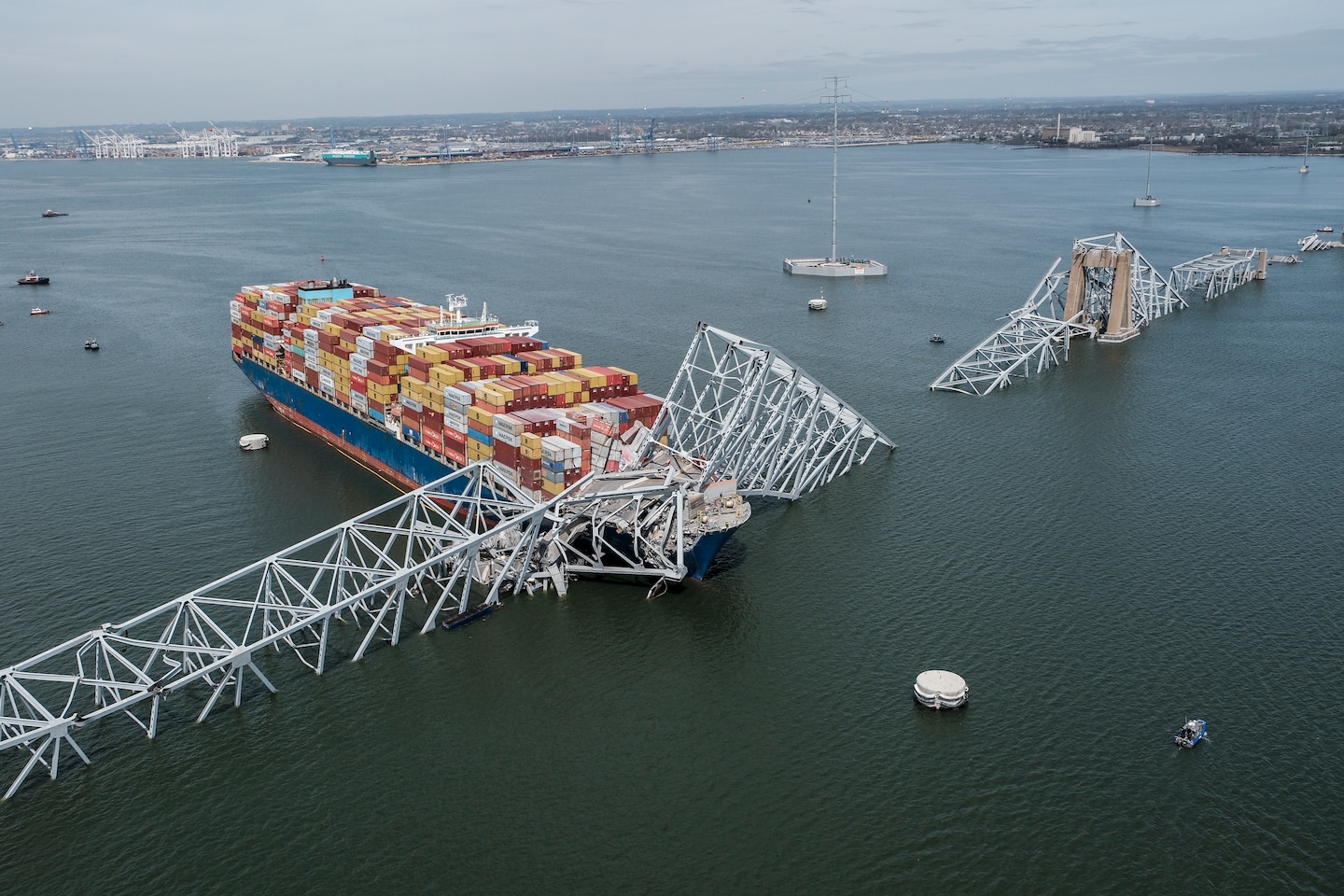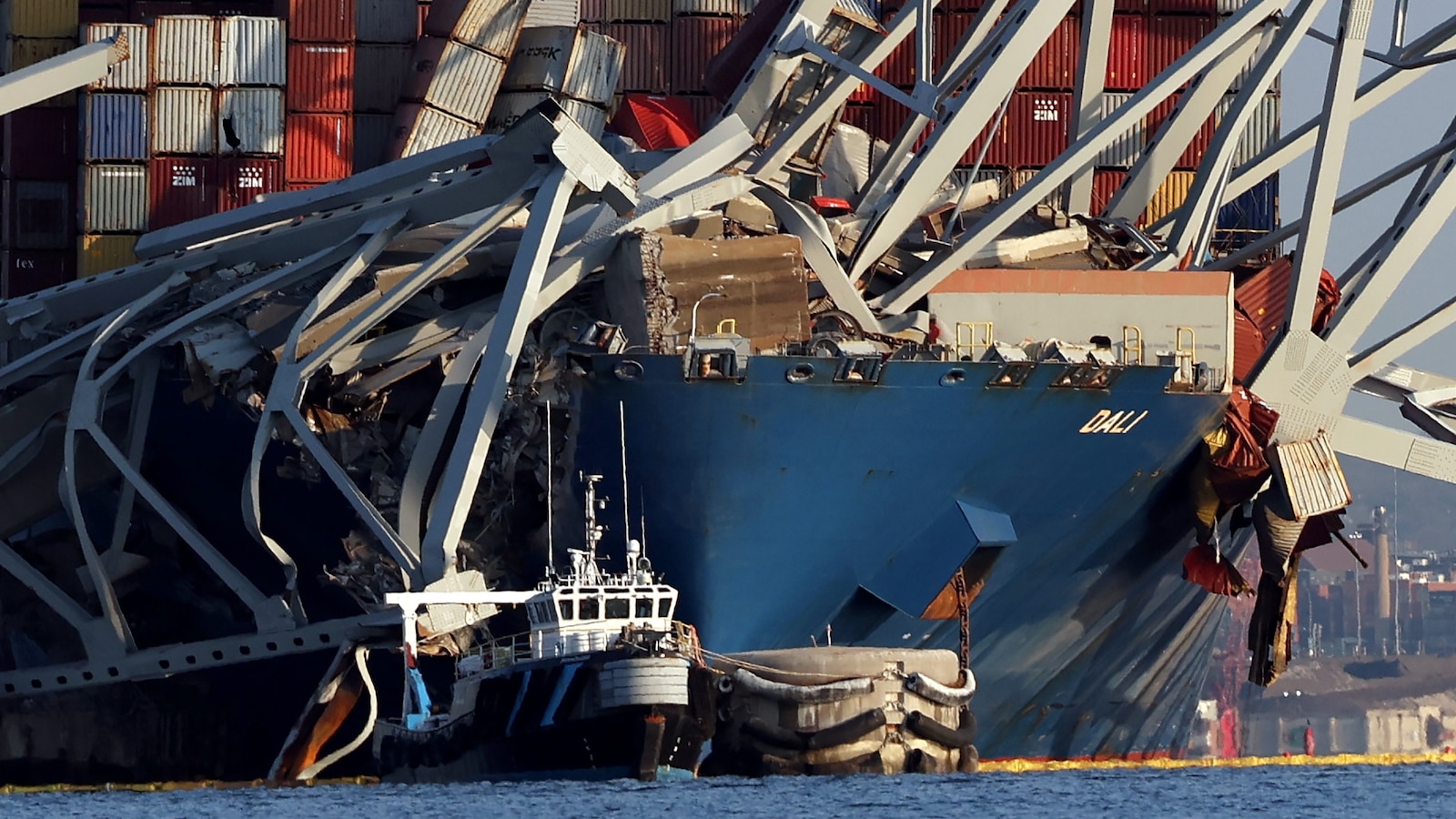
Maryland reached a settlement with the owner and operator of the container ship Dali over claims related to the 2024 collision that damaged the Francis Scott Key Bridge in Baltimore; terms of the agreement were not disclosed.
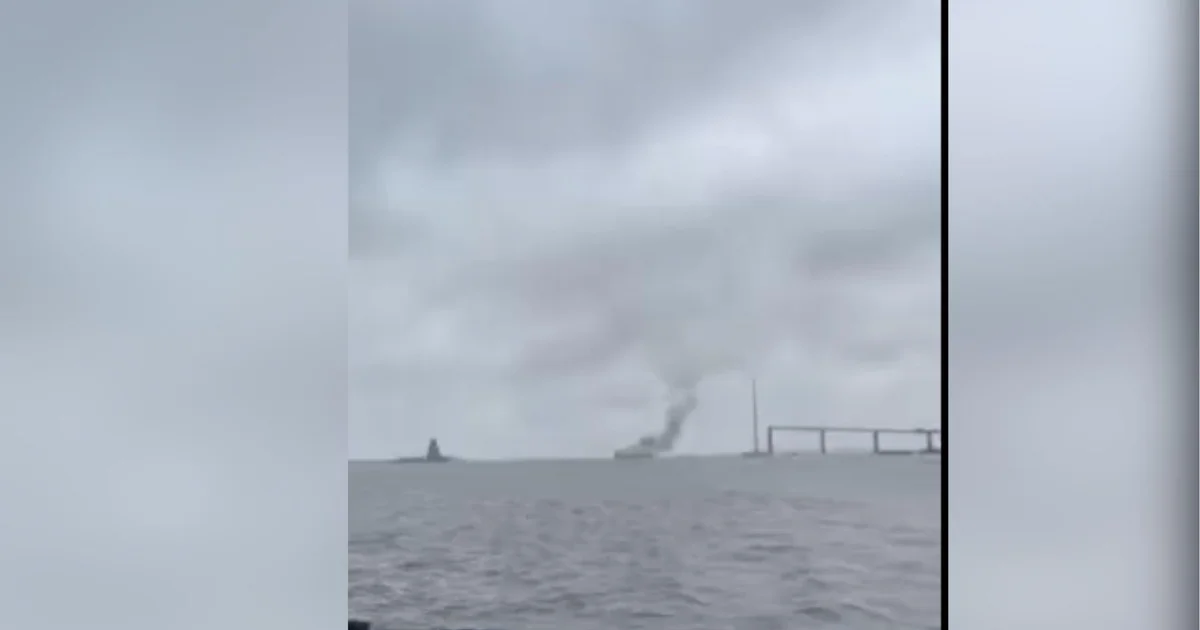
A cargo ship hauling coal, the W-Sapphire, caught fire and exploded near Baltimore's Key Bridge, prompting a Coast Guard response. The fire has been contained, and the ship was assisted back to port with no injuries reported. Witnesses described hearing a loud explosion and seeing a plume of smoke, with the incident occurring near the site of the recent Key Bridge collapse. The cause of the explosion is unknown, and authorities are investigating.
Maryland officials are seeking private industry proposals to design and build a replacement for the Key Bridge by October 2028, following its collapse due to a cargo ship accident. The new bridge must be visually attractive, minimize piers in the Patapsco River, and include advanced vessel collision protection. The project, estimated to cost $1.7 to $1.9 billion, aims to alleviate local commute congestion and support the regional economy. Federal funding and bipartisan cooperation are crucial for the project's success.
A cruise ship has departed from the Baltimore port for the first time since the collapse of the Key Bridge, marking a significant milestone in the port's recovery and resumption of operations.
Years before a cargo ship struck Baltimore’s Francis Scott Key Bridge, mariners had warned that the bridge was vulnerable to ship collisions, predicting potential power losses and out-of-control vessels causing a bridge collapse.
The body of Carlos Daniel Hernández, a construction worker killed in the Key Bridge collapse, was recovered from the Patapsco River, making him the fourth victim to be found. Maryland officials are prioritizing the return of the victims' bodies and seeking federal funding to rebuild the bridge. Mexican officials are providing support to Hernández's family and other Mexican nationals affected by the tragedy. Lawmakers are working on legislation to cover the full cost of rebuilding the bridge, while the FBI has opened a criminal investigation into the crash.
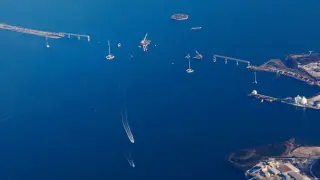
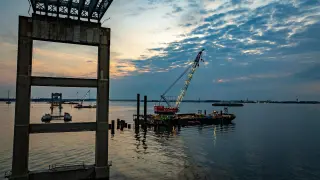
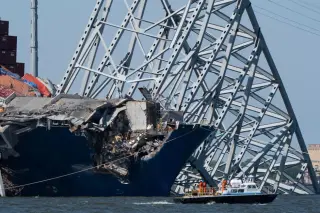
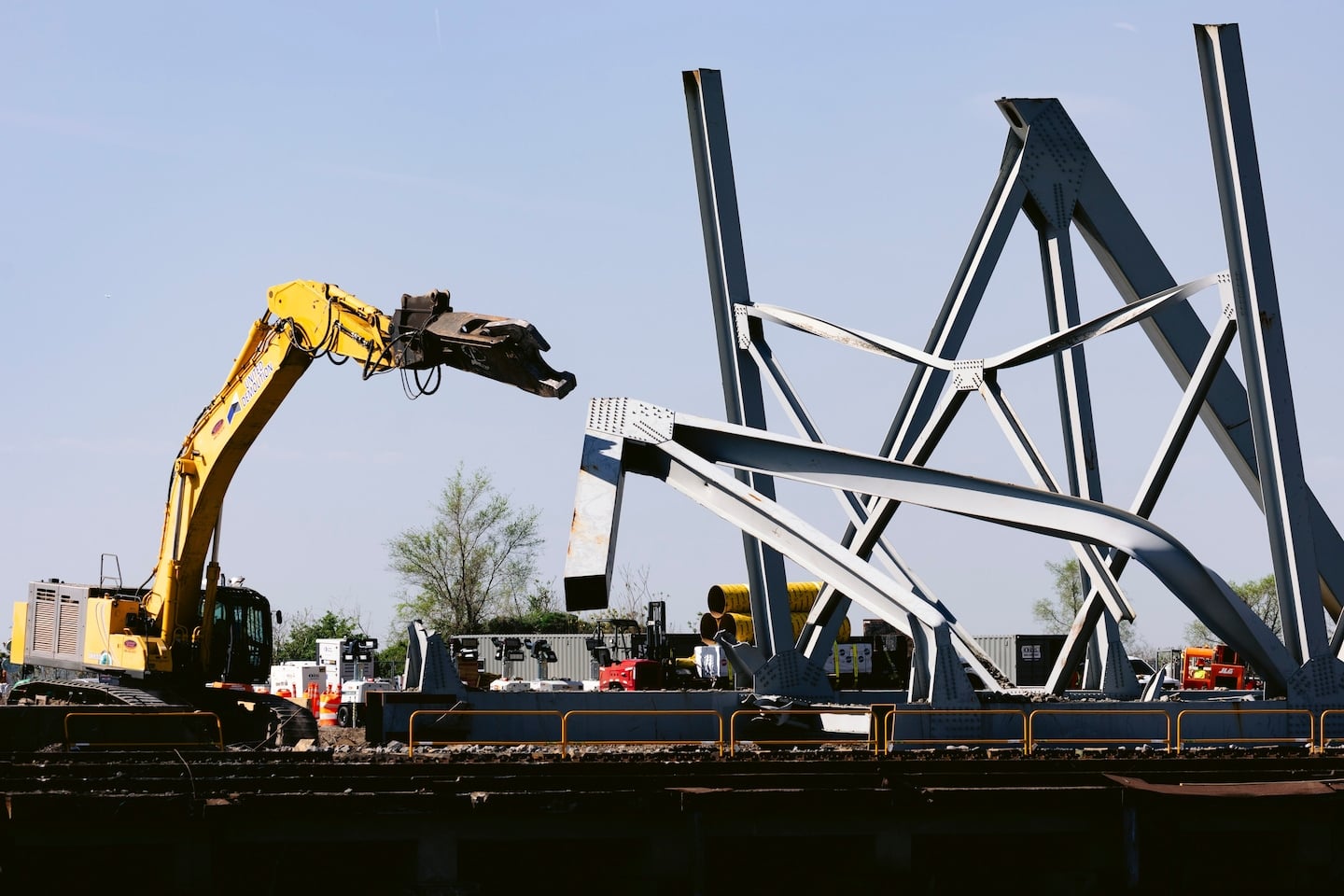
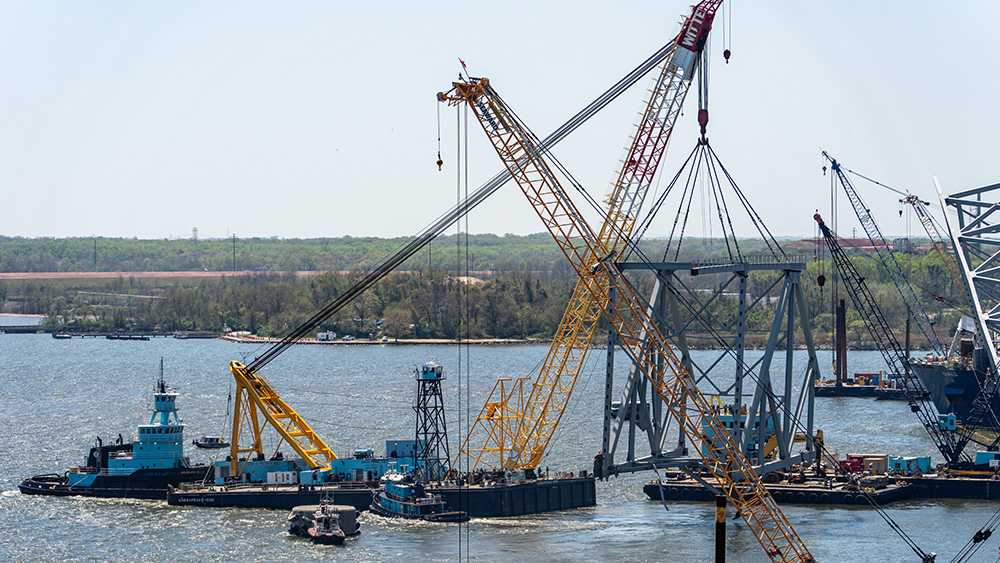
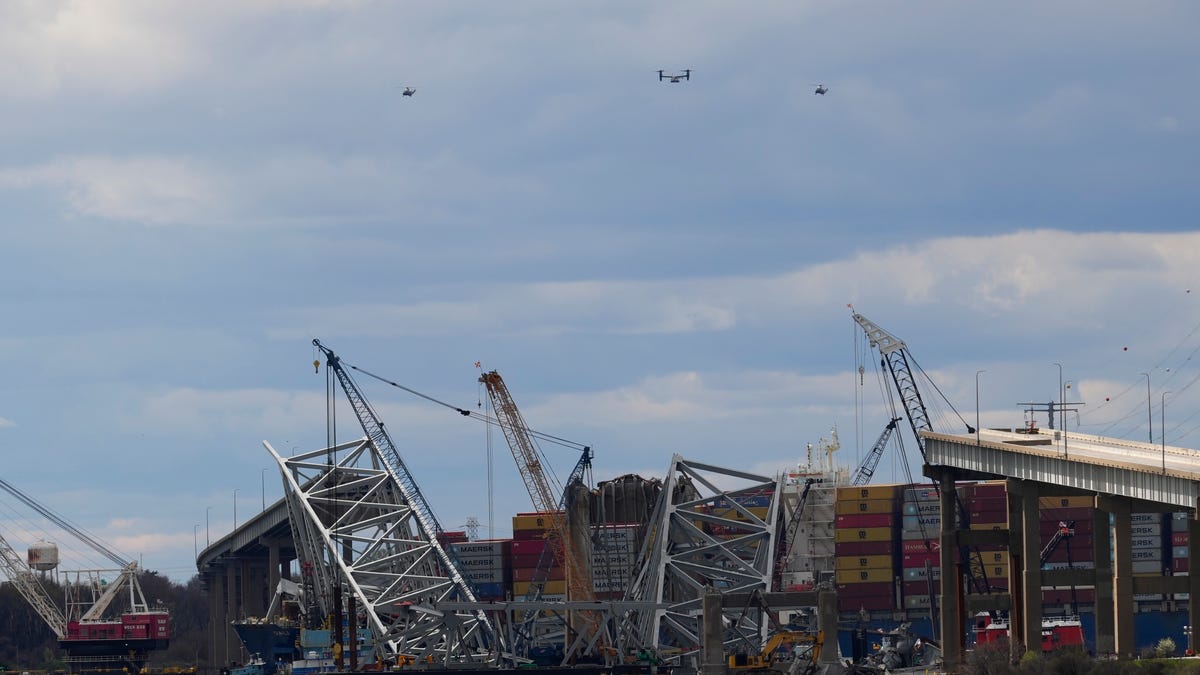
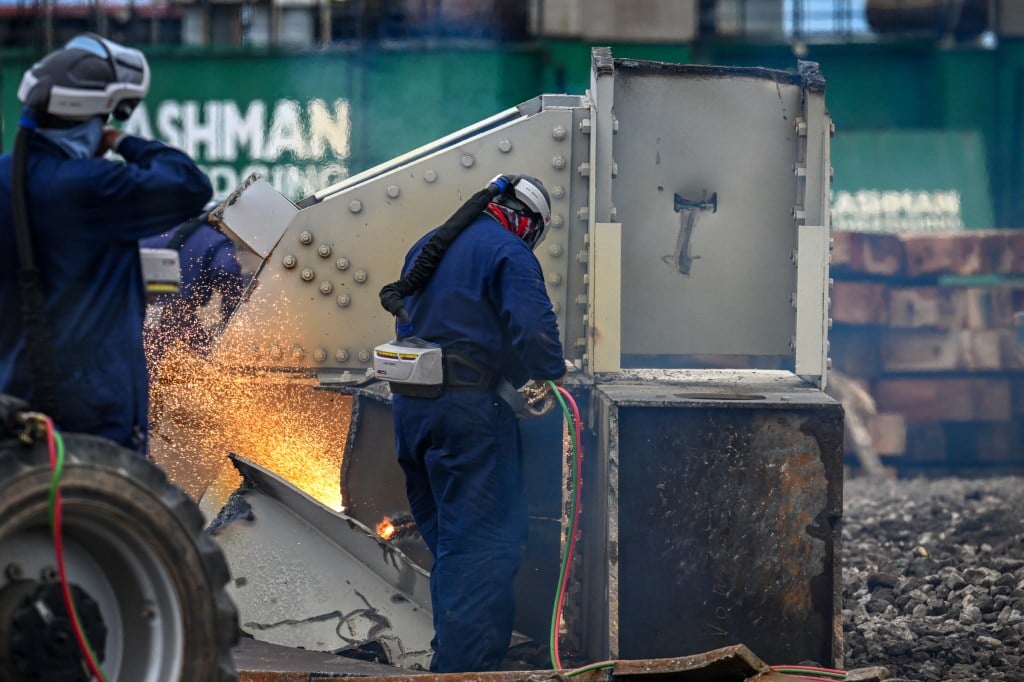
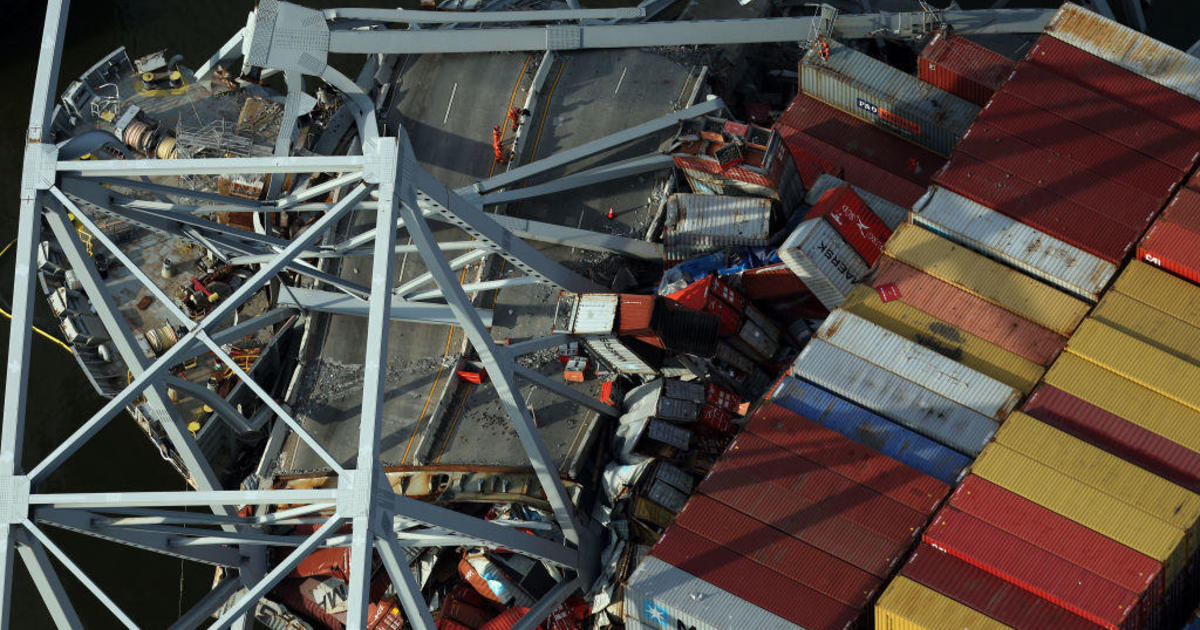
Crews are working tirelessly to clear the wreckage of the collapsed Francis Scott Key Bridge in the Port of Baltimore, a task made even more challenging by the sheer size of the pieces involved. The operation involves divers surveying the wreckage, cutting the trusses into manageable sizes, and using one of the largest floating cranes on the East Coast to hoist the massive chunks out of the water. The cleanup is a round-the-clock operation, with the goal of reopening the port by the end of May, and local companies are helping recycle the debris. The FBI has opened a criminal probe into the disaster, and there is immense pressure to get the waterway open due to its impact on the economy.
A fourth body has been recovered from the site of the Key Bridge collapse in Baltimore, with salvage teams locating one of the missing construction vehicles and a deceased victim trapped inside. Two workers are still missing and presumed dead. Maryland officials and leaders have expressed condolences and support for the affected families, with Gov. Wes Moore set to hold a press conference to discuss the latest developments in the recovery mission.
A fourth body has been recovered from the Key Bridge collapse site in Baltimore, with officials identifying the victim found trapped inside a construction vehicle. The recovery operation continues as authorities work to retrieve the bodies of the six construction workers who died in the collapse on March 26, with three victims already identified. The Maryland State Police, FBI, and Maryland Transportation Authority Police are involved in the ongoing efforts, and the names of the victims have been released.
Tradepoint Atlantic in Sparrows Point, Maryland, has been tasked with processing the 50,000 tons of steel wreckage from the collapsed Francis Scott Key Bridge for recycling. The salvage operation involves cutting the bridge into manageable pieces, which are then transported to a recycling center. The process is part of a larger effort to clear the Patapsco River of debris and refloat the cargo ship that caused the wreckage, with authorities aiming to open limited access channels by the end of April and fully reopen the federal channel by the end of May.
An intelligence report obtained by ABC News warns that the collapse of the Francis Scott Key Bridge in Baltimore has reduced the resiliency of US port and shipping operations, potentially creating opportunities for foreign adversary exploitation. The collapse has rerouted $80 million in maritime cargo and trucking, impacting the flow of goods and resulting in thousands of job losses. While there are no significant impacts on customs enforcement so far, the report cautions that U.S. adversaries could exploit any logistical setbacks resulting from the bridge collapse. President Joe Biden has pledged full federal support for the bridge's reconstruction.
Salvage operations continue on the collapsed Key Bridge in Baltimore as dozens of containers are being removed from the cargo ship Dali to free it, with the aim to reopen the main shipping channel by the end of May. Recovery efforts also continue at the site, with the priority being the safe and efficient removal of debris and wreckage from the federal channel and waterway, while funeral services will be held for two of the construction workers who died in the bridge collapse.
The crew of the shipping vessel that collided with Baltimore's Francis Scott Key bridge remains on board as the ship is still considered a working vessel and is engaged in maintaining the current status of the ship, supporting cleanup efforts, and cooperating with the ongoing investigation. The crew, mostly from South Asia, has access to mental health resources and religious accommodation but faces difficulties in obtaining shore leave due to the active investigation and the ship's anchorage status. It's unclear when they will be able to return home, leaving them stuck in the Baltimore Harbor for the time being.
The U.S. Army Corps of Engineers has found that much of the collapsed Francis Scott Key Bridge in Baltimore remains intact under the water, and plans to have the debris removed and the shipping channel re-opened by May. Metal trusses blocking the river's deepest part are set to be removed by the end of the month, allowing for a narrow channel to open for larger vessels. The bridge collapse, caused by a cargo ship, has significantly impacted the Port of Baltimore, and Senator Cardin is working on legislation to secure federal funds for the bridge's rebuilding.
Maryland Governor Wes Moore provided an update on the cleanup and rebuild efforts following the collapse of Baltimore's Key Bridge, with new sonar images revealing wreckage and a clearance plan in motion. The U.S. Army Corps of Engineers shared the images, showing the bridge wreckage in the federal shipping channel, and the Maryland Department of Transportation State Highway Administration is encouraging the use of their real-time traffic map to plan routes after the collapse.