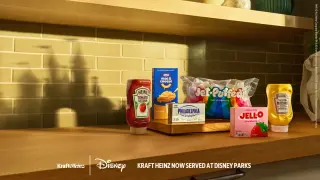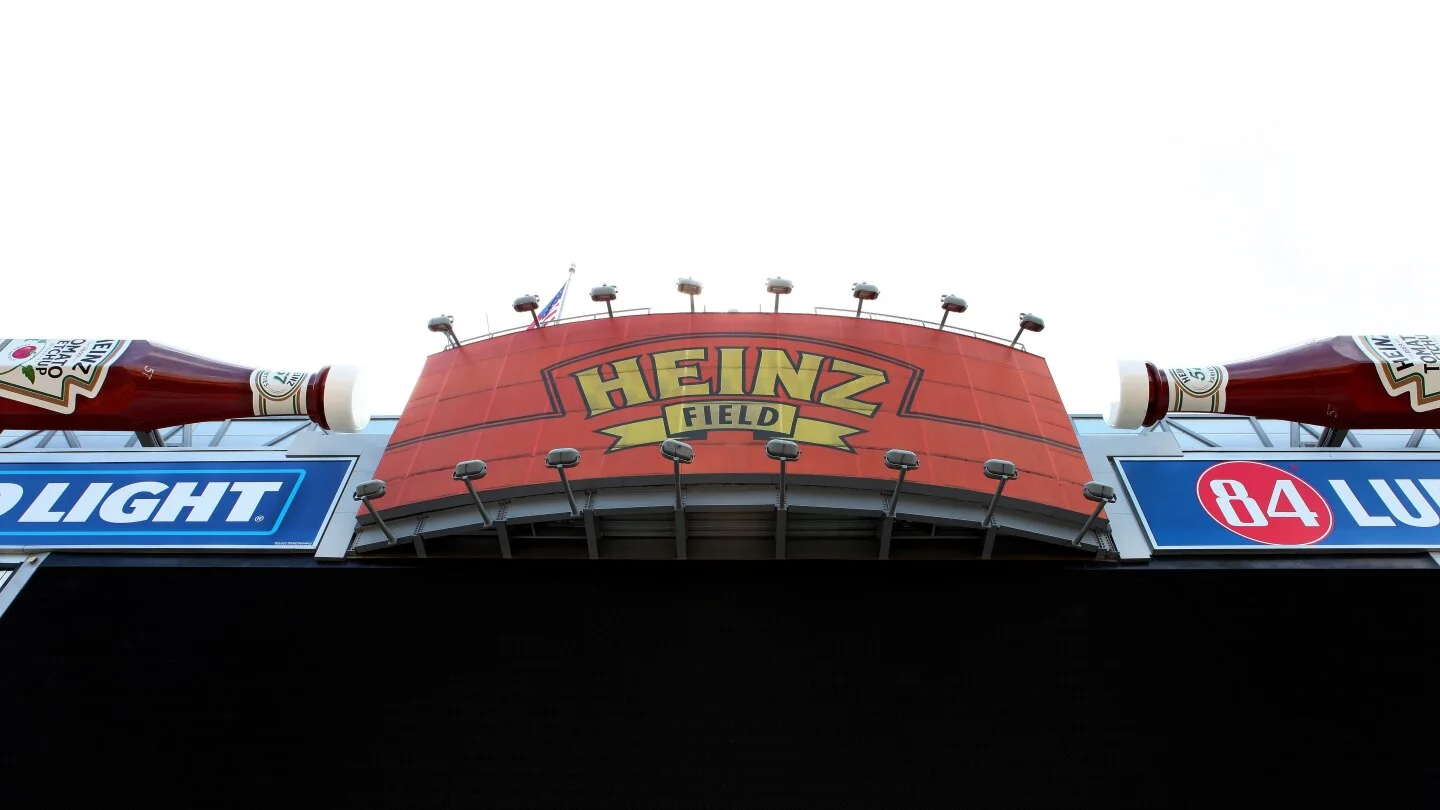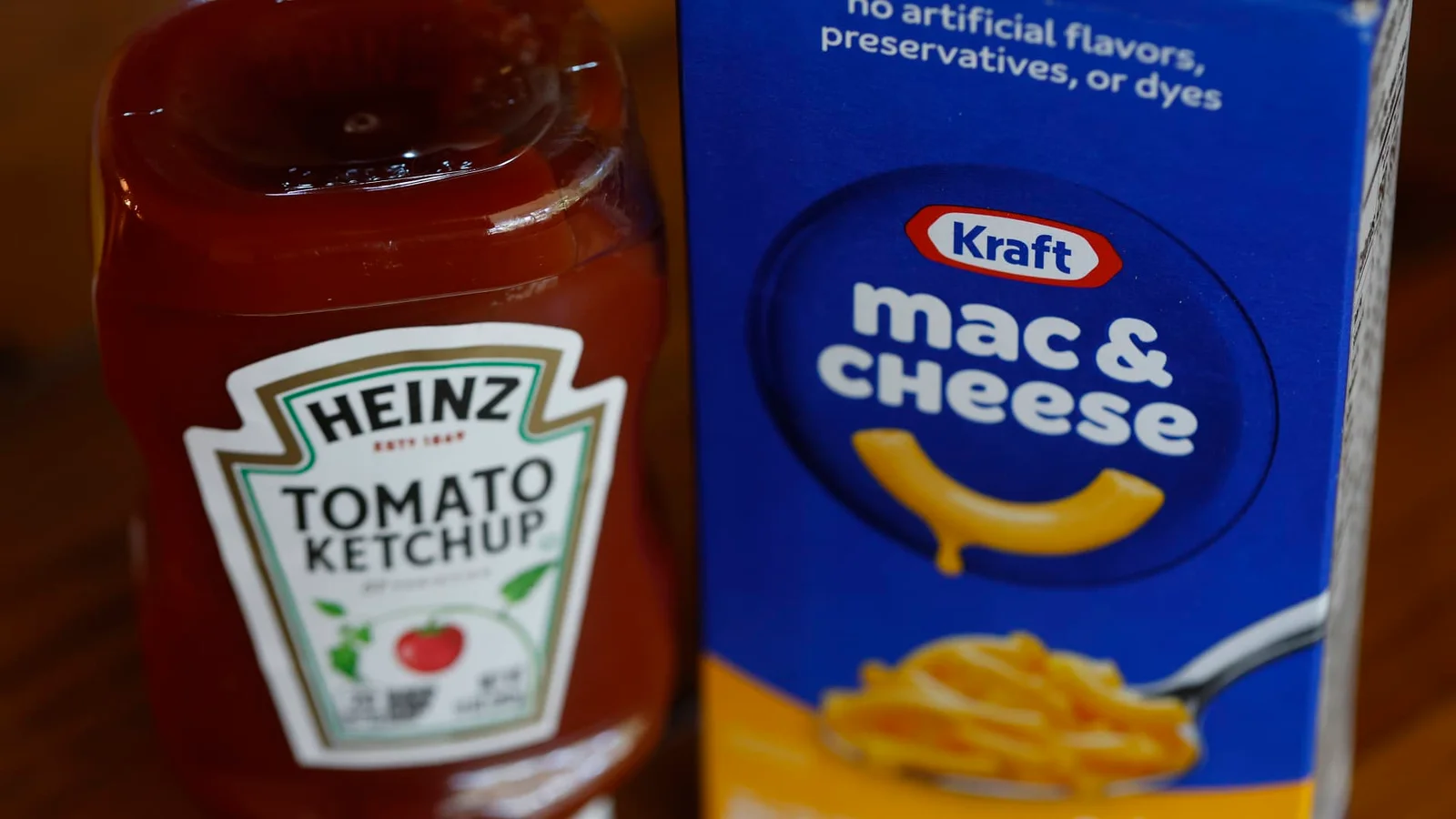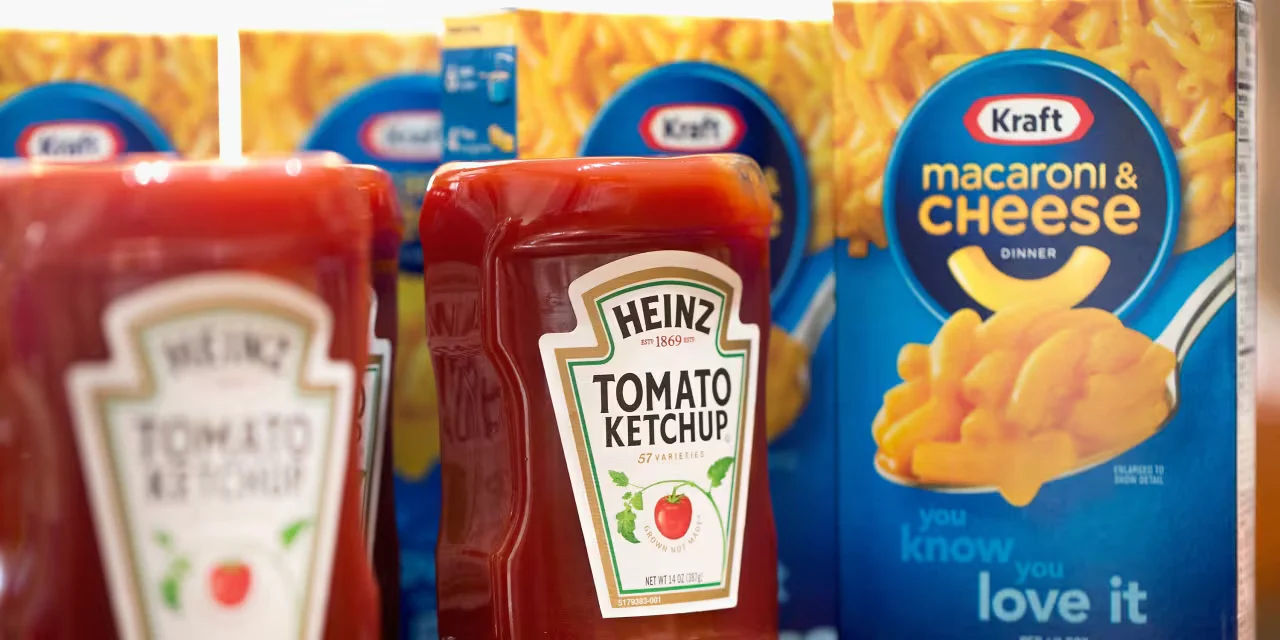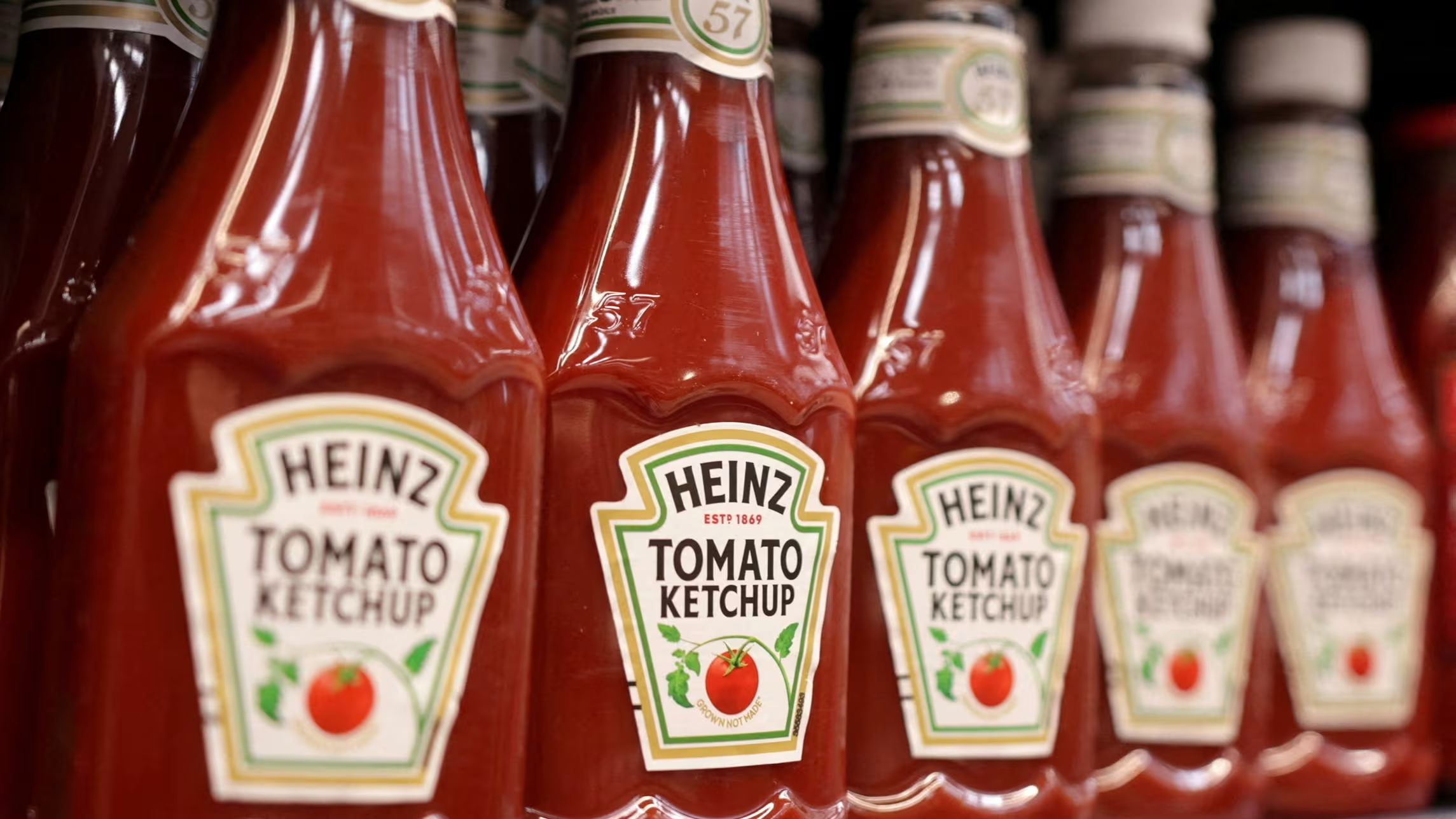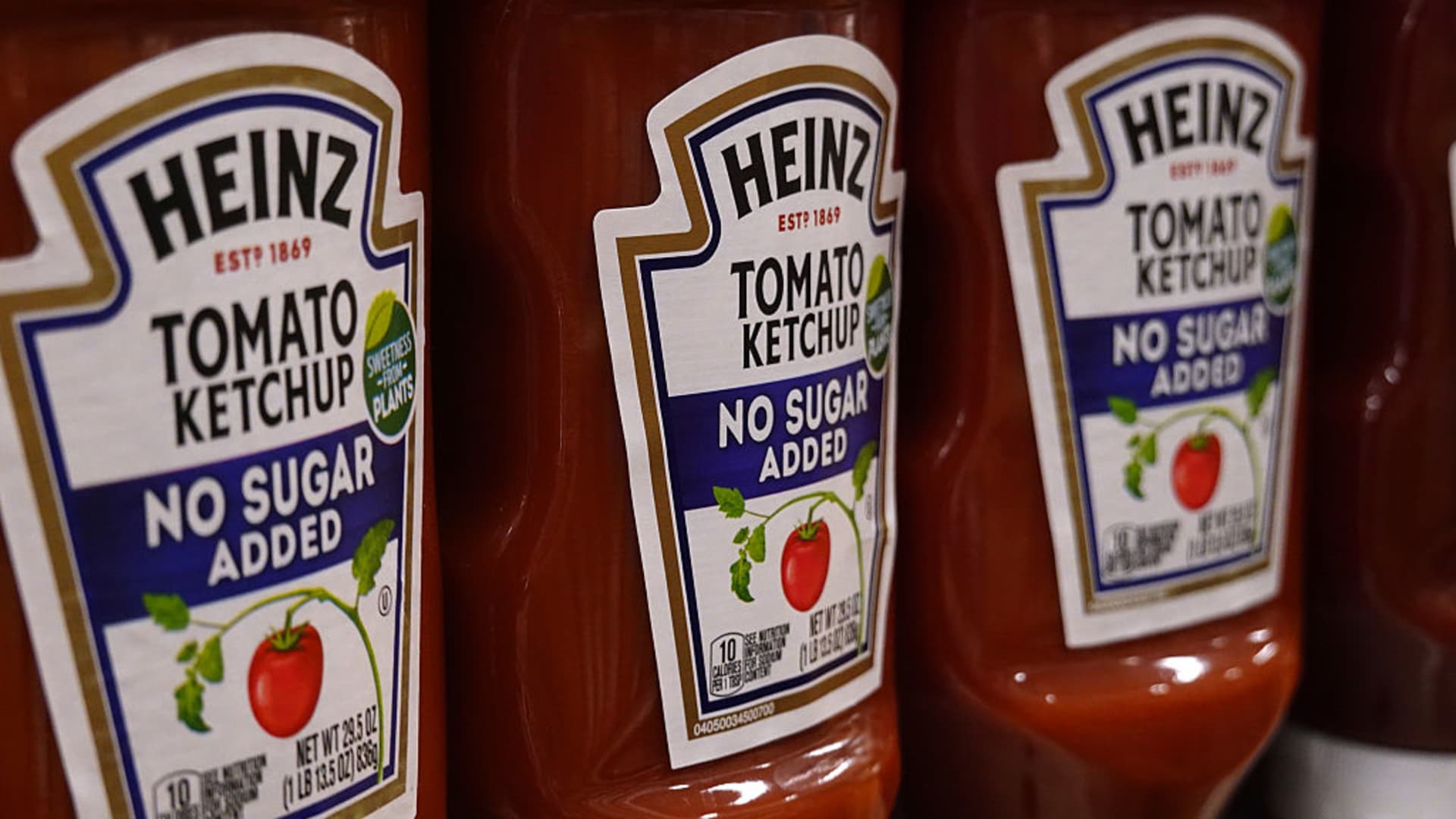
The NFL has named Kraft Heinz its first-ever global condiment partner, with the deal set to begin at the 2026 draft, signaling the league's aggressive monetization of sponsorships and tying a food-brand to NFL branding beyond on-field action.
Kraft Heinz plans to split into two separately traded companies, undoing its 2015 megamerger, while Kellogg’s split into Kellanova and WK Kellogg has preceded a wave of divestitures in the sector. With slowing demand, price pressure, and tighter regulation, consumer-packaged goods giants are shedding underperforming brands and refocusing on core assets. Bain projects about 42% of consumer-products M&A in the coming years will involve asset sales, and smaller deals with insurgent brands or private-labels are rising as the industry rethinks growth strategies. Berkshire Hathaway is reportedly considering exiting its Kraft Heinz stake, and the trend mirrors shifts seen in other industries and media, signaling a leaner, more modular Big Food landscape.
Berkshire Hathaway may sell its 27.5% stake in Kraft Heinz after more than a decade, per a regulatory filing, potentially ending the long-running investment; the update notes a company statement and the latest share movement.
Berkshire Hathaway has filed to register its entire 27.5% stake in Kraft Heinz, signaling a potential reduction of its holding as new CEO Greg Abel shifts away from Buffett-era bets; Kraft Heinz plans a two-company split, Buffett has acknowledged the deal’s flaws, the stock fell about 6% on the news, and Berkshire took a $3.8 billion write-down last year while 3G Capital exited in 2023. Berkshire’s next 13F update is expected mid-May, and the filing suggests an exit path rather than an imminent sale.
Shares of Kraft Heinz fell about 3.8% after-hours after a regulatory filing showed Berkshire Hathaway may fully exit its 27.5% stake ahead of Kraft Heinz’s planned split, a move tied to Buffett-era losses; the stake was worth roughly $7.7 billion at the Jan. 20 close, and KHC has fallen about 19% over the past year despite a Hold rating and a $25.38 price target implying modest upside.
Berkshire Hathaway could sell up to about 325.4 million Kraft Heinz shares (roughly 27% of the company), prompting Kraft Heinz stock to fall in after-hours trading as the company moves to unwind its 2015 merger and split into two public entities.
Greg Abel, Warren Buffett’s designated successor, could kick off Berkshire Hathaway’s portfolio reshaping by selling the company’s roughly 325 million Kraft Heinz shares, signaling a potential first major move under Abel’s watch.
Steve Cahillane has been named CEO of Kraft Heinz, effective January 1, 2026, as part of the company's plan to split into two independent entities, with Cahillane leading Global Taste Elevation Co. and a search underway for a CEO for North American Grocery Co., while leadership transitions are also set to occur.
Kraft Heinz plans to split into two companies in 2026, with Steve Cahillane, former CEO of Kellanova, appointed as CEO of the new high-growth division, as part of a strategic restructuring following sluggish sales and reversing its 2015 merger.
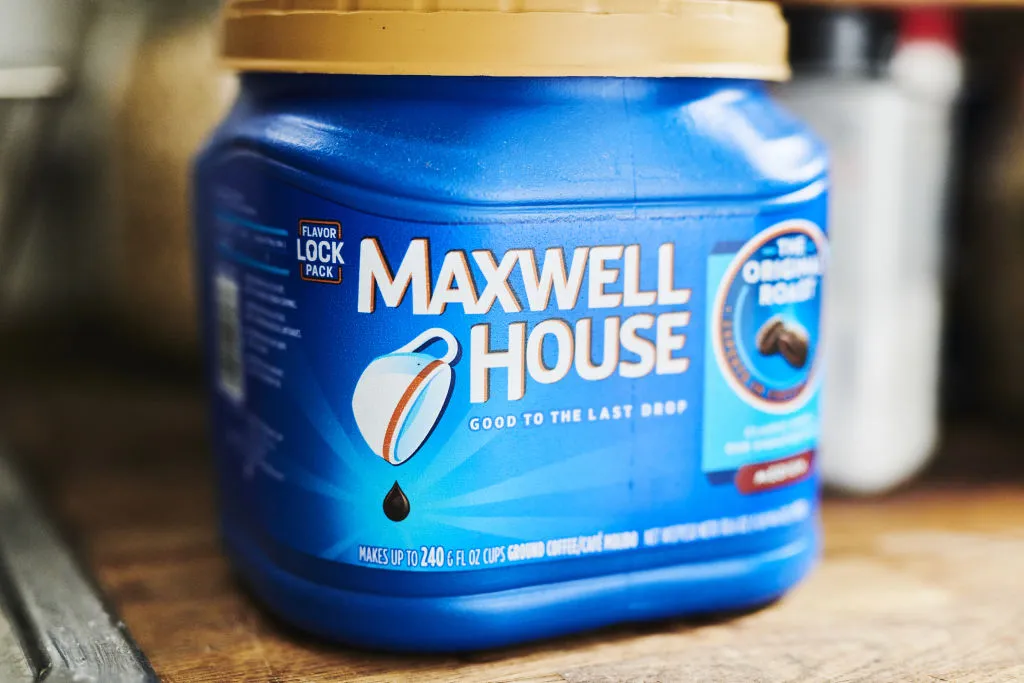
Maxwell House is temporarily rebranding as 'Maxwell Apartment' for a promotional campaign offering a 12-month supply of coffee for $40, highlighting value for consumers amid a company split by Kraft Heinz.
Kraft Heinz is splitting into two companies after a decade of underperformance and a $57 billion loss in market value, marking a significant setback for Warren Buffett's investment. The breakup aims to focus on different product categories but raises questions about the effectiveness of splitting in a declining consumer demand environment for processed foods.
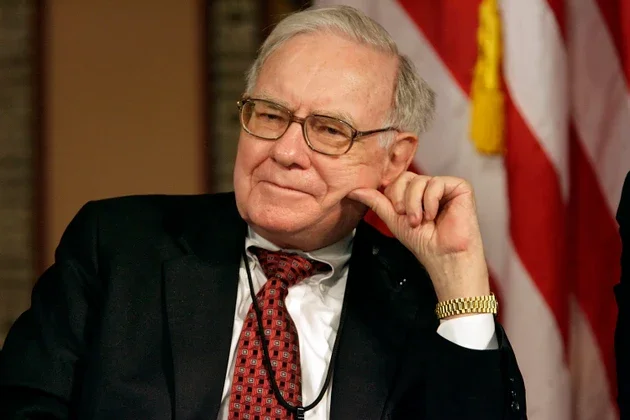
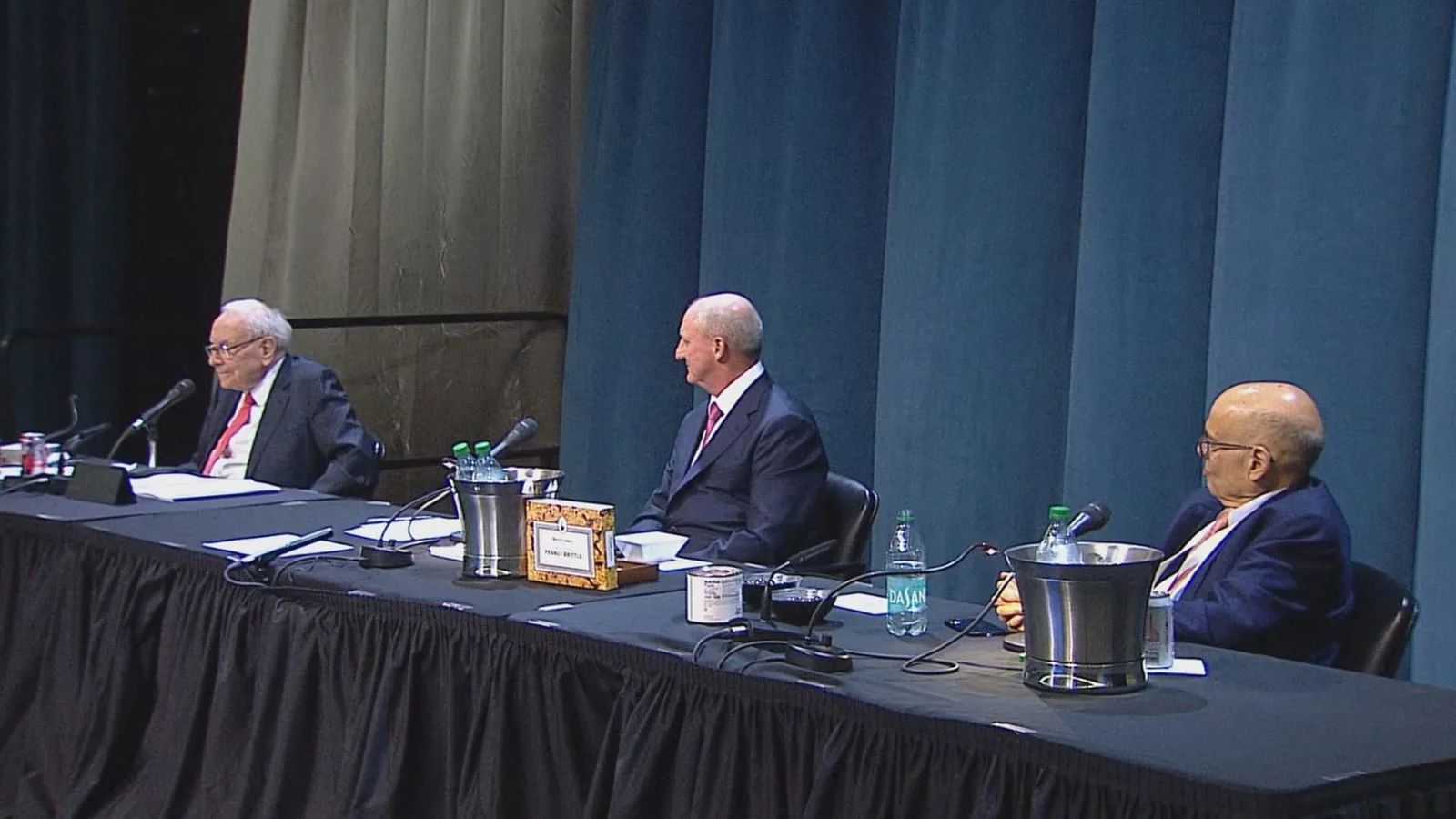
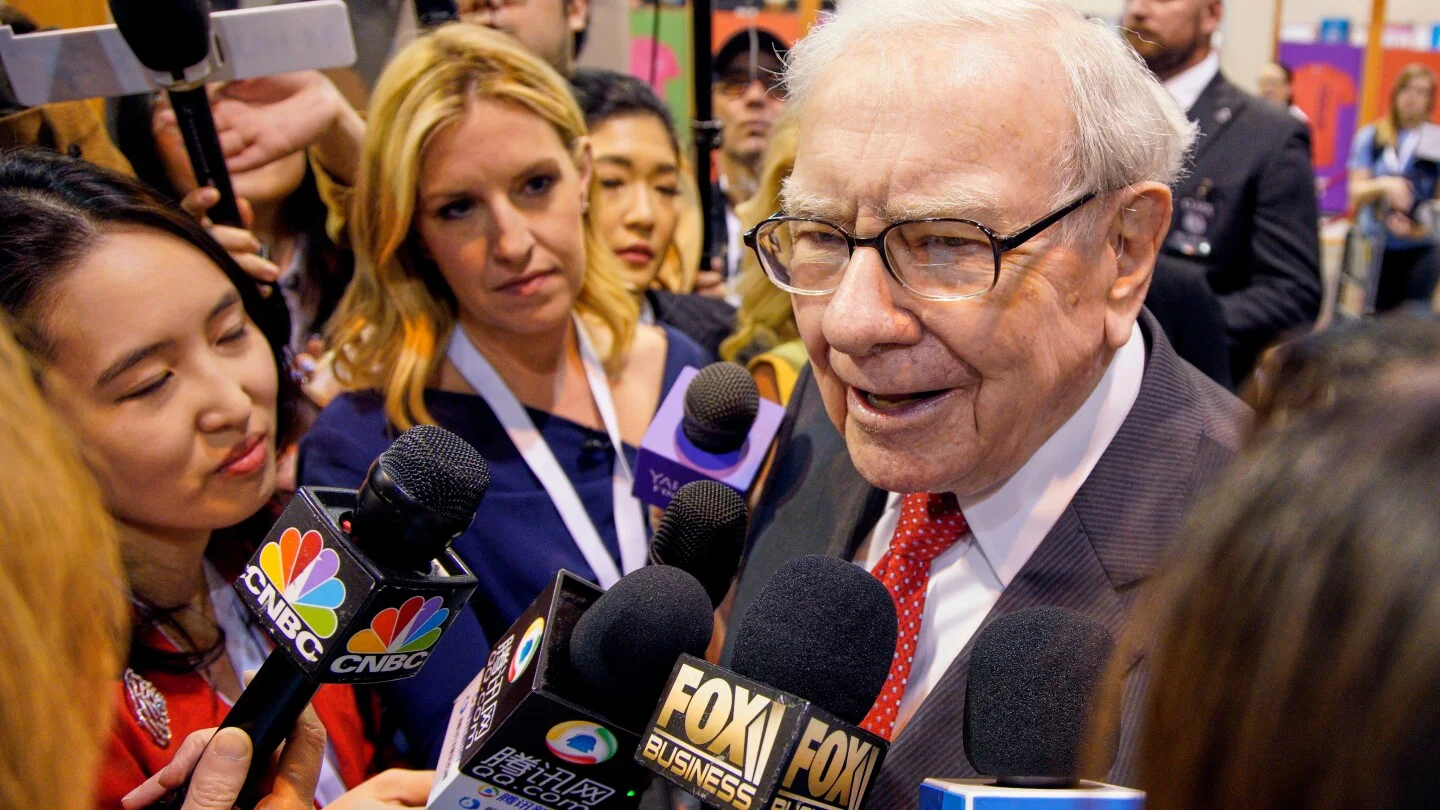
Warren Buffett expressed disappointment with Kraft Heinz's breakup plan, reflecting on a significant investment loss since the 2015 merger, with Berkshire Hathaway holding a large stake that has declined in value. Buffett doubts splitting the company will fix its struggles, which are compounded by industry challenges and past strategic missteps, including Berkshire's unchanged ownership and the company's underperformance.
Kraft Heinz is splitting into two companies to better focus on its core brands and address declining revenues and changing consumer preferences, undoing a 10-year merger that was heavily influenced by cost-cutting measures and investor pressure.