New KRAS Vaccine Trial Shows Strong Immune Response but Raises G12D Paradox
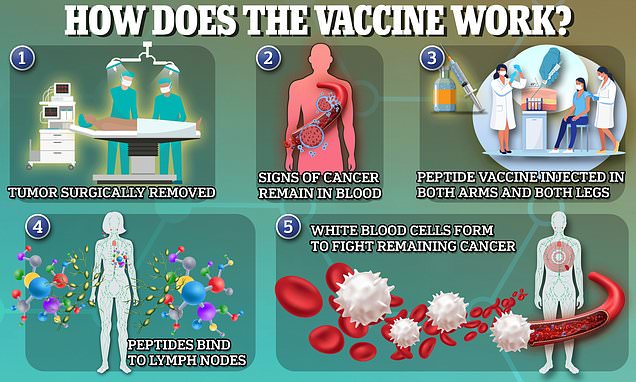
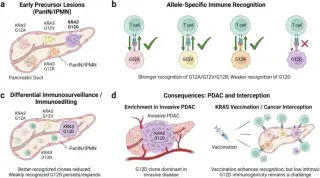
A first-in-human study demonstrates that a pooled mutant KRAS peptide vaccine can induce durable T-cell responses in high-risk individuals, potentially intercepting pancreatic cancer before it becomes invasive. While 18 of 20 participants showed strong immune activation, the vaccine elicited a weaker response against the G12D mutation, which is the most prevalent form in pancreatic ductal adenocarcinoma. This 'immunogenicity paradox' suggests that poor immune recognition of G12D may contribute to its evolutionary success in tumors. Although the trial proves the concept of pre-cancer vaccination, it was not powered to confirm cancer prevention, and broader phase 2 trials for similar vaccines have yet to show statistically significant survival benefits.