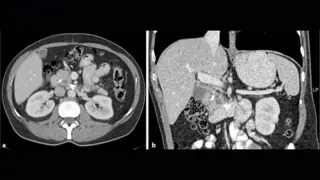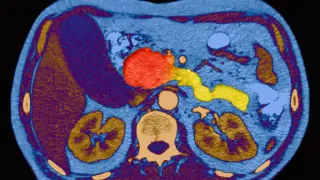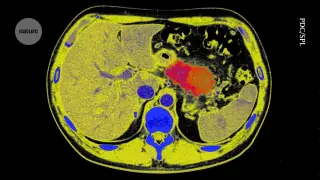
Early Detection and New RAS Inhibitors Aim to Triple Pancreatic Cancer Survival
Researchers are pursuing a strategy of 'cancer interception' to treat pre-cancerous pancreatic tissue before it becomes malignant, aiming to boost five-year survival from 13.7% to 50%. This approach leverages the recent FDA approval of daraxonrasib, a drug that nearly doubled median survival in metastatic cases. While current trials focus on advanced disease, new studies are testing the drug for early-stage prevention and screening.