A new study suggests that combining L-theanine and caffeine can improve selective attention and reduce false alarms in adolescents with ADHD, offering a potential supplementary approach alongside standard treatments like methylphenidate.
A science-based guide evaluates nootropics, naming omega-3 fatty acids, curcumin, phosphatidylserine, L-theanine, and creatine as the most evidence-supported for cognition, while flagging many others (like ginkgo, Prevagen, and high-dose vitamin E) as likely ineffective; it emphasizes checking the active ingredient, prioritizing dietary sources when possible, and notes that more research is needed, with sleep and overall brain health as foundational.
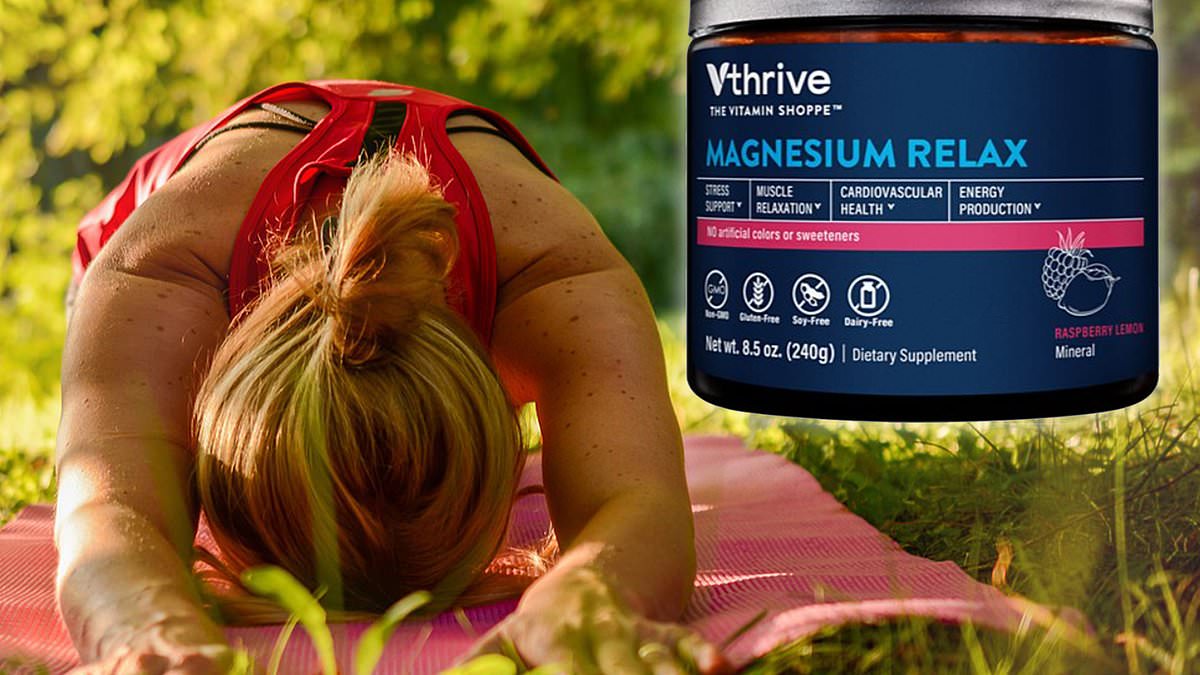
Shoppers are raving about a $20 VThrive magnesium supplement that contains L-theanine, praising its ability to help with relaxation, sleep, and stress reduction. The raspberry lemon-flavored powder delivers 350mg of magnesium and 50mg of L-theanine to promote deep sleep and overall well-being. Users report immediate effects and improved energy levels, making it an affordable and tasty option for mental and physical health. Additionally, Vitamin Shoppe has curated a mental health edit of products for Mental Health Awareness Month, including mood chews, ashwagandha root extract, and probiotics.
Experts recommend NooCube, Hunter Focus, Omega-3 Fatty Acids, Resveratrol, and L-Theanine as the top five brain supplements to enhance cognitive functions and improve memory recall. Omega-3s are known to improve heart, brain, skin, and joint health, while Resveratrol is a powerful antioxidant that may prevent the deterioration of the hippocampus. L-Theanine, when combined with caffeine, can improve memory and reaction time. However, more research is needed to determine the effectiveness of L-Theanine. Cognitive decline is inherent in the aging process, but these supplements may help extend mental alertness.