
Tag

Life Cycle Assessment

All articles tagged with #life cycle assessment

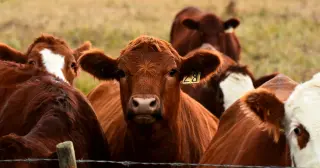
Beef’s Environmental Toll: 15,400 Litres of Water and 99 kg CO2e Per Kilogram
environment2 months ago

Beef’s Environmental Toll: 15,400 Litres of Water and 99 kg CO2e Per Kilogram

Two peer‑reviewed datasets estimate that producing one kilogram of beef from dedicated herds uses about 15,400 litres of water and emits roughly 99 kg CO2e (100-year GWP). Water use is mostly for feed; the range across systems is wide (roughly 3,000–26,000 L/kg). Emissions come mainly from enteric methane, land‑use change, and farm operations; dairy-beef has a smaller footprint (~33 kg CO2e/kg) and the global average is about 60 kg CO2e/kg. Reducing beef consumption would cut both water use and emissions, with chicken as a lower‑footprint alternative (~90% reduction for the same protein). The article notes debates on green water, GWP timeframes, and regenerative grazing, but beef remains the most environmentally intensive widely consumed food.

Razer Launches AI Tool for Quick Eco Impact Assessment
technology1 year ago

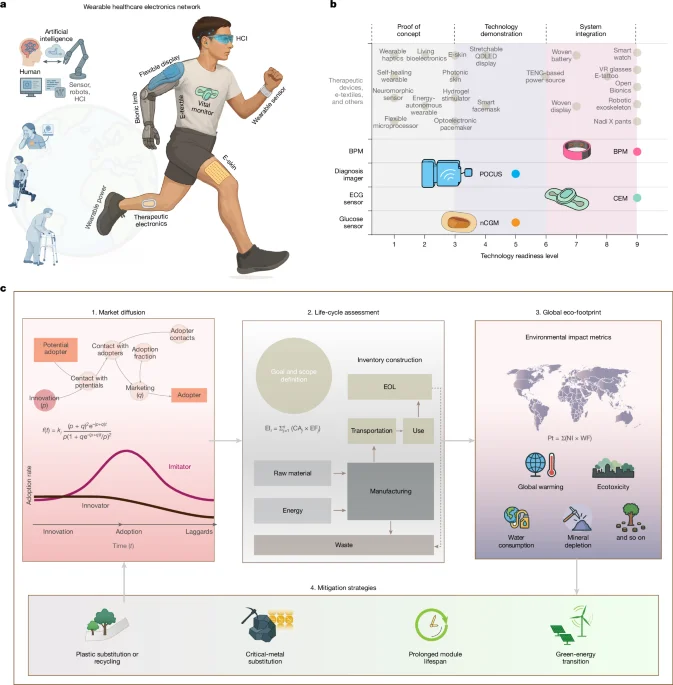
Razer Launches AI Tool for Quick Eco Impact Assessment

Razer has launched GAIADEX, an AI-powered platform designed to enhance sustainability by streamlining the Life Cycle Assessment (LCA) process. This tool significantly reduces the time required for LCAs from months to seconds, improving both speed and accuracy. GAIADEX aims to help organizations make informed decisions on decarbonization and promote eco-friendly solutions by integrating into their workflows. However, the tool is currently exclusive to Razer partners, potentially impacting sustainability efforts amid growing climate concerns.

"Reimagining Urban Agriculture for a Lower Carbon Footprint"
environmental-science2 years ago

"Reimagining Urban Agriculture for a Lower Carbon Footprint"

A comprehensive review and meta-analysis of studies on urban agriculture's environmental impacts and resource use compared to conventional agriculture was conducted. The research examined the carbon footprints of urban and conventional agriculture, considering factors such as greenhouse gas emissions, resource utilization, and sustainability. The findings provide insights into the potential of urban agriculture to contribute to sustainable food production and its environmental implications.