SpaceX’s IPO could cut off Elon Musk’s easy cash lifelines, as the New York Times highlights Musk’s past SpaceX loans to himself and other private-financing moves; public status would make such arrangements much harder, aligning with Musk’s history of preferring private companies and complicating financing for his ventures.
EU governments approved a roughly $106 billion loan package to back Ukraine, backed by member-state guarantees, as the bloc also advances sanctions on Russia—targeting oil shipments and financial services—to pressure Moscow amid ongoing geopolitical tensions.
A former Alabama national champion is accused of impersonating NFL players with wigs and fake IDs to obtain roughly $20 million in loans; he and CJ Evins allegedly secured at least 13 loans via sham entities, funneling funds into real estate, cars and jewelry, and face conspiracy to commit wire fraud and aggravated identity theft, with plea hearings set for April 27.
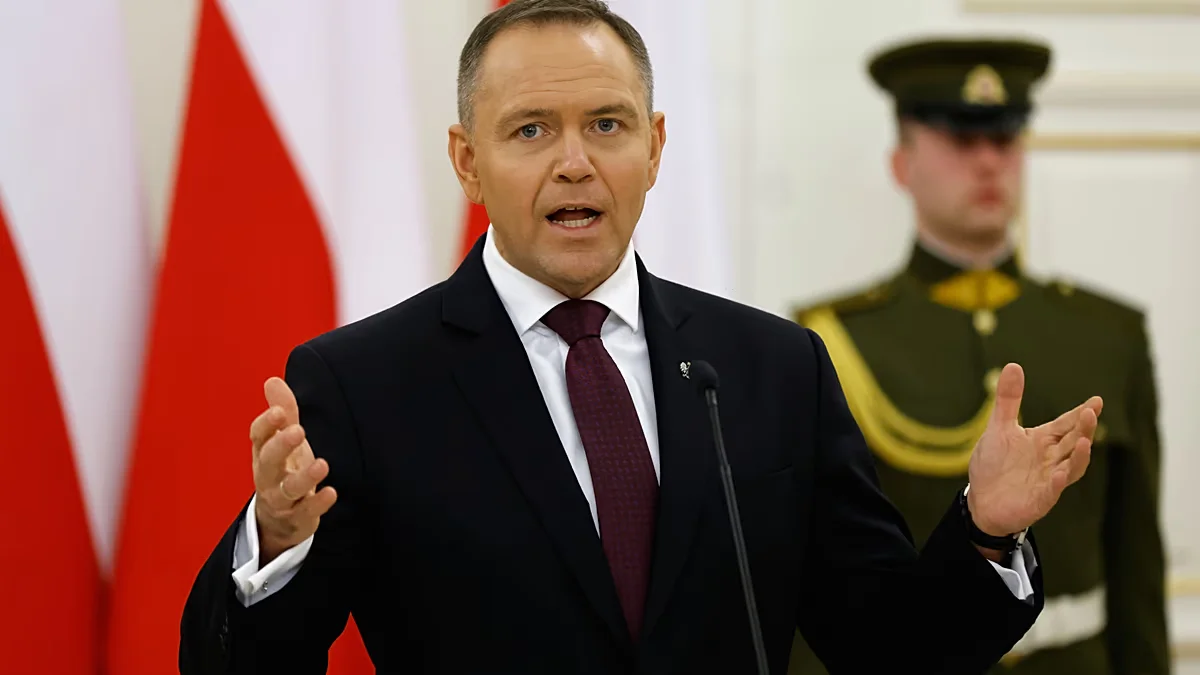
Poland’s President Karol Nawrocki vetoed legislation that would have allowed Warsaw to access about €44 billion in EU defence loans from the SAFE programme, fueling a clash with Prime Minister Donald Tusk over how to finance defence spending. The loans would have accelerated military modernization, border security and domestic arms production, but Nawrocki argued they would increase Poland’s dependence on Brussels and urged funding from domestic resources, including central bank reserves; Tusk promised a Plan B and said the veto squandered a patriotic opportunity, while other officials warned blocking SAFE funds could weaken Poland’s defence capabilities.
US DOJ emails show Jeffrey Epstein wired thousands of pounds to Peter Mandelson’s husband after Epstein’s 2009 release, including loan-style payments for an osteopathy course; Mandelson later apologized for continuing his association, saying he was mistaken about Epstein.
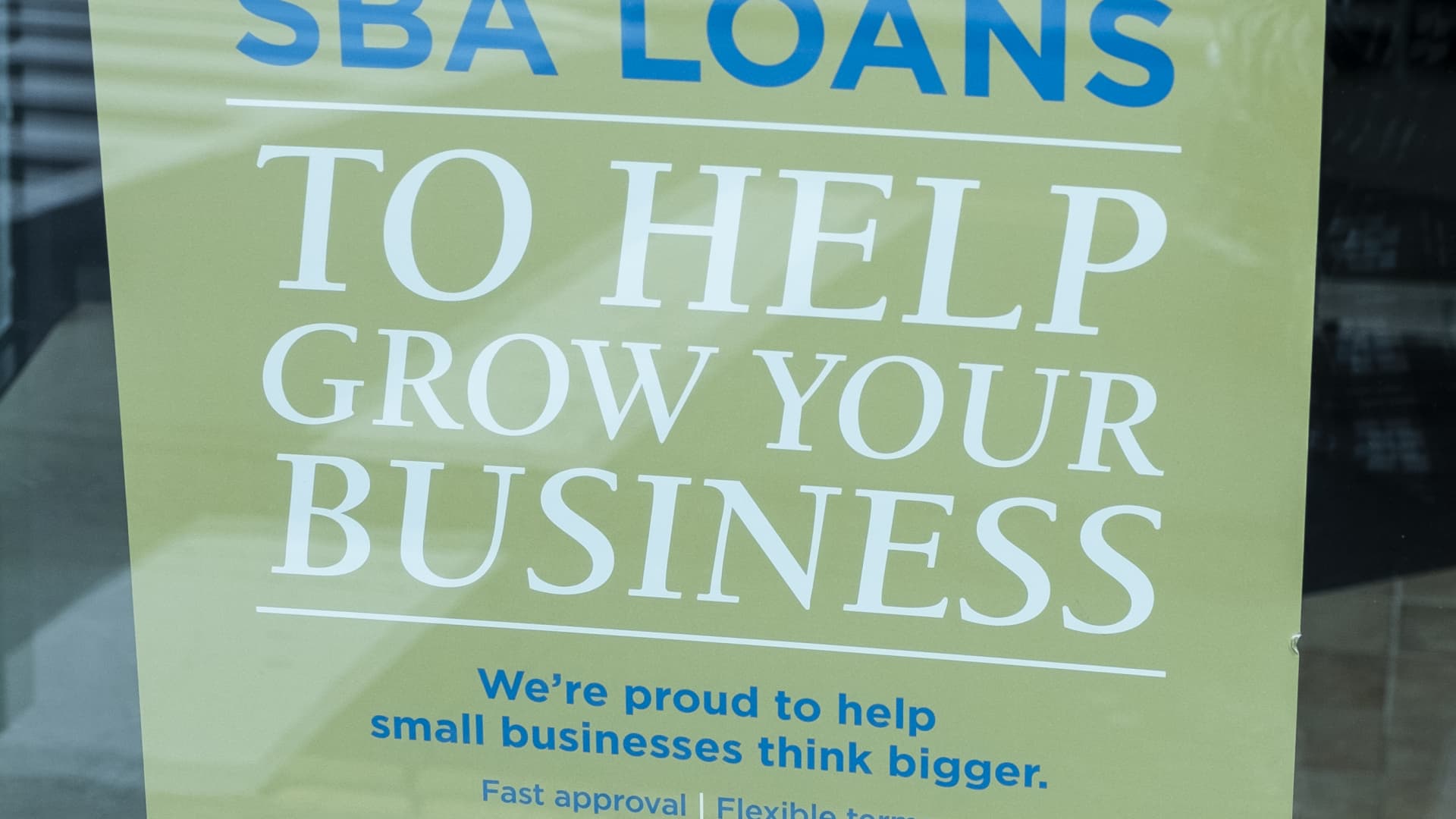
The U.S. Small Business Administration (SBA) is launching a new pilot program offering government-backed credit lines of up to $5 million to help small businesses secure working capital. The initiative aims to be more attractive to both lenders and borrowers compared to existing SBA products, with simplified terms and higher guaranties to encourage uptake. The program is part of the SBA's broader efforts to support small businesses, especially in an environment of higher interest rates.
Protecting your credit score is crucial as it affects loan approvals, interest rates, and even apartment rentals. Avoid damaging your credit by refraining from co-signing loans, applying for too much credit in a short time, missing payment due dates, neglecting non-credit payments, failing to monitor your credit, and spending to get rewards when in debt. Instead, prioritize paying off debt and monitoring your credit to safeguard your financial well-being.
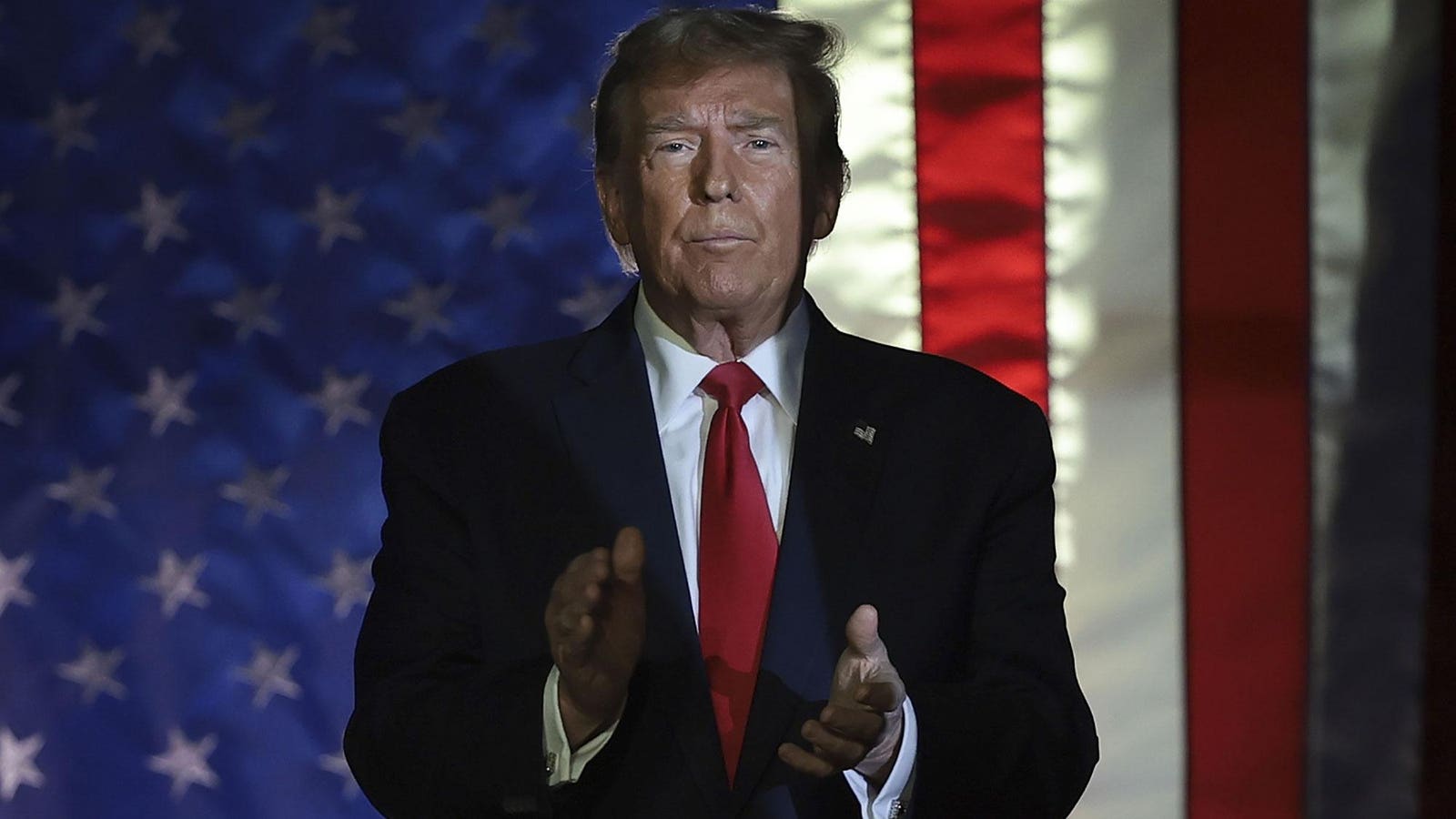
Former President Donald Trump is facing mounting legal fines and owes roughly $454 million to New York State, as well as $88 million to writer E. Jean Carroll for sexual abuse and defamation verdicts. With limited options due to being barred from borrowing from most major U.S. banks, potential lenders could include wealthy individuals, foreign banks, and domestic institutions like Axos Bank and Ladder Capital. Trump's connections abroad, including in the Middle East and China, may also provide avenues for financial assistance. Additionally, billionaire friends like Phil Ruffin and Andrew Beal could potentially step in to lend money. The situation presents a high degree of uncertainty for any institution or person willing to assist Trump.
Chinese banks have approved 123.6 billion yuan ($17.20 billion) of development loans and issued 29.4 billion yuan under a "whitelist" mechanism aimed at injecting liquidity into the crisis-hit property sector. This mechanism, launched on Jan. 26, allows city governments to recommend residential projects to banks for financial support, with 214 cities across the nation participating and recommending over 5,300 projects to banks. The initiative is part of Beijing's efforts to stabilize the property sector's debt crisis and boost confidence in an industry that accounts for a quarter of China's GDP.
New York Community Bancorp's stock plummeted 38% after reporting an unexpected loss for the fourth quarter, attributed to significant charge-offs related to two loans in its portfolio. The bank is working to rebuild its capital following recent acquisitions and has slashed its dividend by 71% to meet more stringent capital requirements. While the stock may appear cheap, investors should be cautious due to lingering effects of the Federal Reserve's higher interest rate policies and concerns about the commercial real estate market. The bank's credit rating was downgraded to junk status, and it faces governance risks as it seeks to fill key executive roles.
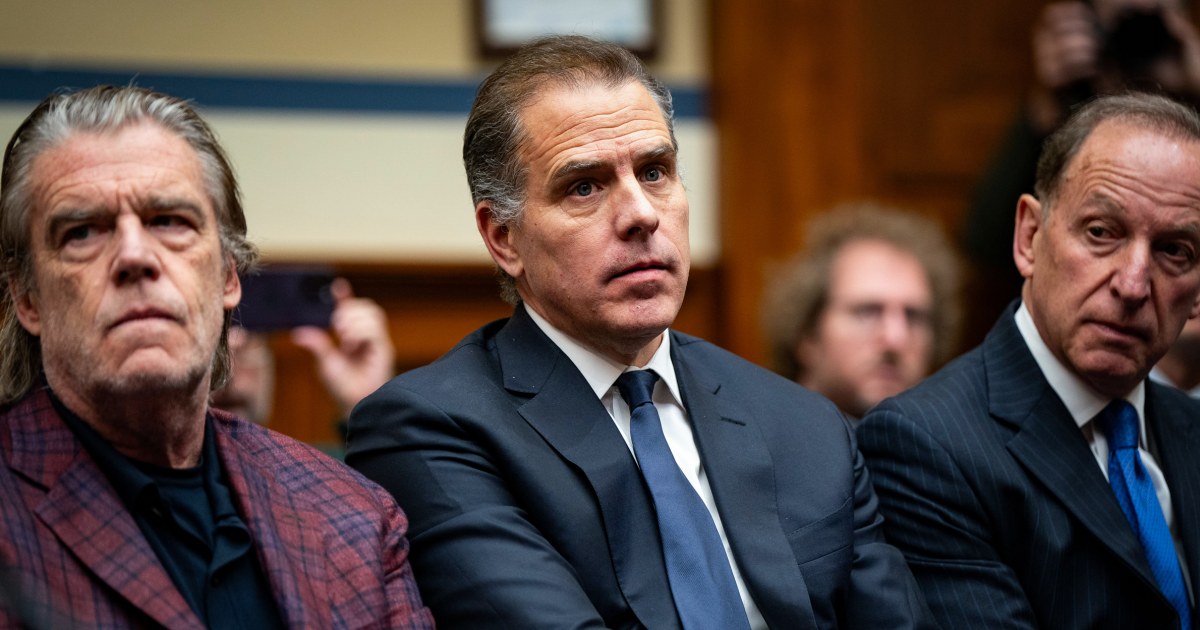
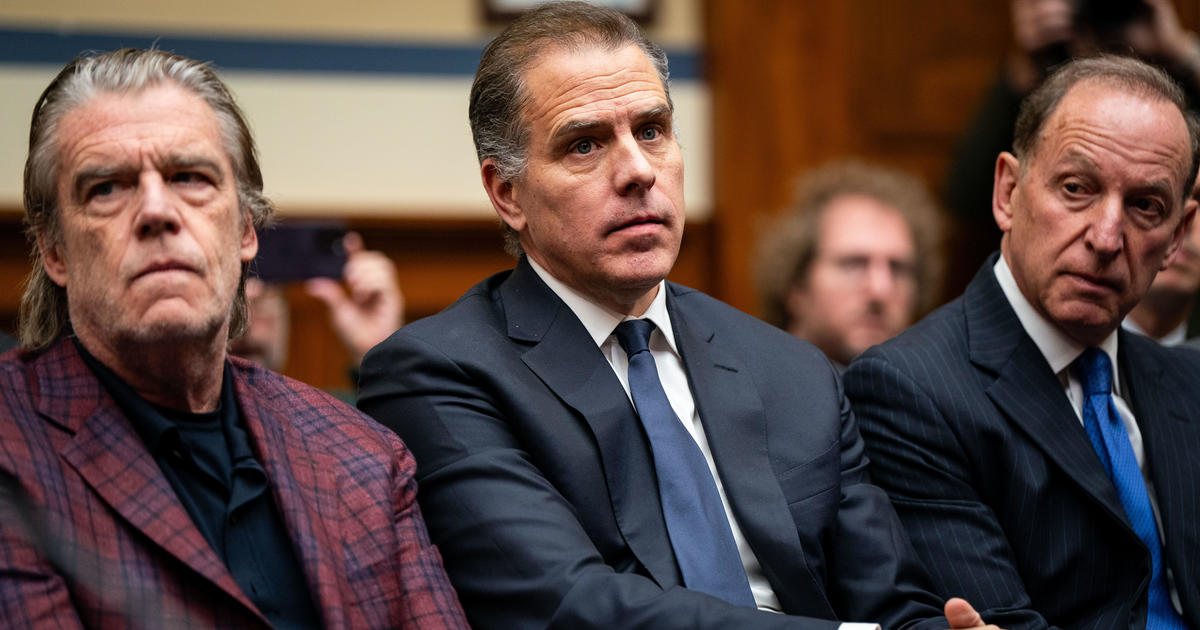
Entertainment lawyer Kevin Morris, who provided over $5 million in loans to Hunter Biden, testified before House lawmakers that he helped Biden due to his struggles and not to aid Joe Biden's presidential campaign. Morris stated that the loans were made to help Hunter maintain sobriety and to address his tax issues. He denied any political motivations and asserted that he has not received anything from President Biden or his administration in exchange for his assistance. The House Oversight Committee released the transcript of Morris' testimony, raising ethical and campaign finance concerns for President Biden, but Morris denied any political ties and stated that he has not been questioned by federal law enforcement regarding the loans or campaign finance issues.
Hollywood attorney Kevin Morris acknowledged to Congress that he loaned Hunter Biden nearly $5 million, with no repayment expected until after the 2024 elections. The loans covered back taxes, divorce and paternity suits, rent, car payments, flights on his private jet, and artwork expenses. Morris denied receiving political favors from the Biden administration and defended the loans as voluntary, citing friendship and a desire to help amid what he believed were unfair political attacks on the president's son. He asserted attorney-client privilege when asked about discussions with Hunter Biden and emphasized that the loans were not politically motivated.
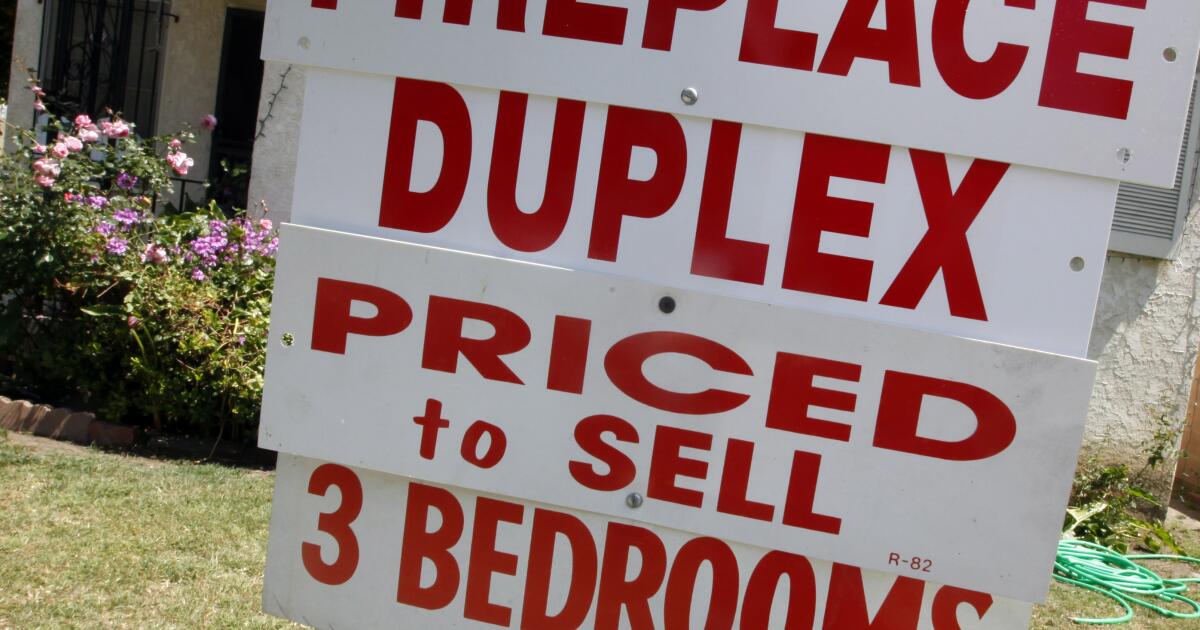
The California Housing Finance Agency is offering no-interest, no-monthly-payment loans to help lower-income residents come up with a down payment and fees to buy their first home. The program, called California Dream for All Shared Appreciation Loans, has tightened its requirements and will choose qualified applicants by lottery. The loans, limited to covering the down payment and closing costs on a first home, max out at $150,000 or 20% of the home’s purchase price, and do not accrue interest. Applicants must meet specific criteria, including being first-time, first-generation homeowners and meeting income limits. The application process will begin in April, and approved applicants will receive vouchers for the loans, but finding a suitable home and qualifying for a mortgage loan are still necessary.
Hunter Biden's lawyer, Kevin Morris, refutes House Oversight Committee Chairman James Comer's claims about the millions of dollars Morris loaned to Hunter, stating that he is confident Hunter will repay the loans and denying any expectation of favors from President Biden. Morris's lawyer called for the release of the full transcript of his client's deposition, while Comer's spokesperson indicated that the transcript will confirm Comer's account of the interview.
Major banks like JPMorgan Chase, Wells Fargo, and Citigroup are expecting a challenging year for net interest income, with projections ranging from flat to a potential decline of 7-9% compared to 2023, indicating a tough outlook for lending as a core part of their business.