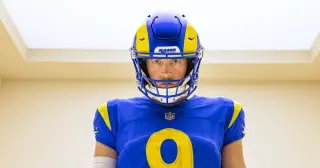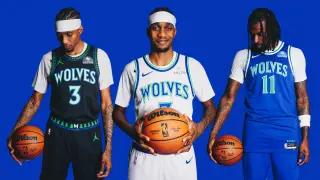
The Rams unveiled updated Royal Blue and white uniforms, retiring the bone-colored kit, with minor logo refinements and plans for two new alternate designs later this year alongside the existing black Midnite Mode.
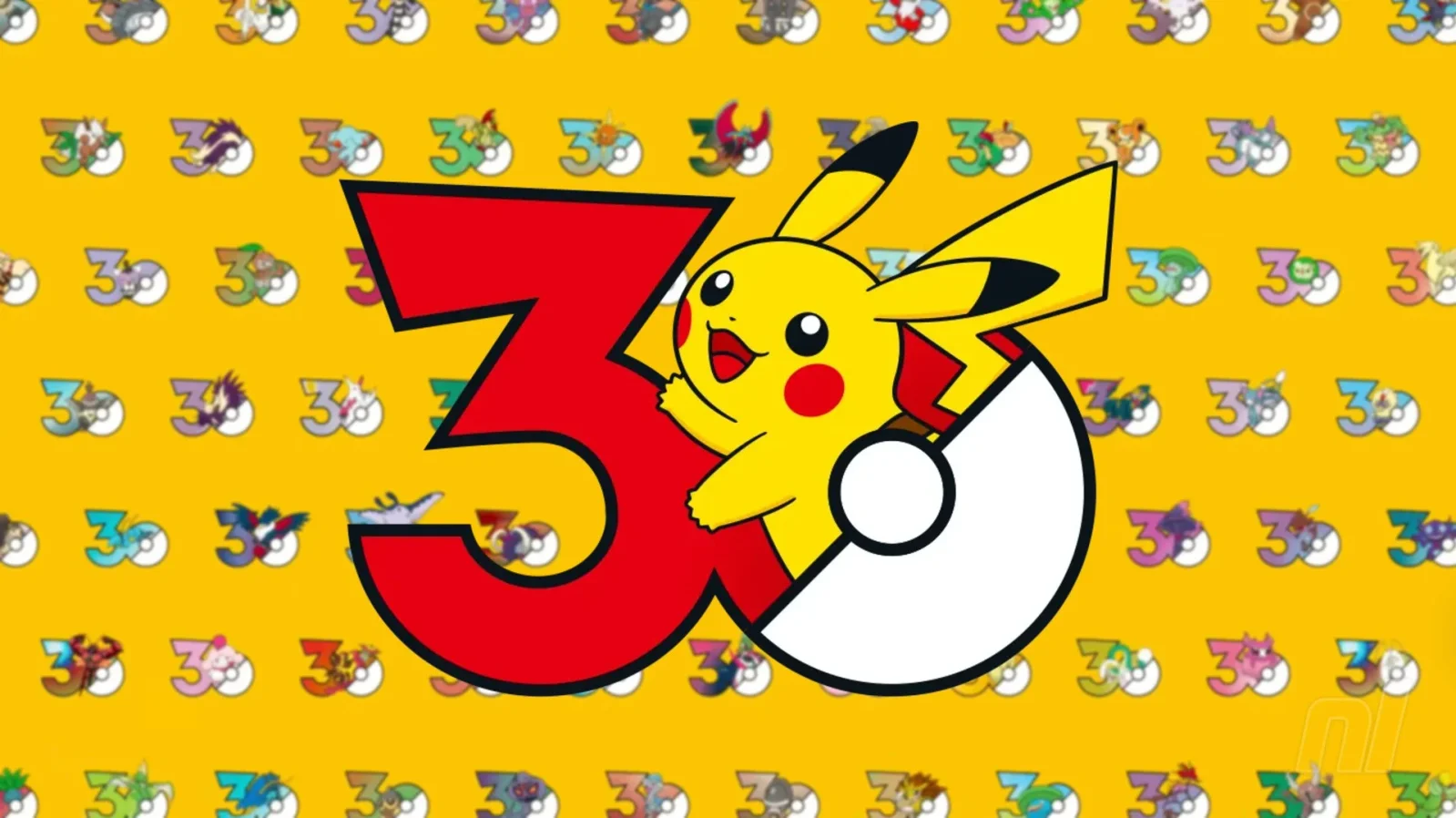
The Pokémon Company released a celebratory video for the franchise's 30th anniversary, showcasing a logo for each of the 1,025 Pokémon with spotlighted animations for starters and legendaries. The logos have appeared online, on billboards, and are catalogued in Pokédex order on the official site; a social media campaign via @poke_times distributed the icons to retweeters. Fans are encouraged to watch the full set and stay tuned for tomorrow’s Pokémon Presents.
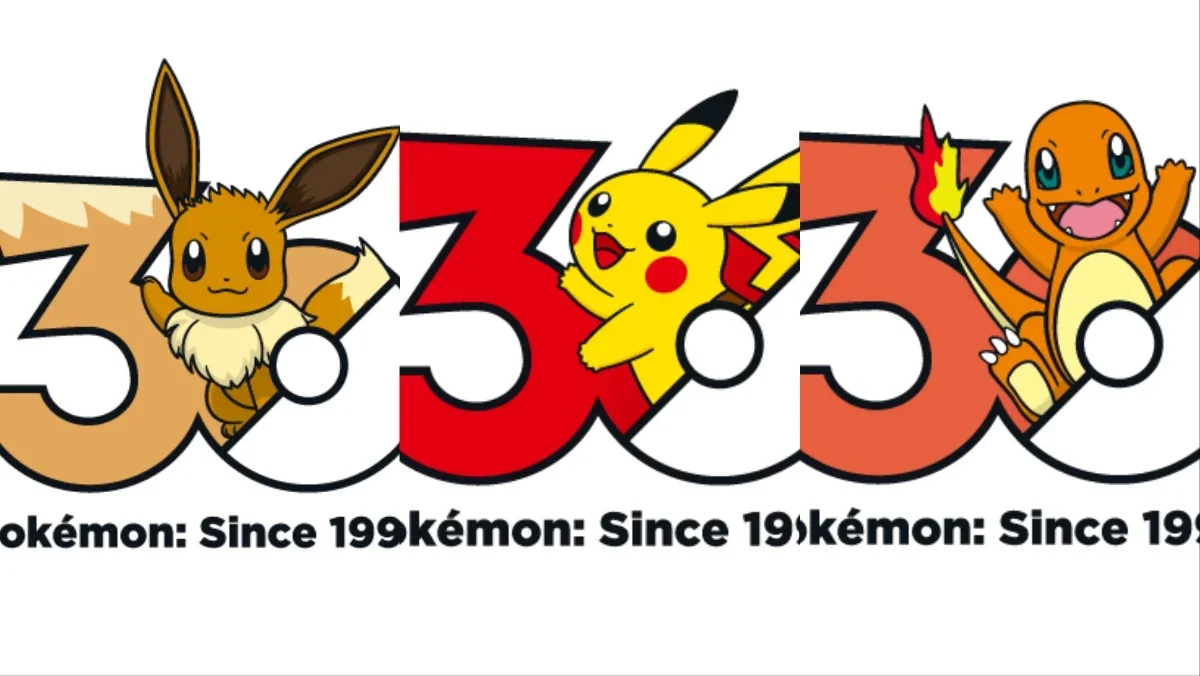
The Pokémon Company is marking 30 years with a custom logo for every Pokémon (1000+), each featuring the creature on the right leaping from a Poké Ball–like zero atop a 30-year base, with colors matched to the individual Pokémon. Some logos have been shared online and spotted around Japan; the campaign follows a year-long celebration that kicked off with a Super Bowl ad, and Serebii has an archive of the logos as the anniversary nears February 27, 2026.
Spotify has released a series of cryptic new logos inspired by this year's top artists as part of its annual Spotify Wrapped event. These logos, which draw from diverse album art styles, offer a playful challenge for design enthusiasts to decode. The initiative highlights the creativity in album art and celebrates the year's musical achievements.
Applications for trademarks have been filed for eight logos and wordmarks under the placeholder name "Utah Hockey Club," indicating the branding for Utah's NHL team is taking shape. The colors blue, black, and white have been claimed for some logos, but the final name and branding will be decided through a fan-voting process and won't be revealed until well into the first season.
The New York Jets unveiled new primary and secondary logos, embracing their namesake and incorporating a jet plane into the design, a departure from their previous rebrand in 2019. The sleek and clean logos, along with the new uniforms, mark a refreshing update to the team's look, representing both the new and past of the organization. With these changes, the Jets aim to capitalize on the positive reception and find success in the upcoming season.
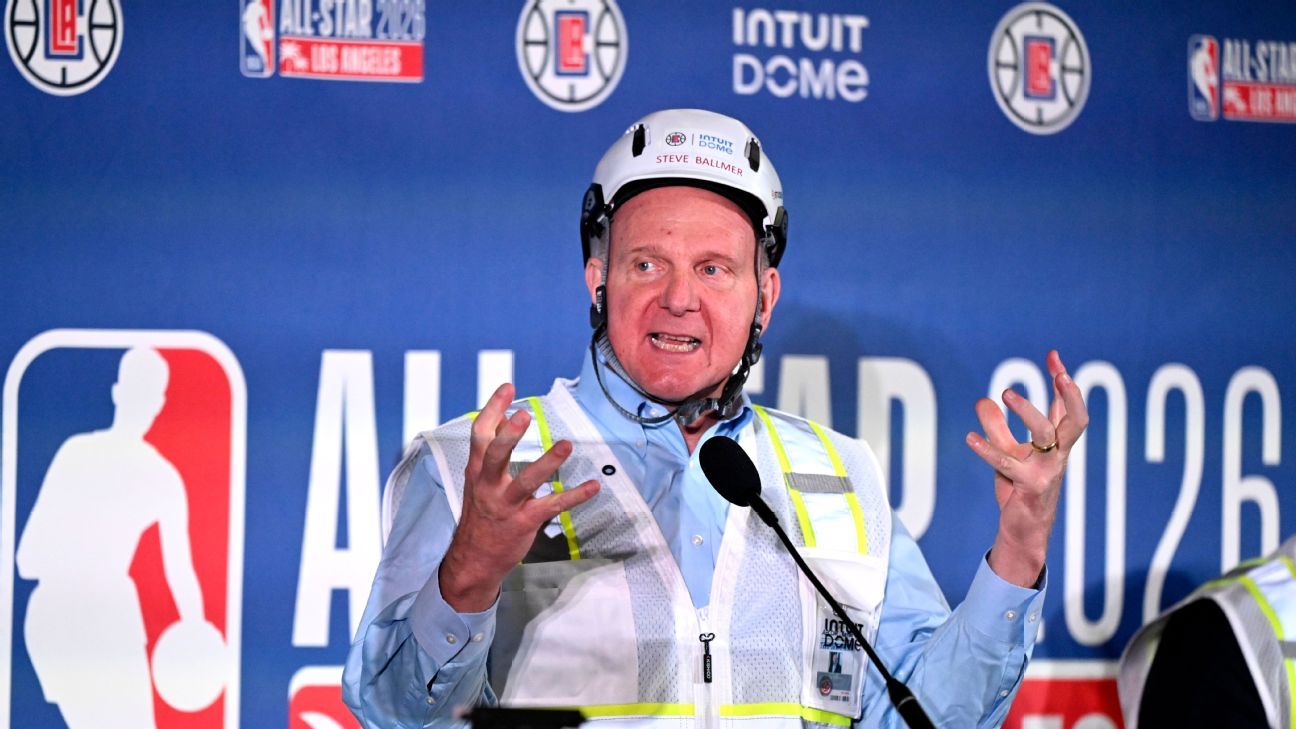
The LA Clippers have undergone a major rebranding, keeping their name but introducing new logos, colors, and uniforms. The team's owner, Steve Ballmer, and his staff sought fan feedback and decided to maintain the Clippers name while updating the logo to incorporate a monogram-style mark with a naval ship motif. The new color scheme emphasizes navy blue, and the team also unveiled new jerseys and court designs. The rebrand coincides with the team's move to the Intuit Dome next season, with a focus on enhancing the fan experience and creating a modern yet timeless look for the franchise.
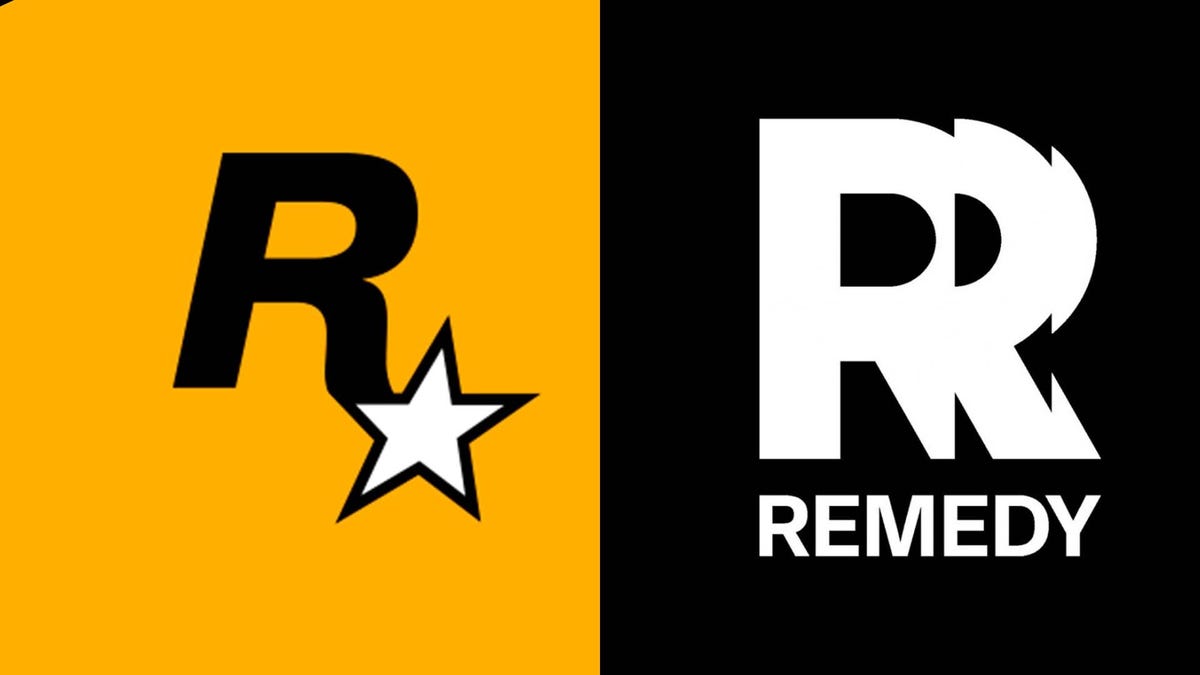
Take-Two Interactive has filed trademark disputes against Remedy Entertainment over the design of Remedy's new logo, claiming it creates confusion with Rockstar Games' logo due to the use of the letter "R." Remedy's lawyer argues that the logos have distinct differences and that the average consumer would not be confused. This is not the first time Take-Two has pursued legal action to protect its trademarks, as they previously pursued a similar claim against indie studio Hazelight Studios.
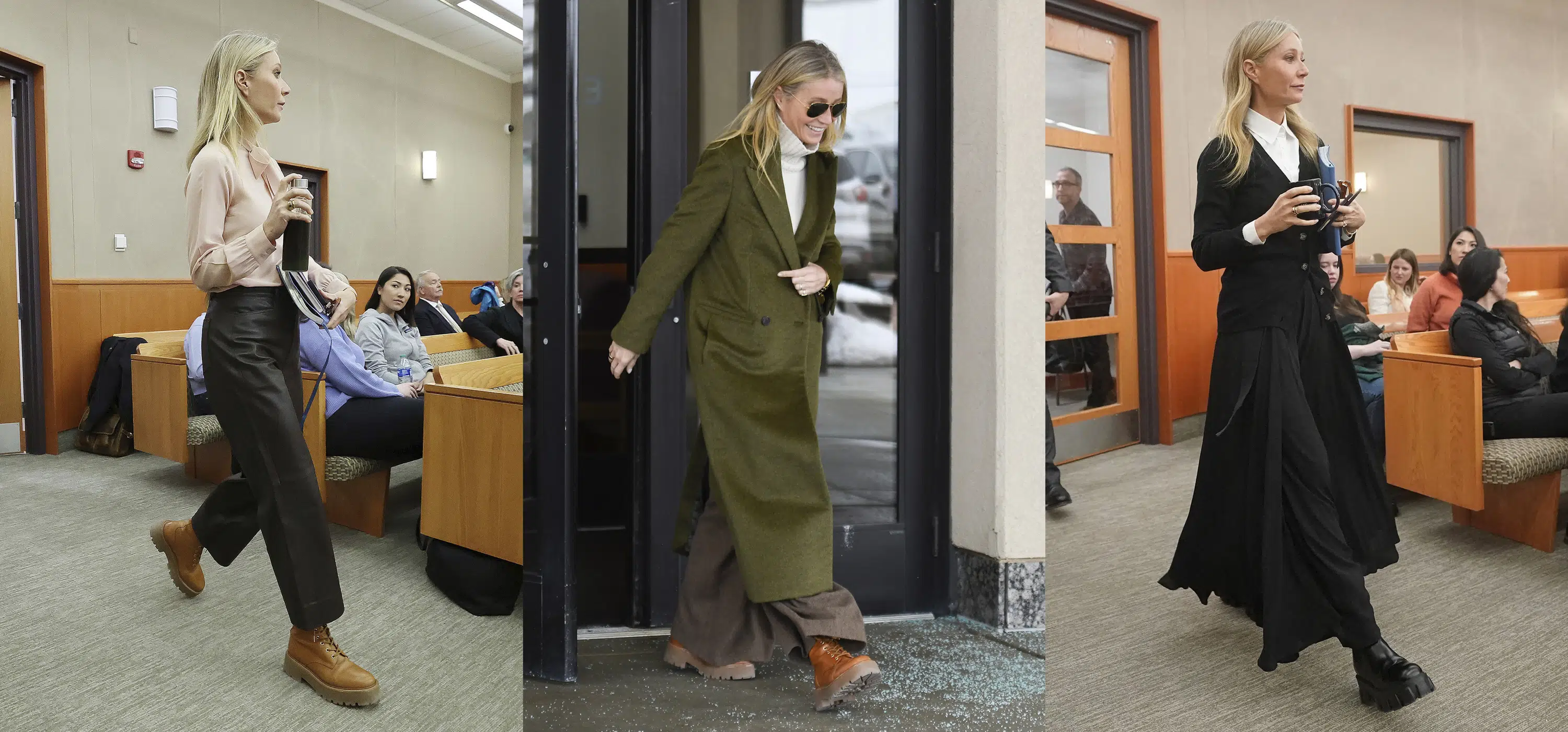
Logo-free fashion with high price tags, known as "quiet luxury" or "stealth wealth," is becoming popular among the rich and aspirational buyers. The trend, which traces its roots back to the 19th-century Gilded Age and France in the 1700s, is characterized by neutral-toned designer clothes without logos or flashy prints. Retailers and designers are taking note of the trend, with some brands leaning into the more classic sensibility. However, analysts note that minimalism isn't everything, and logos and recognizable prints are still popular among some consumers.
Logo-free fashion with high price tags, known as "quiet luxury" or "stealth wealth," is becoming popular among the rich and aspirational buyers. The trend, which traces its roots back to the 19th-century Gilded Age and France in the 1700s, is characterized by neutral-toned designer clothes without logos or flashy prints. Retailers and designers are taking note of the trend, with more brands putting understated yet pricey tones and shapes on runways and shelves. However, fashion cycles generally have counter-moments, and logos, recognizable signature prints, and edgier silhouettes are not going anywhere.