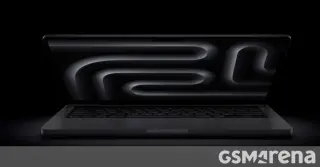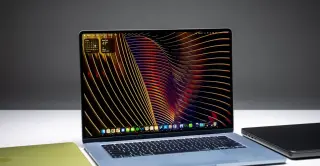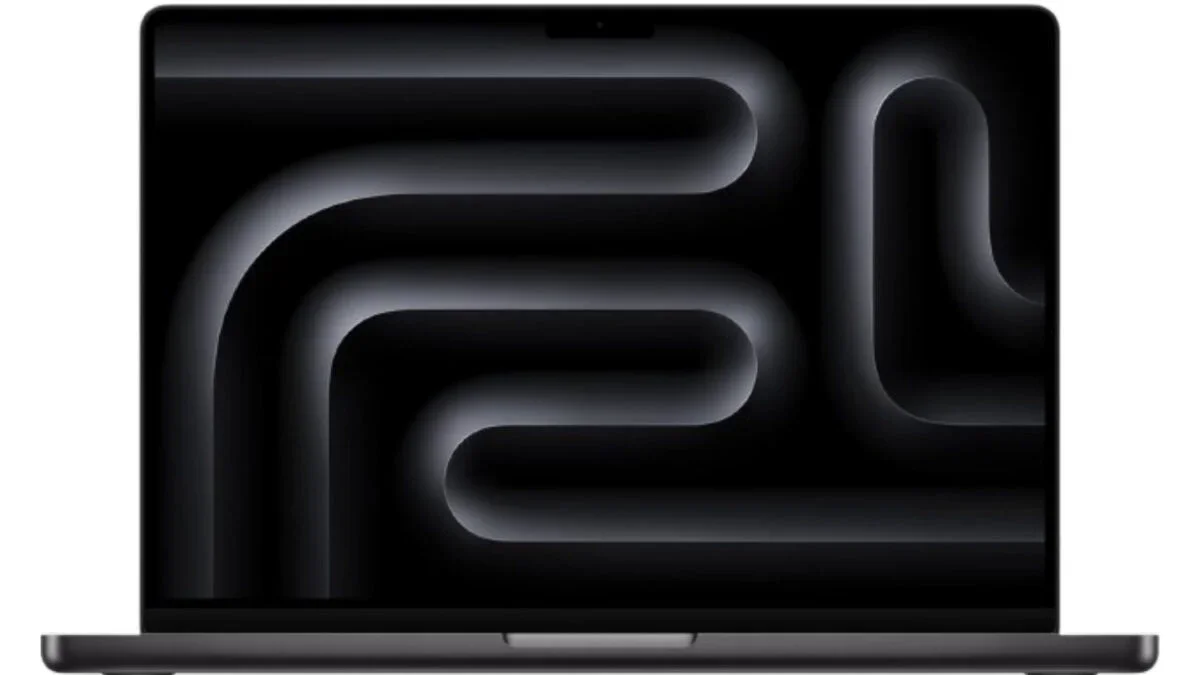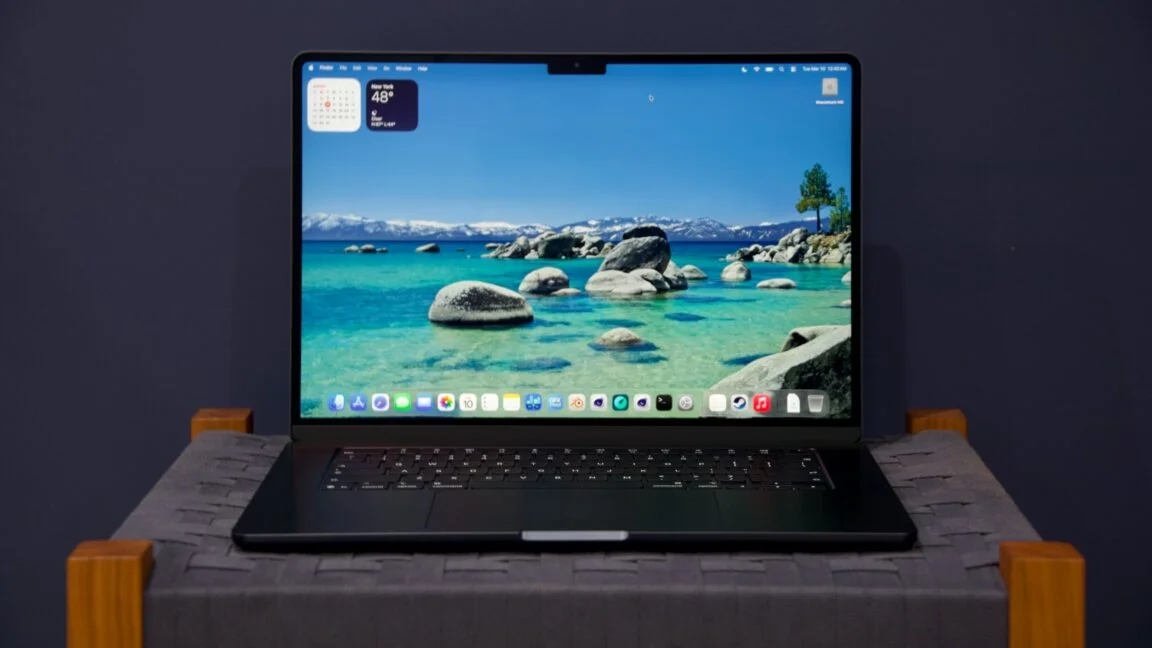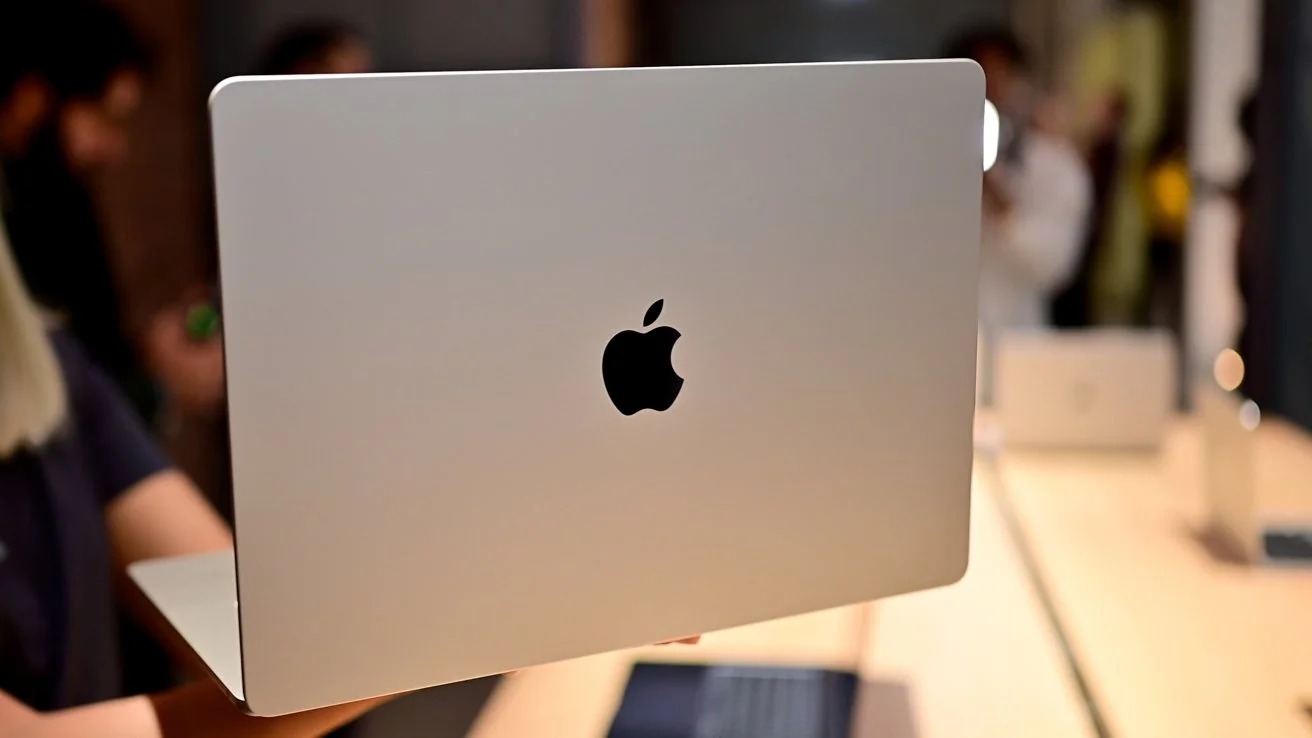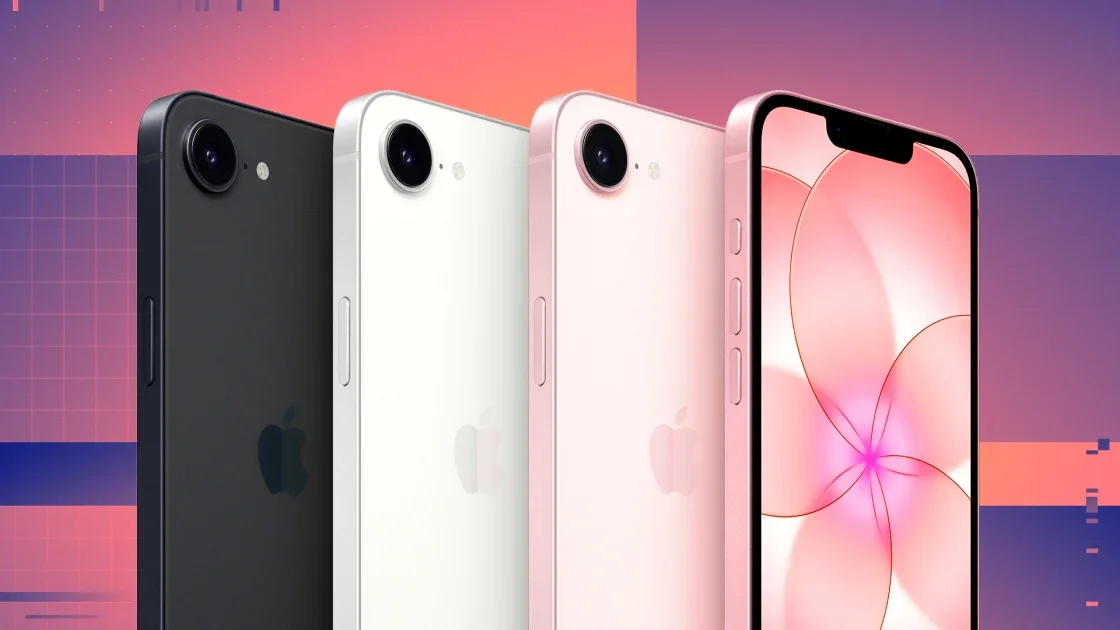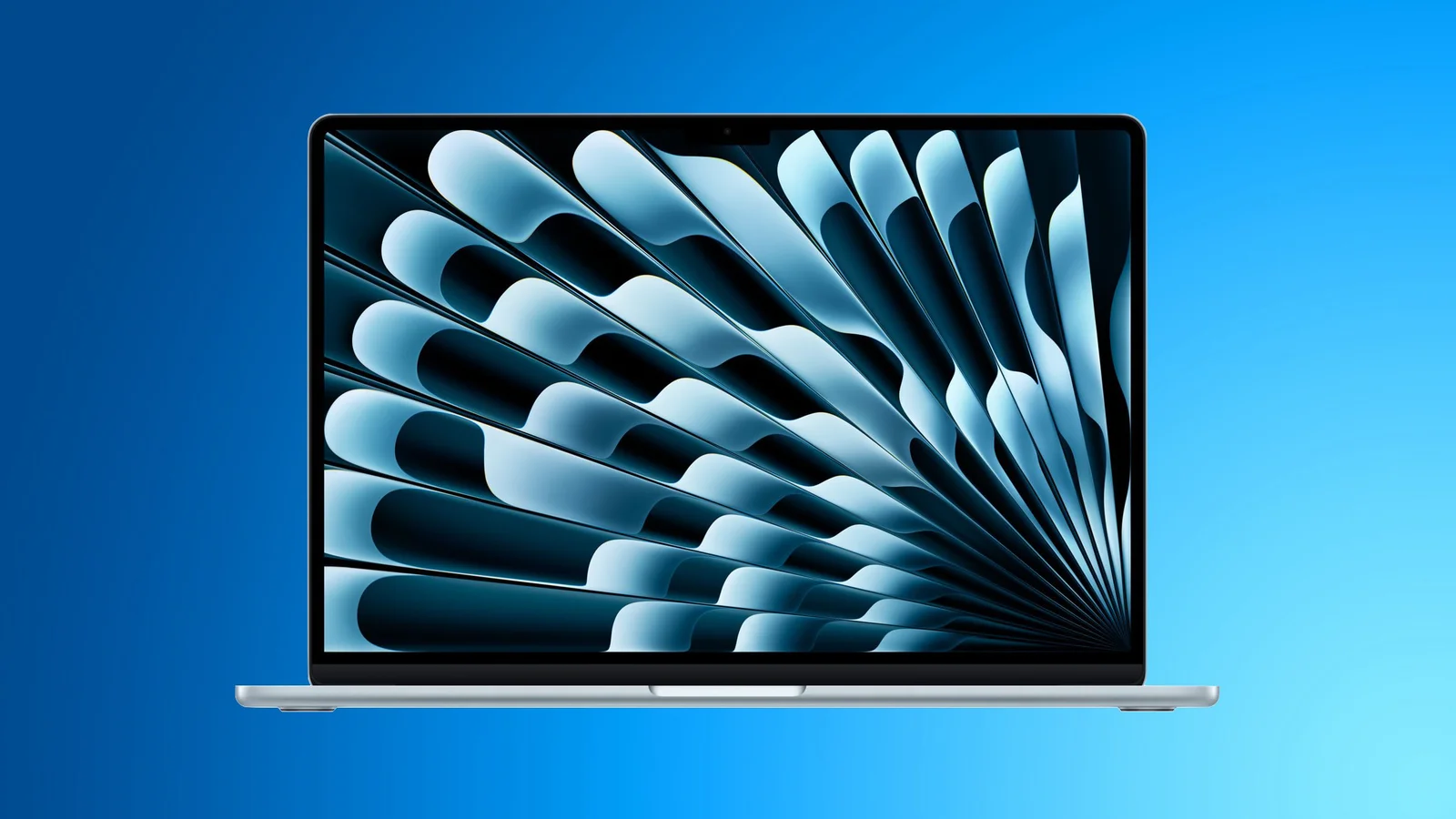
Apple’s 14-inch MacBook Pro (2025, M5) is at its lowest Amazon price: $1,499 (down from $1,699), a 12% cut, with 16GB RAM, 1TB SSD, and up to 18 hours of battery life, making it a strong portable pro option.
Apple has effectively given up on the Vision Pro after the M5 refresh failed to spark demand; despite a faster M5 chip, 120Hz refresh, extra battery life, and a more comfortable band, the $3,499 headset remains heavy and expensive, with insider reports of unusually high returns. The Vision Pro team has been redistributed to other projects (including Siri), and while rumors of a cheaper Vision Air exist, Apple has no plans for a new model and is focusing on AR glasses without a built-in display.
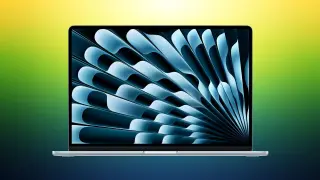
Apple’s M5-powered MacBook Air lands in a muddled middle ground between the budget MacBook Neo and the premium MacBook Pro. It gains notable upgrades (MagSafe, Touch ID, a larger display and better webcam) and real performance boosts over the Neo, but its starting price of about $1,100 narrows the gap to the Pro and raises questions about value for cost-conscious buyers. The Air’s future relevance may hinge on Apple clearly redefining its niche in a lineup that already spans budget, mid-range, and pro-level performance.
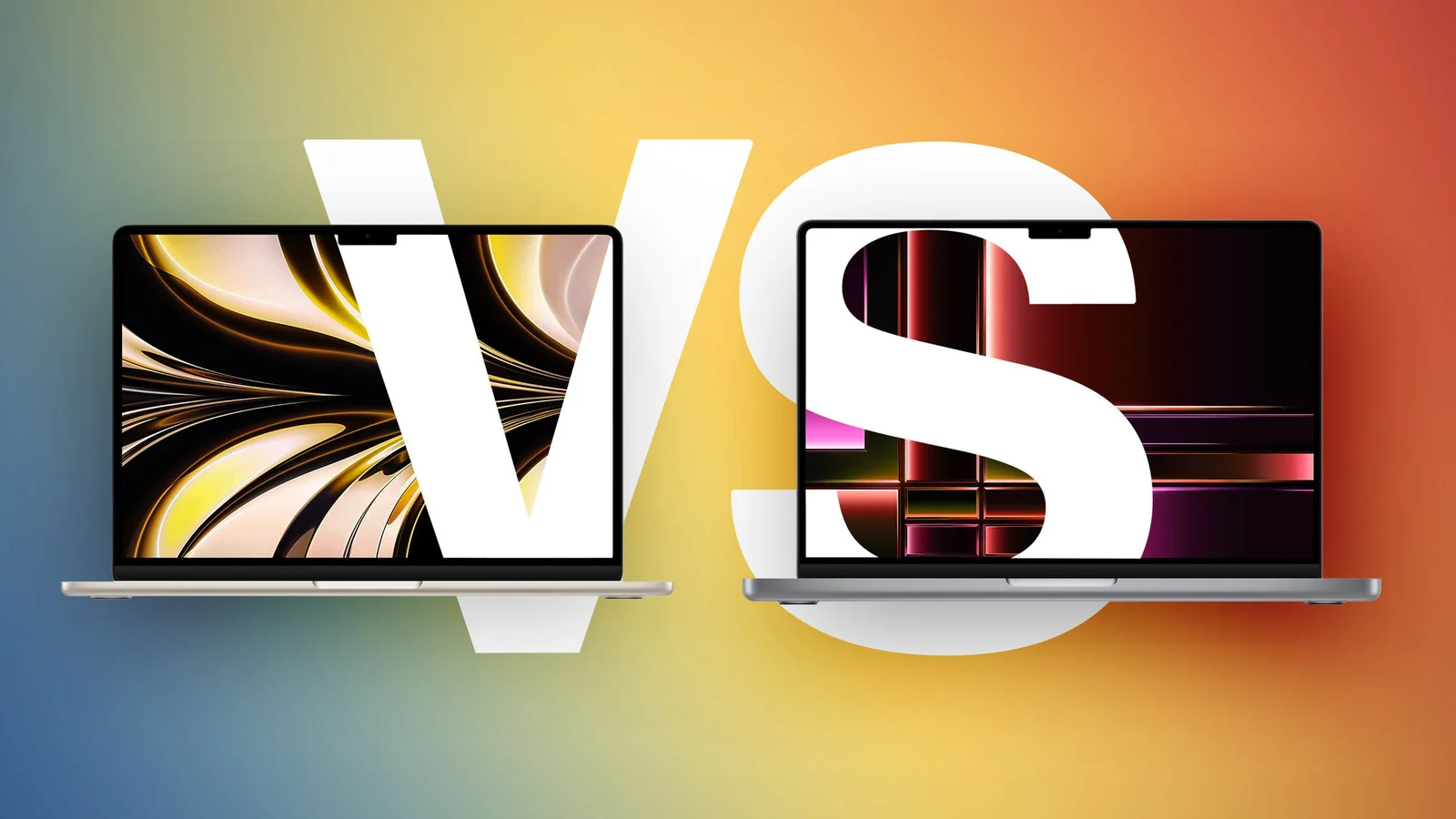
Apple now ships the M5 in three MacBooks: the new MacBook Neo (entry level), the MacBook Air (a middle ground between affordability and performance), and the MacBook Pro (sustained performance with better display and I/O). The Air is thinner and fanless with two Thunderbolt ports, while the 14" Pro features active cooling, a brighter mini-LED display with ProMotion, HDMI, SDXC, an extra TB4 port, and longer battery life. With pricing starting at $1,099 (13" Air) and $1,299 (15" Air) versus $1,599 for the 14" Pro, the decision hinges on whether you value sustained workloads and pro features (Pro) or lighter daily use with solid performance (Air). The three-tier approach makes the Air a balanced option rather than the default, while Neo offers the lowest-cost entry.
Amazon cuts the 2025 MacBook Pro (16GB RAM, 512GB SSD) with the M5 chip to $1,400—its lowest price in a month—highlighting a 14.2-inch Liquid Retina XDR display, strong webcam and audio setup, and seamless Apple ecosystem integration.
The M5 MacBook Air remains the best all‑around choice for most buyers, delivering roughly double the M1 Air’s performance in multi‑core workloads and GPU tasks, a faster CPU, 16GB RAM baseline, 512GB storage, and a quiet, fanless design, all at a higher entry price than before. It sticks to the Air’s mass‑market sweet spot with strong battery life, a bright display, and a comfortable keyboard, while Pro features stay in the higher‑end lineup. The MacBook Neo offers a cheaper alternative but throttles under heavy load, and the Pro line still provides premium displays and ports for those who need them.
The M5-powered Air and 14-inch Pro share the same CPU and Neural Engine, delivering similar short-burst performance, but the Pro uses active cooling, a brighter ProMotion display, and more ports (HDMI, SDXC) at a higher price. The Air stays lighter, fanless, and cheaper, excelling in everyday tasks; the Pro maintains higher sustained performance for long workloads like video rendering or heavy coding. For most buyers, the Air offers better value and portability, while the Pro is worth it for sustained workloads, advanced display HDR, and expanded connectivity.
Apple kicked off its March event with a refreshed iPad Air, followed by new MacBook Air and Pro models powered by the M5 chip, and hints of a low-cost MacBook, with in-person press demos in London, New York, and Shanghai.
Apple is reportedly refreshing the MacBook Air with the M5 chip (3nm, up to 10-core CPU/GPU, 16–32GB RAM, 153GB/s memory, 16-core Neural Engine) to boost CPU/GPU and on-device AI performance, while the design and port layout largely remain the same. Storage stays 256GB–2TB, and pricing is not expected to change (around $1,099). A 13-inch and 15-inch lineup is expected, with two Thunderbolt 4/USB-C ports and Retina LCD display. OLED may come in a future update after Pro models; release could be as soon as next week following Tim Cook’s teaser announcements.
Two years after Vision Pro’s US launch on Feb 2, 2024, the headset has earned praise for visual quality and tracking but faced criticism over price and battery life. Apple released an M5-based update with up to 120 Hz and longer battery life, yet demand remained weak. Several reports have since indicated Apple paused plans for a redesigned Vision Pro and a cheaper Vision Air, winding down first-generation production and shifting resources toward smart glasses, with no active next-generation headset in development.
Speculation is mounting that Apple will unveil new MacBook Pro models with M5 Pro/Max in late January, spurred by the Creator Studio app bundle launch on Jan 28 and Apple’s upcoming Jan 29 earnings call, plus a precedent from January 2023. The current entry-level 14-inch with M5 was updated in October (PCIe 5.0 storage), and the high-end 14-inch and 16-inch models are expected to see few changes this cycle; bigger redesigns—OLED touchscreen, thinner design, built-in cellular, and M6 on a 2nm process—are anticipated for future generations in 2026–27. For most buyers, waiting for M5 Pro/Max or the next-gen upgrades may be prudent unless an upgrade is urgently needed.
Apple is set to launch three new MacBooks in early 2026, including an M5 MacBook Air, higher-end MacBook Pro models with M5 Pro and M5 Max chips, and a new 12.9-inch MacBook with an A18 Pro chip, targeting various user needs and price points.
Black Friday iPad deals are already available, including discounts on all new models and previous generations, with the top deals expected on the latest M5 chip iPad Pro, while other models like the iPad Air and mini also see discounts. Shoppers are advised to research and decide on their preferred configuration beforehand to maximize savings, as retailers across the US and UK are offering significant discounts on various iPad models. Apple typically does not offer direct discounts but may provide gift vouchers, with the best deals found at major third-party retailers.
Apple is expected to release new M5 Mac mini and Mac Studio models in the middle of 2024, with the Mac mini likely not delayed by hardware issues and the Mac Studio possibly waiting for the M5 Ultra chip. The timing seems to be independent of upcoming display launches, and earlier releases are possible.
Apple's latest M5 chips in new devices are highly capable but appear underwhelming compared to the revolutionary M1, highlighting a shift from raw performance improvements to storytelling and user experience, as hardware becomes fast enough that the focus is now on how it enables new creative possibilities.