A federal judge temporarily blocked the Pentagon from labeling AI firm Anthropic a supply-chain risk, delaying the DoD’s ability to apply the risk tag and highlighting judicial scrutiny of government risk assessments on AI vendors.
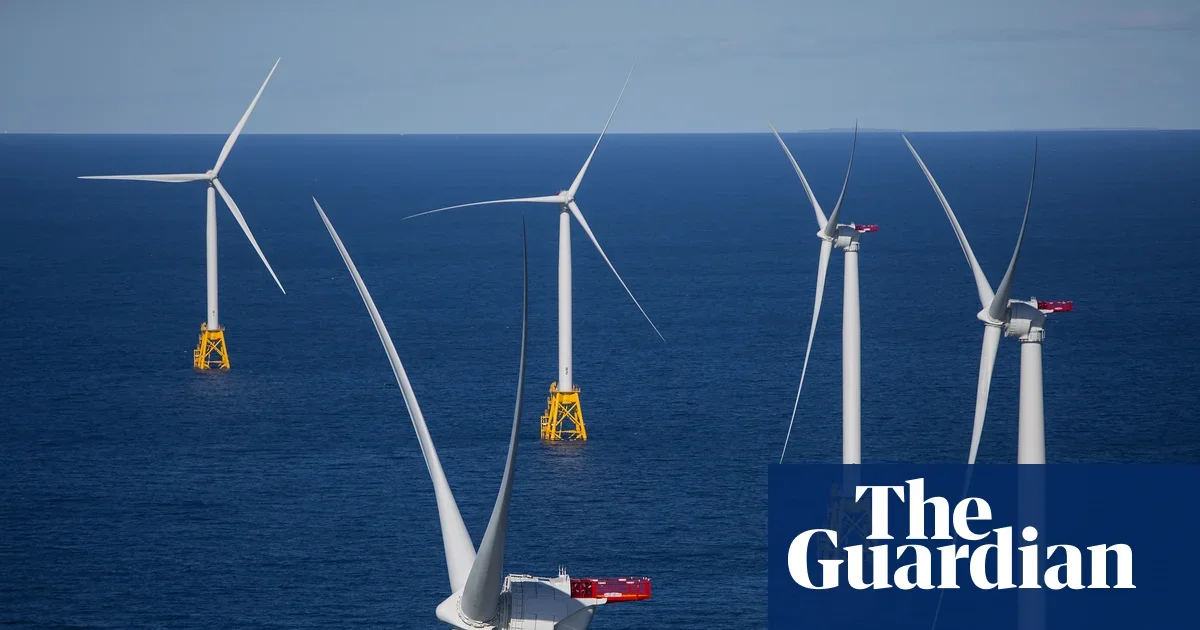
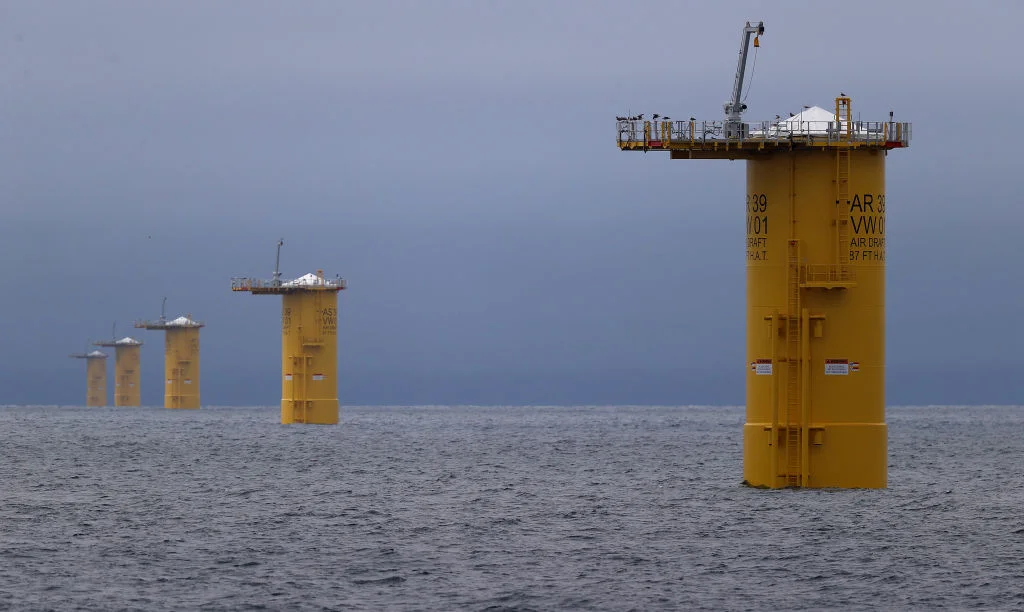
A federal judge granted an injunction allowing Ørsted’s Sunrise Wind project off New York to resume construction after the Trump-era halt on five offshore wind leases, ruling that the delays could cause irreparable harm due to loss of a specialized installation vessel; Sunrise Wind is about 45% complete and, once built, would power roughly 600,000 homes, with operation possible as soon as October, while the underlying lawsuit challenging the stop-work order continues.
Courts in multiple districts blocked the Interior Department’s order to halt five offshore wind projects, granting temporary injunctions that allow ongoing construction to continue while final rulings are issued; the government’s classified national-security justification was not persuasive, and projects nearing completion are likely to finish despite potential appeals.
A federal judge issued a preliminary injunction blocking New Hampshire from ending its motor vehicle inspection program, in a lawsuit by Gordon-Darby Inc., ordering the state to resume and enforce the program. The ruling cites potential violations of the Clean Air Act if the program were ended without EPA approval, which has not yet been granted.
Six major medical associations, including the American Academy of Pediatrics and the Infectious Diseases Society of America, asked a federal judge to reverse the CDC’s newly revised childhood vaccine schedule and to block ACIP’s planned February meeting, arguing the changes lacked new safety evidence and were driven by a directive from Health and Human Services Secretary Kennedy after he replaced the previous advisers. The groups want the schedule restored to the April 2025 plan and to replace Kennedy-appointed ACIP members, as a wider litigation over vaccine guidance unfolds; the CDC maintains the process was lawful and insurers will continue covering vaccines the same as before, with ACIP’s February meeting still on the calendar.
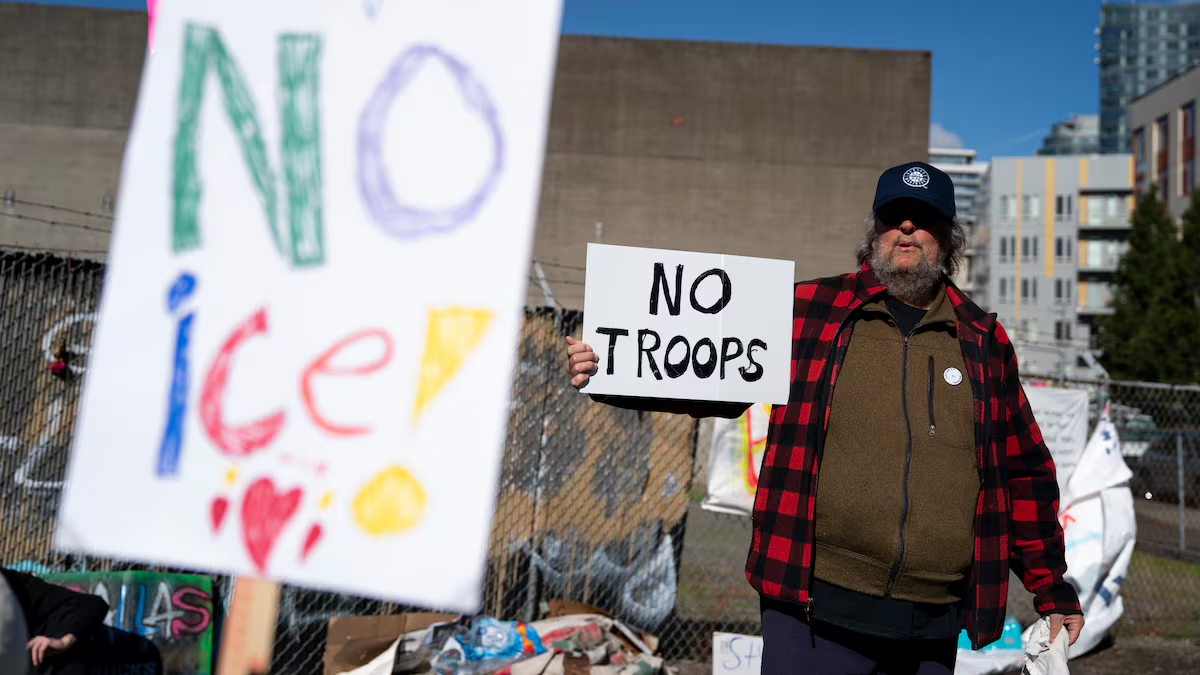
A U.S. district court judge has temporarily blocked the deployment of the National Guard to Portland, Oregon, until November 7, amid ongoing legal disputes over the legality of the federal government's efforts to send troops to manage protests and protect federal facilities.
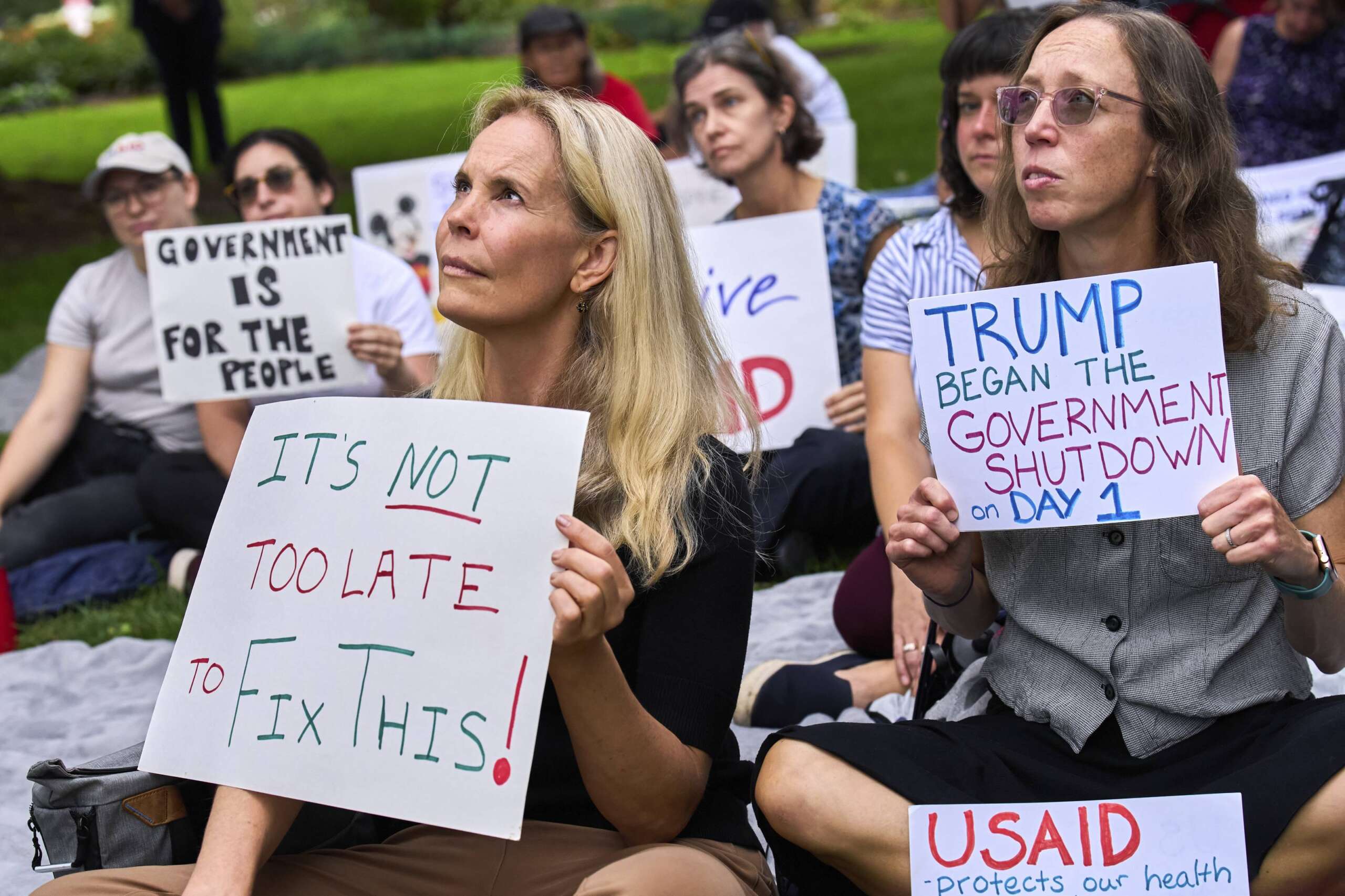
A federal judge in San Francisco has temporarily blocked the Trump administration from proceeding with layoffs of about 4,000 federal employees during the government shutdown, citing concerns of political retribution and unlawful agency actions, while the case continues.
A federal judge in San Francisco has indefinitely blocked the Trump administration from firing federal workers during the government shutdown, citing likely legal violations and political motivations, as labor unions challenge the layoffs and cuts to social programs amid ongoing political negotiations.
Federal employees are facing a second round of layoffs and furloughs amid the ongoing government shutdown, causing significant financial and emotional distress, with some receiving multiple RIF notices and fearing loss of health coverage and income, despite a court temporarily blocking many of these layoffs.
The Supreme Court declined Google's request to block court-mandated changes to the Google Play Store following a legal victory by Epic Games, requiring Google to allow third-party app stores, share app catalogs, and permit alternative payment methods, with some provisions set to take effect soon. Google plans to continue its legal appeal, while Epic Games celebrates the decision that could increase competition and user choice in app payments.
A federal judge temporarily blocked President Trump from firing Federal Reserve Governor Lisa Cook while her lawsuit challenging her removal is ongoing, citing concerns over the violation of the Fed's independence and the 'for cause' removal provisions. The case highlights tensions over presidential influence on Fed appointments and dismissals.
A U.S. federal judge temporarily blocked the deportation of hundreds of Guatemalan children, citing legal protections for unaccompanied minors and concerns over their rights to due process, amid a controversial deportation effort by the Trump administration.
A federal judge in Manhattan blocked the Trump administration from enforcing sanctions on U.S. law professors working with the ICC, citing First Amendment rights and ruling that the sanctions violate constitutional protections, allowing the professors to continue their support for the ICC's investigations.
A Texas federal court temporarily blocked a law requiring public schools to display the Ten Commandments, citing potential violations of the First Amendment and concerns over religious coercion, with the state planning to appeal the decision.
A fourth court has blocked President Trump's order restricting birthright citizenship nationwide, siding with immigrant rights advocates and highlighting ongoing legal battles over the interpretation of the 14th Amendment and the scope of judicial authority following a Supreme Court ruling.