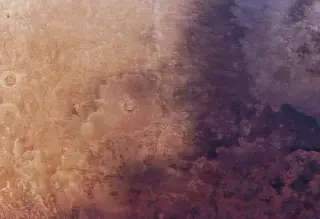
Mars’s 50-Year Shadow Keeps Expanding, but Scientists Remain Stumped
A dark patch of ash and volcanic rocks in Mars’ Utopia Planitia has gradually expanded since it was first photographed in 1976, with its southern boundary moving at least ~320 km (about 200 miles) and the patch growing around 6.5 km per year. Scientists aren’t sure why this is happening; leading possibilities include winds moving the ash or blowing away overlying ochre dust. ESA and other missions have provided updated images and context, linking the region to Mars’ complex geology, possible ancient oceans, grabens, and buried ice, all of which influence ongoing questions about the planet’s climate and tectonics.