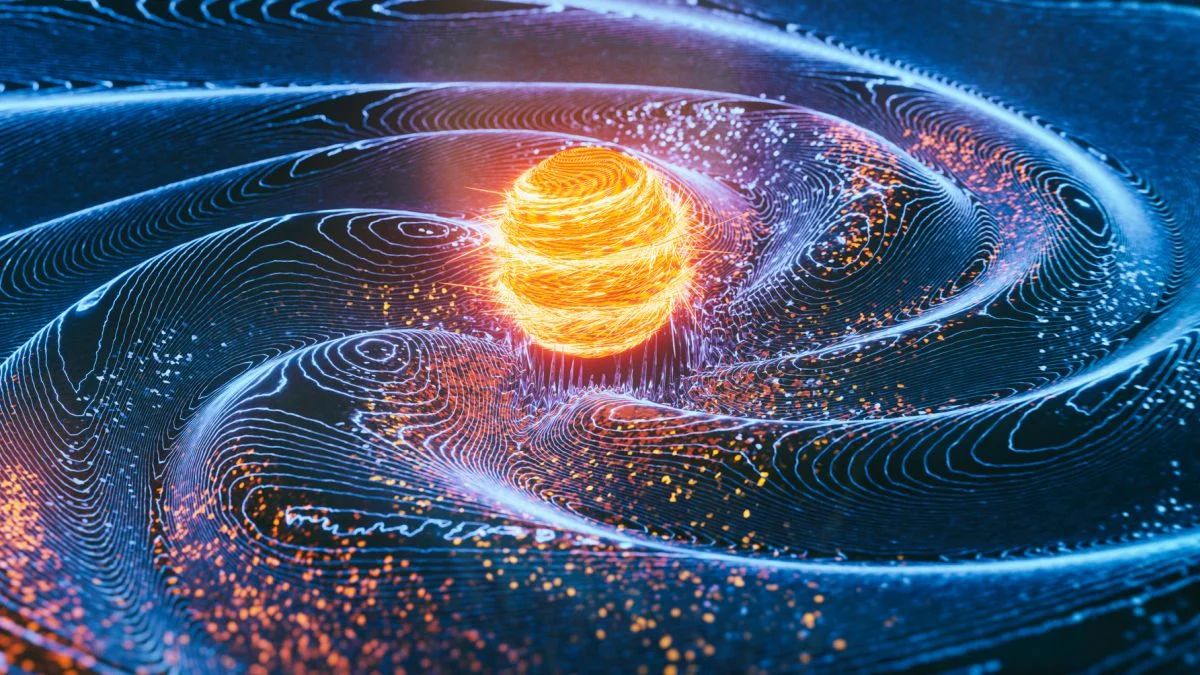
Vacuum spawns matter: particles emerge from empty space in collider experiments
In high-energy proton collisions, scientists observed particle pairs emerging directly from the vacuum, with correlated spins that persist through short-lived decays, suggesting vacuum fluctuations contribute to the mass and structure of visible matter. Data from Brookhaven’s RHIC using the STAR detector point to vacuum as an active source of matter, offering a new way to study how vacuum structure, spin, and mass generation are connected, while further tests at different energies are planned.