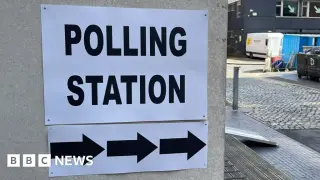
Polling stations opened at 07:00 across Greater Manchester for a new mayoral election triggered by Andy Burnham’s resignation; seven candidates are standing, and voters will use the supplementary vote (first and optional second choice). Polls close at 22:00, with counting starting Friday and the GMCA coordinating the tally to determine the winner.
Los Angeles’ homelessness numbers rose in the latest LAHSA count, with overall homelessness up 3.4% and unsheltered homelessness up 7.9%, a setback for Mayor Karen Bass as she runs for reelection. Bass notes funding and service gaps as drivers while highlighting progress like moving more than 6,000 people indoors; however, a notable share of those housed through her Inside Safe program have returned to homelessness, underscoring ongoing challenges and political sensitivity around the issue ahead of the November vote. Countywide figures show smaller increases and LAHSA faces federal funding scrutiny and structural debates.
Los Angeles Mayor Karen Bass’s reelection campaign has parted ways with its top strategist, Douglas Herman, citing strategic differences. Julie Chávez Rodríguez, a veteran of Obama and Biden campaigns, will lead the effort into the November runoff against City Councilmember Nithya Raman.
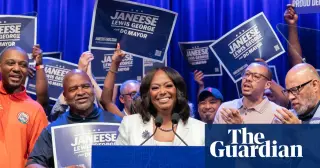
Democratic socialist Janeese Lewis George won DC's mayoral nomination in the city's ranked-choice primary after Kenyan McDuffie conceded, setting up what is expected to be her becoming DC's next mayor in the November general election. Her platform centers on expanding childcare, education, and housing, and ending the district's cooperation with federal immigration enforcement. The race drew national attention amid remarks from Donald Trump; in other results, Robert White won the non-voting House delegate seat as Eleanor Holmes Norton retires.
LA’s mayoral primary vote-count moved slowly, with Spencer Pratt’s lead over Nithya Raman shrinking from more than 20,000 to about 7,500 as roughly 78% of ballots had been counted; Pratt posted a meme joking about how votes get counted. Federal prosecutors announced election-fraud inquiries related to California’s voting process, adding scrutiny of LA’s ballot operations and the registrar’s office.
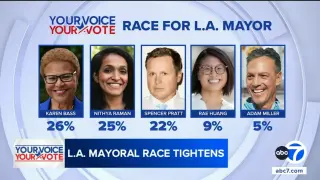
A UC Berkeley–LA Times poll shows a tight three‑way race for LA mayor: Bass 26%, Raman 25%, Pratt 22% (margin of error 3%), with 10% undecided and minor candidates Rae Huang and Adam Miller siphoning votes. The top two will advance. The governor race also shows competition, with Becerra leading Hilton.
A Berkeley Institute of Governmental Studies poll for the LA Times shows Mayor Karen Bass in a razor-thin primary against Nithya Raman and Spencer Pratt, with Bass at 26%, Raman 25% and Pratt 22% among likely voters. About 63% say Los Angeles is on the wrong track, underscoring Bass’s vulnerability as momentum shifts. Bass’s favorability is 35% favorable to 57% unfavorable, while Raman is 40% favorable and Pratt 25% favorable. Pratt, a reality-TV figure, has channeled anger over homelessness, public safety and wildfire response into a campaign, and Raman—previously Bass’s ally—has framed the race around government dysfunction. Bass’s campaign points to internal polling suggesting stronger numbers. The survey of 1,351 voters conducted May 19–24 has a 3-point margin of error.
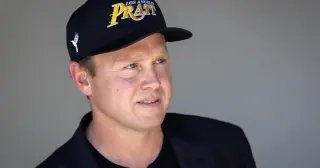
Spencer Pratt, the Hills alumnus who lost his Palisades home in the January 2025 wildfire, has entered Los Angeles’ nonpartisan mayoral race as an outspoken outsider, leaning on his Hollywood notoriety and social-media savvy to highlight crime, homelessness and city accountability. With high-profile donors, an aggressive online presence, and a Trump-style persona, Pratt has surged into polling attention and positioned himself for a top-two finish, though experts question his viability in a blue city’s runoff and his controversial past—Infowars appearances and on-screen persona—continue to shape how voters and analysts view his bid.
In Emerson College Polling’s latest survey, Los Angeles Mayor Karen Bass leads the mayoral field with about 30% but remains short of a majority, making a runoff with Spencer Pratt or Nithya Raman likely; Pratt is at 22% and Raman at 20%. In California’s governor race, Xavier Becerra has surged to 19% with Tom Steyer and Steve Hilton tied at 17%, signaling a tight primary as undecided voters shrink ahead of the June 2 vote.
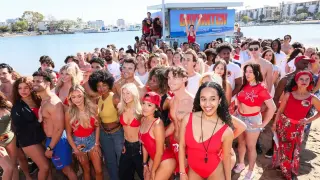
LA’s film and TV production downturn has become a campaign flashpoint as Mayor Bass, challenger Raman, and outsider Spencer Pratt pledge reforms to FilmLA, faster permit approvals, and fee waivers for small productions. The Baywatch setback and tough Venice Beach permitting highlighted bureaucratic red tape amid a sharp drop in shoot days (TV down over 50% and features down over 30% in 2025), prompting California and other states to boost incentives. The LA City Council has moved to audit and streamline rules, with proposals for microshoots and fee relief; Raman argues the city needs more urgency, while Bass says progress is underway and aims to refine policies, and Pratt calls for sweeping concessions. This debate underscores the jobs at stake in Hollywood’s backyard and could influence the election outcome.
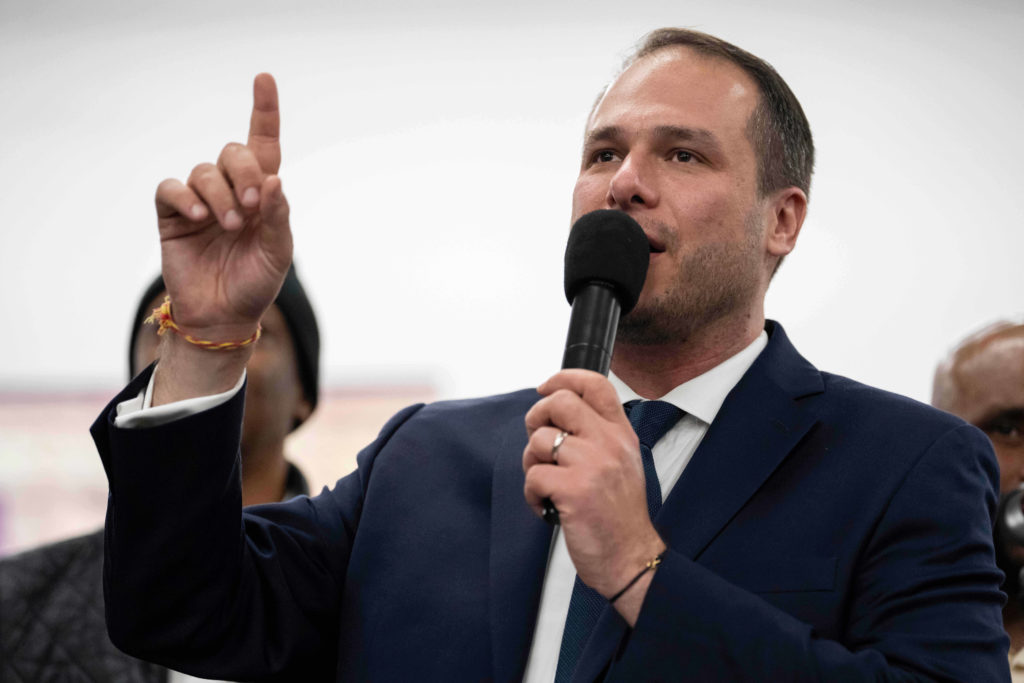
James Solomon was elected mayor of Jersey City, defeating ex-Governor Jim McGreevey in a runoff, with a platform focused on making the city more affordable and addressing rising costs and development issues.
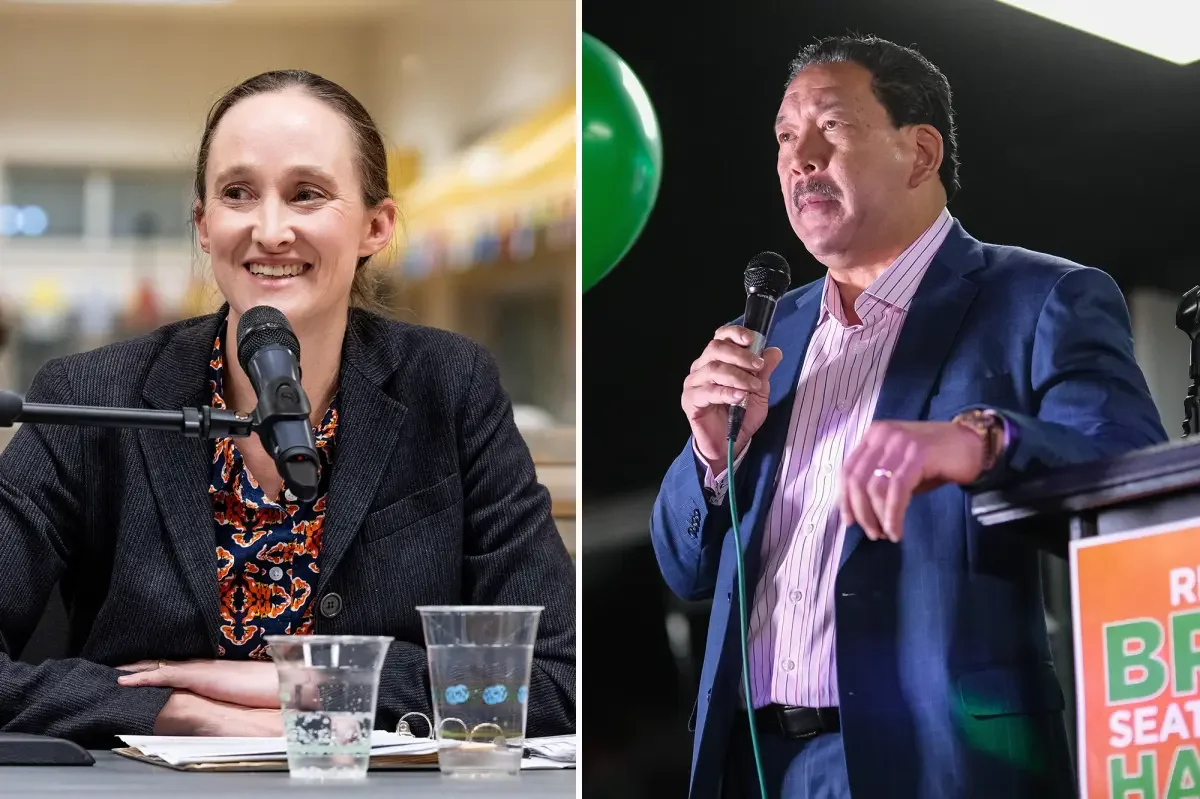
Lefty Seattle mayoral challenger Katie Wilson is narrowly leading incumbent Bruce Harrell as vote counts continue, with her parents in New York providing financial support for her childcare expenses, highlighting her campaign focus on issues like homelessness and affordable childcare.
Zohran Mamdani won the New York City mayoral race, overcoming significant opposition from the city's wealthy elite, who initially opposed him but are now offering support and assistance in his governance, signaling a potential shift in power dynamics.
Zohran Mamdani won the NYC mayoral race, challenging the influence of billionaires who previously opposed him, and now some Wall Street figures are offering support despite earlier criticisms and political tensions.