
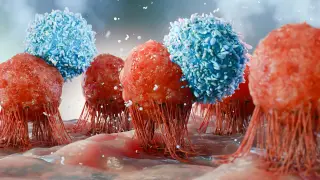
MEK Inhibitors May Prevent T Cell Burnout in Cancer Therapy
Researchers at Memorial Sloan Kettering Cancer Center have identified the signaling molecule MEK as a key driver of T cell exhaustion, a state where immune cells burn out before eliminating tumors. Published in Immunity, the study suggests that blocking MEK can reduce the metabolic strain on T cells, allowing them to persist longer and potentially enhancing the effectiveness of various immunotherapies. While MEK activity helps T cells attack cancer aggressively, excessive activity leads to rapid energy depletion. By inhibiting MEK, T cells can conserve energy and maintain a sustained response, particularly for patients with large tumors or low immune cell counts. The findings suggest that FDA-approved MEK inhibitors could be repurposed to improve outcomes in checkpoint inhibitor therapy, CAR T cell therapy, and other immune-based treatments, though the approach requires careful patient selection to balance intensity and longevity.