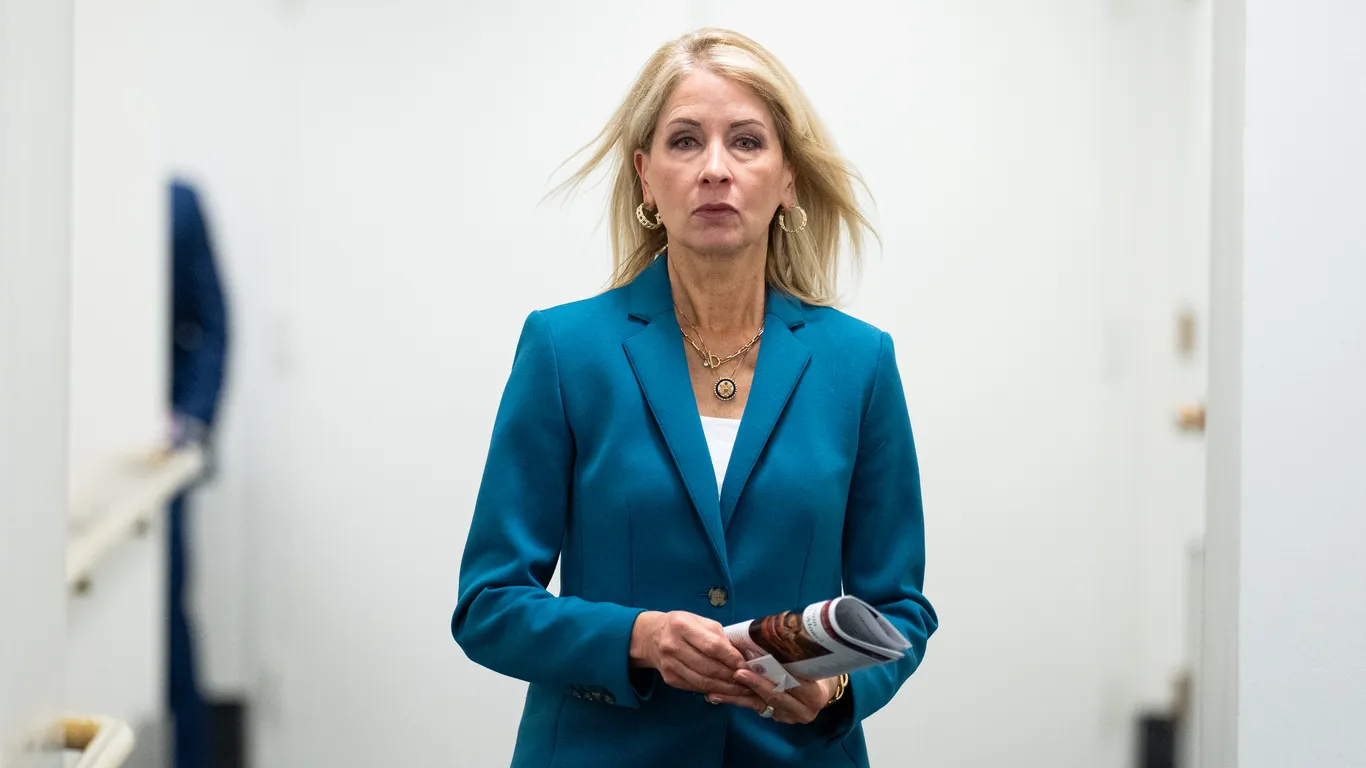
CNN’s Omar Jimenez pressed Rep. Nancy Mace on Islamophobic posts and her blanket assertion that Muslims are a threat, delivering a pointed First Amendment defense of freedom of religion for all Americans.
Five people were injured in Edinburgh in what authorities describe as attacks that appeared to target Muslims. Police are treating the incidents as possible hate crimes, reviewing evidence and footage, and appealing for witnesses to come forward as they investigate motives and collaborations behind the attacks.
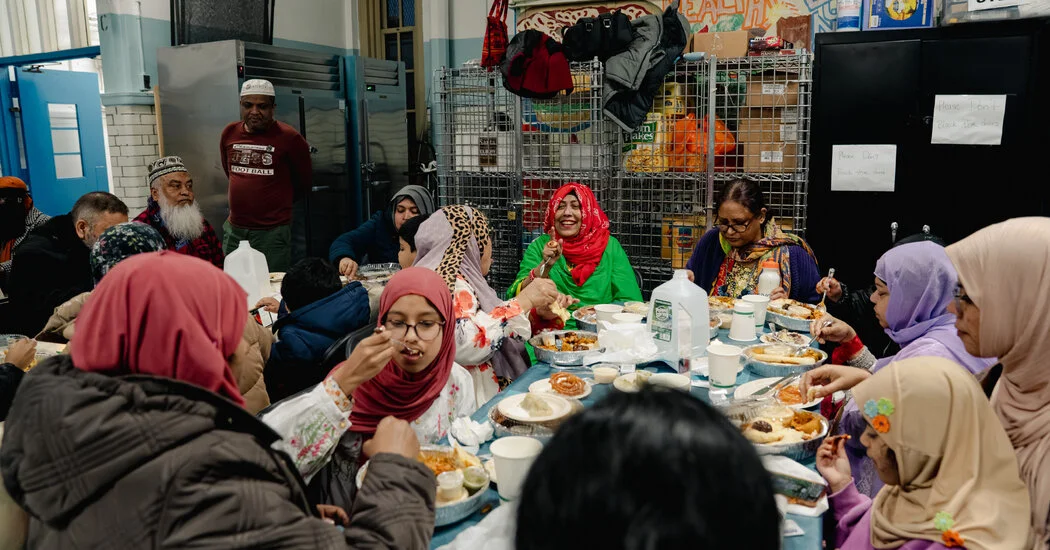
New York City observes its first Ramadan under Mayor Zohran Mamdani, with residents gathering for a predawn suhoor in Brooklyn and highlighting the city’s diverse Muslim life as the year’s holiday unfolds.
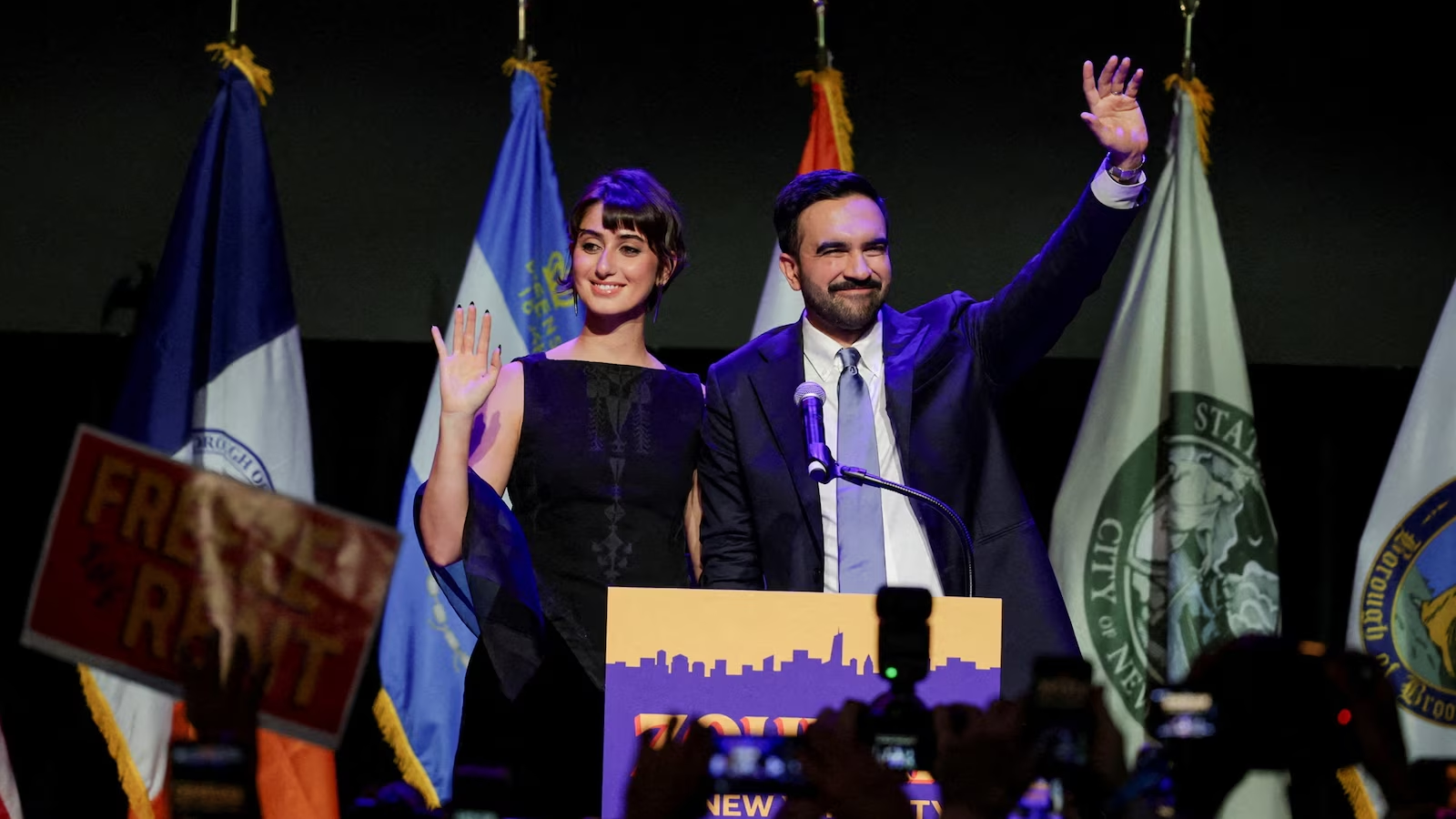
Zohran Mamdani's projected victory as New York City's first Muslim and South Asian mayor marks a historic milestone, boosting political engagement among these communities and inspiring a broader conversation about representation and diversity in U.S. politics.
Rep. Mary Miller faced bipartisan criticism after mistakenly identifying a Sikh man as Muslim and stating he should not have led the House prayer, reflecting ongoing issues of religious intolerance and misinformation in Congress.
Eid al-Fitr is a significant Islamic festival celebrated twice a year, marking the end of Ramadan and the Hajj pilgrimage. It involves special prayers, greetings, sweet dishes, gift-giving, and acts of forgiveness. Eid al-Adha, the "feast of the sacrifice," commemorates Ibrahim's willingness to sacrifice his son. Both festivals vary in celebration practices across different countries and are based on the lunar Islamic calendar. Eid al-Fitr is also a time for charity and reflection on Allah's provision of strength and endurance.
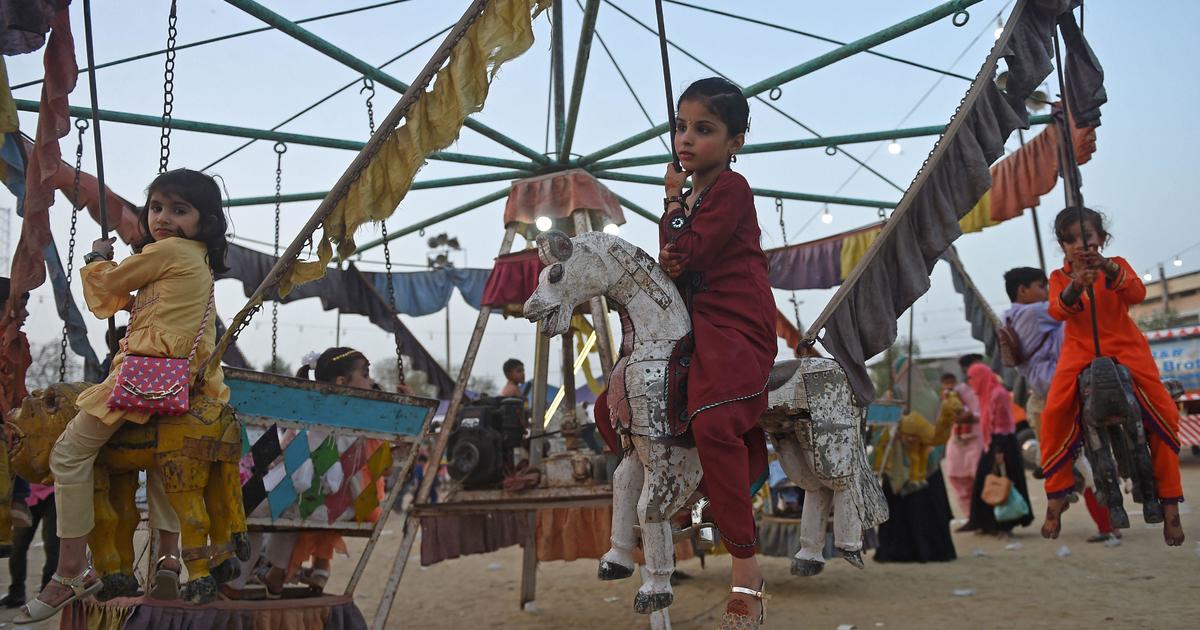
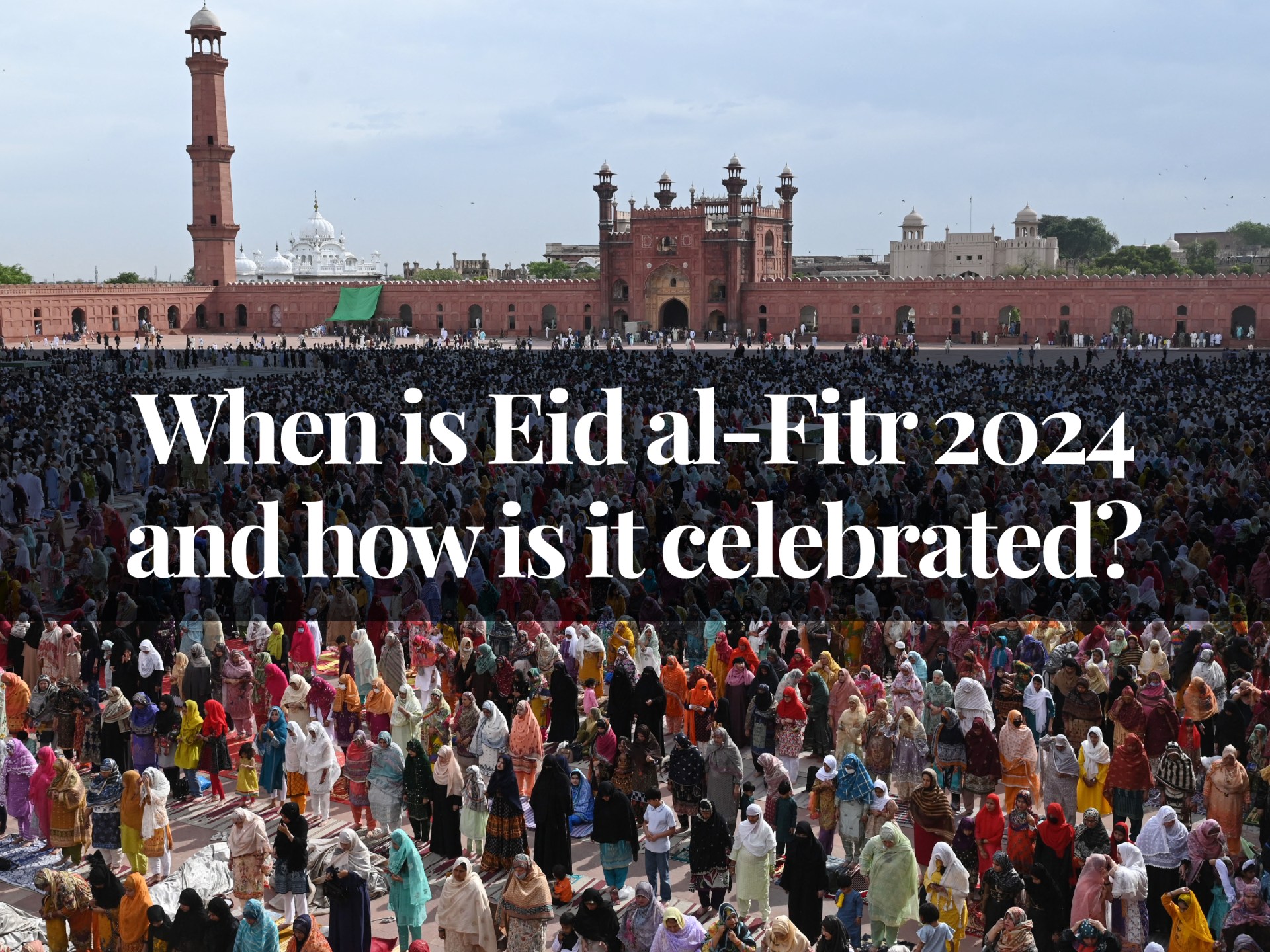
Muslims around the world will celebrate Eid al-Fitr on Wednesday, April 10, marking the end of Ramadan. With approximately 1.9 billion Muslims globally, Eid is celebrated in various languages and traditions. The most common greetings include "Eid mubarak" and "Eid sa’id," with celebrations typically involving prayer services, visiting relatives, and exchanging sweets. Indonesia, Pakistan, India, Bangladesh, and Nigeria have the highest Muslim populations, and the holiday duration varies by country.
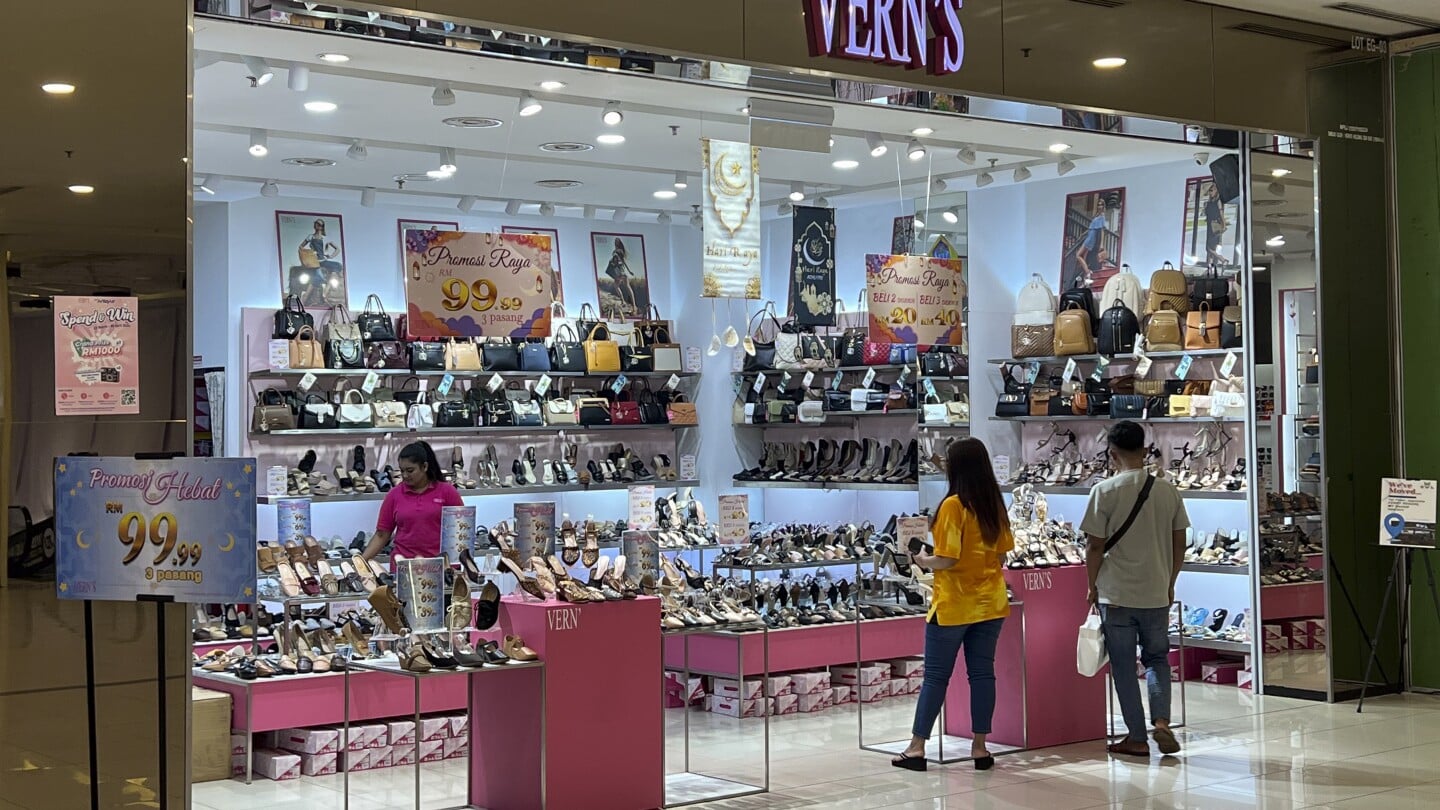
A Malaysian shoe company has apologized and ceased sales of some high-heeled shoes after facing backlash from Muslims who claimed the logo on the soles resembled Arabic writing for the word God. The company acknowledged the design's shortcomings and expressed no intention to insult any religion. This incident follows a recent controversy over socks printed with the word "Allah," which led to charges against a convenience store chain and supplier. Tensions remain high, with religious authorities and police investigating the shoe logo matter, while a nationalist party's youth leader faces investigation for calling for a boycott of the chain.
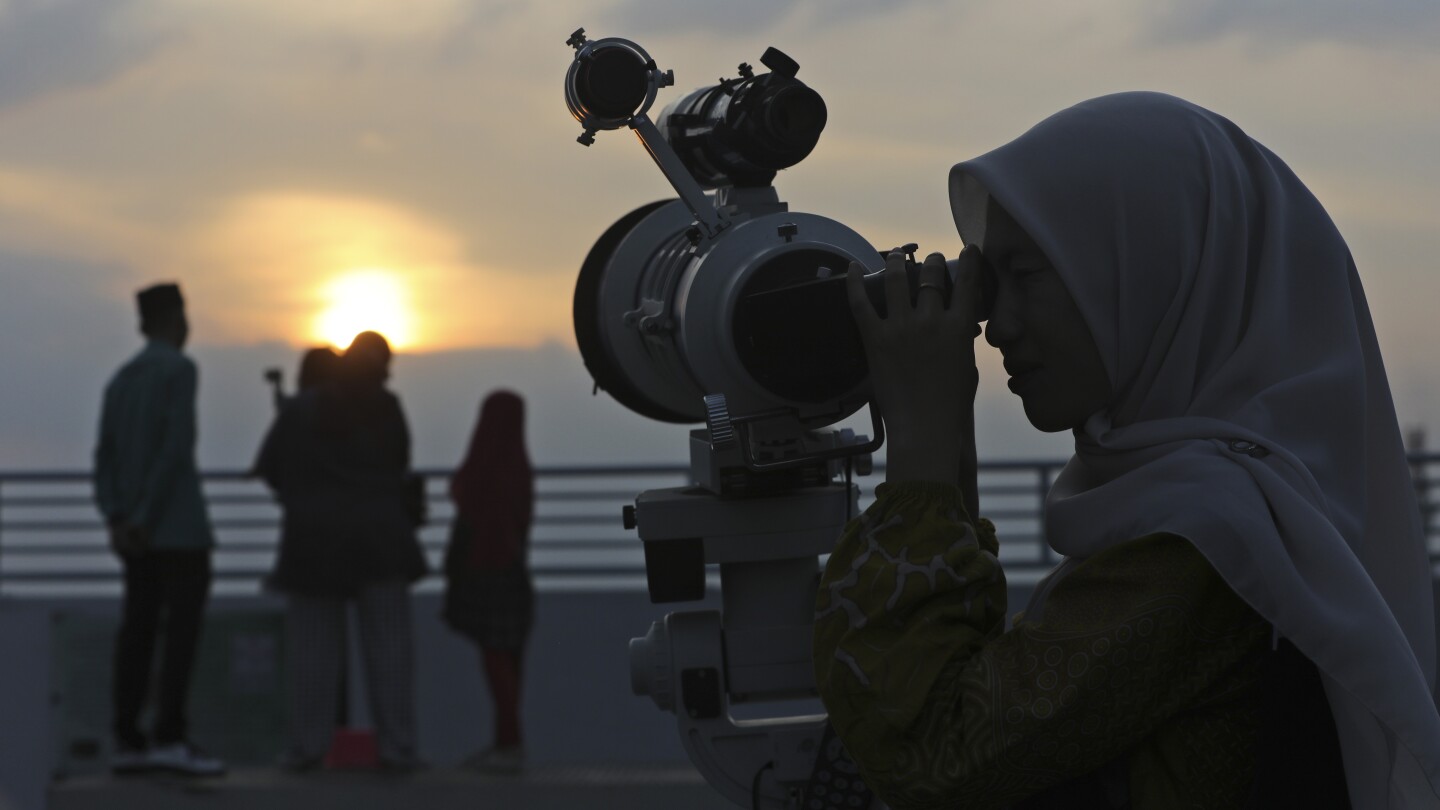
Eid al-Fitr, the festival marking the end of Ramadan, is expected to begin on Wednesday, April 10, 2024, based on the sighting of the crescent moon. Muslims celebrate with prayers, sweet treats, visiting relatives, and giving gifts to children. The festival varies by country, with some traditions including decorating hands with henna and visiting graveyards. However, in Gaza, the holiday will be overshadowed by the aftermath of recent attacks. Common greetings for Eid include "Eid Mubarak" and "Eid sa'id".
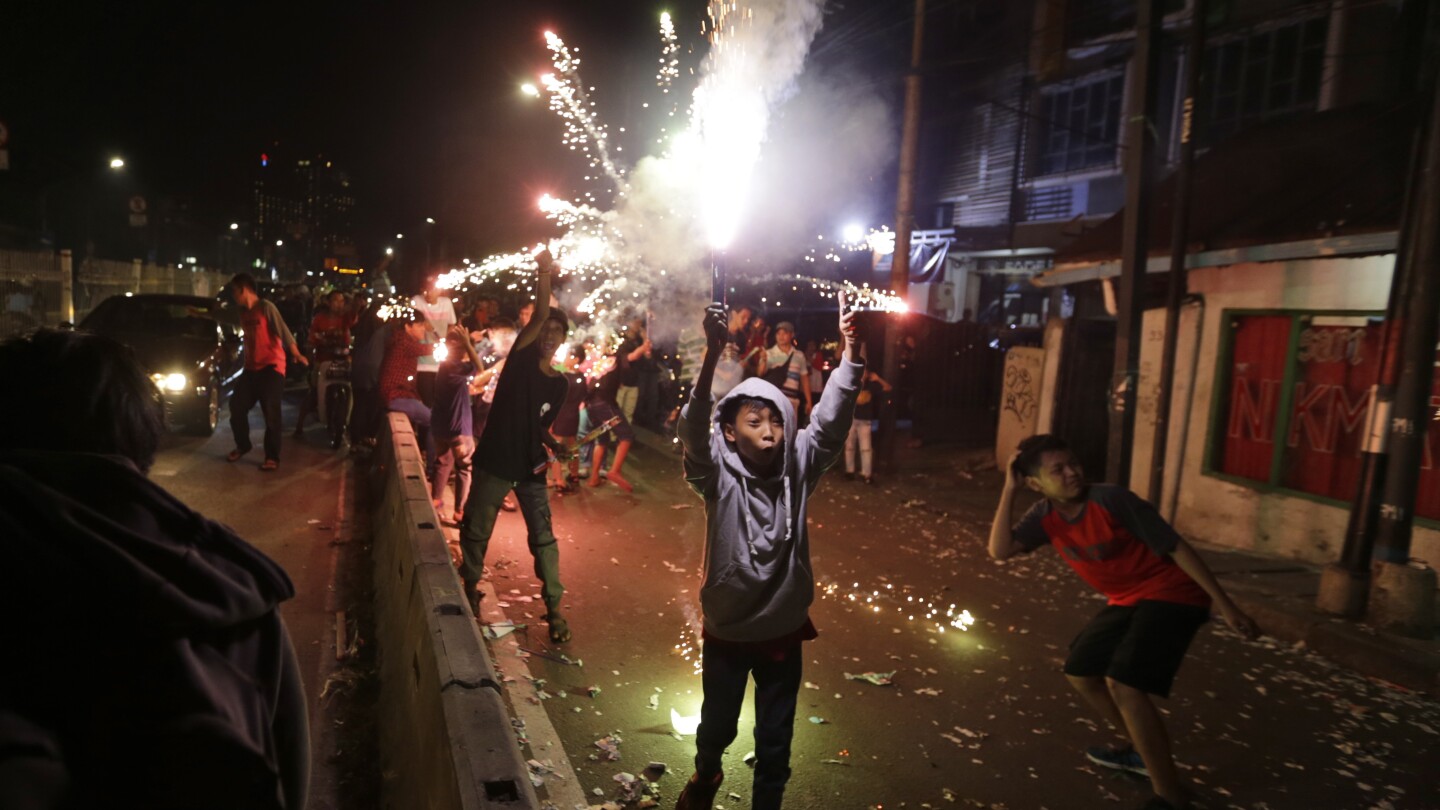
Eid al-Fitr is an Islamic holiday marking the end of Ramadan, celebrated with congregational prayers, family visits, and new clothes. It is expected to occur around April 10 this year. Traditions include homecoming journeys, seeking forgiveness, and giving money to children. In Egypt, families partake in Eid prayers, visit relatives, and children receive traditional cash gifts. In the United States, Muslims come together for prayers and festivals featuring fun activities for children and families.
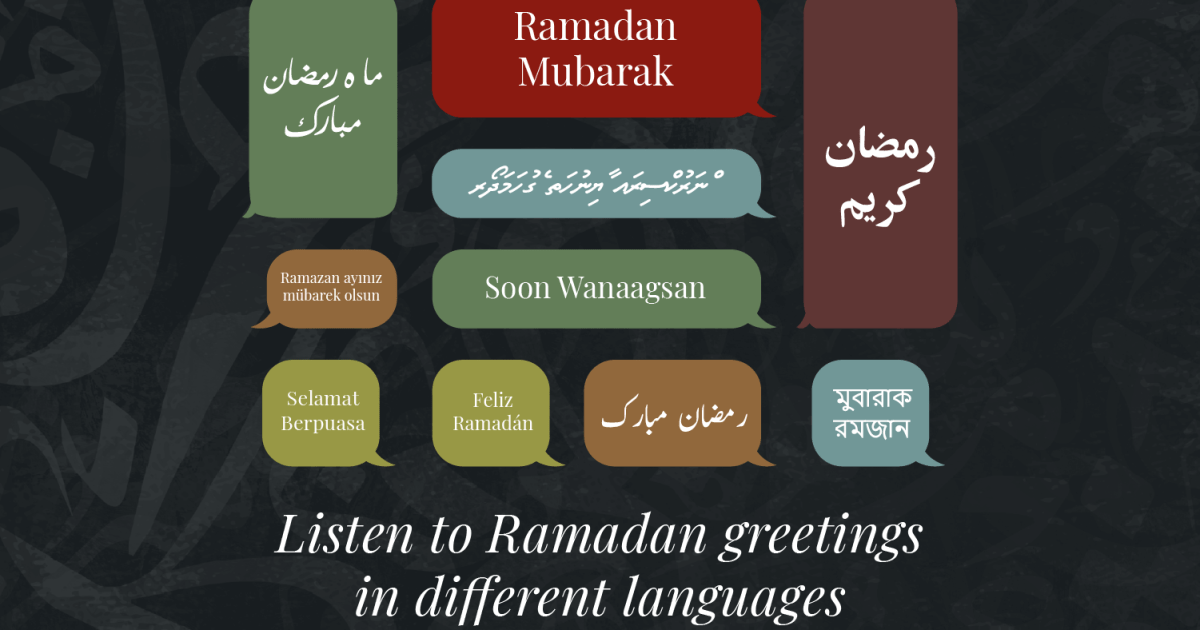
As Muslims around the world prepare for the holy month of Ramadan, which begins with the sighting of the new moon, various Muslim-majority nations have personalized greetings in their native languages to welcome the new month, including "Ramadan Mubarak" and "Ramadan Kareem" in Arabic. With approximately 1.9 billion Muslims globally, the month of fasting and festivities is a significant time for the community, marked by pre-fasting meals, iftar at sunset, and the belief that Ramadan is the month when the first verses of the Quran were revealed to Prophet Muhammad over 1,400 years ago.
Muslims worldwide are welcoming the holy month of Ramadan with a mix of joy and concern. While observing traditions such as fasting, prayer, and feasting, many are mindful of the struggles faced by fellow Muslims, including war, starvation, and economic hardships. In Pakistan, Egypt, Indonesia, and the United States, people are preparing for Ramadan amidst economic challenges and global concerns, but they still look forward to the spiritual blessings and community connections that the holy month brings.
Ramadan is the Islamic holy month of fasting, increased worship, and charity, starting around March 11 this year. Muslims fast from dawn to sunset, refraining from food, drink, and bad deeds, and dedicate more time for religious contemplation and reading the Quran. Social and cultural traditions associated with Ramadan vary across different regions, including festive gatherings, decorations, communal meals, and TV shows. Muslims around the world observe Ramadan with diverse rituals and customs, while also considering ways to remain mindful of humanitarian crises, such as the situation in Palestine.
Ramadan 2024 will begin on March 11 or 12, with fasting hours ranging from 12 to 17 hours worldwide. The Islamic calendar's lunar nature causes Ramadan to start earlier each year, with 2030 seeing two observances. Cities along the same longitude share similar iftar times, while those on opposite sides prepare for suhoor. The longest fasting hours are in Nuuk, Greenland, and Reykjavik, Iceland, while the shortest are in Canberra, Australia, and Puerto Montt, Chile. Ramadan greetings vary across Muslim-majority nations.
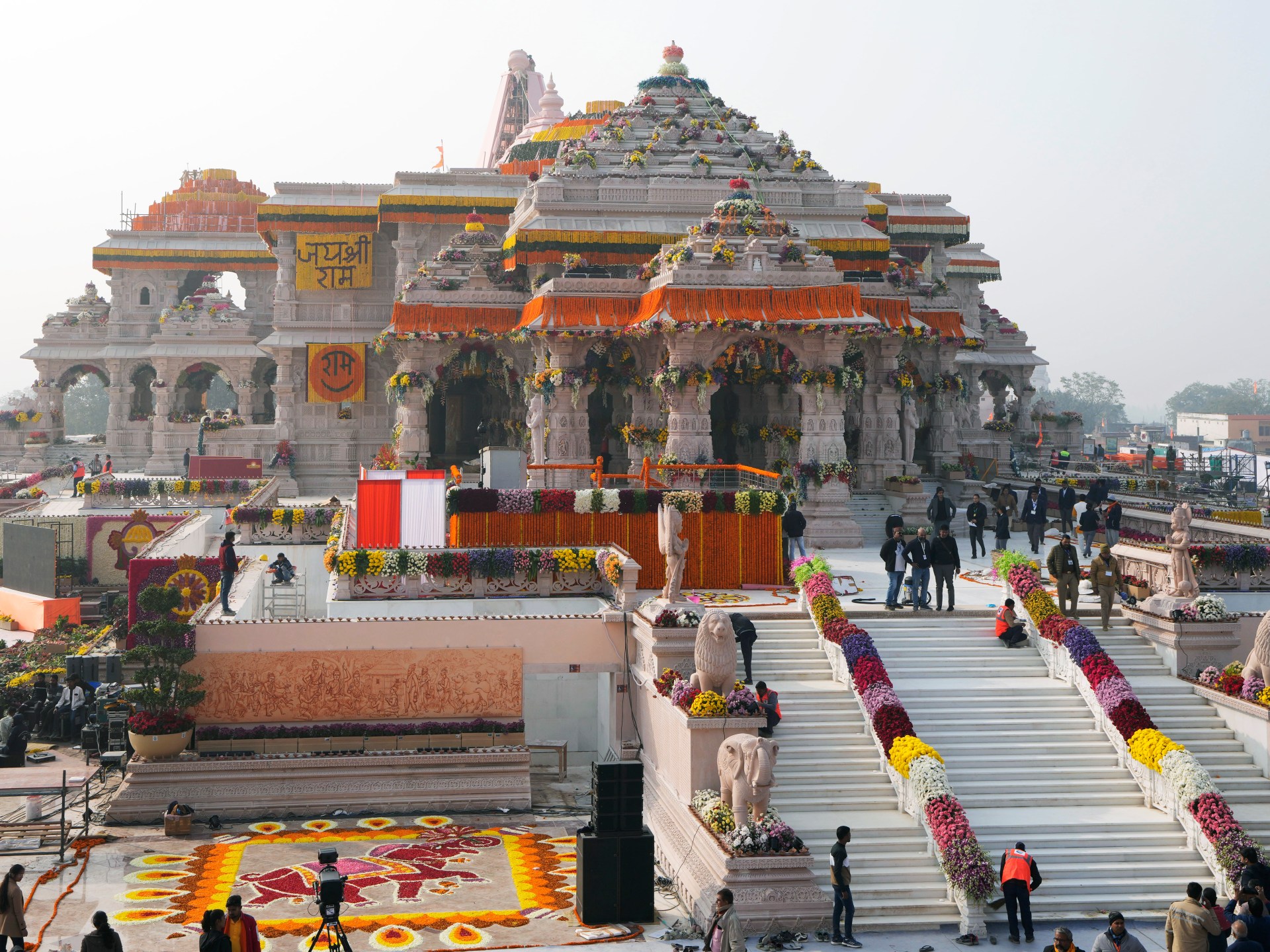
Indian Prime Minister Narendra Modi is set to inaugurate an incomplete Ram temple in Ayodhya, sparking fears among the country's Muslim population of increased religious polarization and marginalization. The temple's construction at the site of the demolished Babri Masjid has heightened concerns about the future treatment of Muslims in India, especially as religious sentiments are being used to sway political influence. The event has brought the nation to a standstill, with concerns that it may lead to further tensions and potential snowballing effects on other disputed sites.