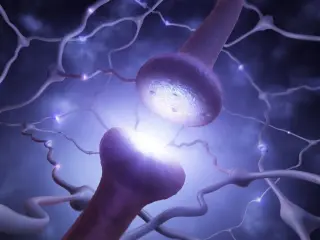
Human-Specific Gene SRGAP2 Slows Microglia Maturation to Match Brain Development
Researchers at Columbia’s Zuckerman Institute identified that the human-specific gene SRGAP2 significantly slows the maturation of microglia, the brain’s primary immune cells. While mouse microglia mature in three weeks, human counterparts take four to eight years. This prolonged development, known as neoteny, allows microglia to synchronize with neuron growth, potentially shaping the unique cognitive abilities of the human brain.