

Tag

Noninvasive Brain Stimulation

All articles tagged with #noninvasive brain stimulation

Soft skin patch speeds REM sleep onset by 43 minutes
technology15 days ago

Soft skin patch speeds REM sleep onset by 43 minutes

UT Austin researchers developed a soft wearable patch called NEUSLeeP that combines gentle ultrasound stimulation with real-time brain monitoring to noninvasively reach deep brain regions involved in REM sleep. In a 28-person study, users entered REM sleep 43 minutes earlier and remained in REM about 16 minutes longer. The patch also increased heart rate variability and showed brain circuit changes linked to emotion, suggesting potential for treating sleep disorders and reducing stress. The device could enable at-home sleep monitoring and research, with larger trials planned and a patent filed as UT’s commercialization office moves toward market.
Advancements in Non-Invasive Brain Stimulation for MS Treatment
health3 years ago

Advancements in Non-Invasive Brain Stimulation for MS Treatment

Noninvasive brain stimulation techniques such as repetitive transcranial magnetic stimulation (rTMS) show promise in reducing spasticity in multiple sclerosis (MS) patients, according to a review study. However, evidence for transcranial direct current stimulation (tDCS) was limited. More clinical trials with long-term follow-up are needed to determine the optimal approach for treating spasticity in MS. Spasticity, characterized by muscle tightness and spasms, is a challenging symptom to manage in MS patients and can impact mobility and overall quality of life.

Advancements in Noninvasive Brain Stimulation and Treatment Protocols Offer Hope for Stroke Patients
medical-research3 years ago

Advancements in Noninvasive Brain Stimulation and Treatment Protocols Offer Hope for Stroke Patients

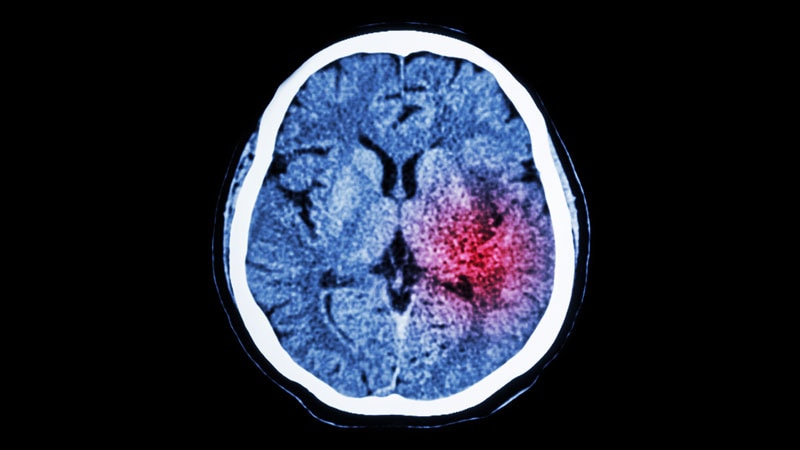
High-definition cathodal transcranial direct current stimulation (HD C-tDCS) shows promise as a noninvasive treatment for acute ischemic stroke (AIS), according to a pilot study. The study explored the feasibility and safety of using HD C-tDCS in emergency settings, with patients receiving either active treatment or a sham. The results suggest that HD C-tDCS is well-tolerated and may lead to promising improvements in patients, as seen in brain scans. This noninvasive approach could offer a new individualized therapy for AIS patients who are not candidates for current treatments. Further research is needed to fully evaluate the safety and efficacy of HD C-tDCS in larger trials.