The article examines sermorelin, a lab-made peptide used off-label to boost deep sleep. While some users report better sleep and faster recovery, experts say evidence is weak, long-term risks are unknown, and unregulated products may carry harmful ingredients; doctors advocate safer, proven sleep strategies like exercise over sermorelin.
A UCSD study using the Epic Cosmos database found leucovorin prescriptions for children with autism rose more than 2,000% after a February 2025 TV segment and subsequent September 2025 White House promotion, despite no proven autism benefit; the FDA later approved leucovorin only for cerebral folate transport deficiency in March 2026. The study highlights how media coverage and political messaging can rapidly shift off-label prescribing before large, definitive trials exist, and it does not assess patient outcomes.
A Glamour-style piece documents how GLP-1 drugs once reserved for medical weight management are being used off-label for cosmetic goals, including compounded versions and microdosing via telehealth. It weaves patient anecdotes with medical perspectives, highlights risks like side effects and gut–microbiome effects, and shows a growing push-pull between health benefits and the influencer-driven hype. The author begins a low-dose Zepbound plan under a doctor’s supervision and reports initial weight loss, while stressing the need for cautious, evidence-based use as these drugs become more accessible.
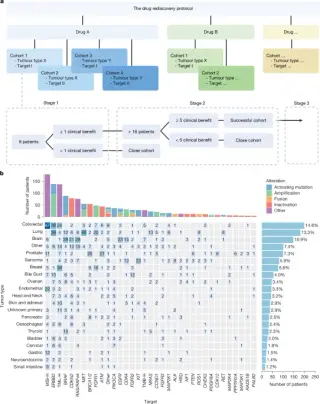
In the Drug Rediscovery Protocol (DRUP), 1,610 patients with advanced solid tumors were treated with 37 off-label drugs matched to actionable genomic alterations. Of 1,363 evaluable patients, the clinical benefit rate was 34.9% and the objective response rate was 15.7%, with median progression-free and overall survival of 3.4 months and 8.2 months, respectively; grade 3+ treatment-related adverse events occurred in 28.4%, leading to discontinuation in 9.4%. Exceptional responders (7.0%) appeared across molecular subgroups, and some results supported Dutch reimbursement. The authors emphasize meaningful benefit in defined molecular contexts despite overall modest activity, advocating structured, data-generating frameworks, earlier intervention, biomarker refinement, and international collaboration to guide safe use and potential label expansion.
Many women are using testosterone supplements to boost libido, energy, and muscle mass despite limited FDA approval and potential side effects, with some viewing it as a fountain of youth. Medical professionals warn about risks and the lack of long-term studies, and access remains limited and unregulated outside traditional medical settings.
Families have been using leucovorin, a drug originally for cancer, to treat autism symptoms, gaining attention after President Trump mentioned it. While some studies suggest potential benefits, the evidence is limited and the FDA's recent move to update the drug's label is considered unusual and controversial due to weak supporting data. Experts emphasize the need for more research and caution in its use.