A small 2026 study on LED lighting and color vision sparked a viral 'LEDs are asbestos' narrative, but experts warn the data does not support claims of a mass health crisis.
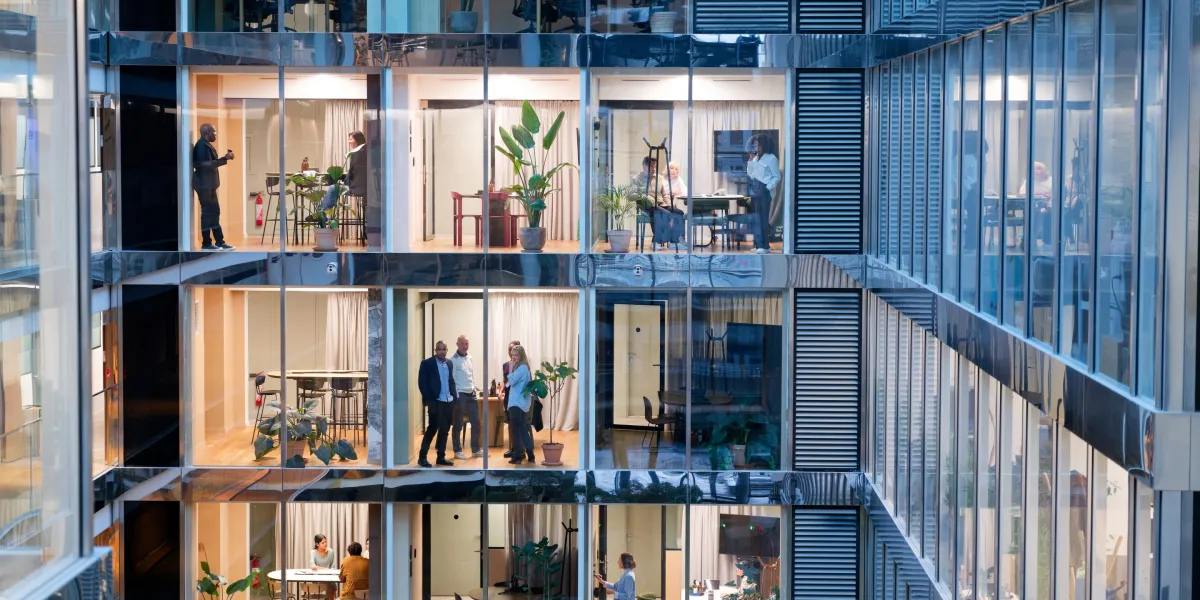
The CEO of ABM Industries discusses how companies are adjusting their office spaces to attract workers back, including downsizing, upgrading amenities, adding private areas, and emphasizing cleanliness, with a focus on the evolving hybrid work model and the importance of understanding organizational culture.
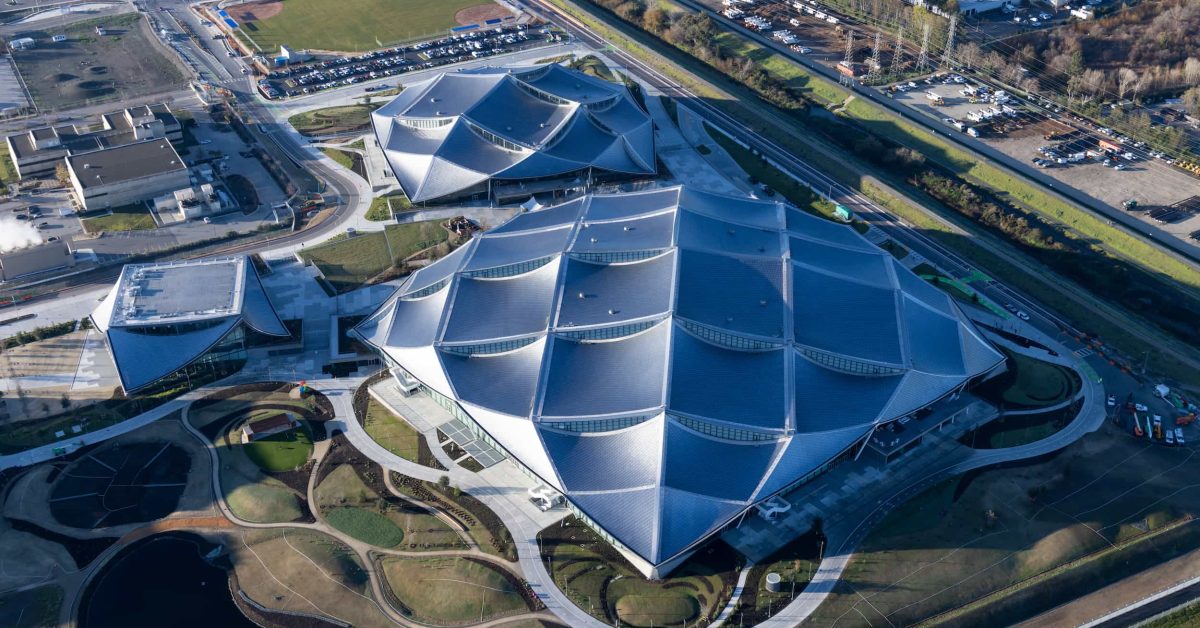
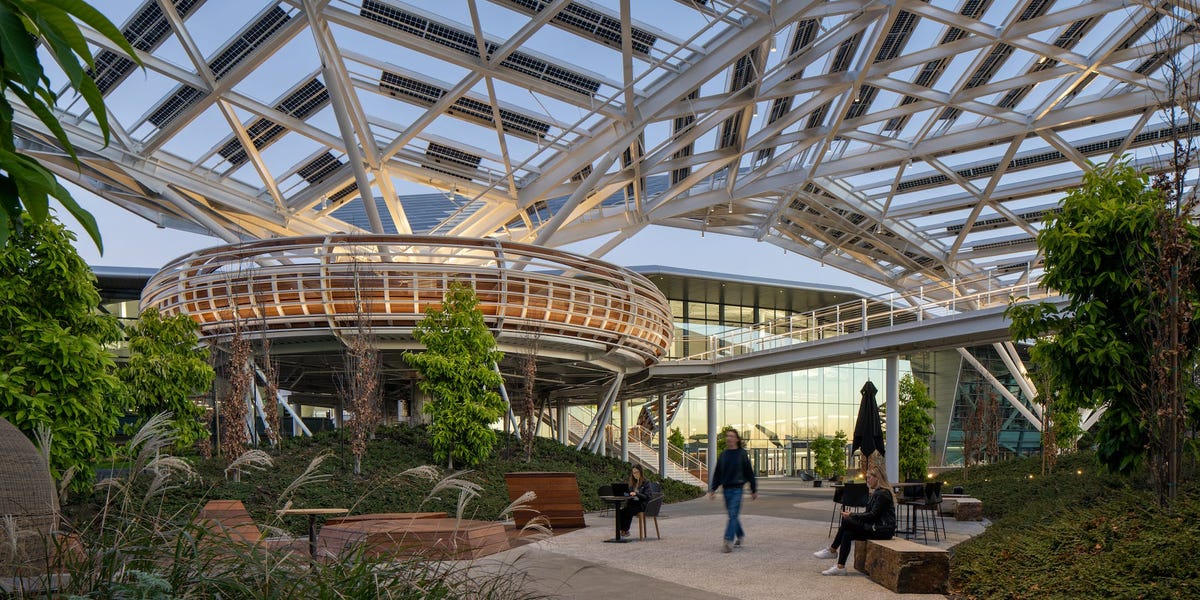
Google's Bay View campus in California, home to AI teams, has been plagued by bad Wi-Fi for months, prompting employees to use Ethernet cables and create hotspots with their phones. The company has made improvements and issued new laptops with more powerful Wi-Fi chips, but the broader fix is expected in the coming weeks. The 600,000-square-foot building's unique design, featuring a tent-like roof, is believed to be a factor in the Wi-Fi problems. Despite the connectivity issues, the campus, designed with input from Google's internal teams, boasts a striking design with solar panels and ample natural light.
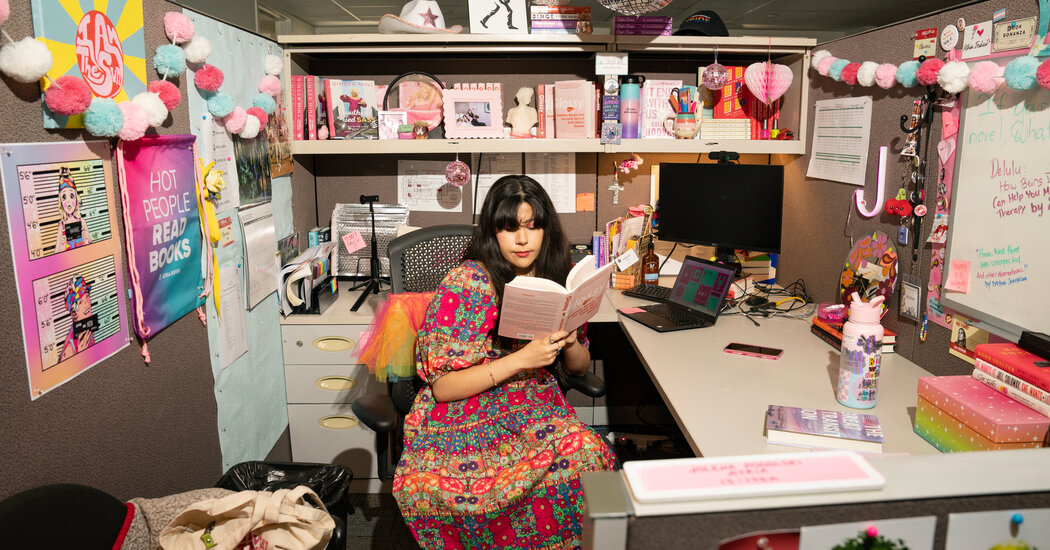
Cubicles, once vilified as symbols of a dehumanized work force, are making a comeback as employees return to the office. The demand for quiet spaces and privacy has increased due to the disruptions and lack of focus experienced during remote work. Global demand for cubicles and partitions is expected to grow to $8.3 billion over the next five years. The new iterations of cubicles are ergonomic, flexible, and can accommodate multiple electronic devices. Employers are now offering a variety of work spaces, including shared offices, conference rooms, and libraries, alongside cubicles. Some employees are personalizing their cubicles and posting photos on social media, incorporating home décor into their work spaces.
Companies are increasingly designing office spaces that are Instagrammable and visually appealing in order to attract and retain young talent. These "Envy Offices" combine the comforts of a living room with the glamour of a vacation, featuring colorful walls, upholstered furniture, and carefully curated coffee table books. The goal is to create spaces that employees want to share on social media, showcasing a fun and enjoyable workplace. However, some employees feel that these aesthetics mask inconvenient arrangements like hot desks and lack of privacy. As office design evolves with changing work norms, companies are using social media aesthetics to enhance their corporate image and retain employees.
US chipmaker Nvidia's futuristic "Voyager" headquarters in Santa Clara reflects the company's "no barriers and no boundaries" philosophy with its flat organizational structure and innovative office design. The 750,000-square-foot space, designed by Gensler, offers a variety of individual and collaborative workspaces to enhance employee performance. The office features sound and light solutions, such as a roof designed to bounce sound without reverberation and an abundance of skylights for natural daylight. Nvidia's commitment to efficiency and employee well-being contributes to its success in the rapidly growing AI industry.
Amazon has opened the first part of its new East Coast headquarters, HQ2, in northern Virginia, which includes two 22-story office towers that can accommodate 14,000 of the 25,000 employees Amazon plans to bring on in Arlington. Amazon built its headquarters in Seattle in 1994 partly because of the area's deep pool of tech talent and the presence of Microsoft in nearby Redmond, Washington. The company's arrival in Arlington has generated concerns of rising housing costs and displacement. Amazon intends to focus much of its future growth in Arlington and in Nashville, Tennessee, where the company's logistics hub is based.
JPMorgan Chase and BNP Paribas are rethinking the role of the workplace in a post-pandemic world. Both banks have incorporated lessons learned during the pandemic into their designs, with a focus on fresh air, flexible workspaces, and employee perks. JPMorgan's new headquarters will have a state-of-the-art air filtration system and flexible trading floors, while BNP Paribas has added more flexibility to its new workplace and created a "home away from home" for its employees. Both banks are trying to lure employees back to the office with a variety of activities and food options.