AI is reshaping dating dynamics, with 39% of British singles using chatbots for advice, though Match Group has banned autonomous AI agents from its platforms to preserve human interaction.
Edimar Martins, a 49-year-old Brazilian bricklayer, liquidated his assets and traveled over 1,200 miles to meet a woman he believed was a real romantic partner. Upon arrival in Belo Horizonte, he discovered the persona was an AI-generated character created for social media engagement. Stranded and destitute, Martins received municipal aid to return home, marking the third such incident in the city within six months.
Brooke LeBlanc, an executive at insurance tech startup Corgi, has stated she has identified at least five potential partners following her viral post of detailed dating requirements. While her personal search has generated significant attention and creator revenue, her company’s San Francisco café locations are facing severe criticism for poor maintenance and hygiene. LeBlanc’s criteria, which include specific age, financial, and lifestyle mandates, have sparked debate across international media, with some outlets framing the list as elitist and others noting the public’s mixed reaction to her transparency.
A Stanford-led study of the How Couples Meet and Stay Together data finds online dating has moved from the fringe to the center in the U.S.: about 39% of heterosexual couples met online in 2017 (up from 22% in 2009), with the crossover around 2013; same‑sex couples reached online meetings earlier (roughly 65% by 2017). Traditional intermediaries—family, friends, and church—have declined since the mid‑20th century, while platforms offer access to vastly larger pools. The shift raises questions about how meeting method relates to relationship quality, noting that platforms don’t have a stake in outcomes even as they disintermediate personal introductions.
AI-driven dating services are expanding beyond swipes, using conversational AI for matchmaking and hosting in-person events to boost engagement. Known is testing AI-led matches and offline meetups in San Francisco (and planning San Diego), while major apps like Tinder, Bumble, Grindr, and Facebook Dating explore AI features to improve compatibility and reduce swipe fatigue. Users remain cautiously optimistic about efficiency but worry about authenticity and the loss of human connection.
The Washington Post spotlights Unjected, a dating app for people who declined the COVID-19 vaccine, noting how it has connected anti-vaxx singles and hosted in-person meetups across several cities, highlighting how vaccine status is shaping dating culture and sparking controversy.
Two women vent on TikTok about not meeting 'cute' men at bars, sparking a debate on whether real-life approaches are fading in favor of dating apps, while commenters blame both women’s expectations and Gen Z men’s fear of being labeled creepy.
BuzzFeed rounds up 23 screenshots of men's dating-app profiles, spotlighting cringe-worthy bios, bold confessions, and over-the-top quirks—from love-language claims to gym bragging—showing how online dating can be as funny as it is frustrating.
A wave of AI-powered dating apps like Fate in London is reshaping how people find partners by using an agentic AI that interviews users, proposes five matches (no swiping), and can coach conversations. Proponents say AI can highlight authentic compatibility based on personality similarity and reduce the repetitive grind of major platforms, while critics warn about privacy, overreliance on algorithms, and potential manipulation. Early users report dates and excitement, but industry research shows broad skepticism about AI guiding intimate conversations, reflecting a tension between novelty, vulnerability, and real-world results.
AI tools like ChatGPT are increasingly being used by daters to craft profiles, generate messages, and seek advice, leading to a new era of AI-assisted dating. Startups are developing specialized AI dating assistants, while major dating platforms are experimenting with AI features. While some users find AI helpful, others are cautious about authenticity and ethical concerns, raising questions about the future role of AI in dating.
A woman copes with her divorce by using AI-generated images to engage in fake online dating, which her daughter warns could lead to legal trouble and emotional harm. The daughter advises focusing on her mother's well-being and suggesting healthier outlets for her grief, such as real social activities or support groups.
Breadcrumbing, a toxic dating behavior where someone gives minimal attention to keep a partner interested without commitment, is more prevalent than ghosting and can cause significant damage to self-esteem by fostering uncertainty and emotional manipulation. Experts warn that this slow-burn form of rejection is amplified by social media and dating apps, leading to emotional distress, especially among young adults, and recommend setting boundaries and prioritizing self-worth to cope.
As traditional dating apps face disillusionment and declining popularity, people are increasingly forming romantic connections through social media platforms, online forums, and shared digital interests, leading to unexpected and genuine relationships beyond the conventional dating app scene.
Tinder is trialing a new height filter for premium users in limited regions, allowing them to filter potential matches by height. The feature has sparked mixed reactions, with some fearing it may hinder genuine connections, while others believe it could help shorter men find matches. The article discusses the broader context of filtering options in dating apps and the importance of personality over superficial traits.
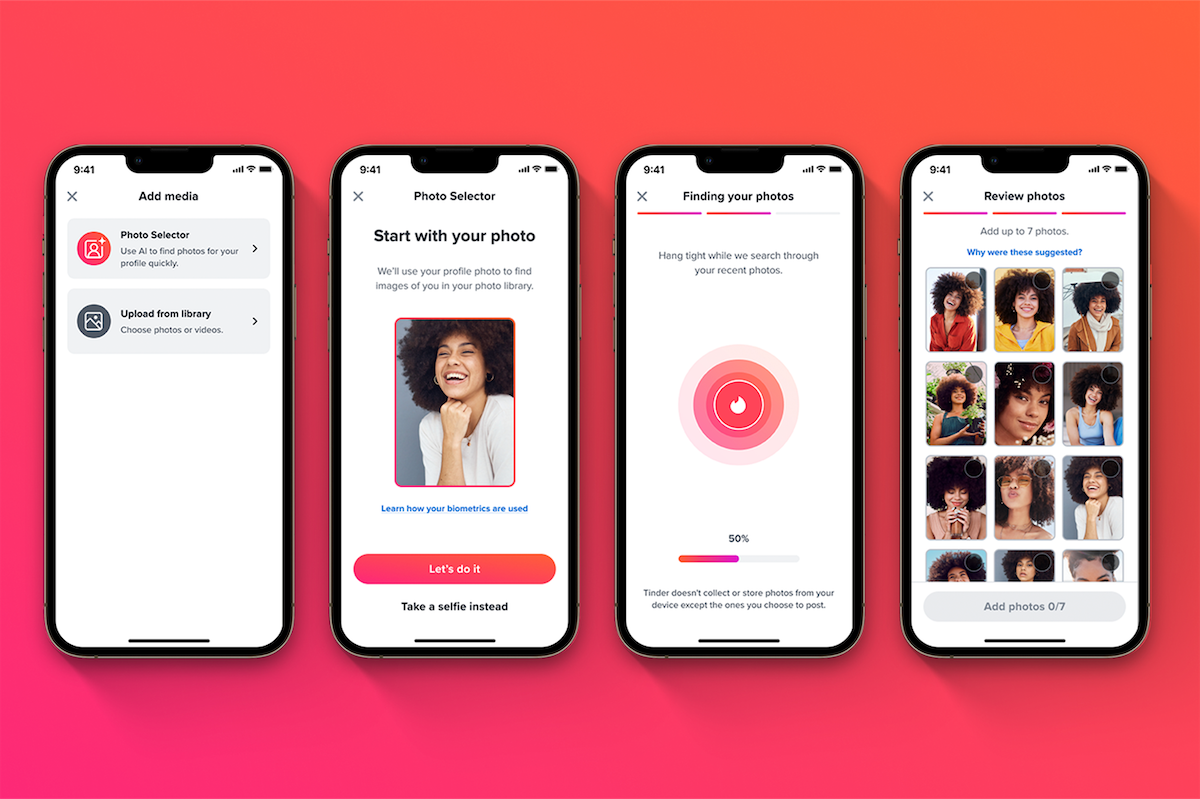
Tinder has officially launched its AI-powered "Photo Selector" feature in the U.S., which helps users choose the best photos for their dating profiles by leveraging facial detection technology. The feature curates a collection of 10 selfies based on Tinder's criteria for good profile images, aiming to save users time and reduce uncertainty in photo selection. The AI is trained to ensure inclusivity and filter out inappropriate images, with plans to roll out internationally later this summer.