AI is reshaping dating dynamics, with 39% of British singles using chatbots for advice, though Match Group has banned autonomous AI agents from its platforms to preserve human interaction.
A new report from the U.S. Senate Joint Economic Committee reveals that Match Group’s dating apps, particularly Tinder, failed to update their AI scam-detection models for years. This negligence allowed nearly 1.5 million fraudulent accounts to match with users in the U.S. in 2025. While Match Group has since implemented mandatory facial verification, critics argue the response was too slow, leaving victims financially devastated.
Bumble has officially scrapped its defining 'women-first' messaging rule, allowing men to initiate conversations in heterosexual matches. The change, effective immediately, also extends the reply window from 24 to 72 hours. The move follows a period of declining user engagement and revenue, with the company citing user demand for flexibility and better connection outcomes.
The FTC filed a complaint against OkCupid and Match Group Americas, alleging they deceived users by sharing personal data (including photos and location) with a third party without proper disclosure or opt-outs, in violation of their privacy promises. The proposed settlement permanently bans misrepresenting privacy practices and data handling; the investigation, conducted under a Civil Investigative Demand, led to a case in the Northern District of Texas and centers on nearly three million user photos and related data.
New Match Group CEO Spencer Rascoff has restructured Tinder into autonomous pods with a flatter, two-pizza-sized team approach, embracing a startup mindset and a Gen Z–centric, lower-pressure dating strategy (including in-person events) to fight swipe fatigue and revive growth, even as Tinder’s downloads lag behind Hinge and the stock remains under pressure.
Six women filed a lawsuit against Match Group, accusing Tinder and Hinge of negligence and enabling known rapists by allowing them to remain active on their platforms despite reports of abuse, highlighting concerns over safety and product design flaws.
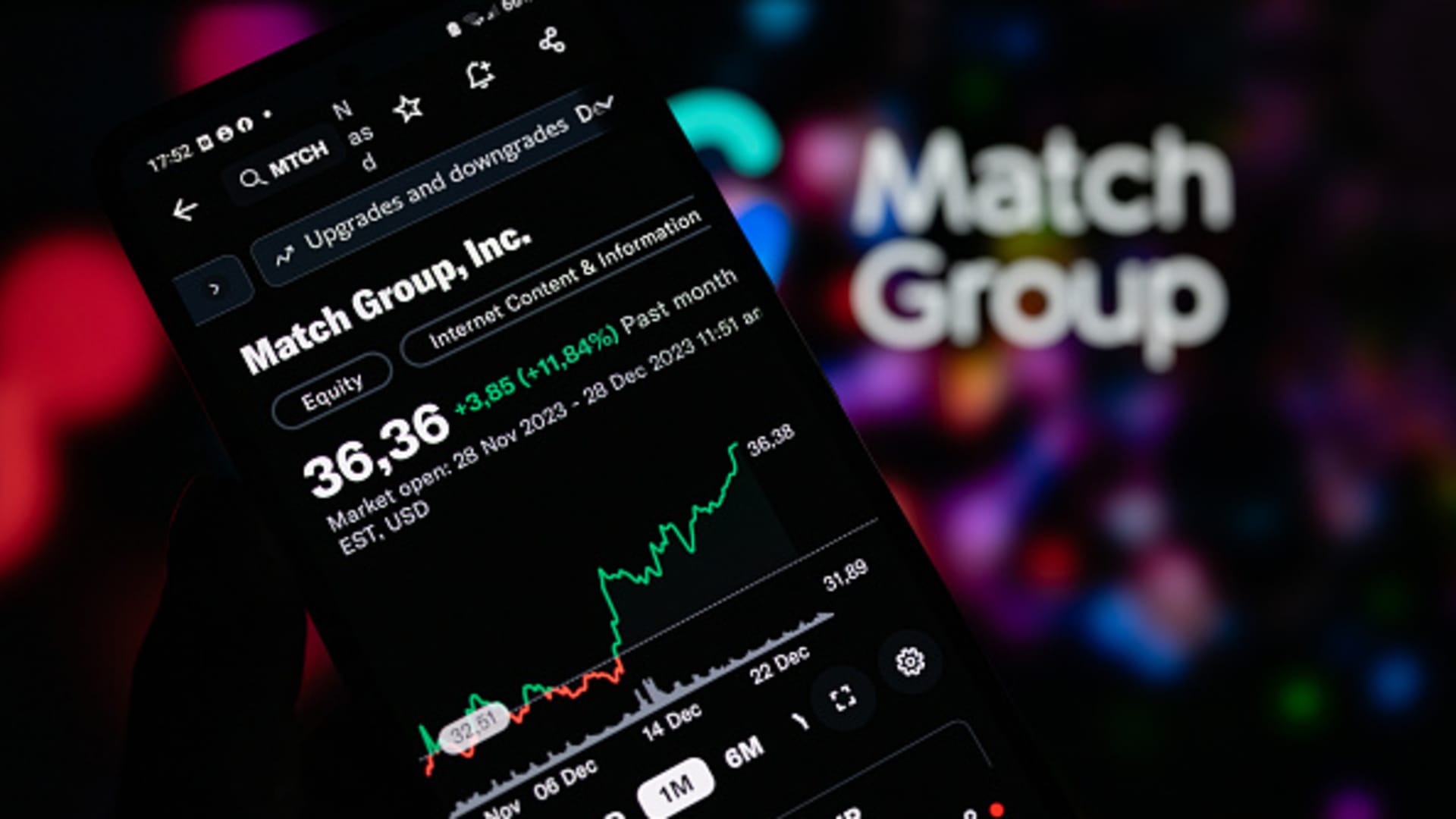
Activist investor Starboard Value has acquired a 6.5% stake in Match Group and is urging the company to improve margins through cost cuts and product innovation or consider going private. Match Group's stock surged 8% following the news, despite a 12% decline this year and an 80% drop from its 2021 peak. Starboard's Jeff Smith believes CEO Bernard Kim can lead the necessary changes but emphasizes the need for margin improvements and potential share buybacks. Other activists, including Elliott Management, have also pressured Match Group recently.
Match Group adds two new directors, Laura Jones and Spencer Rascoff, to its board in a deal with activist investor Elliott Management, following a "constructive" dialogue resulting in an information-sharing agreement. Elliott, known for board shakeups at other companies, believes in Match Group's potential for value creation despite its struggles with leadership turnover and declining paying users. The exact size of Elliott's position and its specific plans for a turnaround remain unclear.
Dating apps like Tinder and Bumble, which once enjoyed immense popularity and investor favor, are now struggling to meet revenue expectations, with both companies losing over $40 billion in market value since 2021. The main challenge lies in convincing young users to pay for subscriptions, as platforms like Snapchat and TikTok increasingly compete for their attention. Despite generating billions in revenue from subscriptions, the companies are facing stagnant growth and are under pressure to innovate and attract more paying users to satisfy investor demands.
Match Group has signed an enterprise agreement with OpenAI, securing over 1,000 licenses for the use of AI chatbot technology, including ChatGPT-4, across its dating app platforms. The AI will assist with coding, design, analysis, and daily tasks, with a focus on responsible use and privacy. Match Group plans to invest $20-30 million in AI innovation in 2024, aiming to improve user experiences and create safer environments for connections. The company also hinted at developing standalone AI-powered apps and integrating AI across its portfolio, building on its acquisition of Hyperconnect.
A class-action lawsuit accuses Match Group, the owner of Tinder, Hinge, and The League, of intentionally designing their dating apps with addictive features to keep users perpetually paying. The lawsuit claims that the apps violate consumer protection laws and prioritize profits over helping users meet their relationship goals. Match Group has defended its business model, stating that it aims to get people on dates and off the apps. Experts warn of the addictive consequences of dating apps and suggest using the apps mindfully and considering other ways of meeting people.
A lawsuit filed against Match Group claims that Tinder, Hinge, and other dating apps are designed with addictive features that encourage "compulsive" use and prioritize profit over helping users find relationships, turning them into "addicts" who purchase expensive subscriptions. The lawsuit, seeking class-action status, alleges that Match intentionally creates a perpetual pay-to-play loop and employs dopamine-manipulating product features to drive expensive subscriptions and perpetual use.
Match Group, the owner of dating apps like Tinder and Hinge, is being sued for allegedly designing their platforms to be addictive and prioritize profits over helping users find love. The lawsuit claims that the apps use gamification and addictive features to keep users paying for subscriptions and perks, violating consumer protection laws. This legal action is part of a trend of holding tech companies accountable for exacerbating mental health issues, and seeks to force Match Group to disclose the potentially addictive nature of their apps.
Shares of Match Group surged 11% after reports that activist investor Elliott Management had acquired a $1 billion stake in the company, which owns Tinder, Match.com, and other online dating platforms. The company has faced challenges amid the pandemic, with declining Tinder payers and missed revenue expectations. Elliott's involvement is expected to involve engagement with Match management, potentially including board nominations, as the investor has a track record of successful campaigns in other companies.
Elliott Investment Management has acquired a significant stake in Match Group, the parent company of popular dating platforms like Tinder and Hinge, with plans to urge the company to take action to improve its underperforming stock.