
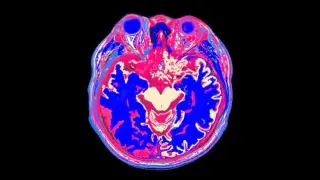
Japanese Study Links Oxytocin Neurons in the Thalamus to Social Bonding and Fear Extinction
Researchers in Japan identified a specific group of oxytocin-sensitive neurons in the paraventricular thalamus (PVT) that influence both social approach and the ability to learn that a previously dangerous situation is now safe. Published in the journal Brain, the study suggests this brain region acts as a hub where social and fear-processing circuits overlap. While suppressing these neurons reduced social interest and impaired fear extinction in mice, activating them did not consistently increase sociability. The findings offer potential insights into conditions like autism and anxiety disorders, though the research is limited by its focus on male mice and artificial neural activation.