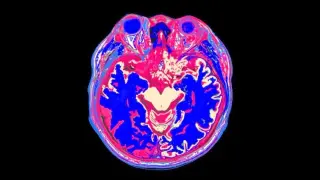
A wearable transcranial ultrasound device dampened amygdala activity during fear conditioning with snakes, slowing fear learning and, notably, accelerating the unlearning of fear after the trials ended—suggesting a noninvasive approach to enhance exposure therapy for anxiety and trauma-related disorders.
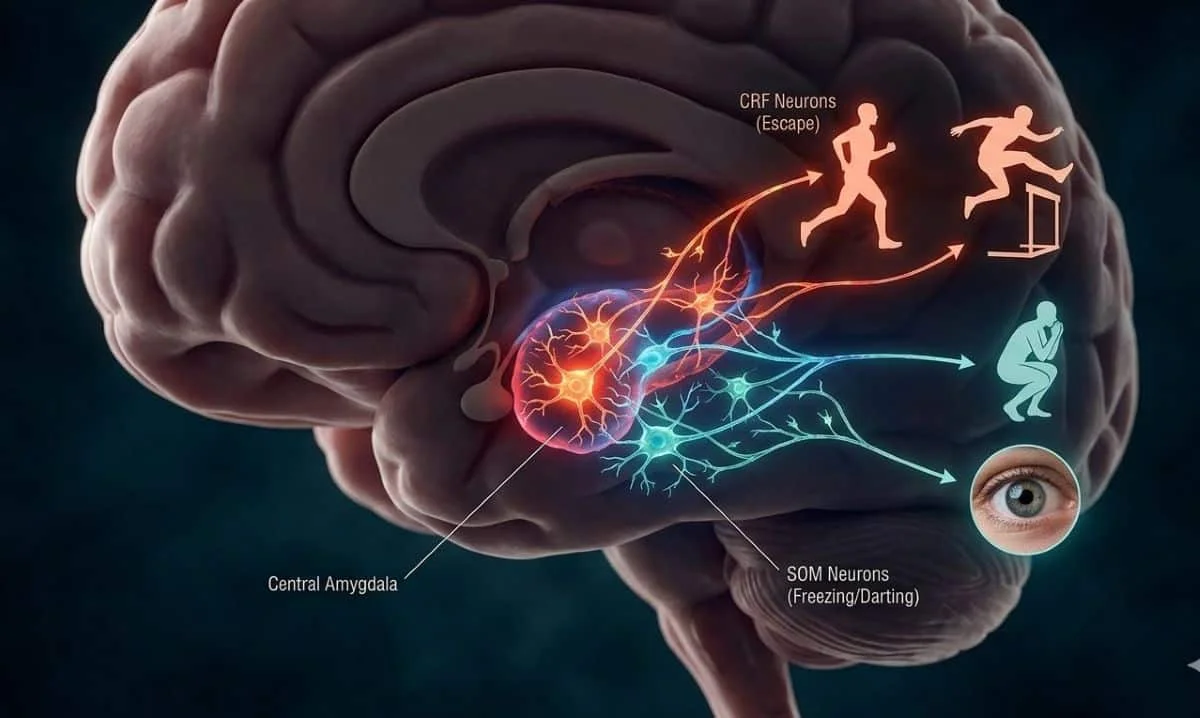
New research in mice shows two neuron types in the central amygdala—CRF+ cells driving high‑intensity escape and SOM+ cells promoting freezing—act as a neural switch that reshapes fear during extinction rather than erasing it, offering insight into the variability of PTSD symptoms and potential therapeutic targets.
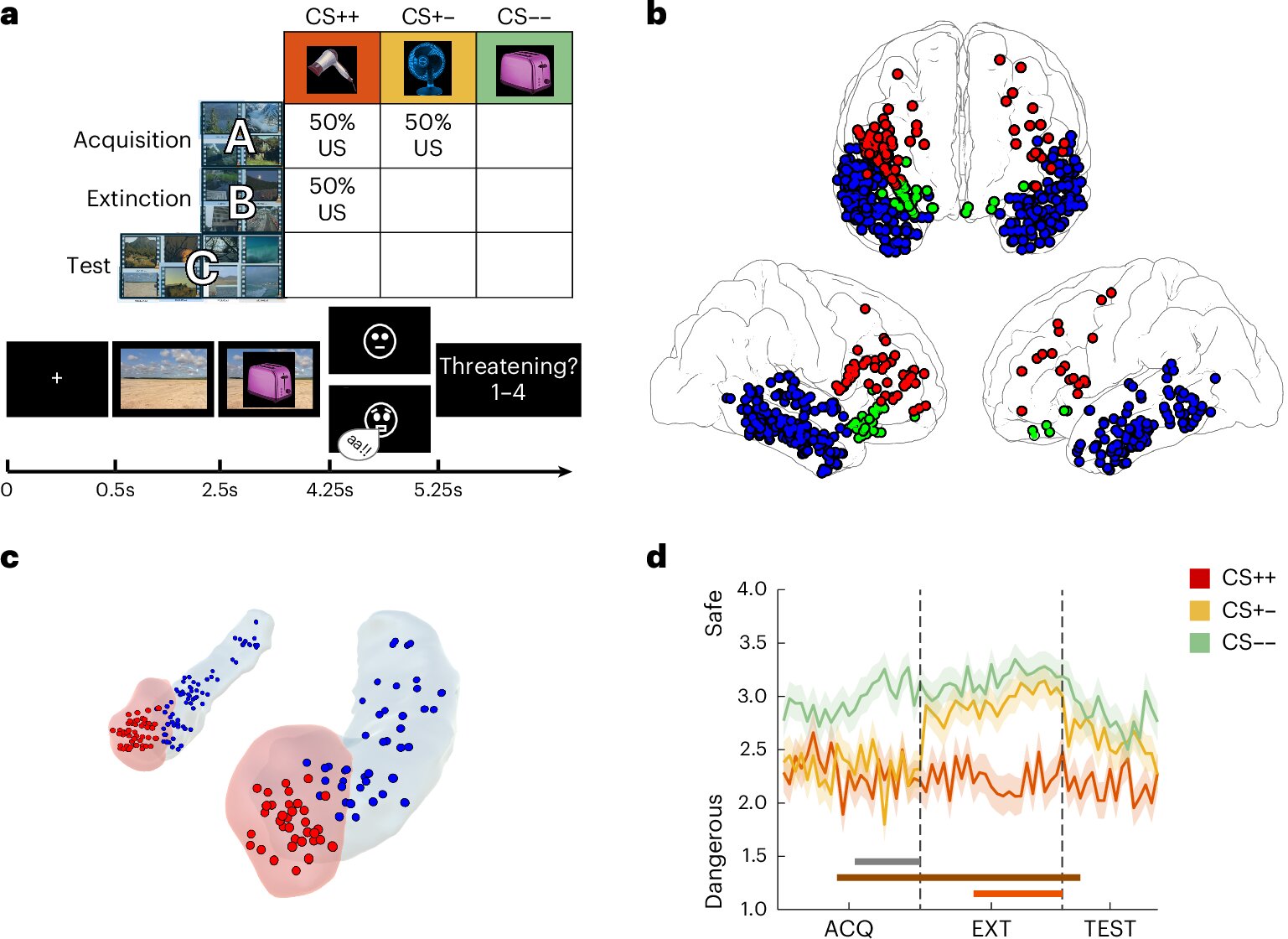
A study published in Nature Human Behavior reveals that fear extinction involves stable, context-specific neural representations in brain regions like the amygdala and hippocampus, with implications for understanding and treating anxiety disorders and phobias.
A study conducted by researchers at EPFL has shed light on the role of stress-induced hormones, such as cortisol, in the development of post-traumatic stress disorder (PTSD). Using a rat model with a blunted hormonal response to stress, the researchers observed impaired fear extinction, reduced hippocampal volume, and sleep disturbances, all of which are traits associated with PTSD. The study also found that treatment combining cognitive therapy with corticosterone helped alleviate these symptoms, offering potential insights into interventions for PTSD. The research highlights the importance of glucocorticoid levels in determining vulnerability to PTSD and suggests that enhancing these levels post-trauma could potentially mitigate symptoms and improve recovery.
Psilocybin, the active ingredient in magic mushrooms, can restore fear extinction and help treat post-traumatic stress disorder (PTSD). Psilocybin promotes the growth of new neurons and synapses in the hippocampus, a brain region involved in memory formation, and was found to reverse the decline in proteins associated with neuroplasticity and fear extinction. Psilocybin is currently considered a ‘breakthrough therapy’ for depression, a condition that frequently occurs alongside PTSD, with multiple studies showing that it promotes neuronal growth and the formation of new synapses, which could explain its antidepressant effects.