Tag

Particlephysics

All articles tagged with #particlephysics

Exploring Soft Energy Patterns in 13TeV Proton Collisions
science1 year ago

Exploring Soft Energy Patterns in 13TeV Proton Collisions

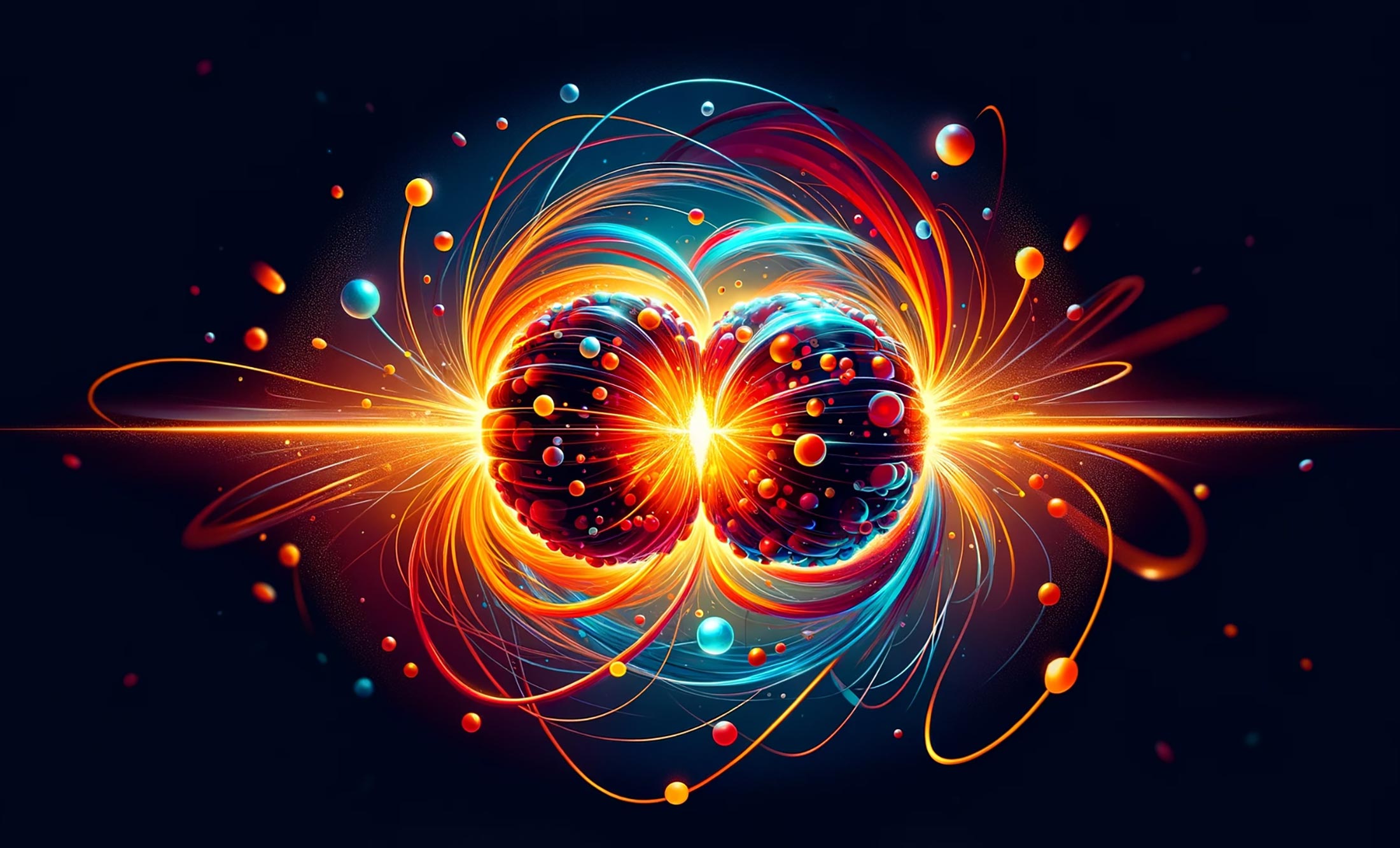
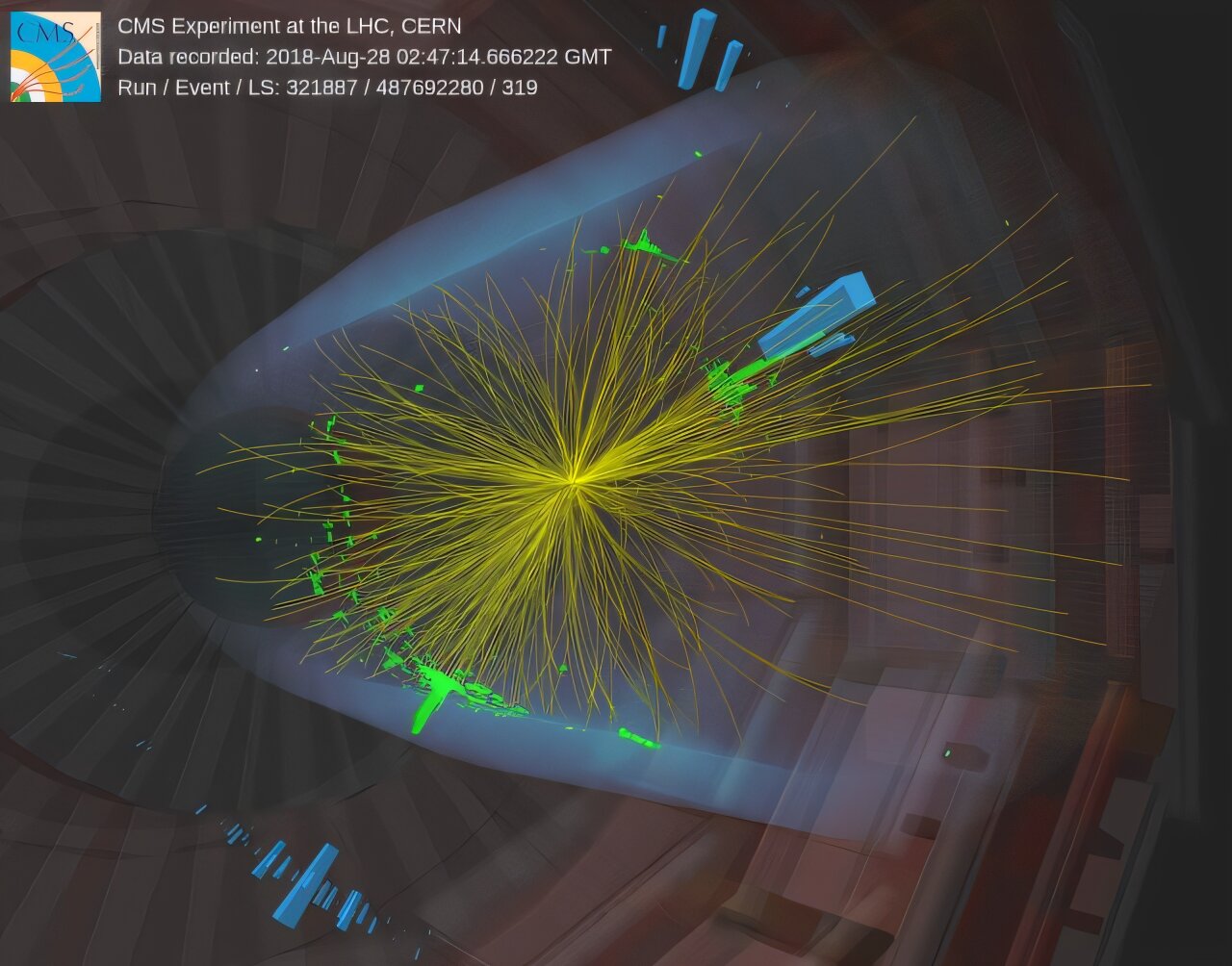
The CMS experiment at CERN has conducted the first search for soft unclustered energy patterns (SUEPs) in proton-proton collisions at 13 TeV, as predicted by hidden valley models. These models suggest a dark sector with unique decay signatures, which have been challenging to detect. The CMS team used innovative techniques to differentiate SUEPs from standard model jets, setting new constraints and paving the way for future research in this area.

"Peter Higgs, Renowned Physicist Behind Higgs Boson Theory, Passes Away at 94"
science2 years ago

"Peter Higgs, Renowned Physicist Behind Higgs Boson Theory, Passes Away at 94"

Peter Higgs, the Nobel prize-winning physicist known for discovering the Higgs boson, has passed away at the age of 94. His groundbreaking work in 1964, which explained how the boson gives particles their mass, was confirmed by experiments at the Large Hadron Collider in 2012. Higgs, a member of the Royal Society, spent most of his career at Edinburgh University and was honored with the establishment of the Higgs centre for theoretical physics in 2012. His legacy in particle physics and his modest, yet profound, approach to teaching and explaining physics have left a lasting impact on the scientific community.

"Exploring the Shadows: The Quest for Dark Photons at the LHC"
science-and-technology2 years ago

"Exploring the Shadows: The Quest for Dark Photons at the LHC"

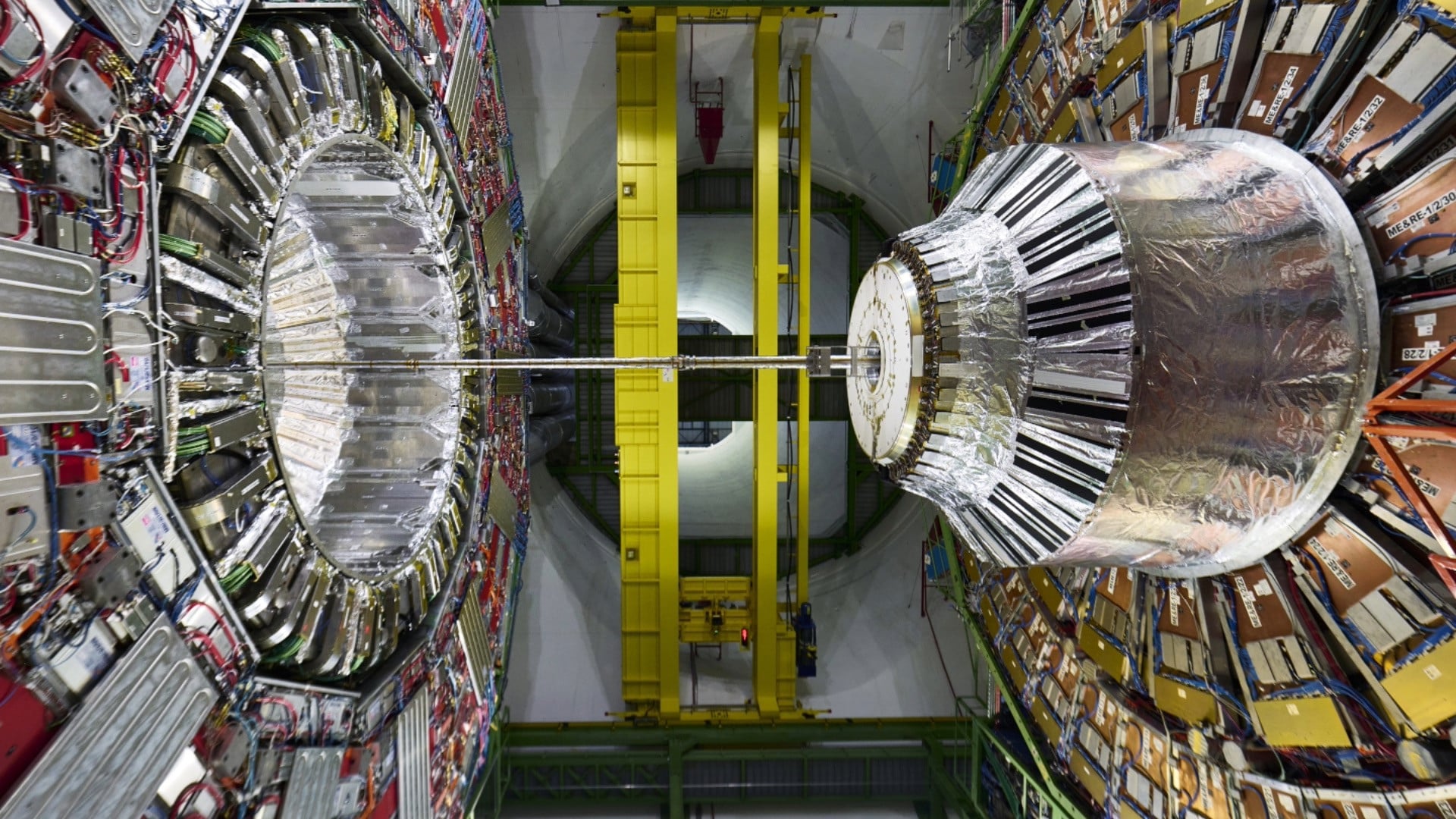
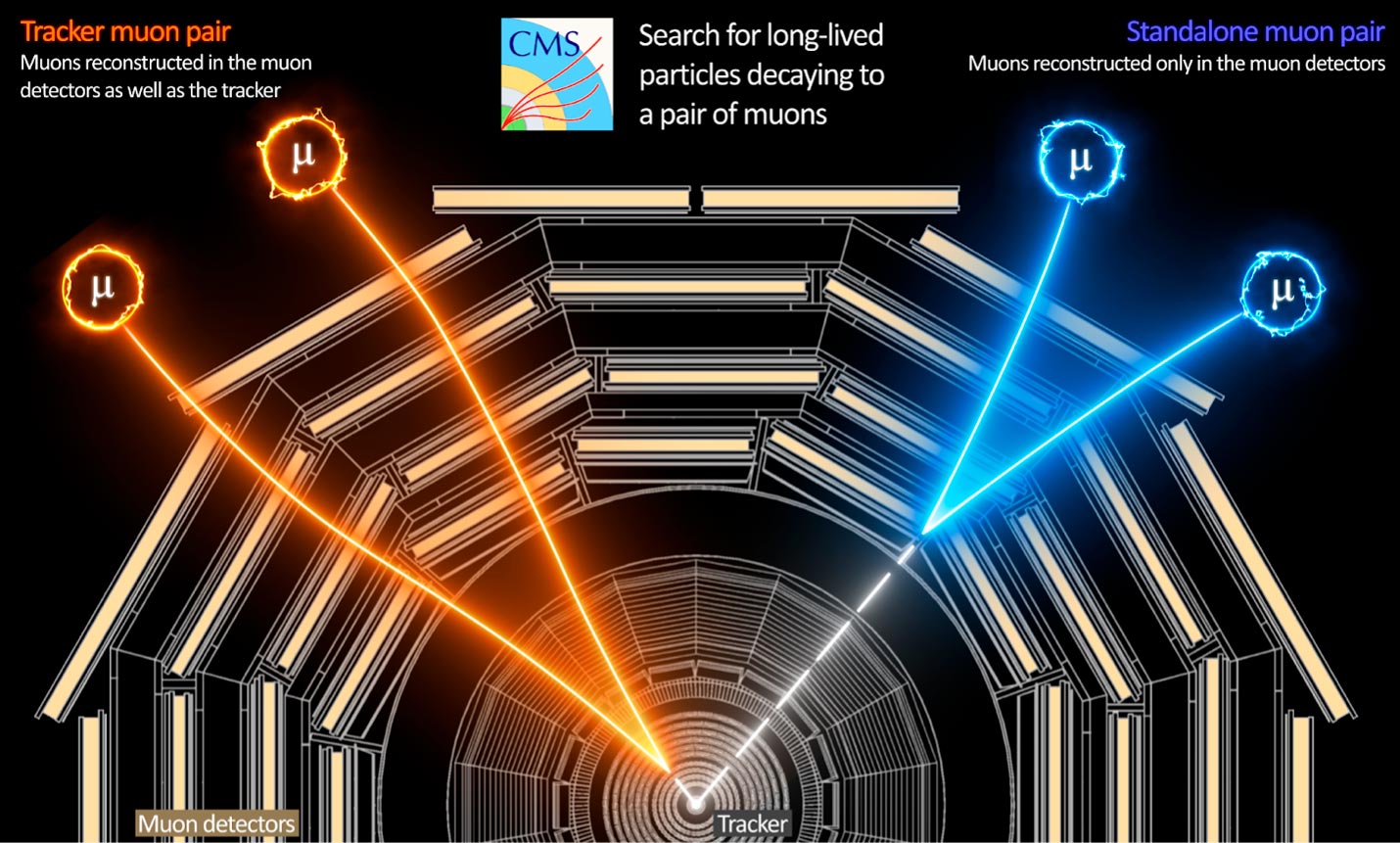
The CMS experiment at the Large Hadron Collider has initiated a search for "dark photons," hypothetical long-lived particles that could be produced by the decay of Higgs bosons. These particles are not part of the Standard Model and could help answer unresolved physics questions. The search involves detecting "displaced muons" that originate from the decay of dark photons, which would have traveled a measurable distance before decaying. With improvements to the CMS trigger system, particularly the non-pointing muon algorithm, the experiment has become more sensitive to such events. The first results from Run 3 data have set more stringent limits on the parameters of Higgs boson decay to dark photons, and the CMS team plans to continue refining their techniques to explore new physics beyond the Standard Model.

"Unlocking the Secrets of Quark-Gluon Plasma Explosions into Hadrons"
science-and-technology2 years ago

"Unlocking the Secrets of Quark-Gluon Plasma Explosions into Hadrons"

Scientists have made progress in understanding the transition from quark-gluon plasma (QGP) to hadrons, a process that occurs when heavy nuclei collide in laboratory experiments. By applying the maximum entropy principle, researchers can better interpret the data from these collisions, potentially identifying a critical point in the phase diagram of quantum chromodynamics (QCD). This new approach helps translate the fluctuations observed in QGP into the fluctuations of hadron multiplicities, which is essential for mapping the QCD phase diagram and understanding the strong interactions between quarks. The research, supported by the Department of Energy, offers a more accurate method for analyzing experimental results from facilities like the Relativistic Heavy-Ion Collider (RHIC).

"Large Hadron Collider's Intensified Hunt for Elusive Dark Photons at CERN"
science-and-technology2 years ago

"Large Hadron Collider's Intensified Hunt for Elusive Dark Photons at CERN"

The CMS experiment at the Large Hadron Collider (LHC) has released initial results on dark photons, particles that could help unravel mysteries like dark matter. These particles, not predicted by the standard model, are noted for their unusual longevity, surviving over a billionth of a second. The findings from the LHC's Run 3 experiment could provide significant insights into the nature of these exotic particles.

"Stephen Hawking's Dream of Creating Black Holes on Earth May Become Reality"
science2 years ago

"Stephen Hawking's Dream of Creating Black Holes on Earth May Become Reality"

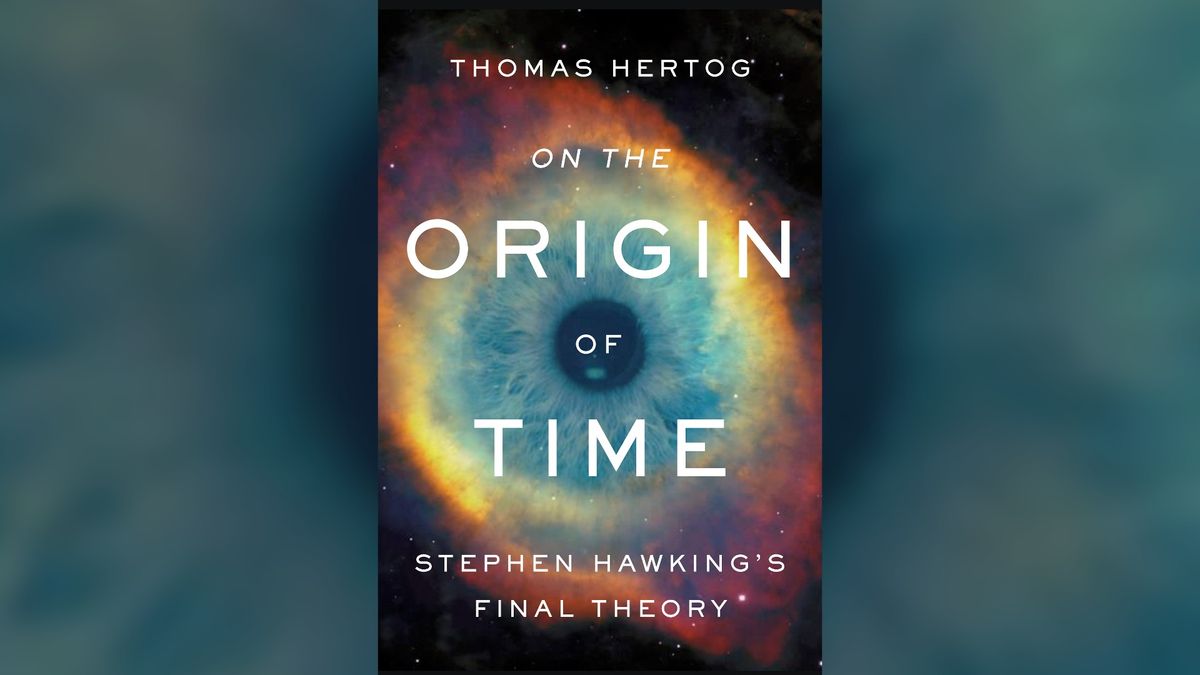
Stephen Hawking had hoped that the Large Hadron Collider (LHC) at CERN would produce black holes, but the lawsuit filed against the LHC was dismissed, and the LHC has not yet made black holes. However, it is possible to create black holes by colliding particles with enough energy in a particle accelerator. Gravity and black holes challenge the idea that higher energies probe shorter distances, and the search for a unified framework that encompasses all basic laws of nature is ongoing. Thomas Hertog, a close collaborator of Hawking, discusses these topics in his new book.