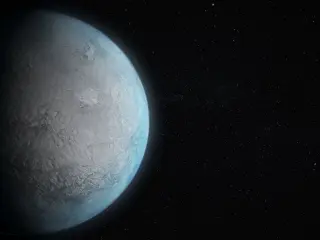
Webb clues tie Neptune’s inner moons to a Triton-driven upheaval
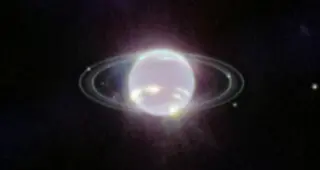
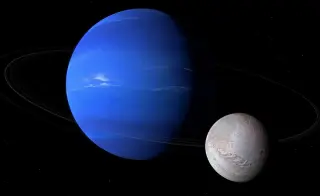
JWST spectra of Neptune’s inner moons (Proteus, Larissa, Galatea) and rings show hydrated minerals and clay‑bearing material, supporting a history in which Triton was captured from the outer solar system, disrupted Neptune’s original moon system, and left debris that reassembled into the inner moons and rings; Nereid may be the lone intact survivor. The scenario is inferential and could be tested by a future Neptune orbiter.