Tag

Pohlsepia Mazonensis

All articles tagged with #pohlsepia mazonensis

Ancient Fossil Rewrites Octopus History: It Was a Nautiloid All Along
science20 days ago

Ancient Fossil Rewrites Octopus History: It Was a Nautiloid All Along

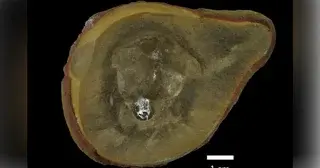
A 300-million-year-old fossil long celebrated as the world’s oldest octopus (Pohlsepia mazonensis) has been reidentified as a nautiloid relative after synchrotron imaging revealed a radula with tooth-like structures that rule out an octopus. The discovery also preserves the oldest known nautiloid soft tissue and pushes octopus origins to the Jurassic, prompting a reevaluation of cephalopod evolution.

Ancient fossil once hailed as the oldest octopus reclassified as a nautiloid
science1 month ago

Ancient fossil once hailed as the oldest octopus reclassified as a nautiloid

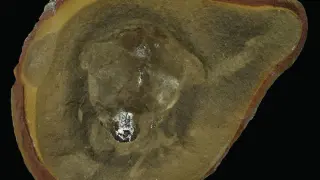
A 300-million-year-old fossil long considered the world’s oldest octopus (Pohlsepia mazonensis) has been reclassified as a nautiloid (Paleocadmus pohli) after synchrotron imaging revealed internal features incompatible with octopuses, overturning about 150 million years of cephalopod timing and reshaping our understanding of when octopuses first appeared.

New imaging rewrites 'oldest octopus' claim: fossil is a nautiloid relative
science1 month ago

New imaging rewrites 'oldest octopus' claim: fossil is a nautiloid relative

A 328-million-year-old fossil once hailed as the oldest octopus, Pohlsepia mazonensis, has been reclassified after researchers used cutting-edge techniques including synchrotron imaging to uncover features inconsistent with octopuses (such as multiple radula teeth). The findings show it is actually a decomposed nautiloid, a relative of modern nautiluses, highlighting how new technologies are advancing paleontology and revising our view of ancient cephalopods.

Oldest octopus claim debunked: fossil identified as a nautiloid relative
science1 month ago

Oldest octopus claim debunked: fossil identified as a nautiloid relative

A fossil once named as the world’s oldest octopus (Pohlsepia mazonensis) has been reclassified as a nautiloid relative (Paleocadmus pohli) after synchrotron imaging revealed a mollusk radula inconsistent with octopuses. Guinness World Records will remove the octopus title, highlighting how modern techniques can overturn long-held fossil identifications and reshape our view of cephalopod evolution.

Ancient fossil reidentified: 300-million-year-old specimen is nautilus, not octopus
science1 month ago

Ancient fossil reidentified: 300-million-year-old specimen is nautilus, not octopus

A 300-million-year-old fossil, Pohlsepia mazonensis from Mazon Creek, which was long interpreted as an oldest-known octopus, has been reclassified as a nautilus after high-resolution X-ray synchrotron imaging revealed a radula and anatomy inconsistent with octopuses, reshaping ideas about cephalopod evolution. The study, led by Dr. Thomas Clements and affiliated with the Field Museum, was published in Proceedings of the Royal Society B.

Ancient fossil reclassified: 300-million-year-old specimen is not an octopus, but a nautilus
science1 month ago

Ancient fossil reclassified: 300-million-year-old specimen is not an octopus, but a nautilus

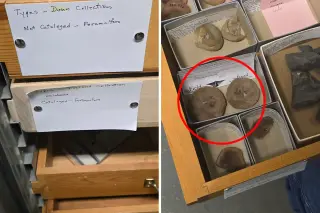
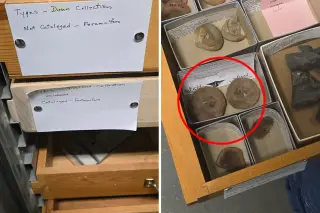
A Field Museum fossil long thought to be the oldest octopus, Pohlsepia mazonensis from Mazon Creek (about 300 million years old), was re-examined with high-resolution X-ray imaging. The scans revealed a preserved radula indicating it is not an octopus but a nautilus, reshaping conclusions about octopus evolution and suggesting the cephalopod lineage is more recent than previously believed. The soft tissues likely decayed before fossilization, which had previously obscured the animal’s true identity.