Student Paleontologists Name New 309-Million-Year-Old Amphibian After Their Mothers
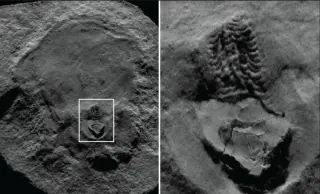
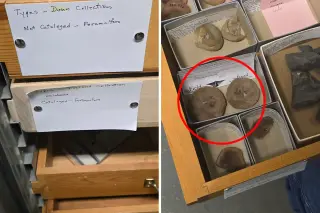
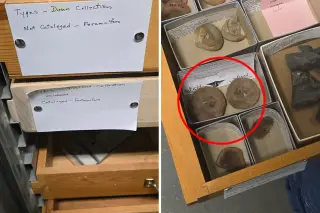
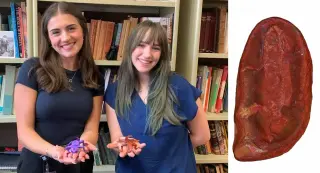
Two student interns at the Field Museum in Chicago have officially described a new species of early amphibian, Jeanerpeton mazonensis, dating back 309 million years. The species, found in Mazon Creek fossil deposits, was named in honor of the students' mothers, both of whom are named Jean. This discovery separates the creature from a previously grouped 'waste bin taxon' and highlights the exceptional preservation of soft tissue details in Carboniferous-era fossils.