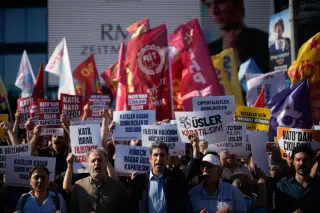
Turkey readies NATO summit with heavy policing and crowd restrictions
Turkish authorities have stepped up security for the upcoming NATO summit, deploying additional police and limiting public gatherings to maintain order during the event.

All articles tagged with #police deployment
Turkish authorities have stepped up security for the upcoming NATO summit, deploying additional police and limiting public gatherings to maintain order during the event.

Police in Budapest are reviewing CCTV after a brawl between Arsenal and PSG supporters in the early hours before the Champions League final, involving around 60 fans (about 30 from each club). About 4,000 officers will be on duty for the event, described as high-risk; investigations into gang violence are underway, with two Portuguese and a British man charged with disorderly conduct and a British man arrested for damaging a car during the fan festival incident.

Taiwan authorities have increased security measures across the country, especially in Taipei, following a deadly knife and smoke bomb attack, with heightened police presence and safety protocols at major events like the Taipei Marathon and holiday celebrations to prevent further incidents.
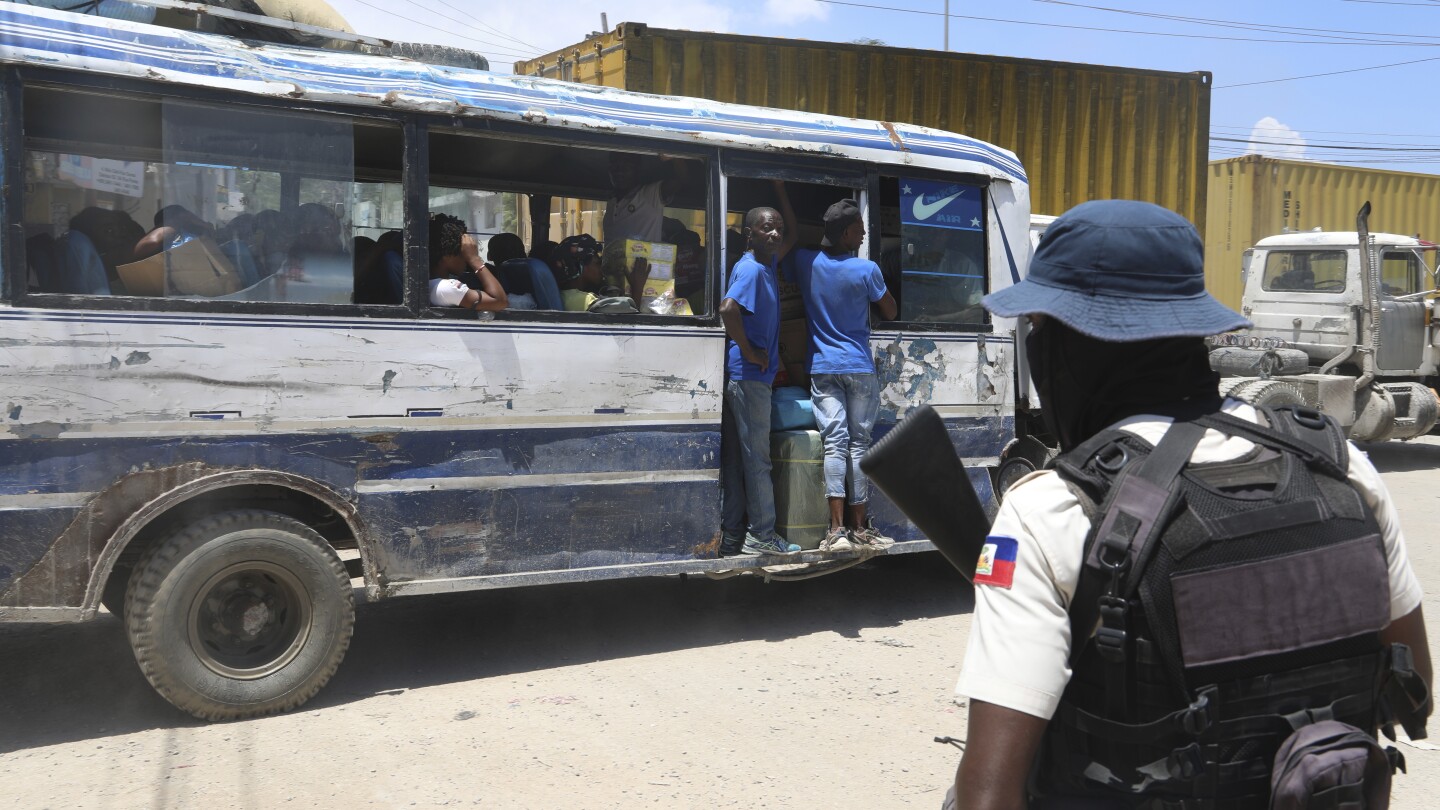
An advance team of Kenyan police officials has returned home from Haiti after recommending a delay in the deployment of a multinational force due to logistical issues. The bases are still under construction and essential resources are needed before the first 200 Kenyan police officers can be deployed. The deployment, initially set for this week, has been postponed for three weeks. The U.S. has pledged $300 million to support the mission, which aims to address gang violence in Haiti.
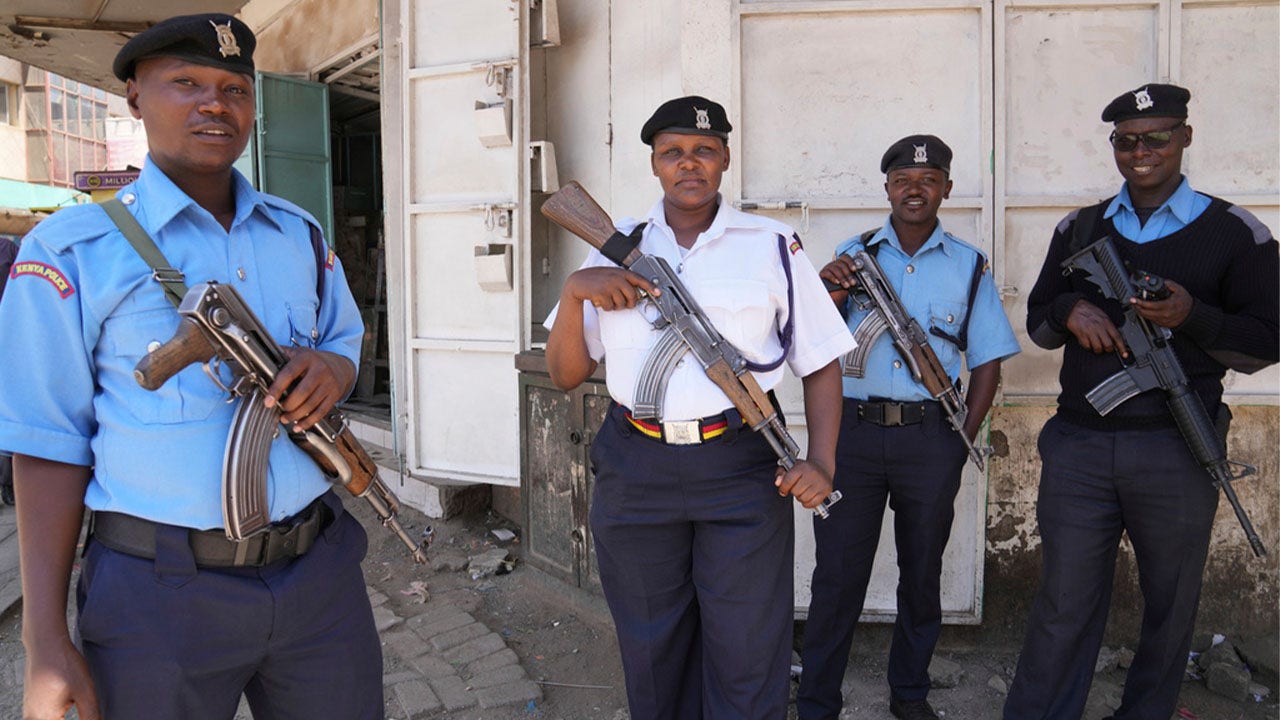
Kenya has paused the deployment of 1,000 police officers to Haiti due to the ongoing gang violence and social unrest in the Caribbean nation. A plan to create a transitional presidential council in Haiti is moving forward, with the majority of Haitian parties and coalitions submitting names for the transition. Gang leader Jimmy "Barbecue" Cherizier has threatened political leaders involved in the transitional council, adding to the volatile situation. Haiti's capital and other areas have been overrun by powerful gangs, leading to attacks on key state institutions and leaving thousands homeless. The U.S. has evacuated non-essential personnel from its embassy in Haiti, and there are no current plans to evacuate U.S. citizens from other parts of the country.
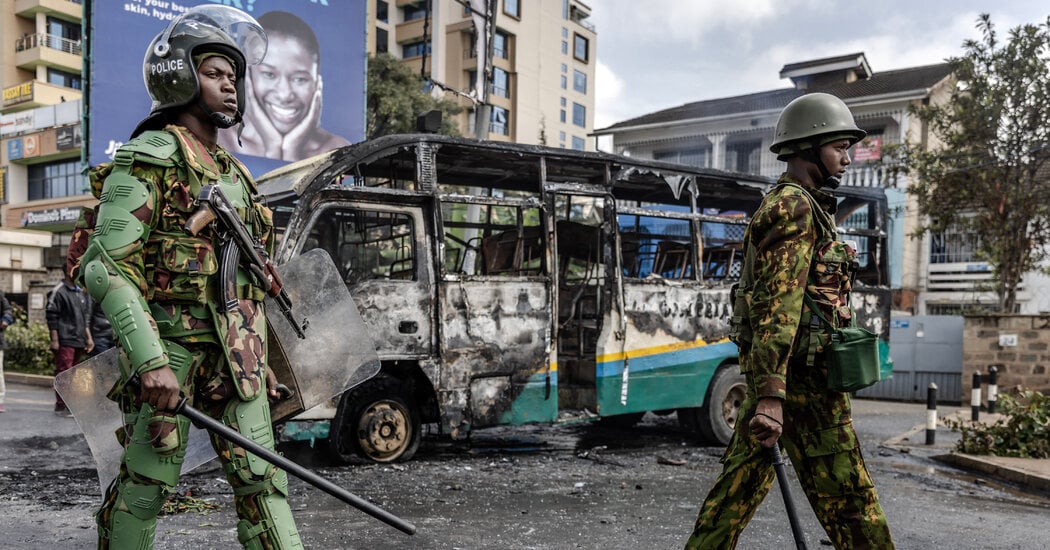
Kenya has put a pause on its plan to deploy 1,000 police officers to Haiti to assist in addressing gang-fueled lawlessness until a new government is formed in Haiti. This decision comes after Haitian Prime Minister Ariel Henry announced his intention to resign following violent attacks on state institutions and a wave of gang violence. The deployment deal, sanctioned by the United Nations and largely financed by the United States, is on hold until a new transitional government is in place in Haiti.

A woman in NYC lost both her feet after her boyfriend allegedly pushed her onto subway tracks during an argument, resulting in her being struck by a train. The boyfriend fled the scene, and no arrests have been made as the investigation continues. This incident follows the announcement of increased security measures in the subway system by New York Gov. Kathy Hochul, including the deployment of National Guard troops and State Police troopers to target transit crime.
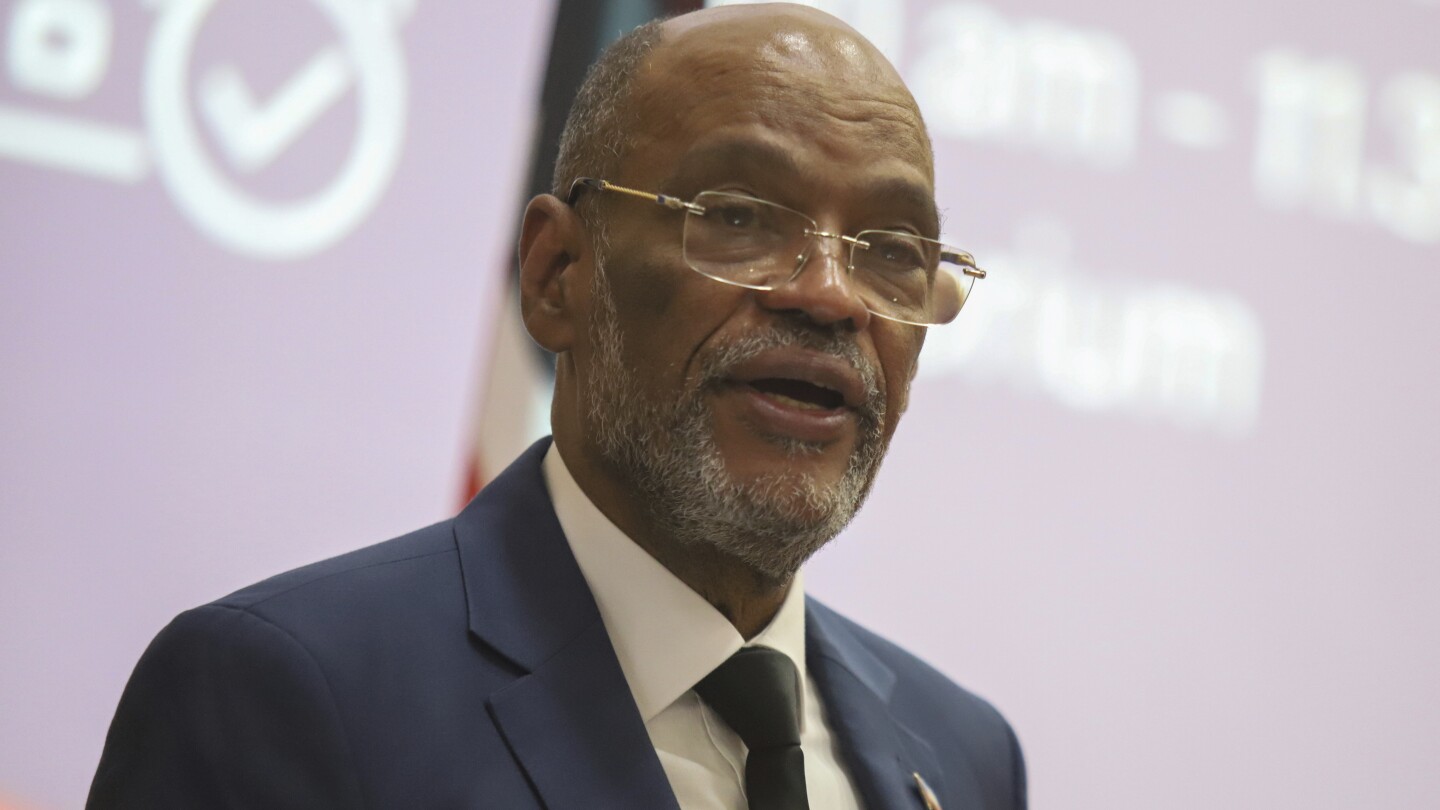
Kenya and Haiti signed reciprocal agreements in an attempt to salvage a plan for Kenya to deploy 1,000 police officers to Haiti to combat surging gang violence, despite a Kenyan court ruling the plan unconstitutional. Haitian Prime Minister Ariel Henry emphasized the need for elections to bring stability, but gang violence has hindered progress. Amid a surge of violence in Haiti, including an attack on the main international airport, gang leader "Barbecue" vowed to detain officials and prevent Henry's return. Political instability has increased since the assassination of President Moïse, with gangs controlling up to 80% of Port-au-Prince and causing a sharp rise in casualties.
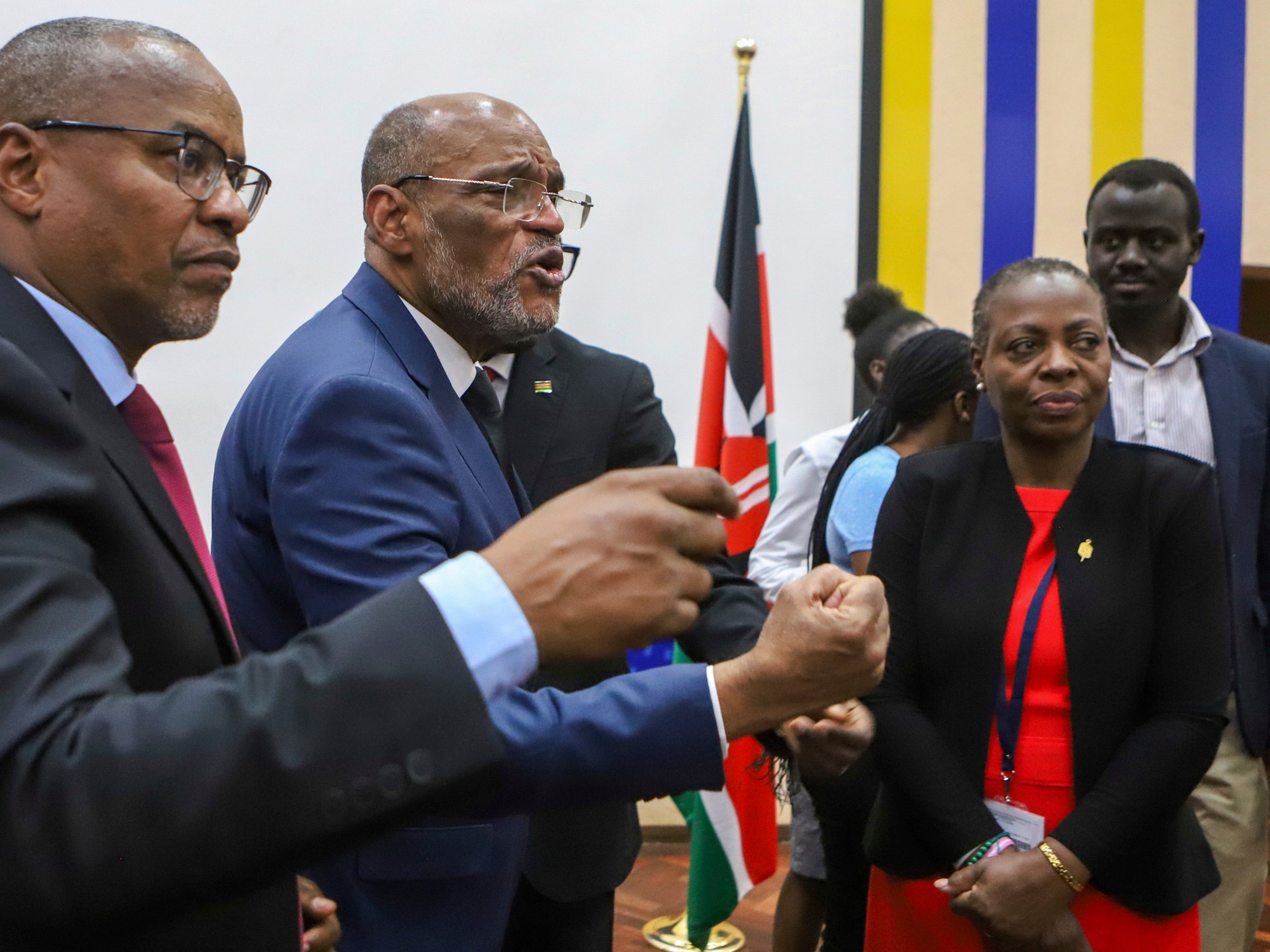
Kenya and Haiti have signed a "reciprocal" agreement to deploy Kenyan police to lead a UN-backed mission in Haiti amidst deadly gang-related violence. The agreement comes after a Nairobi court ruled the initial deployment unconstitutional due to the lack of a reciprocal agreement. The move aims to address the ongoing turmoil in Haiti, where armed gangs have caused widespread violence and instability, leaving the country's economy and public health system in disarray.

Kenya and Haiti have signed a security agreement to address a domestic court's objections to Kenya's plan to deploy 1,000 police officers to lead a U.N.-approved mission aimed at tackling gang violence in Haiti. The deployment was initially ruled unconstitutional by Kenya's High Court due to the absence of a "reciprocal arrangement" with the host government. The signing of this agreement paves the way for the fast-tracking of the deployment, which has been on hold despite pledges of support from the United States, Canada, and other countries.
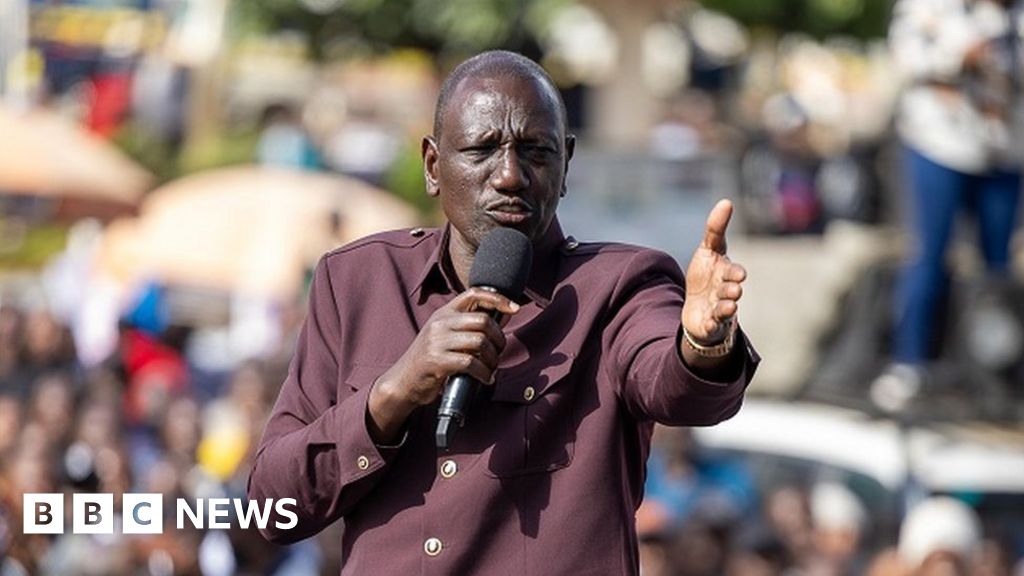
Kenyan President William Ruto plans to proceed with the deployment of police to Haiti despite a court ruling against it, stating that the mission is a "bigger calling to humanity." The court ruled that only the military, not regular police, can be deployed outside the country for peacekeeping missions and that a reciprocal agreement with Haiti is necessary. President Ruto expects a request from Haiti to satisfy the court's demands, while the Kenyan government plans to appeal the ruling. The US supports Kenya's intention to challenge the ruling, but the Kenyan opposition warns against external interference.
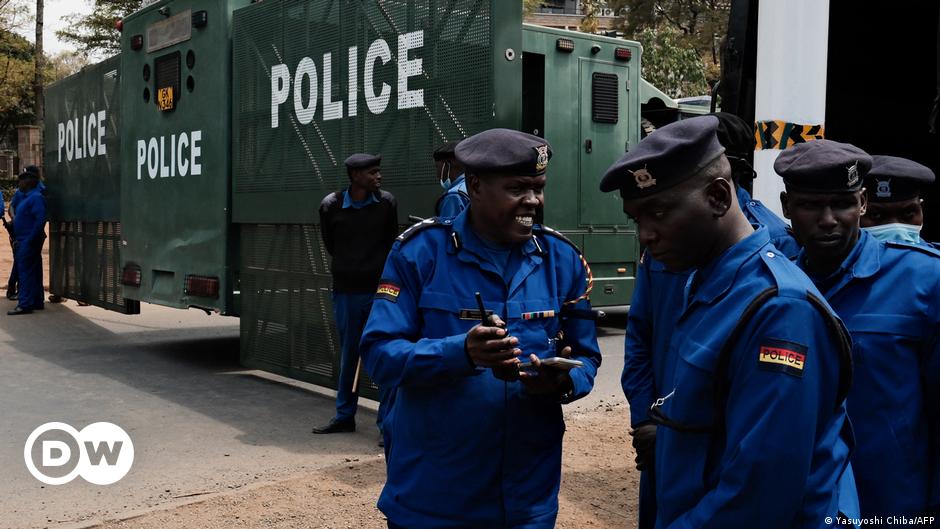
Kenya's plan to deploy police officers to Haiti as part of a UN-backed mission to combat gang violence has been halted by a court ruling, which the government intends to challenge. The ruling stated that the deployment was unconstitutional and illegal. The decision to deploy had been seen as a show of solidarity with Haiti, but concerns were raised about supporting an unelected administration and previous human rights abuses in the country. The Haitian government and international community had been seeking a multinational force to address the escalating violence, with Kenya and other countries pledging personnel for the mission.
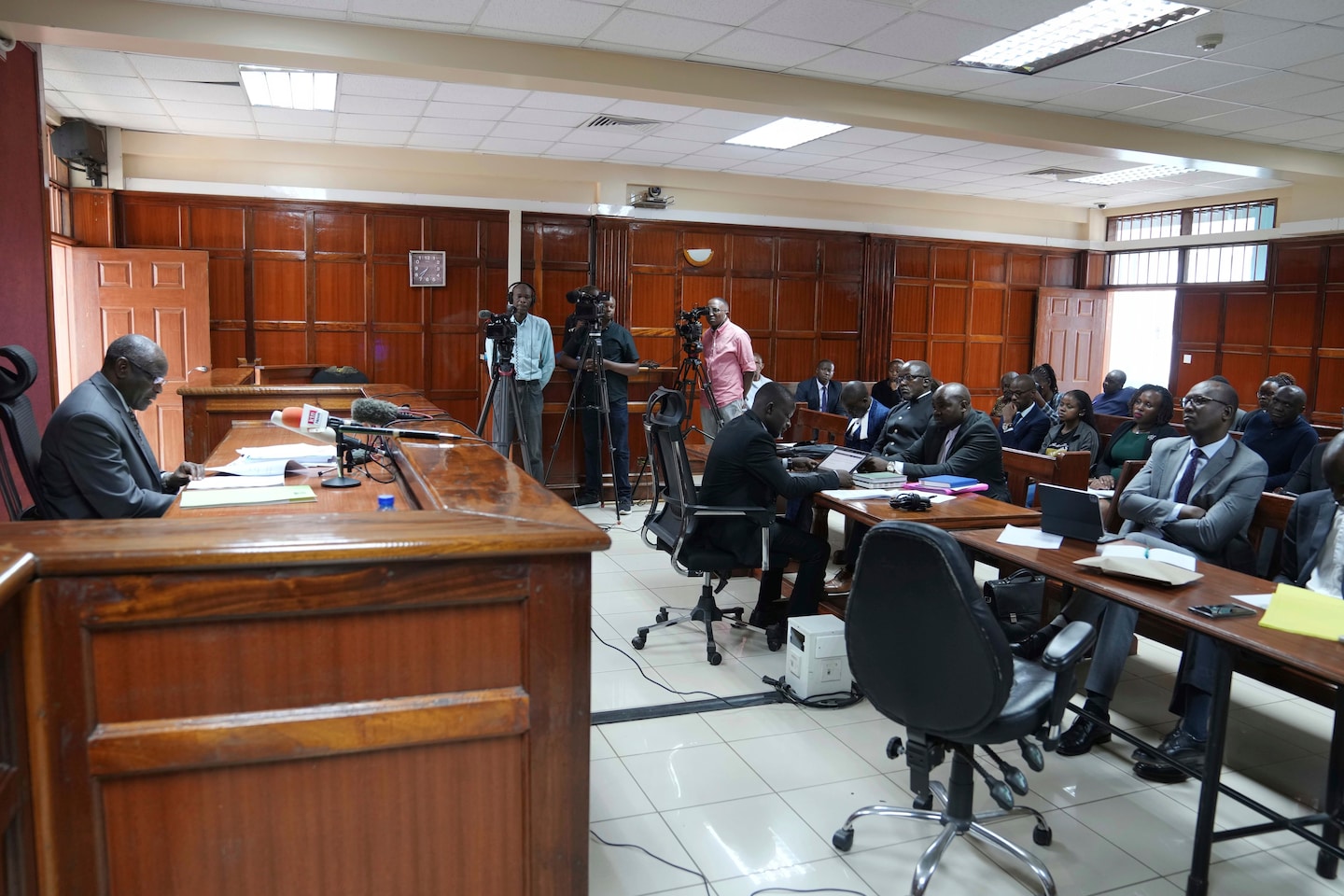
A Kenyan court has blocked the deployment of 1,000 police officers to Haiti, jeopardizing a multinational security force aimed at combating armed gangs in the capital. The decision raises questions about the viability of the mission, which aims to support the Haitian police and restore order for upcoming elections. The United States had pledged support, but other countries have been reluctant to participate. The situation in Haiti remains dire, with escalating violence and kidnappings, prompting a mixed reaction to the international intervention.

Kenya's high court ruled that the deployment of Kenyan police officers to Haiti to help control gang violence is unconstitutional, stating that the National Security Council does not have the authority to deploy regular police outside the country. The decision was made in response to an application from Thirdway Alliance Party leader Ekuru Aukot, who argued that the government's plan was illegal. The ruling was considered a blow to Haiti, which had requested the immediate deployment of a foreign armed force to assist in regaining control of the capital and areas affected by violence. The surge in gang violence in Haiti has led to an unprecedented number of victims, with the U.N. secretary-general's special envoy for the country stressing the severity of the situation.
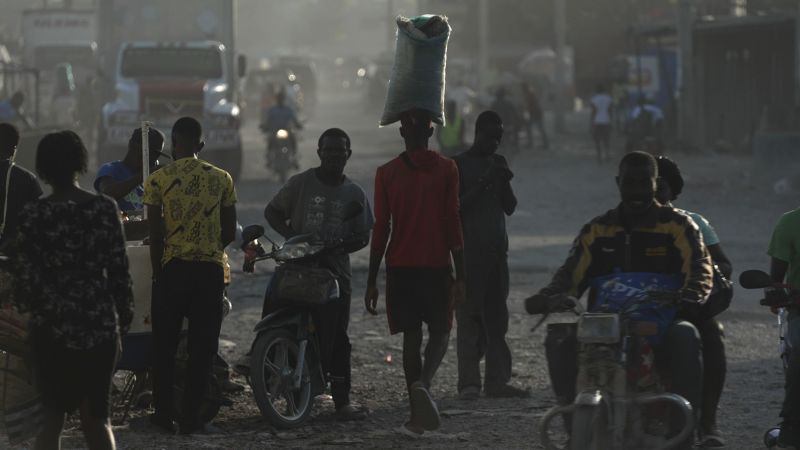
A Kenyan court has blocked the deployment of 1,000 police officers to Haiti as part of a UN-backed multinational force to restore security, ruling that the move contravenes the constitution and is therefore unconstitutional, illegal, and invalid. The State Department had pledged $100 million to support the force to quell gang violence in Haiti, with Kenya volunteering to lead it, but a legal challenge led to the court ruling. The decision poses a potential setback for Kenya's peacekeeping mission to Haiti, which it spearheads alongside Antigua and Barbuda, the Bahamas, and Jamaica, as gang violence in Haiti has risen by over 100% last year.