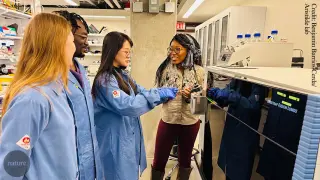
Synthetic biologists are engineering bacteria to digest pollutants—from oil and nitroaromatic compounds to plastics—aiming to turn waste into resources and cleanse air, water and soil, though safety concerns and funding hurdles still limit deployment.
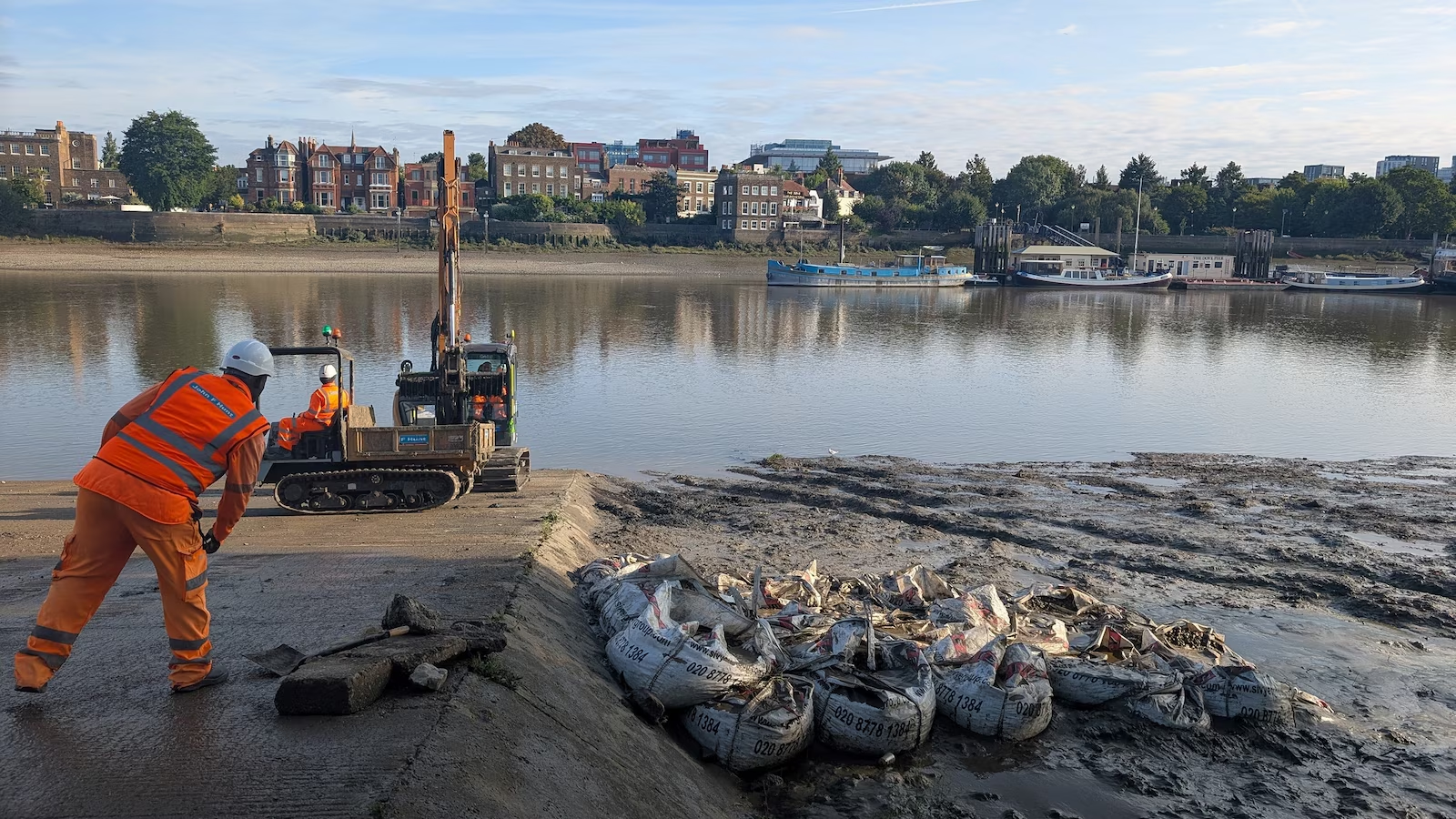
London has begun a historic cleanup of 'Wet Wipe Island' in the Thames River, removing approximately 180 tons of flushed bathroom debris using heavy machinery, marking the UK's first large-scale mechanical removal of wet wipes from a river. This effort follows years of volunteer-led efforts and scientific research highlighting the environmental damage caused by wet wipes, which are contributing to microplastic pollution and harming aquatic life. The cleanup is part of broader policy measures, including a planned ban on plastic-containing wet wipes by 2026, aimed at reducing sewer blockages and improving water quality.
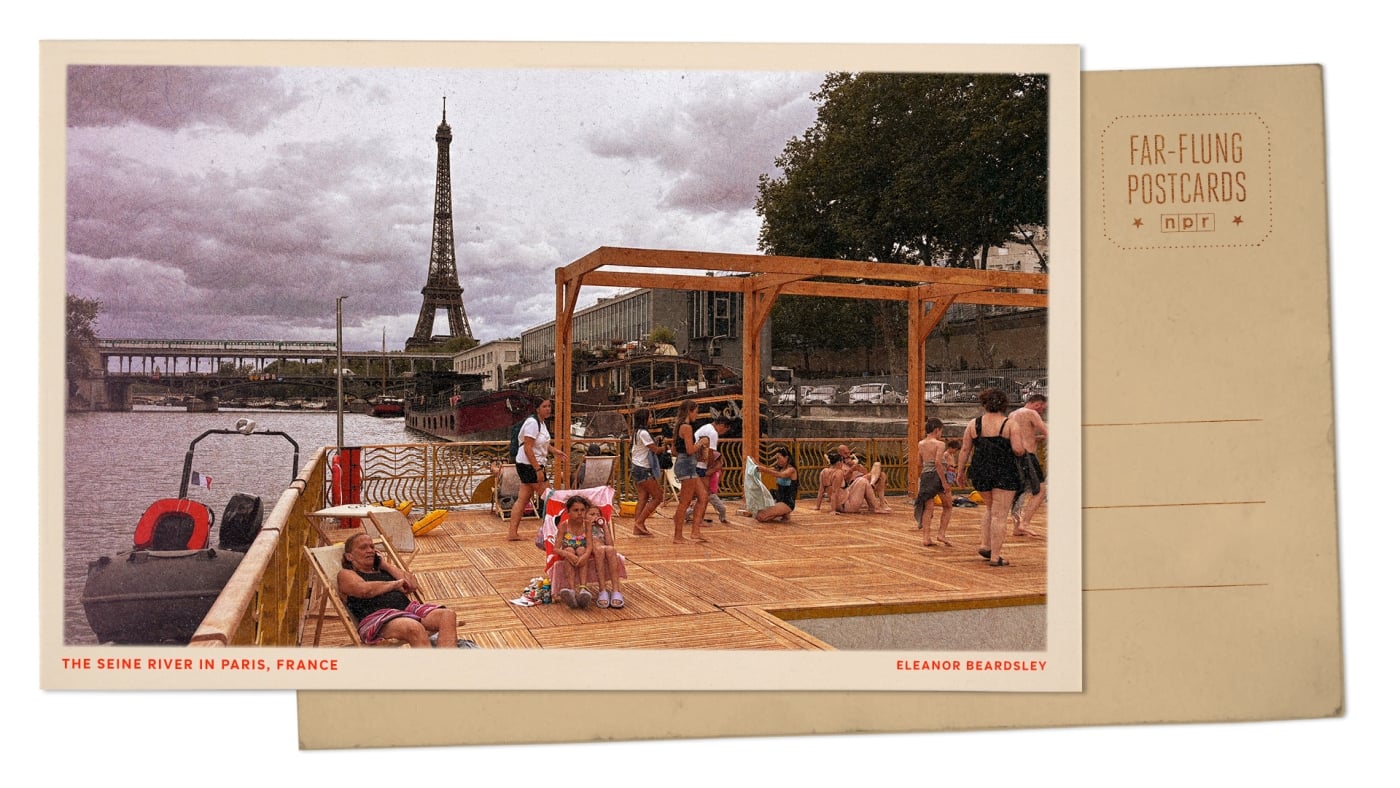
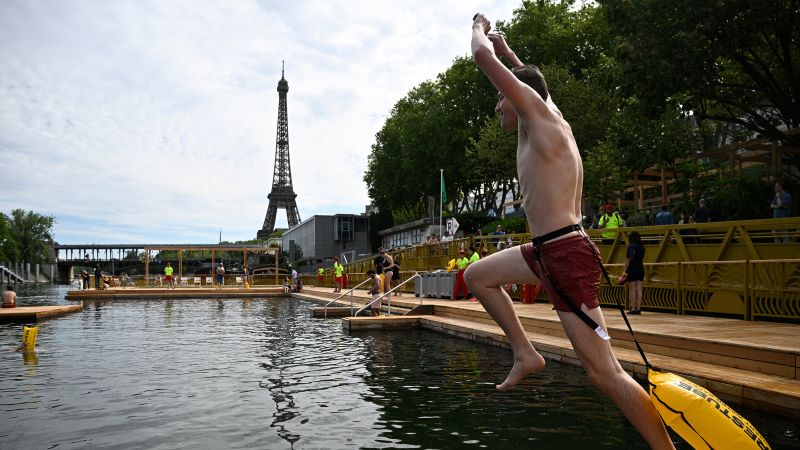
For the first time since the 1920s, Parisians and tourists can swim in the Seine River, thanks to recent pollution cleanup efforts and infrastructure improvements, offering a new way to enjoy the city during heat waves.
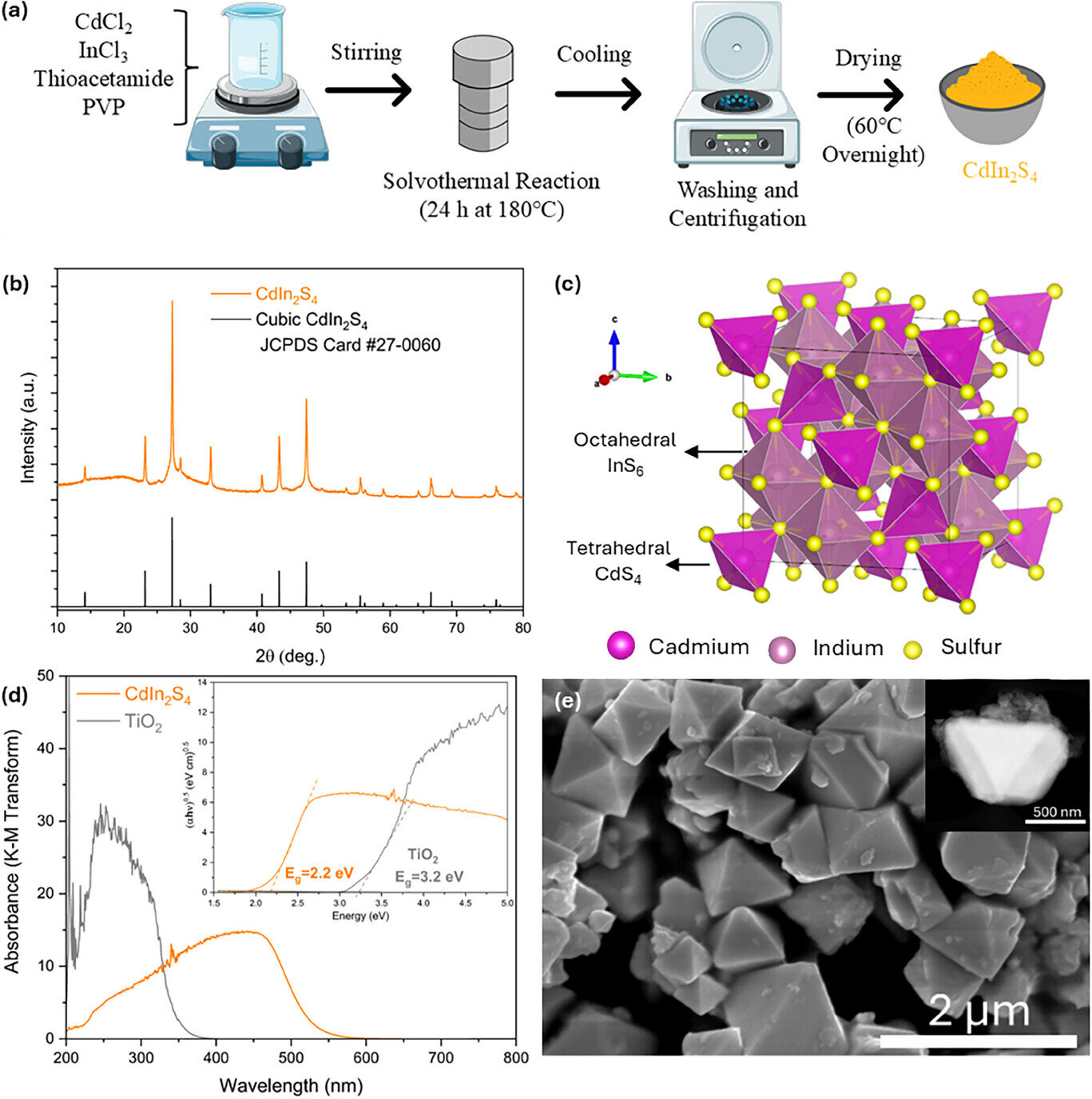
Researchers at the University of Adelaide have developed a sunlight-activated material that can break down harmful PFAS chemicals in water into harmless fluoride, offering a promising low-energy solution for environmental cleanup and water safety.
After a century, Parisians and tourists can now swim in the Seine River following a major cleanup, with new designated sites opening and water quality monitored to ensure safety, marking a symbolic and recreational milestone for the city.
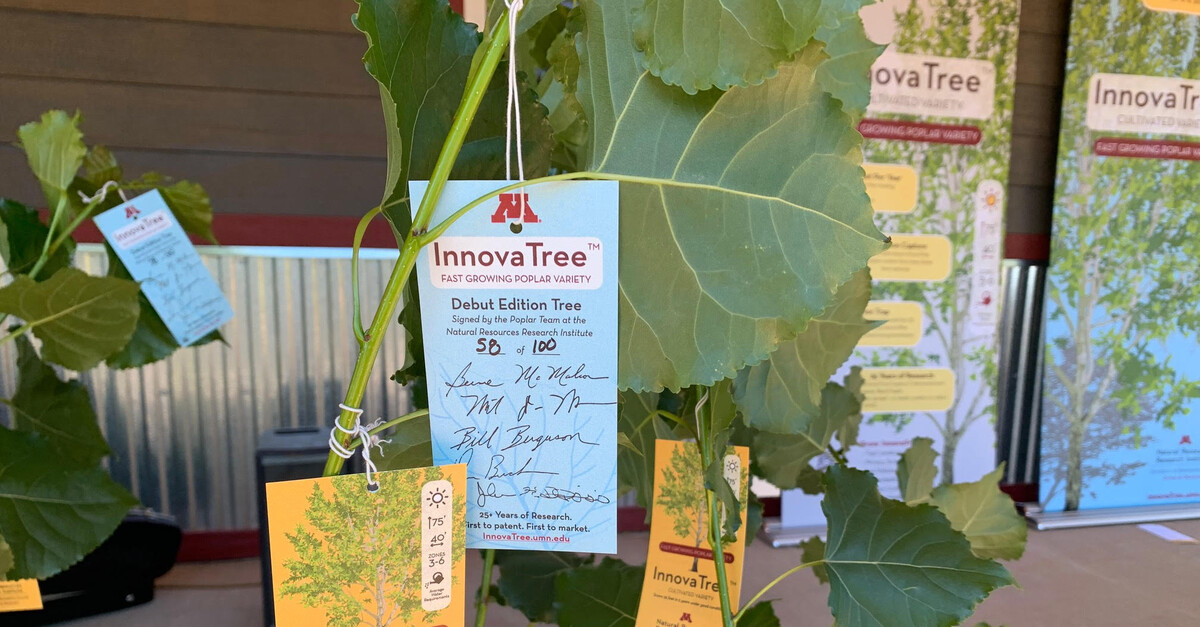
Hauser's Superior View Farm in Bayfield, Wisconsin, has launched the InnovaTree, a new hybrid tree species developed by the Natural Resources Research Institute at the University of Minnesota Duluth. The InnovaTree is designed to thrive in the upper Midwest and has shown excellent potential for pollution cleanup, disease resistance, and fast growth. It is a cross between the eastern cottonwood and black poplar, making it suitable for industrial purposes such as paper and wood production. The tree's ability to absorb carbon dioxide and clean up pollution from soil and water through phytoremediation makes it versatile for various applications, including windbreaks, agroforestry, and urban reforestation.