The SEC has proposed expanding accredited investor status to include a new knowledge-based exam and specific professional credentials, aiming to broaden access to private markets beyond current income and net worth limits.
CNBC's Family Office Portfolio Tracker (Addepar) covers hundreds of ultra‑wealthy families with about $1.4 trillion in assets and shows stock allocations rose to 37% in Q2 from 34%, as public equities gained and AI bets influenced allocations. Private markets and real estate allocations declined by about 3 percentage points amid markdowns in private credit; cash stayed roughly flat. Top holdings included Microsoft, Amazon, Alphabet, Apple and Nvidia. The shift appears driven by market performance and an ongoing bullish tilt toward stocks rather than a bout of rebalancing.
Clear Street launches a pre-IPO platform for accredited investors, starting with Databricks (valued at $188B) and plans to add up to 30 late-stage startups by year-end, offering private-market research led by Owen Lau and margin loans against pre-IPO stakes to increase transparency and access. The move mirrors Goldman Sachs’ expansion into private-company offerings; Clear Street paused its own IPO but remains financially strong and eyes a 2027 listing depending on market conditions.
Five years after a 2021 IPO boom, the market for going public has cooled and more consumer companies are choosing to stay private longer, backed by deep private capital and a booming secondaries market that offers liquidity without an IPO. A few consumer IPOs in 2026 (like Jersey Mike’s and Reformation) have been modest, underscoring a shift where valuation, regulatory burden, and access to capital in private markets are keeping many firms private while experts expect potential policy tweaks could eventually re-balance incentives toward going public.
Two debt-laden consumer IPOs—Jersey Mike’s and Reformation—drew tepid investor interest: Jersey Mike’s priced at $23 and closed at $21.63, while Reformation finished near flat at $15.08, underscoring cautious appetite for branded consumer offerings despite a busy week for listings; proceeds will primarily pay down debt (about $2.1 billion for Jersey Mike’s) and fund expansion plans (Jersey Mike’s targets up to 15,000 stores; Reformation looks to grow in the UK, Canada and France).
Goldman Sachs has created an alternative investments platform that combines its existing private markets business with two new teams focused on direct, later‑stage stakes in individual private companies and on enabling clients to buy and sell those stakes via a dedicated liquidity advisory group, expanding access to direct private investments for wealthy clients as private companies stay private longer and AI-driven opportunities grow.
An Italian startup that quietly built a sprawling tech conglomerate through roughly 50 acquisitions of struggling brands (including Evernote, AOL, Eventbrite and Vimeo) and heavy debt. After going public on Nasdaq, it raised about $1.68 billion and is valued at roughly $23 billion, driven by a large, highly paid team of “Spooners” who overhaul acquired products rather than selling them off. The approach, praised for reviving assets and criticized for layoffs and limited financial disclosure, sets up ongoing questions about the long-term performance of the holdings under Bending Spoons.
An opinion piece argues SpaceX's upcoming IPO will likely crown Elon Musk the first trillionaire and reveal how private markets, dual-class stock, and the dominance of index funds have reshaped capitalism. The argument is that founders can retain control while tapping massive external capital, and that a thin float coupled with pressure to join major indices will push demand from passive funds regardless of fundamentals, potentially triggering rebalancing that redistributes wealth and undermines governance. The piece calls for regulatory fixes to address these dynamics, suggesting we’ve moved from traditional capitalism toward a market that privatizes risk for the few and dilutes accountability for the many.
An investigative piece exposes a murky private-share market where investors trade pre-IPO stakes in SpaceX and OpenAI via brokers and online platforms. Deals often come with opaque valuations, limited liquidity, and regulatory gray areas, raising risks of illiquidity, misrepresentation and scams; buyers should beware that these shares may never become publicly tradable.
A Financial Times opinion argues that this bull market has ridden a de‑equitisation backstop—shrinking public equity supply via buybacks and privatisations. Now an AI boom, led by players like OpenAI, Anthropic and SpaceX, could bring sizable public-market supply as these firms explore IPOs with valuations potentially up to $4 trillion, possibly expanding the US equity base by about 6% and weakening the de‑equitisation ‘put’ that has supported prices. Meanwhile, Big Tech’s shift toward heavy AI investment is dampening buybacks, suggesting more public issuance could emerge in coming years.
Investors are scrambling to buy Anthropic’s private stock as the AI startup’s rapid growth and momentum drive a scarce secondary market, with offers ranging from cash to partnerships and rumors of valuations around or above $1 trillion, while most insiders hold firm and the pool of sellers remains thin.
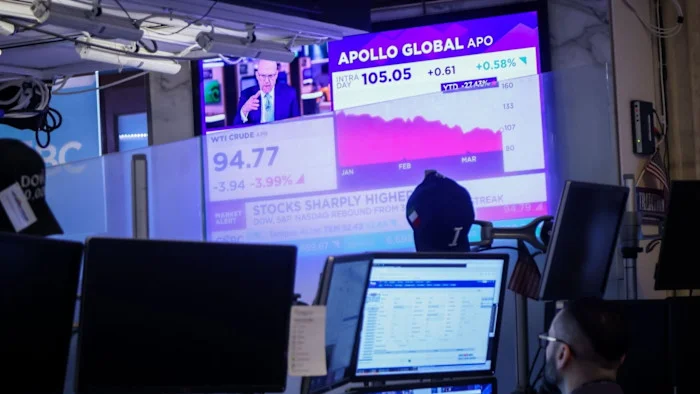
Apollo Global Management capped redemptions from its flagship Apollo Debt Solutions BDC after investors sought about $1.6 billion (11.2% of its $15 billion net assets), above the 5% threshold for limiting withdrawals. The firm honoured roughly half of withdrawal requests, joining peers like Morgan Stanley and BlackRock in restricting outflows as investor sentiment cools on semi-liquid private markets. The fund, with about $25 billion in investments, posted roughly flat net flows for the quarter after new commitments and redemptions, and recorded its first monthly loss in February due to a sell-off in more liquid loans.
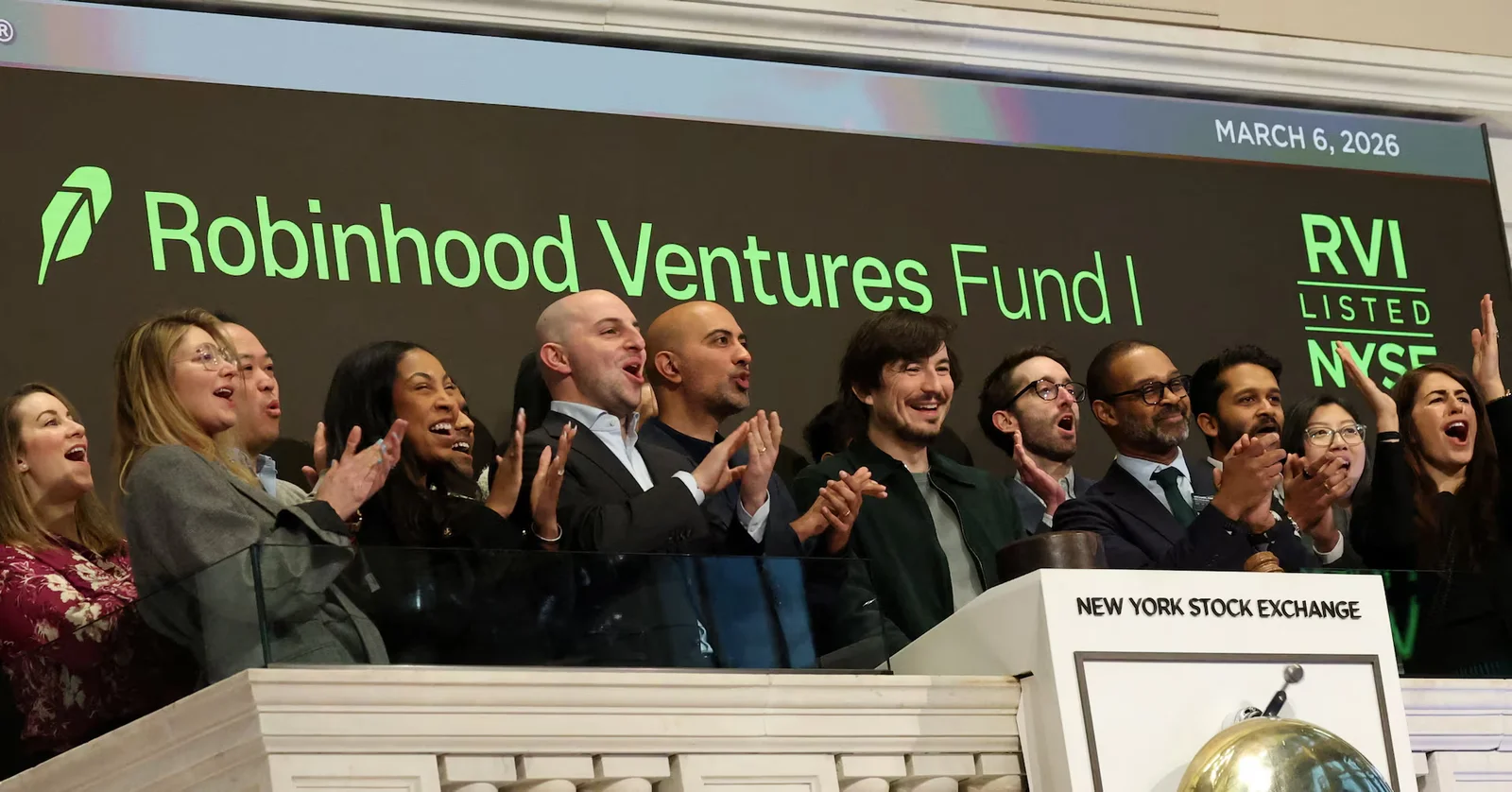
Robinhood debuted its flagship $658.4 million Robinhood Venture Fund (ticker RVI) on the NYSE, giving retail investors exposure to late-stage private tech names such as Databricks, Ramp and Revolut; the closed-end fund aims to broaden access to private assets amid soaring valuations, while the IPO priced at $25 per share and drew modest demand (12.6 million shares sold).
Private credit funds—reaching about $3 trillion—are under scrutiny after Blackstone and Blue Owl faced sizable withdrawals, underscoring concerns about opacity and risk as the market grows to retail investors and potentially faces a shakeout despite remaining a flexible financing option for borrowers.
Jamie Dimon warns at an investor event that the opaque $3 trillion private-credit market harbors 'dumb stuff' risks that could spark a crisis like 2008, as AI-fueled private lending outpaces transparency; Fed minutes flag vulnerabilities in private credit despite low public spreads, highlighting a potential risk blind spot in the financial system.