A $14bn Meta-BlackRock data centre in El Paso is insured only partially—covering limited amounts for property, rent abatement and terrorism—leaving lenders exposed to potential losses in the billions beyond policy caps as full coverage remains unaffordable for AI-scale campuses.
BlackRock Investment Institute says the next AI trade may hinge on energy security and data-center power rather than chip supply. With more than 55 gigawatts of behind-the-meter capacity planned in the U.S. and long-term contracts like Microsoft-Chevron’s Kilby project, GE Vernova, Eaton and Vistra are positioned to benefit as hyperscalers seek on-site, dispatchable power amid grid bottlenecks and rising electricity costs.
Workplace Emergency Savings Accounts, coordinated by the Emergency Savings Initiative from BlackRock and Commonwealth, let workers divert part of their paycheck into a dedicated cushion for unexpected expenses. Eligible for about 22 million Americans and offered by employers like Delta, AutoNation, Best Buy, and Starbucks, these accounts aren’t tax-advantaged but encourage saving discipline and can spur retirement contributions—over 20% of first-time savers start a 401(k) and more than 52% begin retirement contributions within four months, adding roughly $3.5 million in new retirement contributions. The accounts provide a visible, dynamic savings tool for individuals like Amber Comber to dip into during emergencies and replenish later, and they can boost morale and retention for employers, though experts stress there’s no single solution to financial stability in today’s economy.
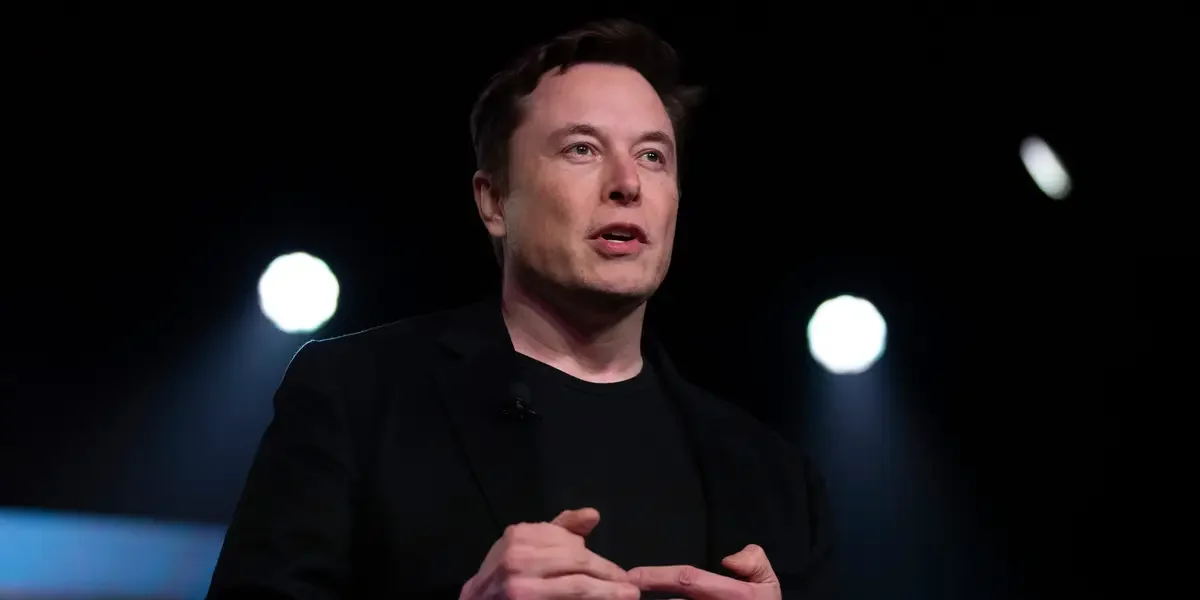
BlackRock is weighing a $5–$10 billion anchor investment in SpaceX’s IPO, a move that could back a record‑size offering (potentially up to $75 billion) and signals strong Wall Street confidence in Elon Musk’s space company, even as SpaceX pursues a high valuation and limited investor governance.
BlackRock argues AI investing isn’t all about Nvidia; it points to a HALO theme—capital-intensive, hard-to-digitize assets like utilities and manufacturing—as a way to diversify amid AI disruption. PPG Industries is highlighted as a concrete example: using AI to develop a new fast-drying automotive clearcoat (Deltron D8178) that boosts efficiency and creates new products. The takeaway is that AI’s impact may be broader than the current Nvidia-focused trade, so investors might combine AI exposure with value and infrastructure plays, without dumping Nvidia.
BlackRock warns that surging energy costs and a narrowed valuation gap to the US have dented Europe’s stock appeal, citing consumer spending stress and higher borrowing costs; while some areas like defense, banks and semiconductors remain selective opportunities, the market is seen as fragile and US equities currently offer more attractive investment prospects.
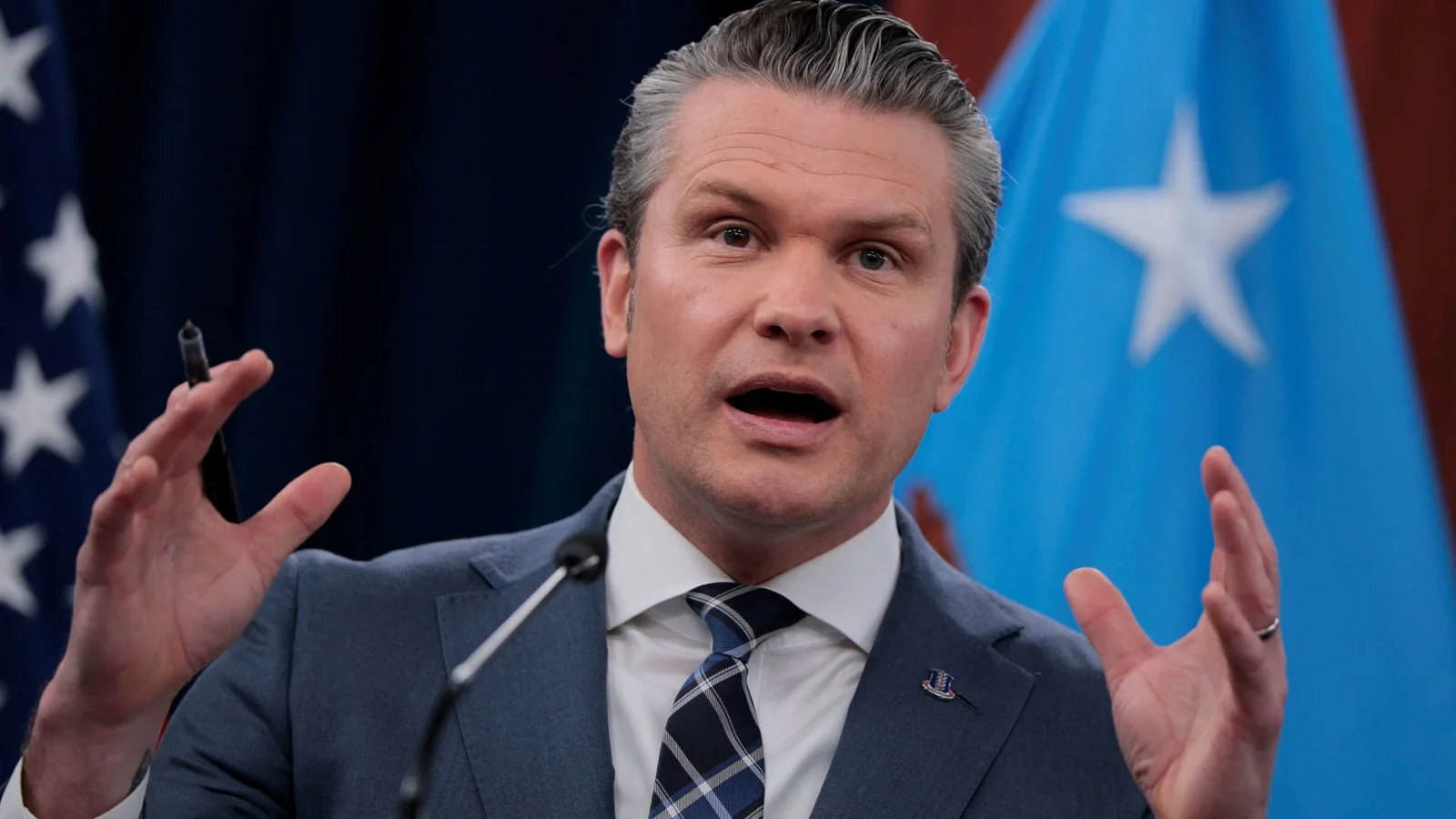
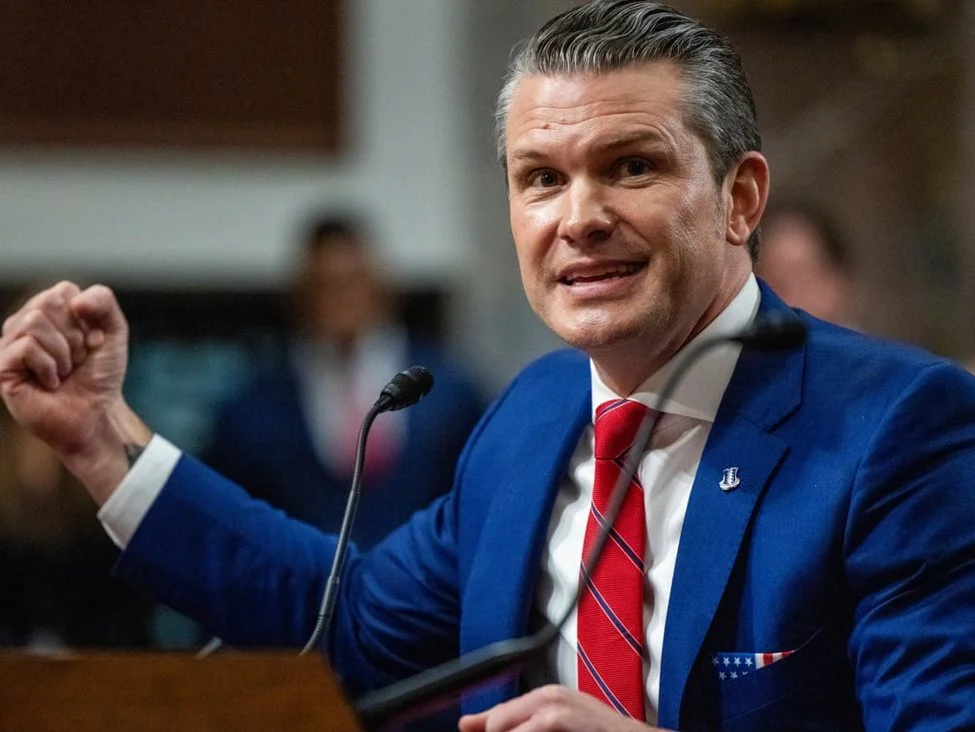
The Financial Times reported that Pete Hegseth’s Morgan Stanley broker approached BlackRock in February about a multimillion-dollar investment in the iShares Defense Industrials Active ETF, which holds major defense names like RTX, Lockheed Martin and Northrop Grumman; the investment did not proceed because the ETF wasn’t yet available to Morgan Stanley clients. Pentagon spokesperson Sean Parnell rejected the report as “entirely false and fabricated,” saying neither Hegseth nor his representatives pursued such an investment. The piece appears in the context of the ongoing Iran conflict and related regional tensions.
According to FT, a Morgan Stanley broker for US Defense Secretary Pete Hegseth explored a multimillion-dollar investment in BlackRock's Defense Industrials Active ETF before the Iran strike, but the deal did not proceed because the fund wasn’t yet available on the platform; while no wrongdoing is alleged, the timing could invite scrutiny given the defense sector’s link to government policy.
BlackRock blocked $1.2B in withdrawals from its $26B private-credit funds, signaling a liquidity squeeze that could ripple through crypto markets, with BTC ETF outflows and valuation concerns weighing on confidence; the stock fell about 7.7% in the session.
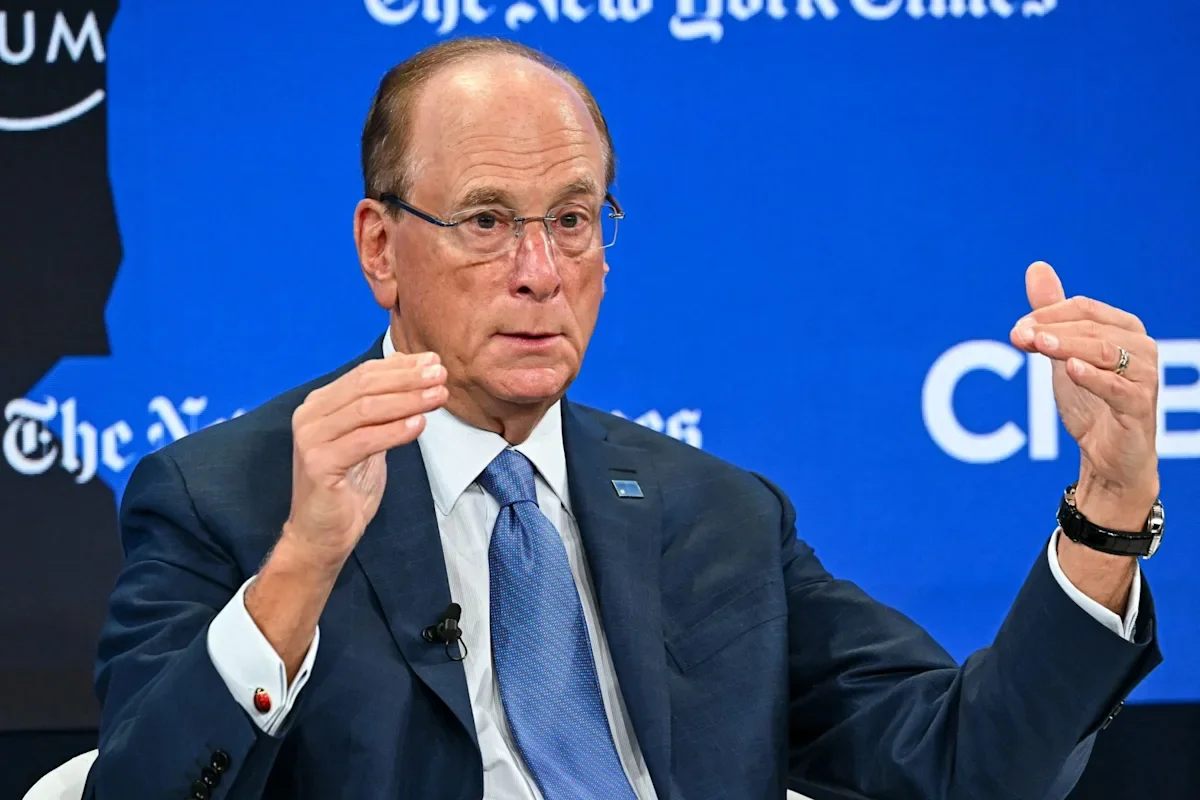
BlackRock CEO Larry Fink says a $2 million retirement nest egg is the new reality and that “almost no one is close” to it, underscoring a widening retirement gap for Gen X as costs rise and saving options shrink, potentially making retirement harder and more precarious if savings don’t improve.
During Thursday’s sharp Bitcoin sell-off, BlackRock’s iShares Bitcoin Trust ETF (IBIT) saw a record surge in options trading—about 2.33 million contracts with roughly $900 million in premiums—primarily in puts versus calls, suggesting investors were hedging downside risk rather than selling the ETF. IBIT traded around $39.68 after a nearly 10% intraday gain, though the ETF remains down around 31% in the last month and 34% in 2025 as Bitcoin’s volatility persists; Friday’s rebound followed the drop and kept IBIT under close watch as institutional positioning in Bitcoin grows through the ETF’s options market.
BlackRock’s IBIT Bitcoin ETF shattered trading records with over 284 million shares traded—about $10 billion in value—in a session during which the price fell roughly 13% to under $35, signaling a 27% year-to-date loss. The day also saw about $175 million in redemptions and a surge in put activity, suggesting institutional capitulation, though some analysts see potential for a local bottom if panic subsides, even as the path to recovery could be slow.
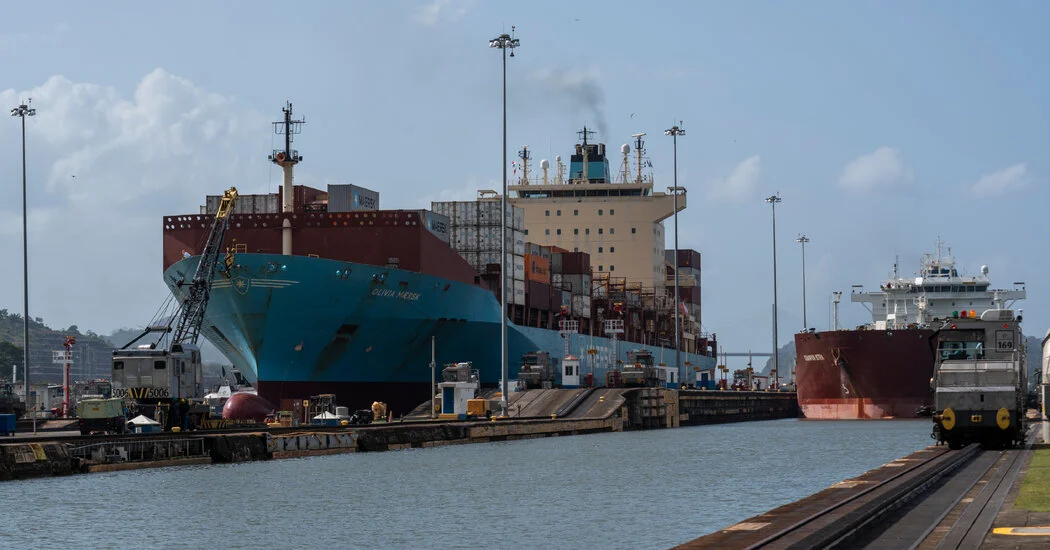
Panama’s Supreme Court voided CK Hutchison’s contract to operate the Balboa and Cristobal ports at the Panama Canal on procedural grounds, potentially affecting a BlackRock-led sale and signaling a new round in the US‑China struggle over canal control and global trade routes.
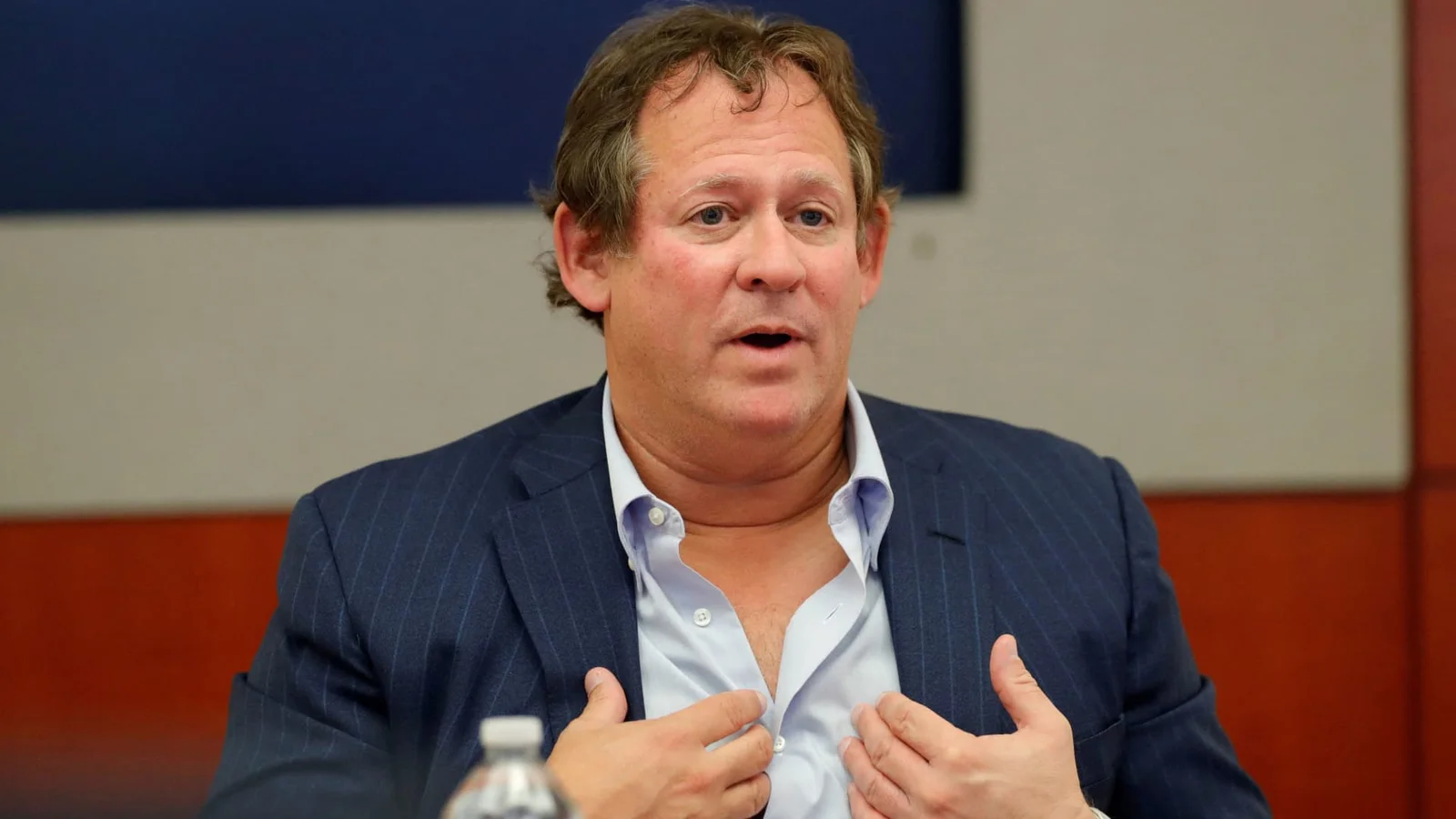
Markets currently peg BlackRock’s Rick Rieder as the frontrunner to replace Jerome Powell as Fed chair, but the race remains volatile with Kevin Warsh and Kevin Hassett still in the mix and President Trump weighing loyalty against policy preferences; Rieder’s market-focused background, his call for a roughly 3% funds rate, and his support for Fed independence could both help and hinder his bid depending on White House priorities.
Elon Musk was added to the Davos schedule for a 4:30 p.m. Thursday session with BlackRock CEO Larry Fink, marking an unexpected appearance at the World Economic Forum; no topic has been disclosed for his remarks.