AMD, in partnership with Microsoft, is rolling Advanced Shader Delivery (ASD) out to the entire RDNA GPU stack (RDNA 1–4), delivering up to a 95% reduction in shader load times and stutter. In Forza Horizon 6 ASD brings the game from about 1.5 minutes to roughly 4 seconds on supported hardware, with a growing list of titles and ongoing expansion to more devices and IHV hardware.
Valve says Steam Deck 2 is actively in development with no concrete release window. The company expects a major performance leap guided by lessons from past hardware projects, potentially waiting for a more efficient RDNA generation and considering an off-the-shelf AMD silicon rather than a semi‑custom APU, with speculation pointing to a launch around 2028 depending on market conditions.
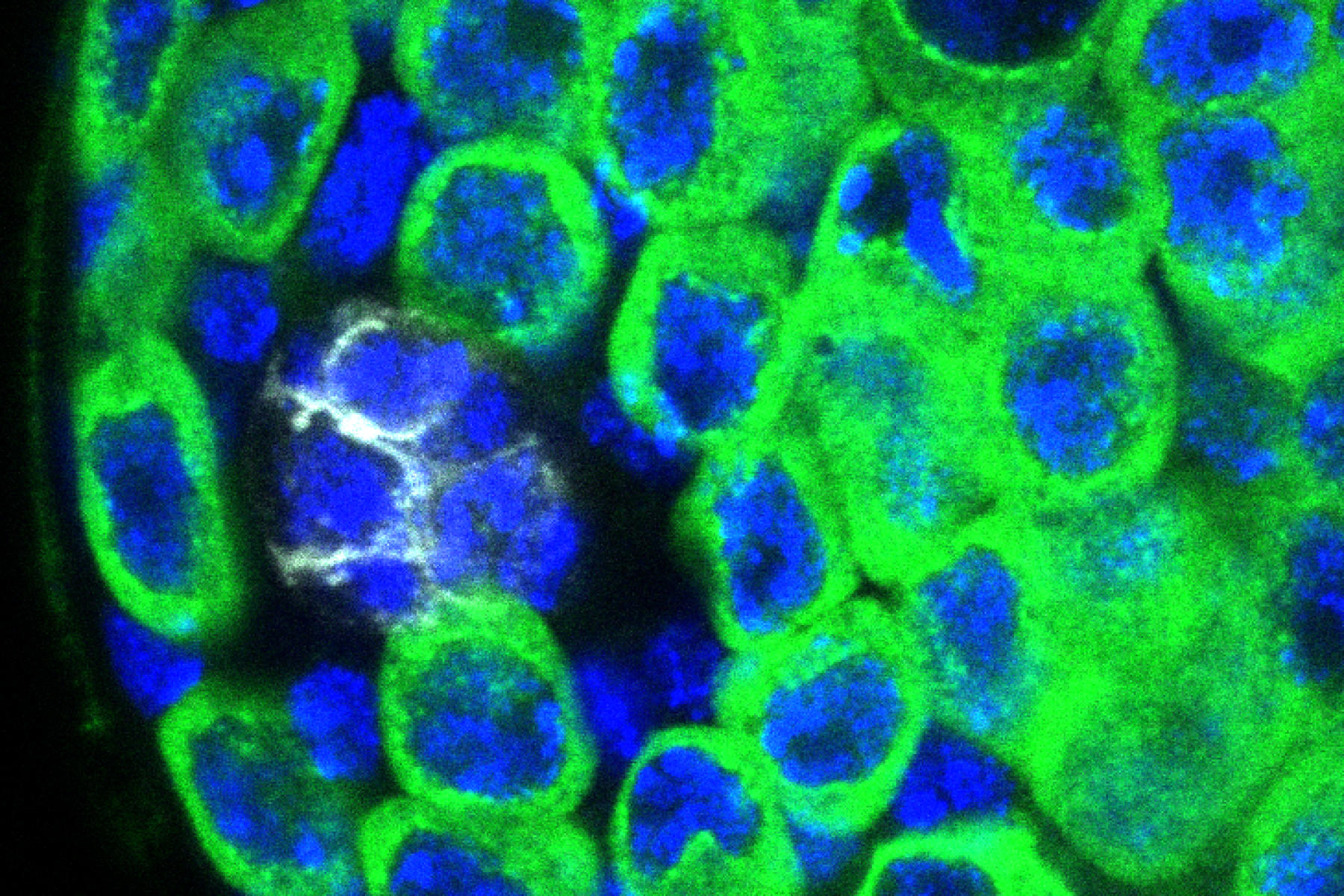
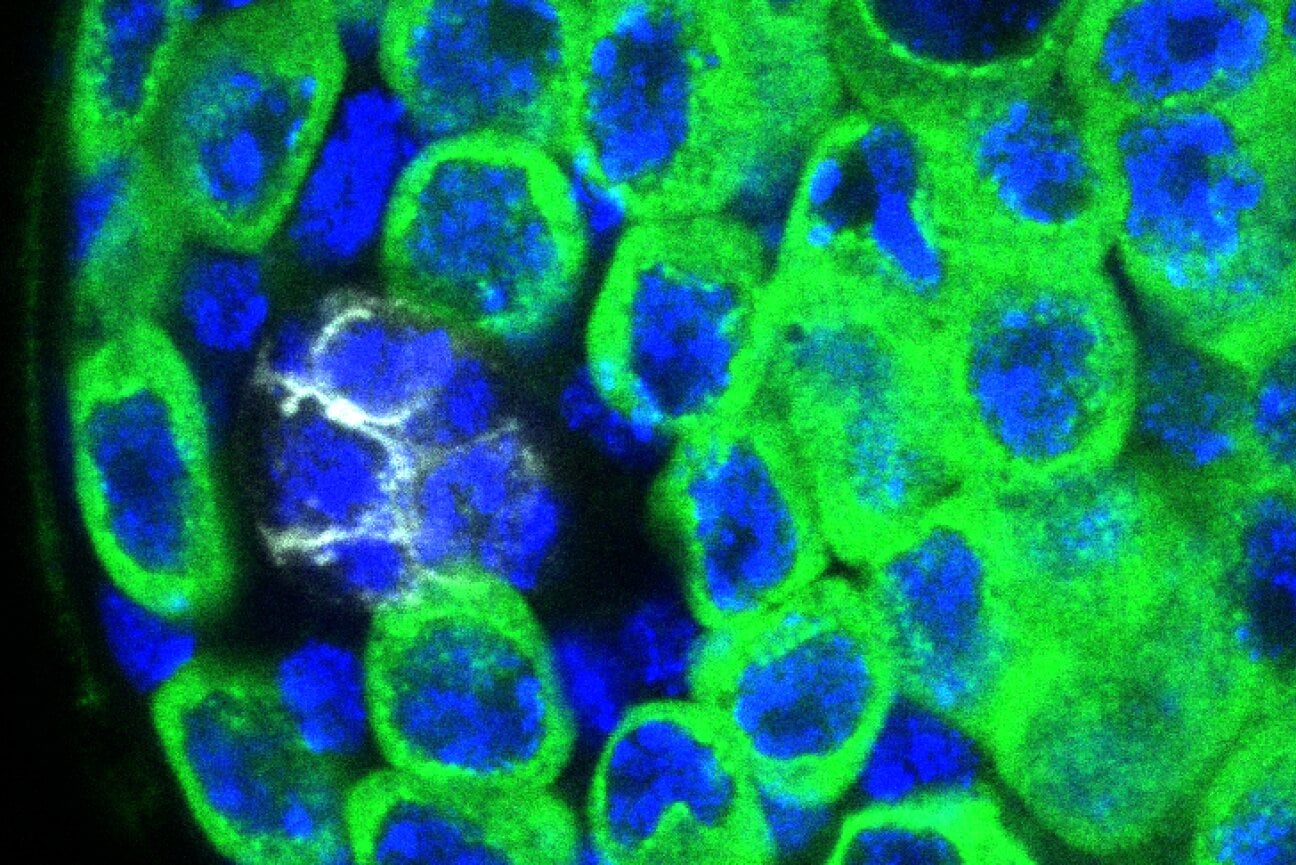
Scientists have discovered that a retrotransposon, previously considered a genetic parasite, plays a crucial role in maintaining ribosomal DNA (rDNA) and preserving fertility through generations. rDNA generates the RNA subunits of ribosomes, which make proteins, and its repetitive nature makes it easy for cells to accidentally remove some of the identical repeats when replicating the genome during cell division. The retrotransposon R2, which typically copies and inserts itself into fruit fly rDNA, can help cells by slicing open both copies of the chromosome containing rDNA, and when the cell tries to repair these breaks, it stitches a stretch of rDNA repeats from one copy of the chromosome into the other copy of the chromosome instead. This ensures that the number of rDNA repeats never gets too low across the population of germ cells, preserving the lineage of the cells and the individuals who carry them.
Researchers have discovered that a retrotransposon, a genetic element that had been thought of as a genetic parasite, plays an essential role in maintaining ribosomal DNA (rDNA) and preserving fertility through the generations. The retrotransposon R2, which typically copies and inserts itself into fruit fly rDNA, can help cells by restoring rDNA with the help of a retrotransposon. Germ cells can combine these mechanisms, taking rDNA repeats from one chromosome to give to another and then earmarking the cell with more repeats, to constantly replenish the germline's level of rDNA.