Tag

Rdna 5

All articles tagged with #rdna 5

Leakers predict 2028 for next-gen GPUs, with only one AMD chip arriving in 2027
technology27 days ago

Leakers predict 2028 for next-gen GPUs, with only one AMD chip arriving in 2027

Leaker Kepler_L2 claims both AMD and NVIDIA will delay their next-generation gaming GPUs until 2028, with only one mid-range AMD RDNA 5 chip launching in 2027. This delay is attributed to severe memory shortages and high demand from AI data centers, which have driven up component costs and disrupted supply chains. While some reports suggest NVIDIA might launch its RTX 60 series in early 2027, other leakers dispute this, citing ongoing supply chain issues. The delay means PC gamers will likely wait until 2028 for significant performance upgrades, while console manufacturers like Microsoft and Sony may still launch their next-generation consoles in 2027 using the same AMD hardware.

PS6 Leak Outlines Hybrid Handheld and Home Console With Zen 6, RDNA 5
technology7 months ago

PS6 Leak Outlines Hybrid Handheld and Home Console With Zen 6, RDNA 5

Leaked specs, via Moore’s Law is Dead, sketch a PS6 with a handheld Canis and a home console built on AMD Zen 6 CPUs and RDNA 5 GPUs on a 3nm process. Canis reportedly has 6 CPU cores and 16 RDNA 5 Compute Units with 192-bit LPDDR5X memory (~135mm²). The PS6 home console allegedly features up to 10 Zen 6 cores, a 52–42 CU RDNA 5 GPU at 2.6–3GHz, a 160-bit memory bus and 30–40 GB of GDDR7 for up to 640 GB/s bandwidth. Leaks claim 2.5–3x PS5 rasterization and 6–12x ray tracing, with PS6 initially lagging Microsoft’s Next Xbox. These are unconfirmed leaks.

Steam Machine 2026 on the Way; Xbox RDNA 5 SoC Targeted for 2027
technology8 months ago

Steam Machine 2026 on the Way; Xbox RDNA 5 SoC Targeted for 2027

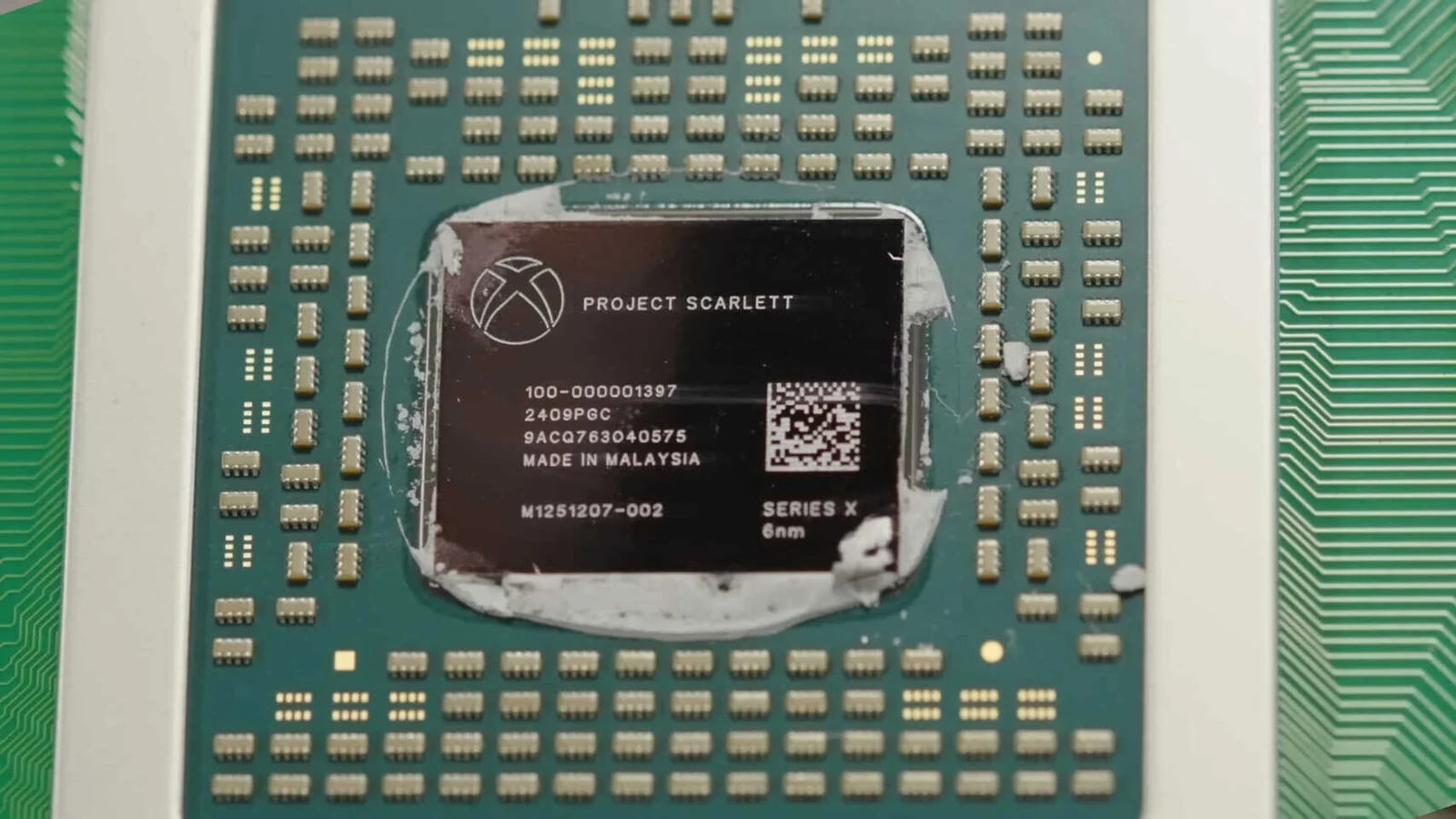
AMD said Valve’s Steam Machine will ship in early 2026, and its semi-custom division is eyeing a 2027 launch for a next‑gen Xbox SoC based on RDNA 5. The Steam Machine specs are confirmed, while the Xbox chip (rumored as Magnus) is described as potentially packing a Zen 6/6c CPU and 68 RDNA 5 compute units, up to 48 GB of GDDR7, and an on‑chip NPU for AI, signaling a high‑end console/PC hybrid strategy alongside Sony’s PS6 plans.

AMD's Next-Gen RDNA 5 GPUs to Feature Over 12K Cores and Compete with NVIDIA
technology1 year ago

AMD's Next-Gen RDNA 5 GPUs to Feature Over 12K Cores and Compete with NVIDIA

AMD's upcoming RDNA 5 Radeon GPUs are rumored to feature significantly increased core counts, with over 12,000 cores on the top die, using 128 cores per compute unit, marking a substantial upgrade from RDNA 4. The lineup is expected to include four die configurations, aiming to improve performance and competitiveness against NVIDIA in high-end gaming segments.

Sony and AMD Collaborate on Major Upgrades for PS5 Pro and Future PlayStation Consoles
technology1 year ago

Sony and AMD Collaborate on Major Upgrades for PS5 Pro and Future PlayStation Consoles

Sony's Mark Cerny has confirmed his involvement in AMD's upcoming RDNA 5 GPU architecture, which is likely to be renamed UDNA, as part of a collaboration with AMD's Project Amethyst. This partnership aims to enhance gaming hardware and software, benefiting both PlayStation and PC gamers with improved graphics and performance. The collaboration has already produced advancements like the FSR 4 upscaling algorithm, with further developments expected for future PlayStation consoles and AMD GPUs.

AMD shifts focus to RDNA 5 development, cancels high-end RDNA 4 GPUs
technology3 years ago

AMD shifts focus to RDNA 5 development, cancels high-end RDNA 4 GPUs

AMD has reportedly canceled the high-end RDNA 4 GPUs to focus on the development of RDNA 5, which is showing promising early performance projections. Leaks suggest that only the Navi 43 and Navi 44 SKUs will be released next year, while the flagship RDNA 4 GPU, N41, has encountered various issues. The decision to cancel RDNA 4 is aimed at avoiding delays and ensuring a smoother release for the remaining lineup. The RDNA 4 GPUs may launch in the second half of next year, with improved ray tracing and power efficiency as key features. However, the information should be taken with caution until officially confirmed.