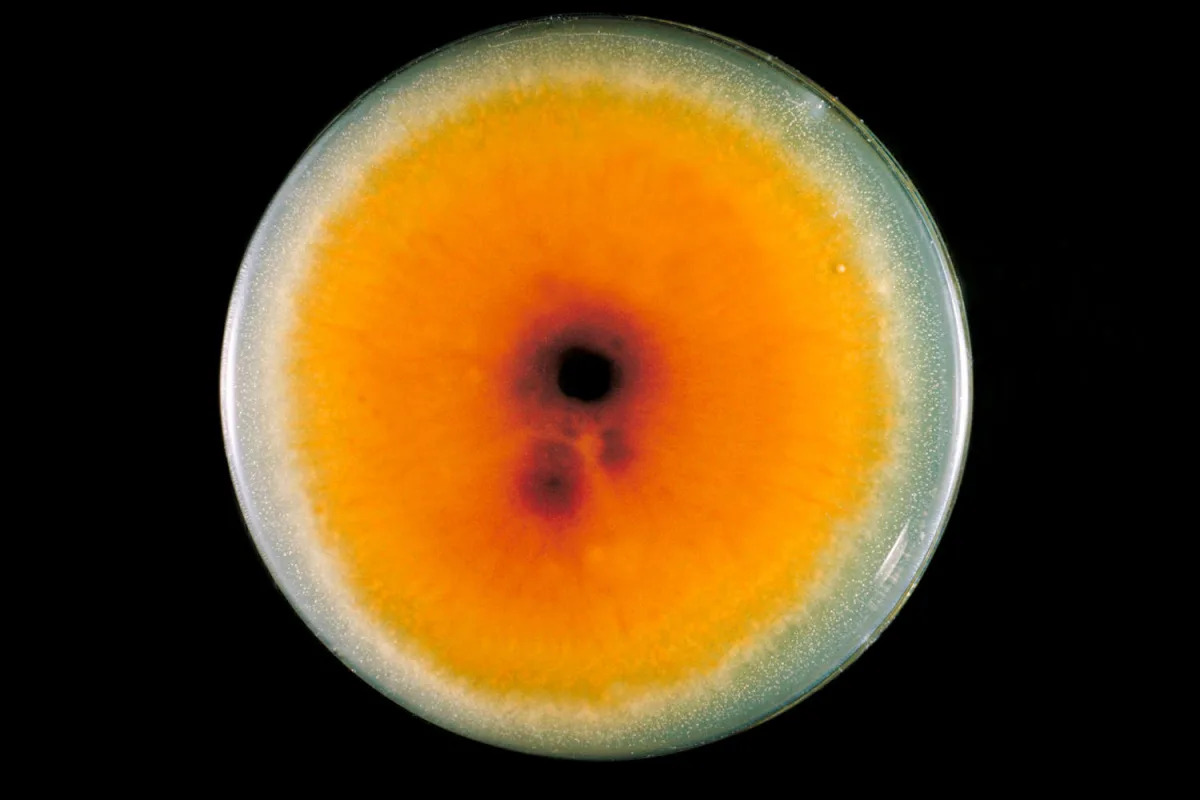
A fungus identified as Trichophyton indotineae is causing ringworm infections worldwide and shows resistance to terbinafine antifungal medications. Cases have risen in 29 countries, from 237 in 2022 to 1,692 in 2025, highlighting a growing public health challenge and the need for early identification and action.
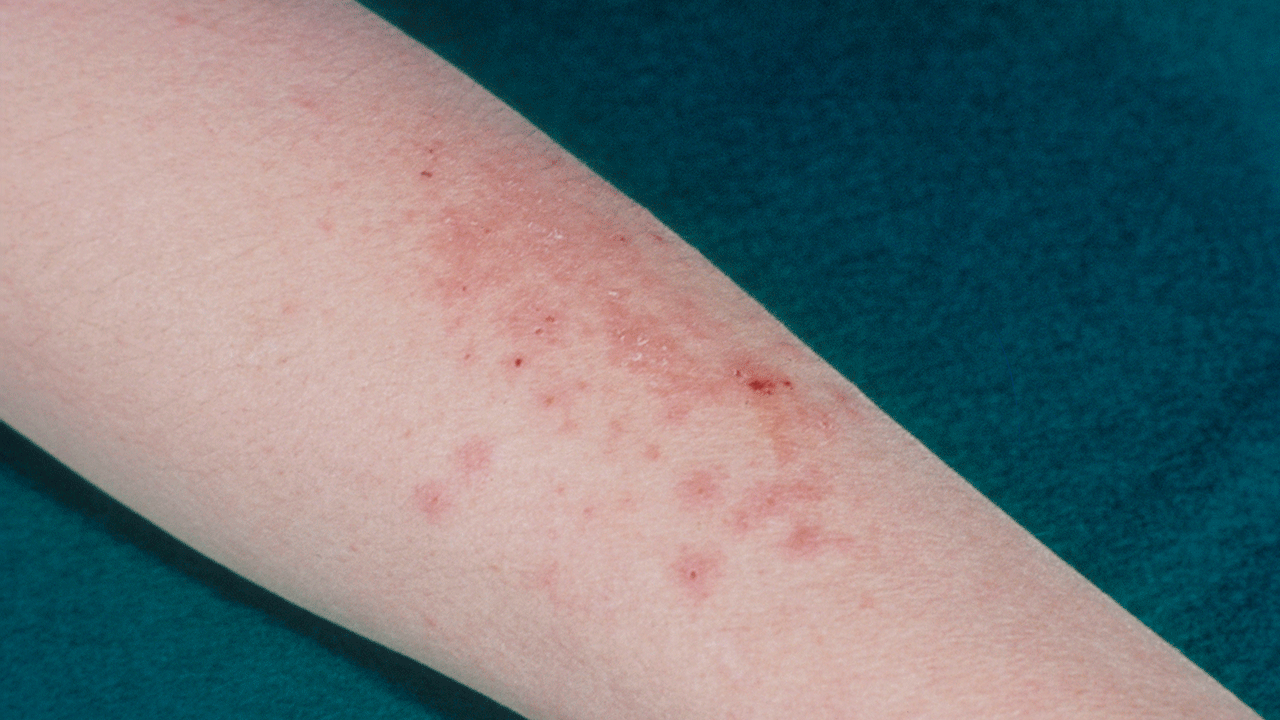
A new fungal infection, Trichophyton mentagrophytes genotype VII (TM7), is spreading in the U.S., with Minnesota reporting over 30 cases in the Twin Cities area. The CDC notes it primarily affects men who have sex with men but can infect anyone. Symptoms include painful, itchy rashes that may mimic eczema or psoriasis. Unlike common ringworm, TM7 often requires weeks of oral antifungal treatment, typically terbinafine, to resolve.
NOLA Cat Lounge, a newly opened venue in New Orleans' Central Business District, has temporarily closed after several resident cats contracted ringworm. Owner Kelly Johnson-Hill announced the closure on social media, stating that staff will spend one week cleaning, sanitizing, and treating the animals before evaluating a reopening. The infected cats were immediately removed from the premises, and Johnson-Hill emphasized that the decision prioritizes the safety of guests, their pets, and the animals. While the infection is treatable and common in shelters, the closure represents a significant financial setback for the business, which had recently expanded to include events like cat yoga. Johnson-Hill has launched an Amazon wishlist to replace discarded items and plans to announce fundraising efforts soon, noting that the community response has been overwhelmingly supportive.
Health officials are monitoring an emerging fungal infection, TMVII (Trichophyton mentagrophytes type VII), spread via direct skin-to-skin contact during sex and through contaminated items. It causes ringworm-like, itchy lesions that can appear on genitals, buttocks, and other areas. First identified in 2024, Minnesota reports the largest US cluster with 30+ suspected or confirmed cases. Treatment is usually weeks-long oral antifungals, and patients should avoid contact with others, inform partners, and launder clothes and bedding at high temperatures to reduce transmission.
Minnesota health officials report 14 confirmed and 27 suspected cases of a TMVII fungal infection (Trichophyton mentagrophytes), transmitted mainly through skin-to-skin contact including sexual activity; cases date back to July 2025, with transmission occurring in networks and prompting enhanced surveillance; symptoms resemble ringworm with itchy, spreading rashes; diagnosis is often clinical but may require a skin scrape, and treatment can involve weeks of antifungal pills; officials urge infected people to avoid close contact, not share towels or linens, and seek medical care.
Minnesota is experiencing what health officials call the largest U.S. outbreak of the sexually transmitted fungal infection TMVII, with more than 30 confirmed or suspected cases in the Twin Cities since last July. TMVII spreads through skin-to-skin contact and can cause coin-shaped rashes; the CDC is aware of sporadic cases in other large U.S. cities. Diagnosis can be challenging and treatment may last weeks to months; prevention includes avoiding sexual contact if a rash is present and not sharing personal items. Overall public health risk is low, but men who have sex with men and people with a history of sexually transmitted infections may be at higher risk.
A stray kitten named Cosmo was rescued by Kendra and her family, diagnosed with a severe ringworm infection, and treated with medicated baths and medications. Over weeks his fur grew back, he became a playful and affectionate companion, and he bonded with the other family cats, ultimately staying with the family.
A scruffy, ringworm-infected kitten named Sewer Rat, found alone and in rough shape, is being cared for by Dekalb Humane Society and is seeking a loving home. Despite his unusual appearance, he remains sweet, resilient, and charming, highlighting the importance of loving pets with medical needs. The shelter hopes to find a family willing to care for his ongoing treatment and eventual adoption.
A sexually transmitted ringworm fungus, Trichophyton mentagrophytes ITS genotype VII (TMVII), is spreading in New York City, with five cases reported this year. This fungus, which primarily affects men who have sex with men, was previously found in Europe and Asia. All infected individuals have been treated successfully, though some required multiple antifungal treatments. Researchers urge healthcare providers to be vigilant for TMVII, as it can cause lesions on various body parts and may spread locally. Public health measures are recommended to monitor and prevent its spread.
Health officials in New York City have reported the first U.S. case of a rare sexually transmitted ringworm, trichophyton mentagrophytes type VII (TMVII), in a man who had traveled to England, Greece, and California. The infection, which causes a red, itchy rash similar to eczema, took over four months to clear with antifungal treatments. While the public is advised not to be alarmed, doctors are encouraged to ask patients about genital rashes, especially those who are sexually active and have traveled recently.
The first U.S. case of a rare sexually transmitted ringworm caused by the fungus Trichophyton mentagrophytes type VII has been reported in a New York City man. The infection, which took over four months to heal, highlights the growing issue of antifungal resistance. While not widespread, doctors advise seeking medical attention for persistent rashes, especially in the groin area.
The first U.S. case of a rare sexually transmitted ringworm caused by the fungus Trichophyton mentagrophytes type VII has been reported. The infection, which was contracted by a New York City man in his 30s, took over four months to treat with various antifungal medications. While not widespread, the case highlights the growing issue of antifungal resistance and the need for awareness among clinicians and the public.
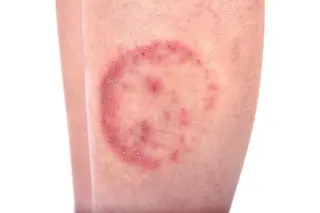
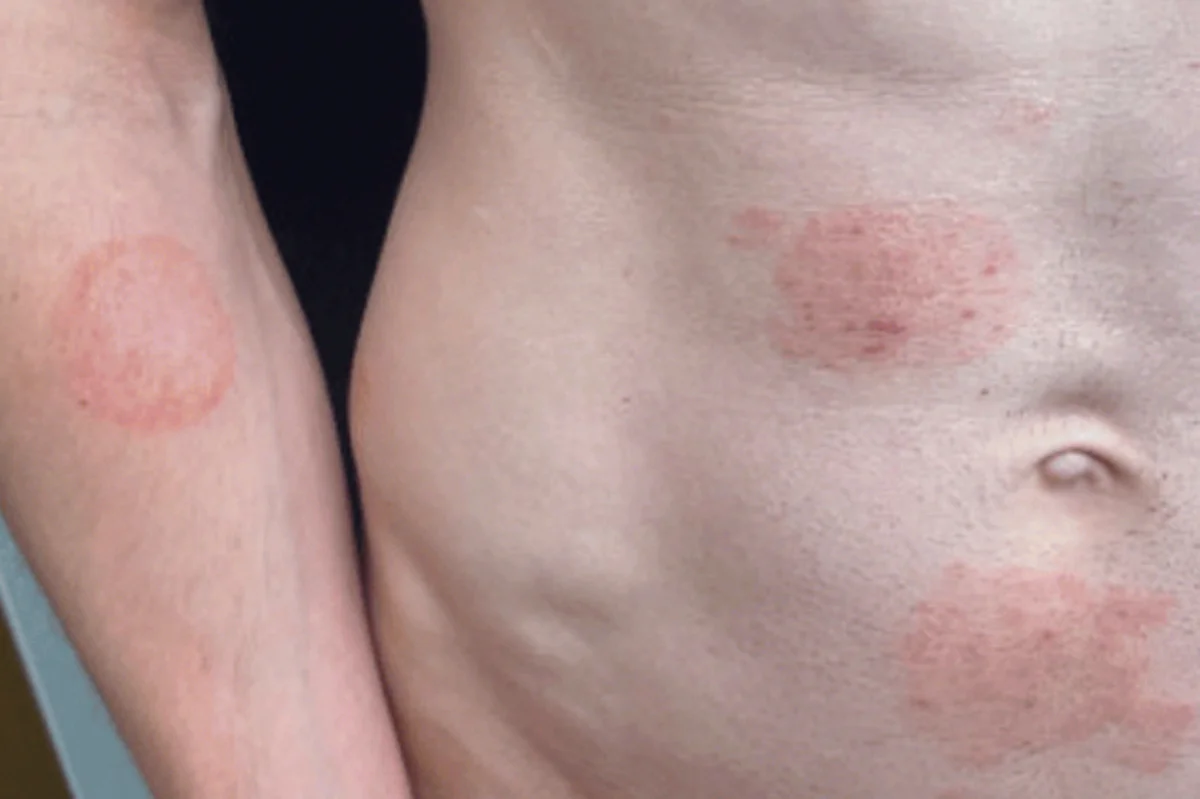
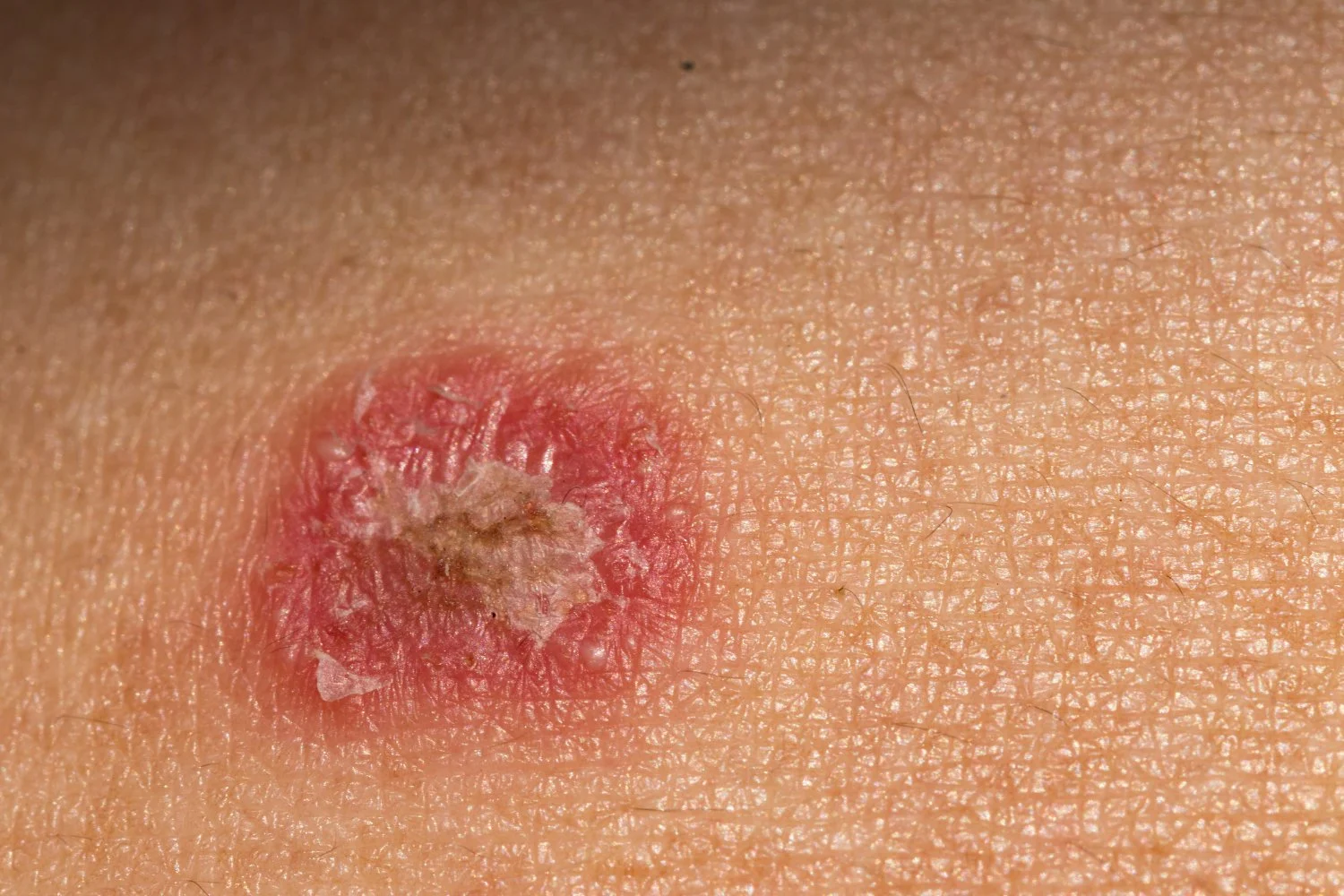
Ringworm is a common and contagious fungal infection that causes a circular, itchy, and scaly rash on the skin. It can affect anyone and is spread through contact with infected individuals, animals, or objects. Over-the-counter and prescription antifungal treatments are available to stop the spread of the fungus and alleviate symptoms. Prevention measures should be taken to avoid recurring infections.
The CDC has reported the first case of a drug-resistant ringworm infection caused by Trichophyton indotineae in the US, which was found in two women in New York City. The infection is highly contagious and known for its widespread inflammation of certain parts of the body that leaves them inflamed and covered in plaque. Trichophyton indotineae is a highly transmissible and drug-resistant type of ringworm that emerged in South East Asia likely due to anti-fungal overuse.