Tag

Science And Discovery

All articles tagged with #science and discovery

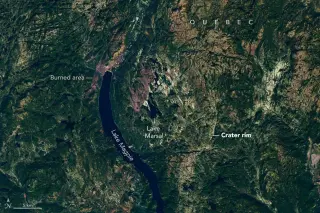
Citizen astronomer’s map search uncovers 25-km impact crater in Quebec
science-and-discovery15 days ago

Citizen astronomer’s map search uncovers 25-km impact crater in Quebec

Amateur astronomer Joël Lapointe identified a circular feature near Lake Marsal in Quebec’s Côte-Nord region while planning a camping trip in 2024. His inquiry led to a 2025 expedition by planetary geologist Gordon Osinski and colleagues, who confirmed the site as a 25-kilometer impact crater formed approximately 390 million years ago. The discovery, provisionally named Uhackatik, is the largest confirmed impact structure found since 2018 and awaits formal recognition by the Meteoritical Society.
Kids Discover Rare 'Teen Rex' Fossil Now Displayed in Denver Museum
science-and-discovery2 years ago

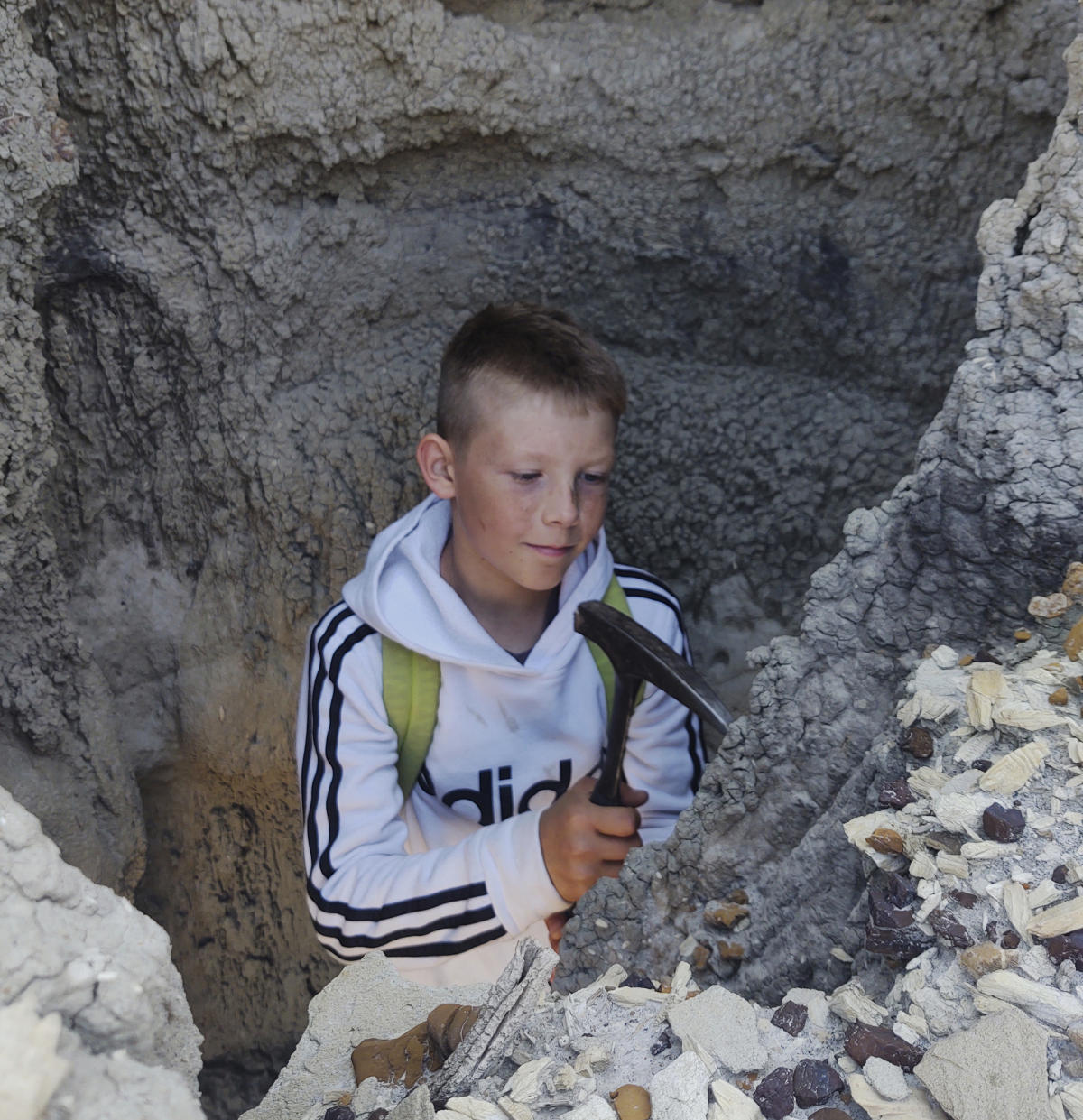
Kids Discover Rare 'Teen Rex' Fossil Now Displayed in Denver Museum

Three boys discovered a T. rex fossil in North Dakota, which is now being excavated and prepared for display at the Denver Museum of Nature & Science. The exhibit, called Discovering Teen Rex, will open on June 21, coinciding with the debut of a documentary about the find. The fossil, estimated to be from a 13 to 15-year-old T. rex, includes a leg, hip, pelvis, tailbones, and part of the skull. The public can watch the year-long process of chipping away the rock encasing the fossil.

Kids Discover Rare Teen T. Rex Fossil in North Dakota
science-and-discovery2 years ago

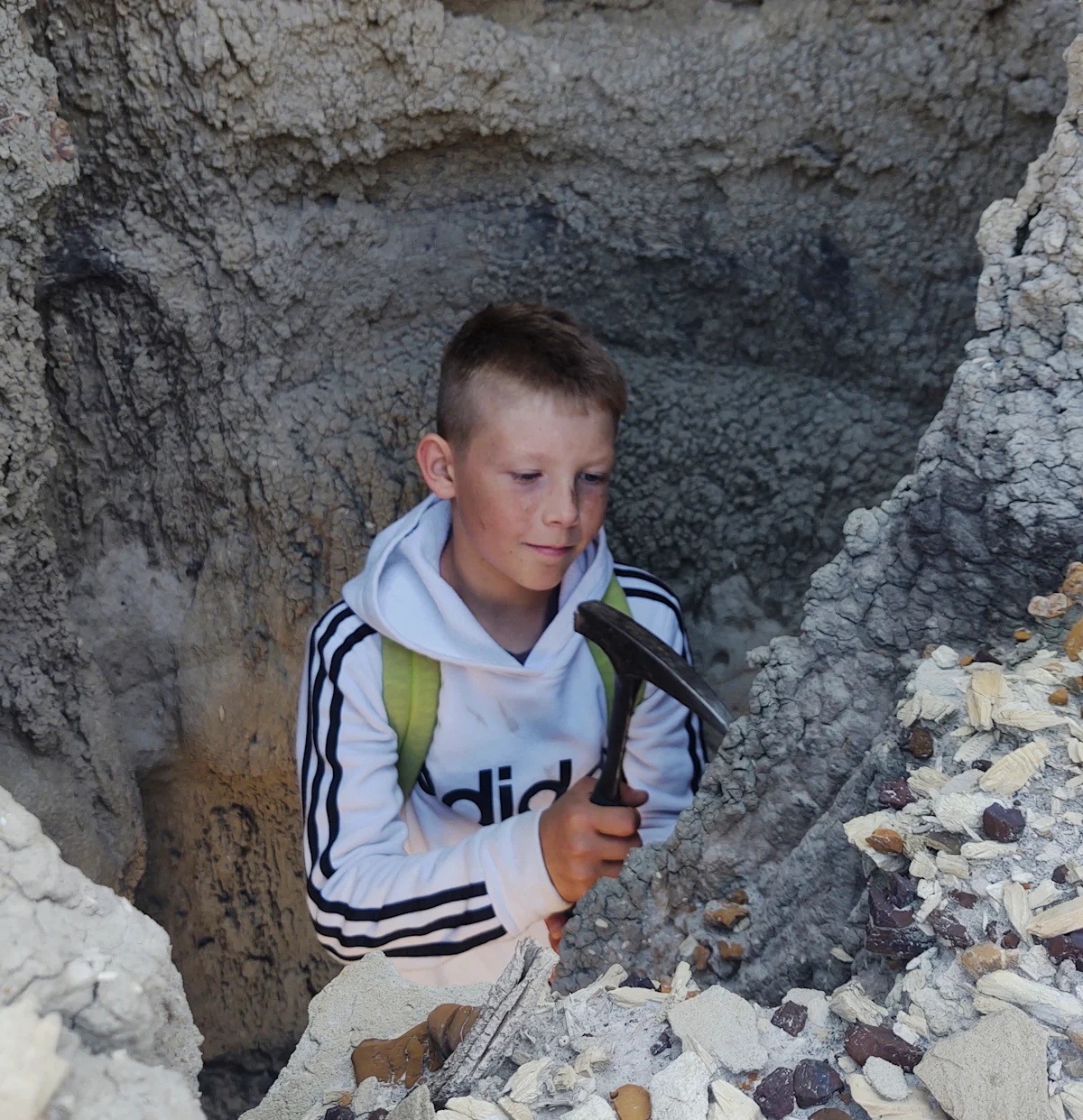
Kids Discover Rare Teen T. Rex Fossil in North Dakota

Three boys discovered a T. rex fossil in North Dakota, which is now being excavated and prepared at the Denver Museum of Nature & Science. The fossil, dubbed "The Brothers," will be part of a special exhibit called Discovering Teen Rex, opening June 21. The public can watch the year-long process of chipping the fossil out of its rock cast.

Unveiling the Hidden Paradise: The Mysterious 'Lost Continent' Discovered by Unaware Tourists
science-and-discovery3 years ago

Unveiling the Hidden Paradise: The Mysterious 'Lost Continent' Discovered by Unaware Tourists

Tourists may have been unknowingly visiting the remains of a 'lost continent' called Greater Adria, which broke off from North Africa 250 million years ago and sank under parts of Southern Europe. Only a strip of this continent remains, running from Turin to the heel of Italy. This discovery follows the previous finding of Zealandia, a 'lost' continent that was part of a supercontinent called Gondwana. Zealandia, mostly underwater, was first discovered in 1642 and has been used as an example of how something obvious can take time to uncover.

Unveiling the Hidden Paradise: The Secret 'Lost Continent' Discovered by Unaware Tourists
science-and-discovery3 years ago

Unveiling the Hidden Paradise: The Secret 'Lost Continent' Discovered by Unaware Tourists

Tourists may have been unknowingly visiting the remains of a 'lost continent' called Greater Adria, which broke off from North Africa 250 million years ago and sank under parts of Southern Europe. Only a strip of this continent remains, running from Turin to the heel of Italy. This discovery follows the previous finding of Zealandia, a 'lost' continent that was part of a supercontinent called Gondwana. Zealandia, mostly underwater, was first discovered in 1642 and has been used as an example of how something obvious can take time to uncover.

Unveiling the Hidden Paradise: The Secret 'Lost Continent' Discovered by Unaware Tourists
science-and-discovery3 years ago

Unveiling the Hidden Paradise: The Secret 'Lost Continent' Discovered by Unaware Tourists

Tourists may have been unknowingly visiting the remains of a 'lost continent' called Greater Adria, which broke off from North Africa 250 million years ago and sank under parts of Southern Europe. Only a strip of the continent remains, running from Turin to the heel of Italy. This discovery follows the previous finding of Zealandia, a 'lost' continent that was part of a supercontinent called Gondwana. Zealandia, mostly underwater, was first discovered in 1642 and has been used as an example of how something obvious can take time to uncover.