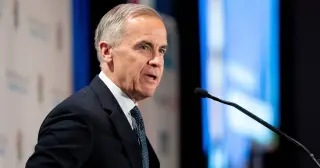
Canada’s Mark Carney warns that Alberta’s plan to hold a referendum on secession could backfire, citing Brexit lessons to urge caution and label the move a potential “dangerous bluff.”
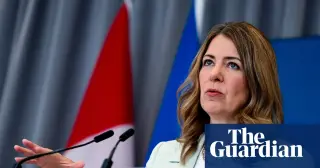
Alberta’s premier Danielle Smith introduces a convoluted, potentially binding referendum on separating from Canada, a move critics say mirrors Brexit and risks deepening a fractured political climate; the push is hampered by internal party strife, a high-profile data breach linked to a prior petition, and a court ruling that the effort lacked proper consultation with First Nations, while federal Conservatives pledge to campaign for Alberta to remain in Canada.
Alberta will hold a non-binding fall referendum to gauge whether residents want to remain part of Canada or pursue a binding vote on secession, a historic step as the first province outside Quebec to test public sentiment on splitting. Premier Danielle Smith says she personally supports staying in Canada but wants to hear Albertans’ views; the Oct. 19 vote asks whether to stay in Canada or commence the legal process for a binding secession referendum. The move follows years of separatist campaigning, though polls show limited broad support for independence, and a prior court ruling had blocked a separation petition. Alberta’s oil sands, a major economic factor, looms large in the debate.
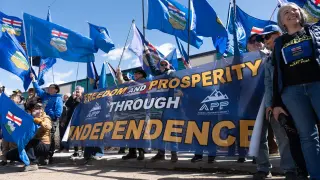
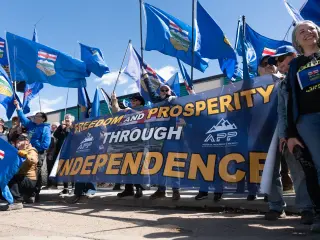
Secessionists in Alberta say they’ve collected roughly 302,000 signatures—far above the 178,000 needed—to trigger a referendum on the province’s independence, but Elections Alberta must verify names and Indigenous groups have filed legal challenges claiming treaty rights would be violated. A court ruling has delayed certification, and while Premier Danielle Smith has signaled she’d move forward if the petition stands, only about 30% of residents reportedly support independence. If the petition clears legal hurdles, a provincewide vote could occur in October as part of a broader constitutional referendum; the outcome remains uncertain amid legal challenges and political tension.
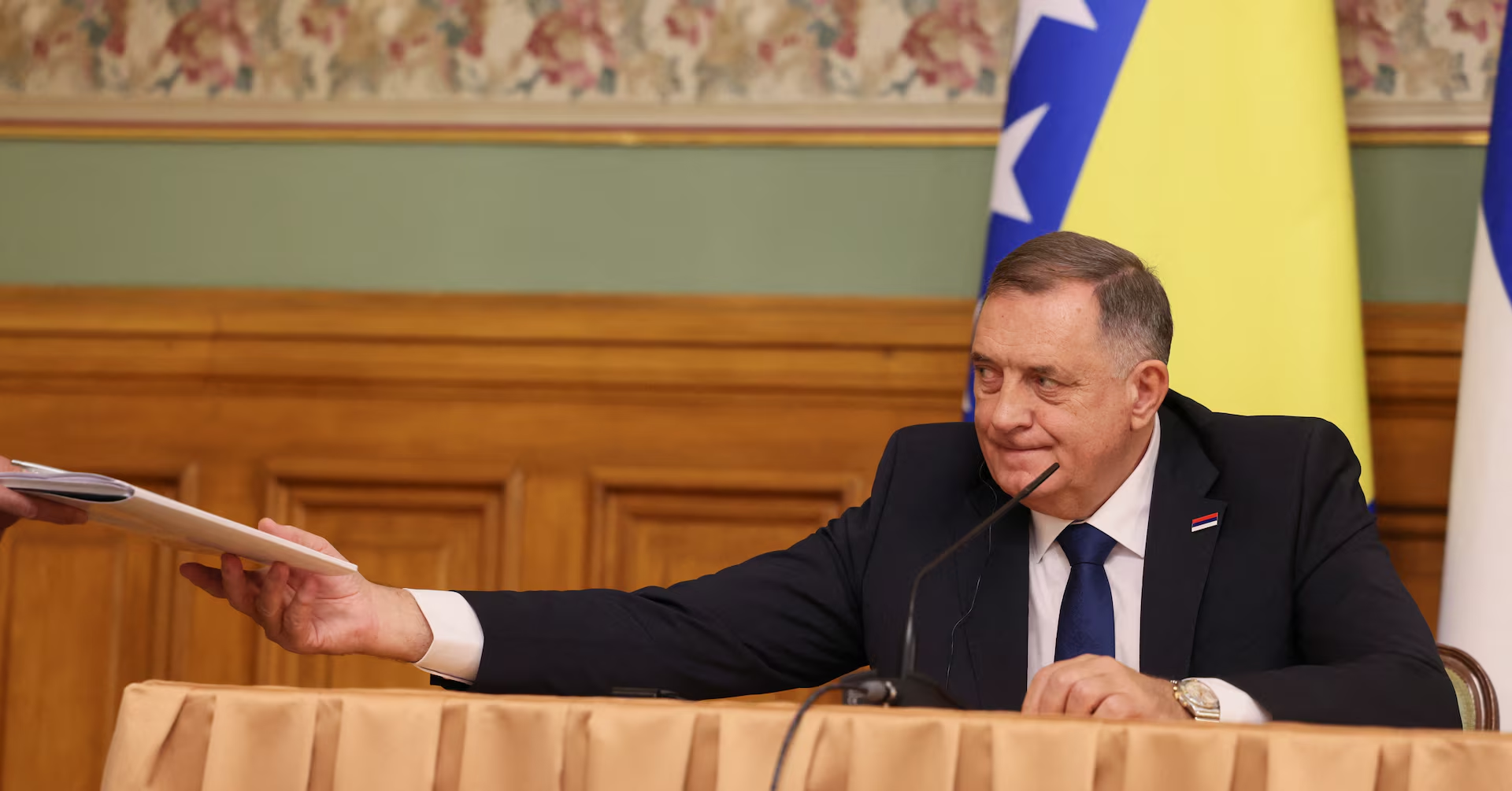
The parliament of Bosnia's Serb Republic appointed Ana Trisic Babic as interim president following Milorad Dodik's removal from office due to a court ban, with Dodik continuing to pursue secessionist goals despite stepping down. The move was welcomed by the U.S., which also lifted sanctions on some of Dodik's allies, amid ongoing tensions over Bosnia's stability.
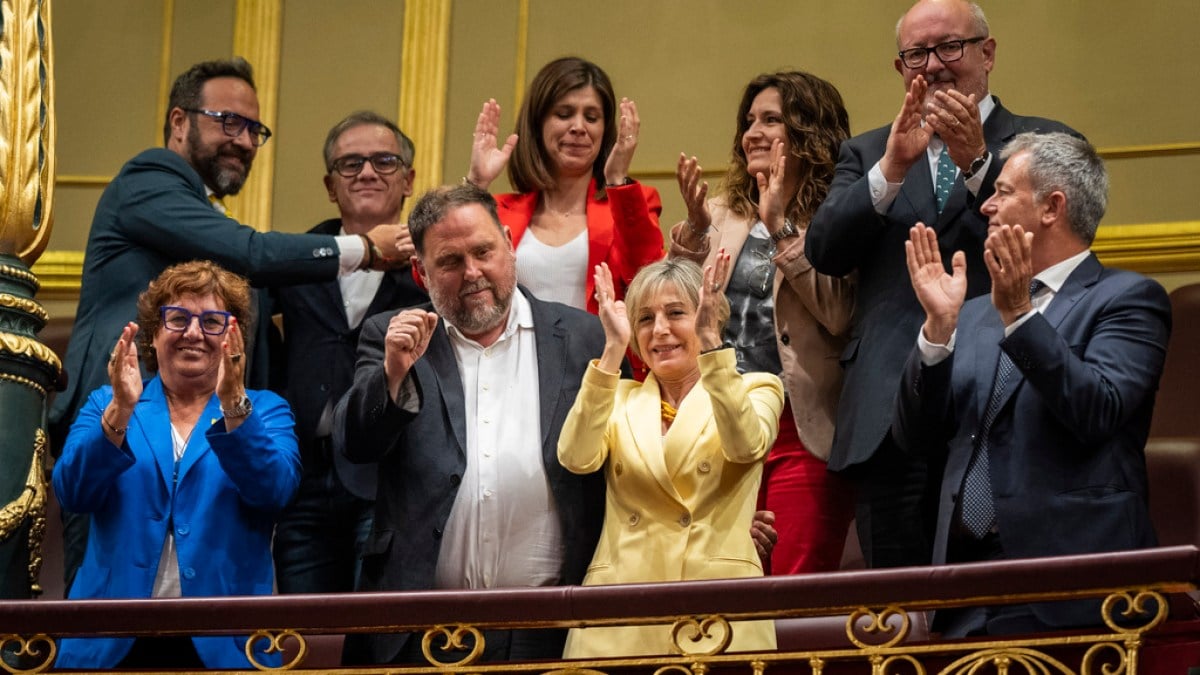
Spain's parliament has passed a bill granting amnesty to hundreds of Catalan secessionists involved in the 2017 independence bid, including exiled leader Carles Puigdemont. The controversial bill, which faced significant opposition and legal challenges, aims to resolve Spain's political crisis but may still encounter further legal hurdles. Prime Minister Pedro Sanchez supported the bill to secure parliamentary backing from Catalan parties. Public opinion on the amnesty is divided, with significant protests and varying regional support.
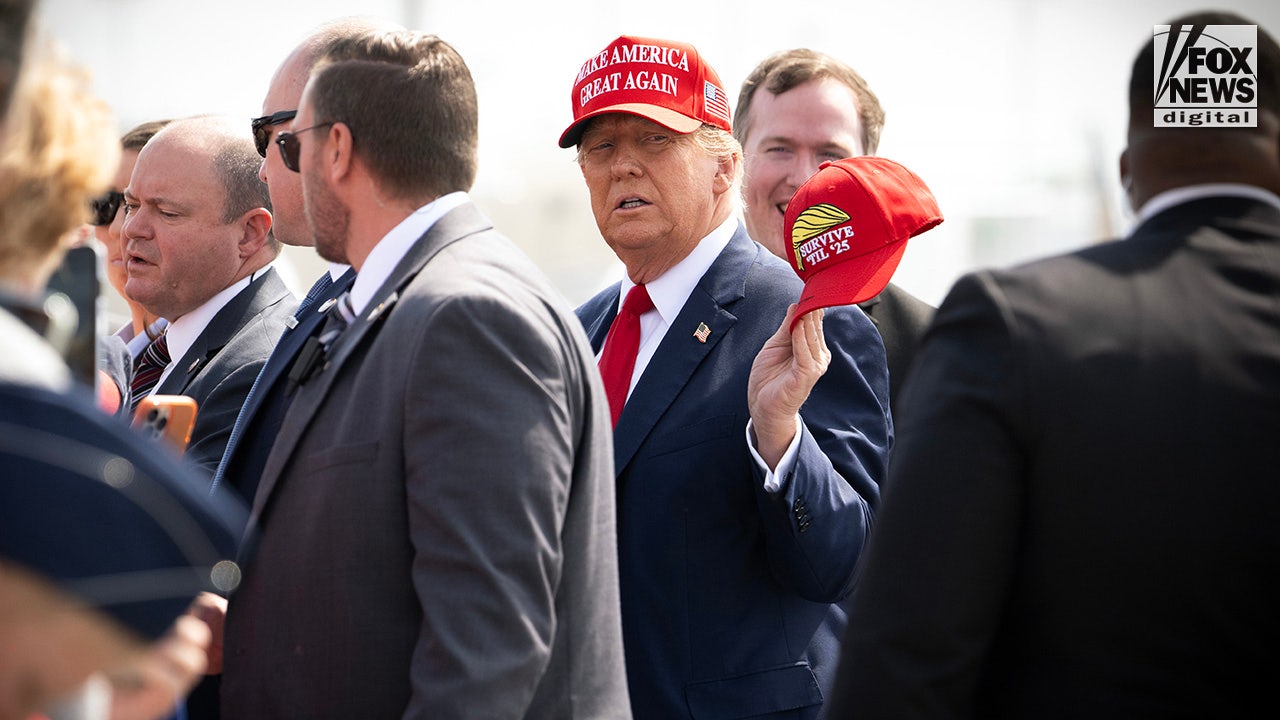
Former President Donald Trump raised millions at a fundraiser in Atlanta's wealthy Buckhead neighborhood, where residents have been pushing to secede from the city due to rising crime rates and lack of support for the police. The event, attended by local leaders and high-profile donors, brought in over $15 million. Buckhead residents have been vocal about the city's handling of crime, with concerns about homicides, vehicle thefts, and shoplifting. Trump has been emphasizing a return to law and order policies and has supported Buckhead's secession efforts, criticizing Republican leaders for not addressing the issue.
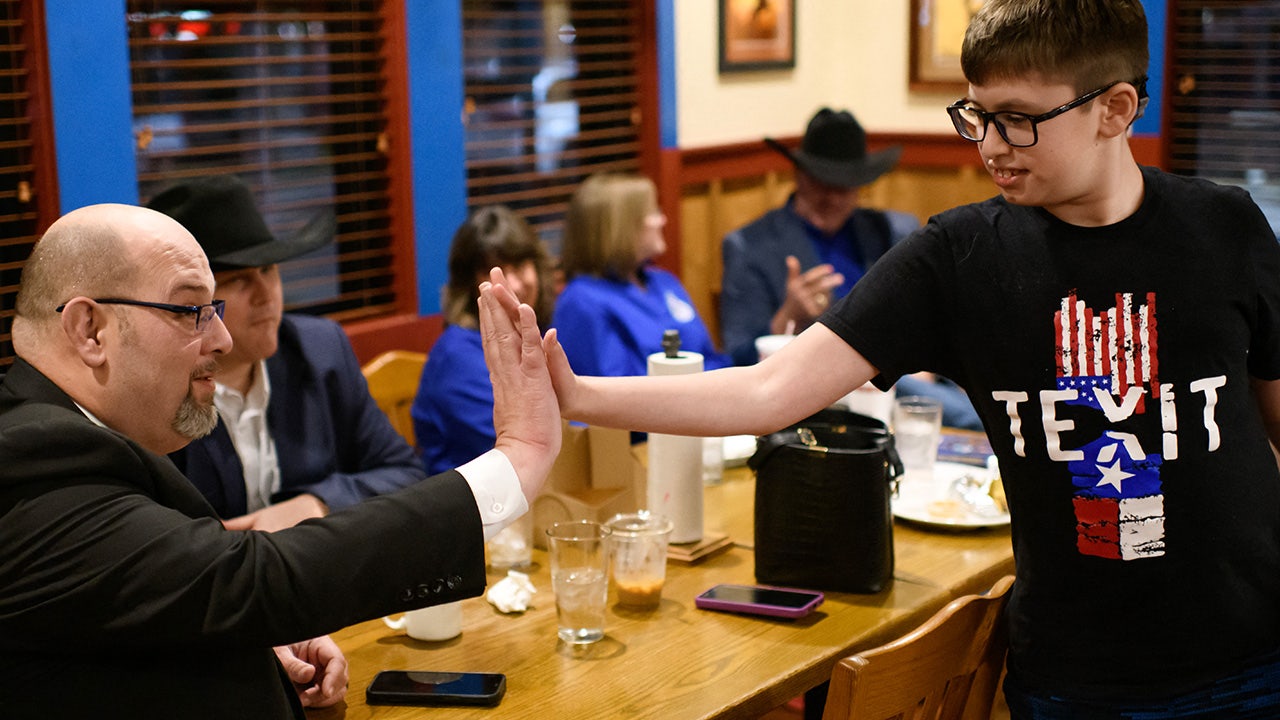
Daniel Miller, president of the Texas Nationalist Movement, claims that footage of migrants surging the southern border has increased support for the TEXIT movement, which advocates for Texas seceding from the US. He criticizes the federal government's handling of the border crisis and argues that Texas would be better off as a self-governing nation with its own immigration policy. Miller highlights the growing support for TEXIT in Texas and emphasizes the need for Texans to govern themselves.
The Philippine government is prepared to use force against any attempts to divide the nation, following former president Rodrigo Duterte's call for the independence of Mindanao amid a rift with President Ferdinand Marcos Jr over constitutional amendments. National security adviser Eduardo Ano warned that any secession attempts would be met with resolute force, potentially reversing gains made in the peace deal with former separatist groups in the region. The government's stance has sparked concerns about stability and the impact on investments in the conflict-affected area.
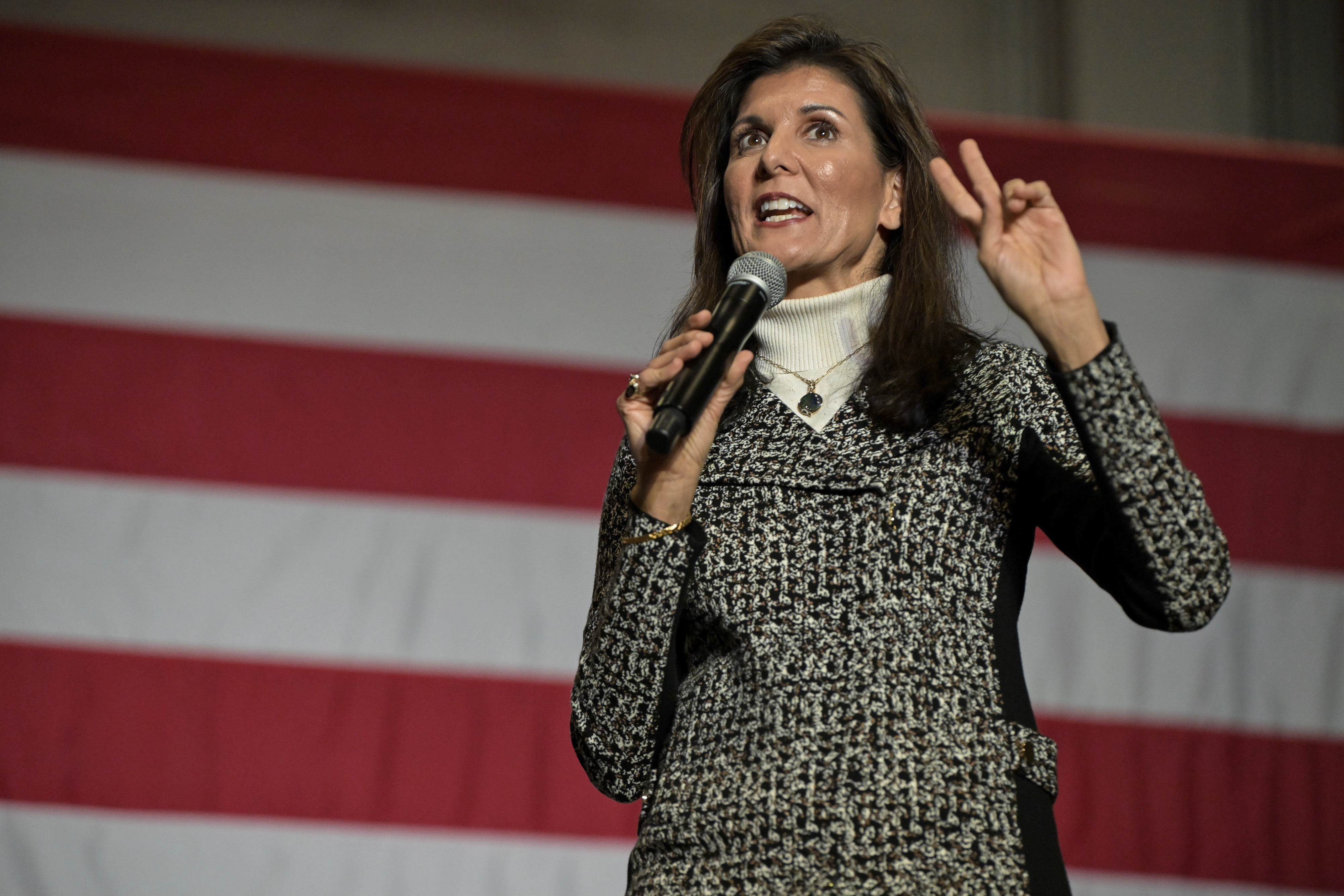
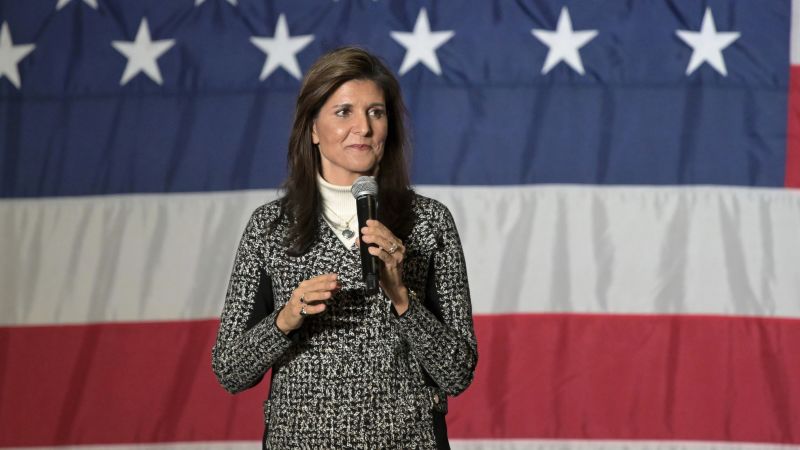
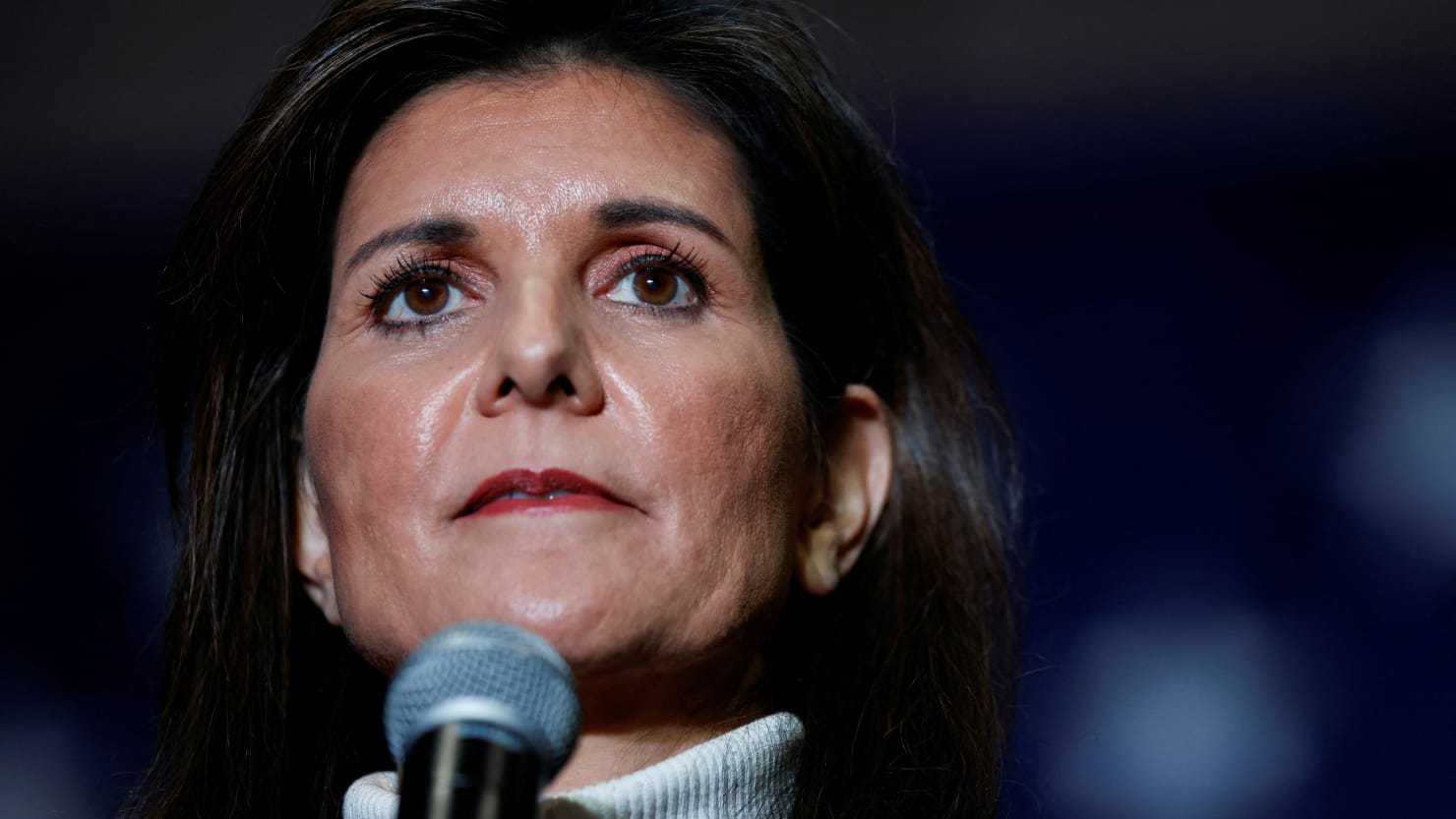
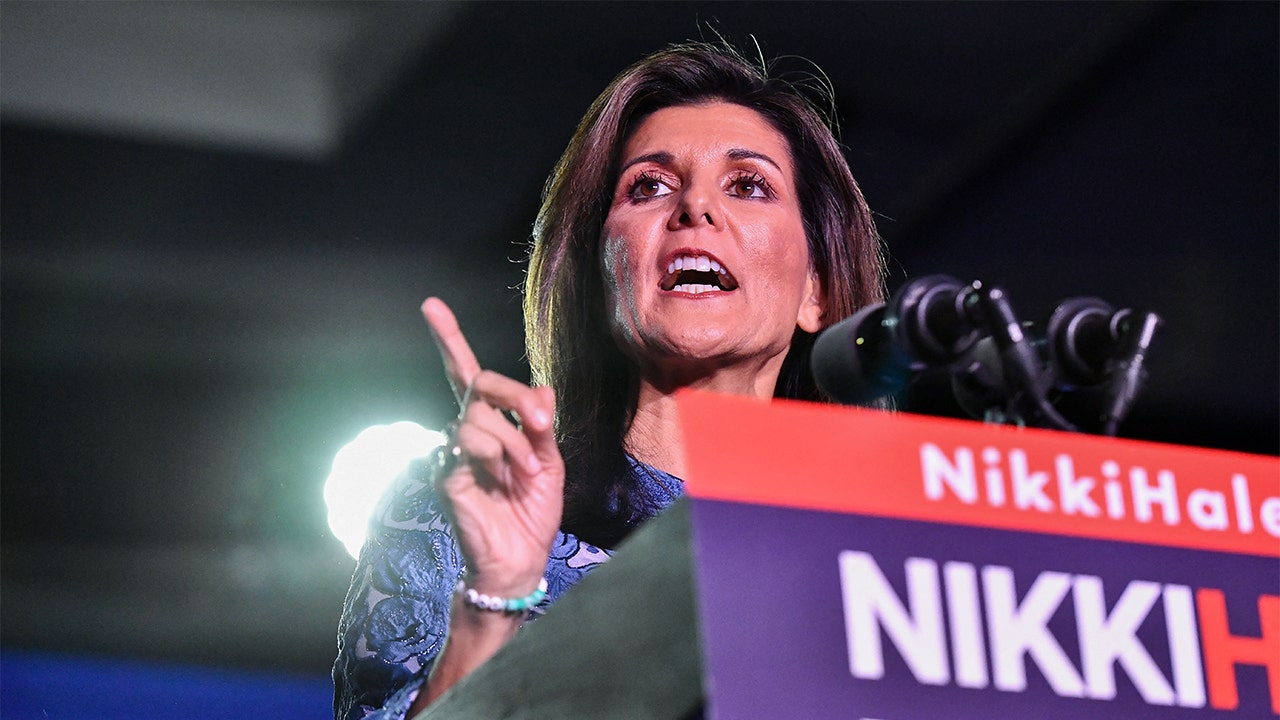
Former South Carolina governor and Republican presidential candidate Nikki Haley backtracked on her earlier remarks about states' ability to secede, clarifying that according to the Constitution, they cannot. This comes after she initially suggested that Texas could leave the union if it chose to. The discussion arose in the context of Texas Governor Greg Abbott's defiance of a U.S. Supreme Court ruling regarding border security measures. Haley expressed sympathy for Abbott's frustration, emphasizing the importance of states' rights while disavowing any support for secession.
Former UN Ambassador Nikki Haley walked back her comment suggesting that Texas could secede from the US, stating that she believes in the strength of the union. She also criticized former President Trump for "absolutely" playing politics at the border.
Nikki Haley faced backlash after suggesting in an interview that she would allow Texas to secede from the U.S. if elected president, but later clarified that it was a hypothetical scenario and that "nobody's going to do that." Her comments came amid tensions between Texas officials and the Biden administration over immigration policies and border security. Haley pivoted to criticizing Biden and emphasizing the need to address Texas' immigration crisis, while defending her belief that states should have the right to leave the union if their residents wish to.
Nikki Haley clarified her recent comments about Texas secession, stating that her remarks were more about the immigration crisis and states' rights than actual secession. She emphasized that Texans are not seriously considering seceding from the U.S. and that the focus should be on addressing the illegal immigration crisis. Haley expressed support for Texas Governor Greg Abbott's efforts to protect the state's border and emphasized the importance of allowing states to make decisions to keep their residents safe. The U.S. Constitution does not allow for states to secede, and legal experts have confirmed that secession is not a viable option for Texas.
The idea of Texas seceding from the United States, known as 'Texit', has gained some online support, but experts warn that it could have severe consequences. If Texas were to secede, it could lose billions in infrastructure funding, face wartime violence, and jeopardize federal benefits such as Medicaid, Social Security, and Medicare. While some political candidates suggest Texas has the power to secede, experts emphasize the legal and financial challenges that would arise from such a move.
Texas Governor Greg Abbott's standoff with the federal government over border security in Eagle Pass has reignited calls for secession and raised fears of potential violence. The dispute centers around Texas' efforts to prevent migrants from crossing the Rio Grande, with Abbott vowing to continue the fight despite a Supreme Court decision favoring the federal government. The standoff has emboldened right-wing figures, including secessionists, militias, and politicians, and has sparked concerns about the growing acceptance of political violence. The use of the term "invasion" to justify Texas' actions has drawn criticism from legal experts and immigration rights groups, who warn that such rhetoric could fuel border vigilantism and reinforce white supremacist ideologies. Fears of potential conflict have led to discussions about civil war and armed protests, raising concerns about the escalation of the situation.