Tag

Seismicity

All articles tagged with #seismicity

Campi Flegrei’s Self-Accelerating Unrest Points Toward Major Shift Near Naples
science10 days ago

Campi Flegrei’s Self-Accelerating Unrest Points Toward Major Shift Near Naples

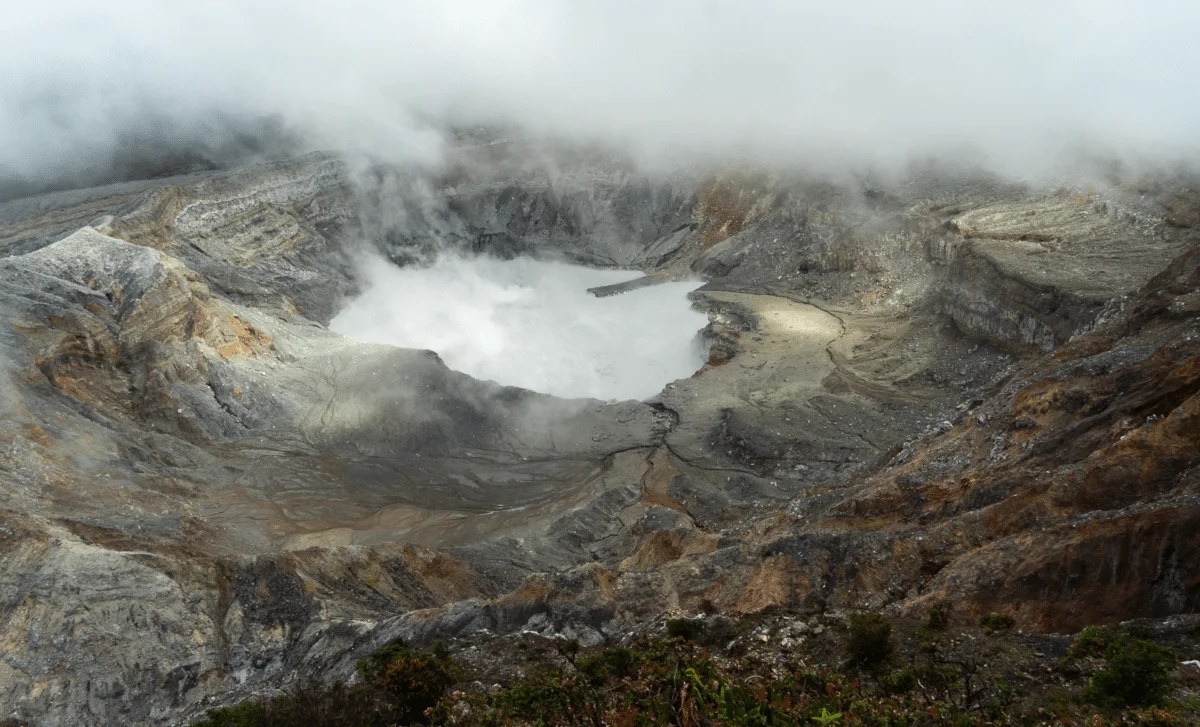
A preprint analysis finds Campi Flegrei, the Naples-area caldera, is showing a self-reinforcing acceleration in seismic activity and ground uplift, suggesting a potential major geological shift could occur around 2030–2034. While not a specific eruption forecast, the pattern raises significant risk to nearby residents and underscores the need for ongoing monitoring and improved predictive models.
Naples-area Campi Flegrei Near Breakpoint, Eruption Possible Within a Decade
science10 days ago

Naples-area Campi Flegrei Near Breakpoint, Eruption Possible Within a Decade

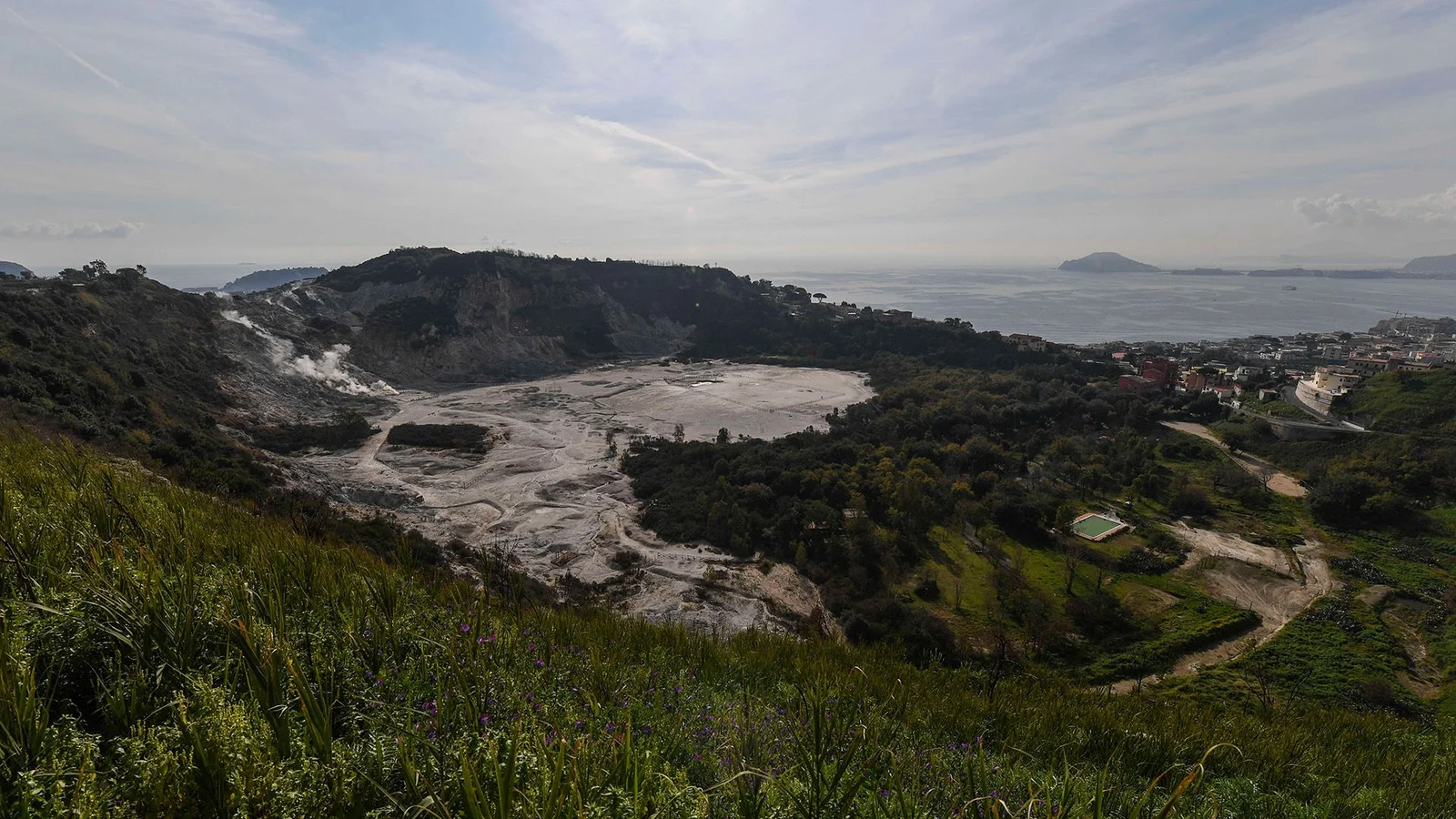
Campi Flegrei, the volcanic caldera west of Naples, is accelerating toward a breaking point, with a new study suggesting the system could transition within the next decade. The outcome is uncertain: it could trigger an eruption or another change in the volcano's internal plumbing. About 500,000 people live in the area, so researchers plan ongoing forecasts to support emergency planning, but no date or size of an eruption can be determined from the current data.

"Potential Awakening of Sleeping Subduction Zone Threatens to Create New 'Ring of Fire' in Atlantic Ocean"
earth-science2 years ago

"Potential Awakening of Sleeping Subduction Zone Threatens to Create New 'Ring of Fire' in Atlantic Ocean"

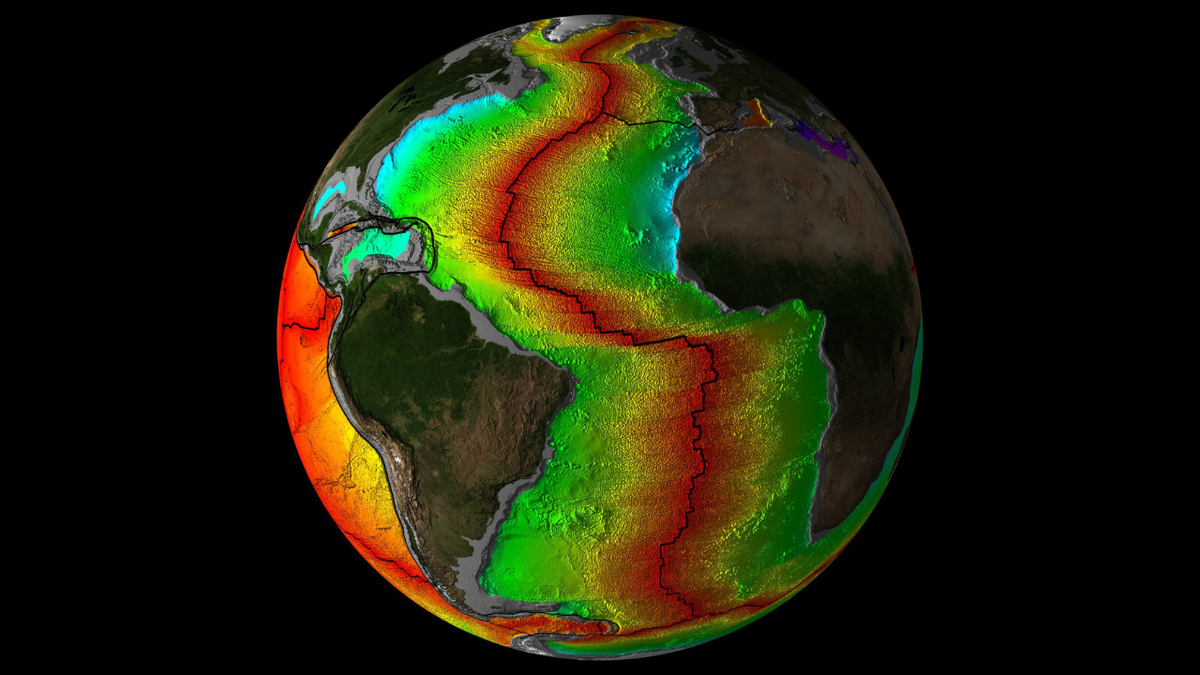
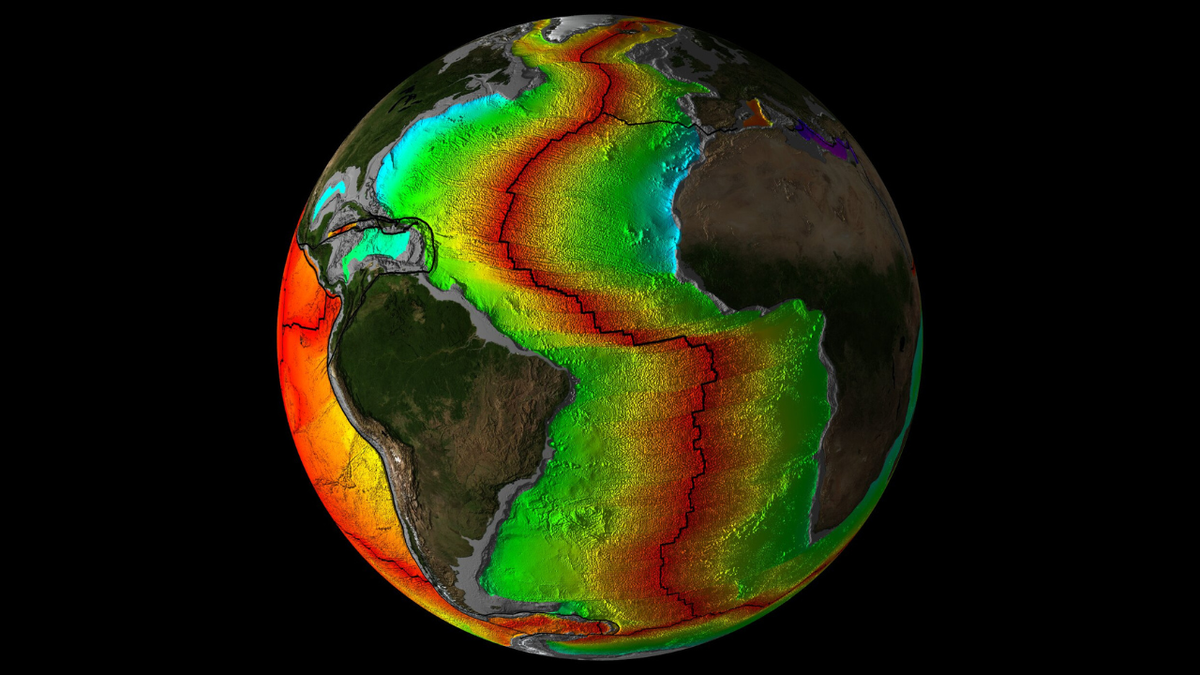
A subduction zone known as the Gibraltar arc, located between Portugal and Morocco, has been creeping westward and could eventually invade the Atlantic Ocean, leading to the formation of an Atlantic subduction system similar to the Ring of Fire in the Pacific. Despite appearing dormant, new research suggests that the subduction zone is merely in a period of quiet and could resume its advance in the next 20 million years, potentially causing the Atlantic Ocean to slowly close up. The zone's movement over the last 5 million years may explain the region's relative lack of seismicity and volcanism, with the last major earthquake occurring in 1755.

"Rising Threat: Subduction Zone Stirring Beneath Atlantic Ocean Could Form New 'Ring of Fire'"
earth-science2 years ago

"Rising Threat: Subduction Zone Stirring Beneath Atlantic Ocean Could Form New 'Ring of Fire'"

A subduction zone known as the Gibraltar arc, located between Portugal and Morocco, has been creeping westward and could eventually invade the Atlantic Ocean, leading to the formation of an Atlantic subduction system similar to the Ring of Fire in the Pacific. Despite appearing dormant, new research suggests that the arc is merely in a period of quiet and could resume its advance in the next 20 million years, potentially causing the Atlantic Ocean to slowly close up. The subduction zone's movement has been linked to the relative lack of seismicity and volcanism in the region, with the last major earthquake occurring in 1755.

"2023 Marks a Year of Decreased Seismic and Geyser Activity in Yellowstone"
science-and-environment2 years ago

"2023 Marks a Year of Decreased Seismic and Geyser Activity in Yellowstone"

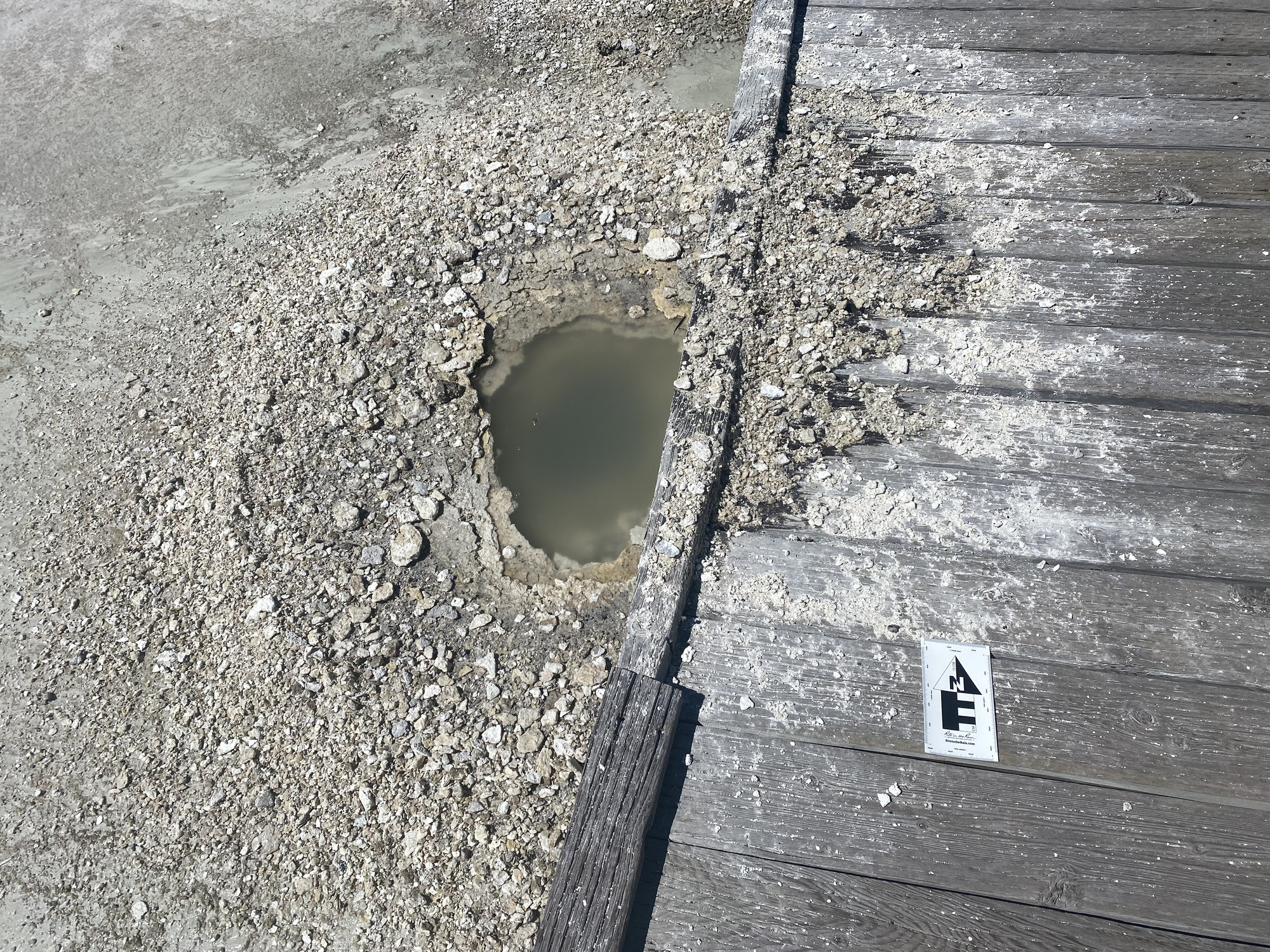
The Yellowstone Volcano Observatory (YVO) reported that geological activity in Yellowstone National Park in 2023 was relatively calm, with about 1,600 earthquakes recorded, most of which were minor. Notable events included hydrothermal unrest on Geyser Hill and the first eruption of Giant Geyser since 2019. Ground deformation continues with the caldera subsiding at a rate of 1 inch per year. New research on the magma chamber beneath the caldera has revealed the presence of horizontally elongated sills with up to 28% melt fraction, which could enhance eruption forecasting.

Centuries-Long Aftershocks: New Study Reveals Earthquake Impact Endures
earth-science2 years ago

Centuries-Long Aftershocks: New Study Reveals Earthquake Impact Endures

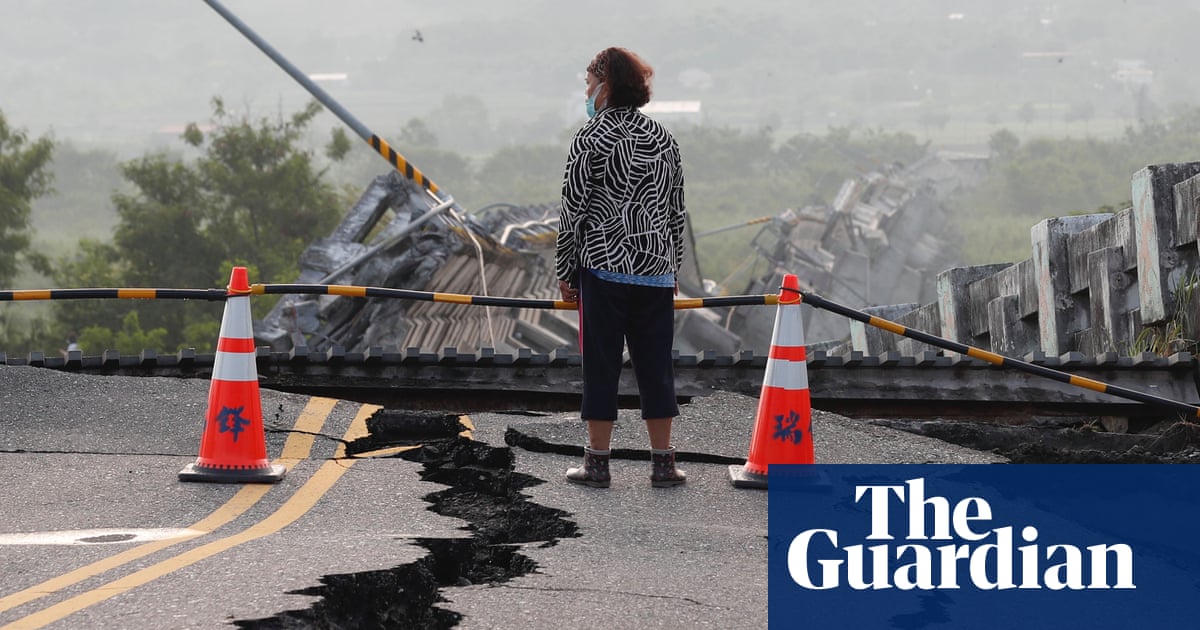
A new study suggests that aftershocks can occur decades or even centuries after the original earthquake. Researchers analyzed historical earthquakes in North America and found that nearly a third of modern quakes in the Missouri-Kentucky area were likely aftershocks from an event in 1811-12, while about 16% of recent quakes in the Charleston region are probably aftershocks from a quake in 1886. Recognizing aftershocks is crucial for assessing a region's disaster risk.