Krikalev’s 0.02-Second Time Dilation: A Humble Relativity Lesson from Spaceflight
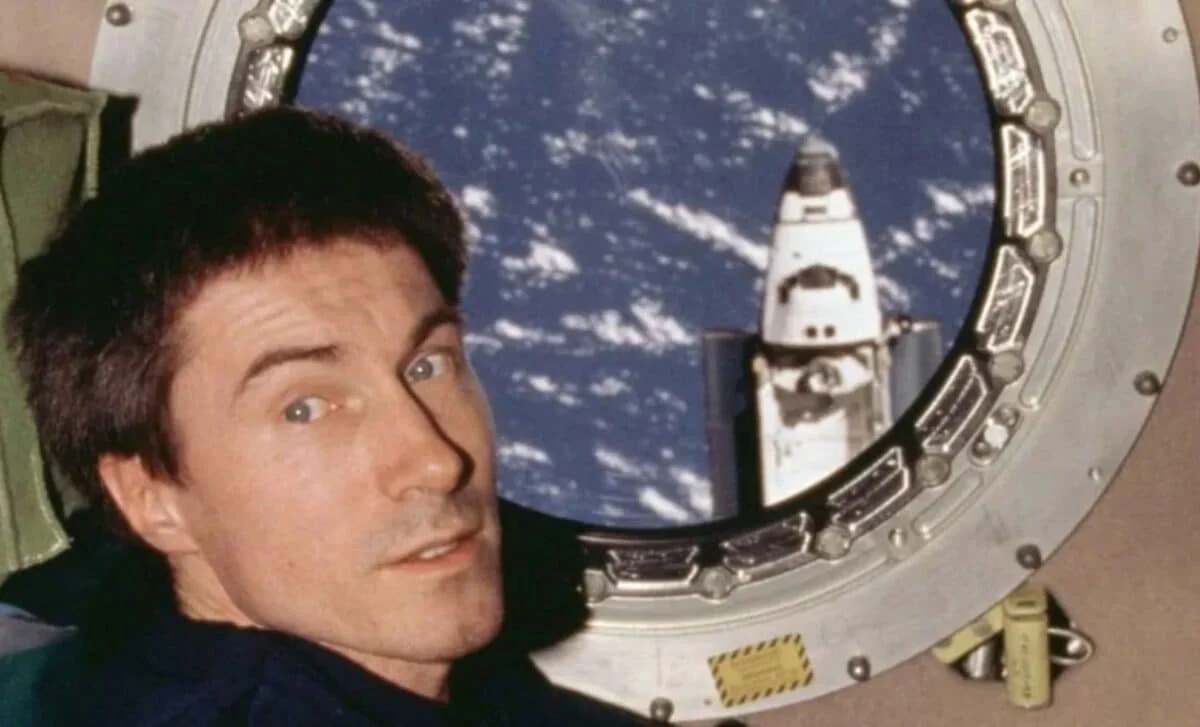
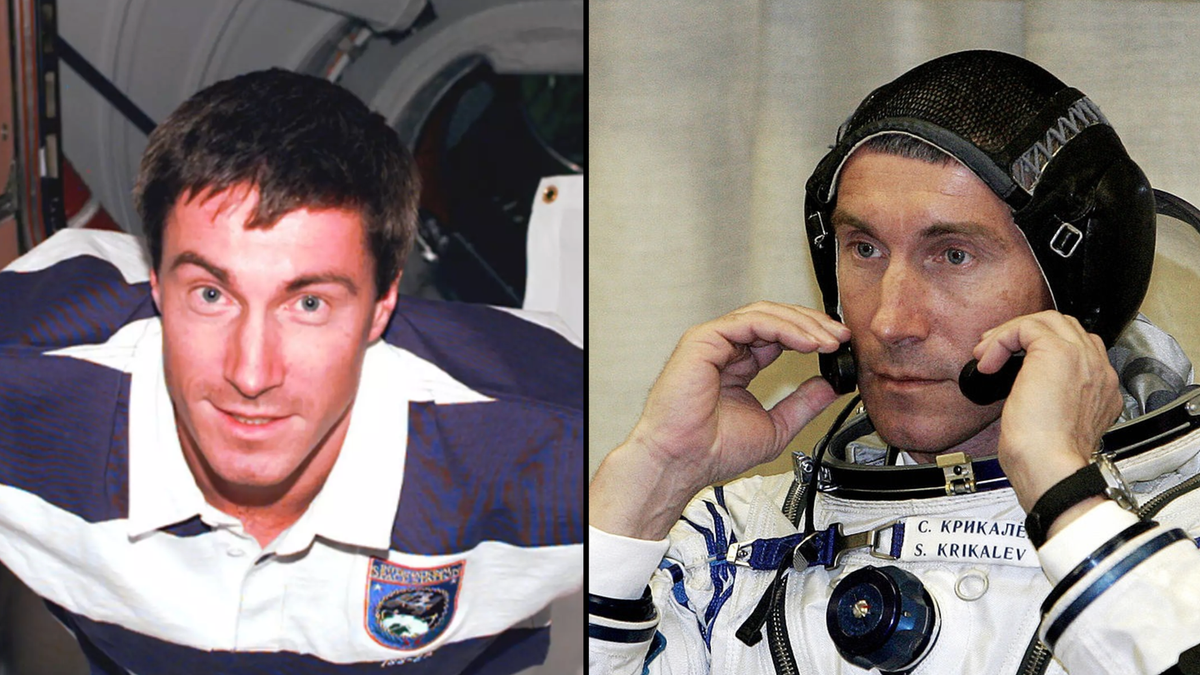
Sergei Krikalev’s combined 803 days in six ISS missions yield roughly 0.02 seconds of relativistic time dilation compared with Earth time, via the dominant special-relativity effect of orbital velocity (with a smaller counteracting general-relativity pull from gravity). The net result is a tiny aging difference, not true time travel, but it serves as a standard teaching example of how motion affects time. The figure remains a well-cited physics fact, though later cosmonauts have accumulated more time in space and each have their own, slightly larger cumulative dilations.